







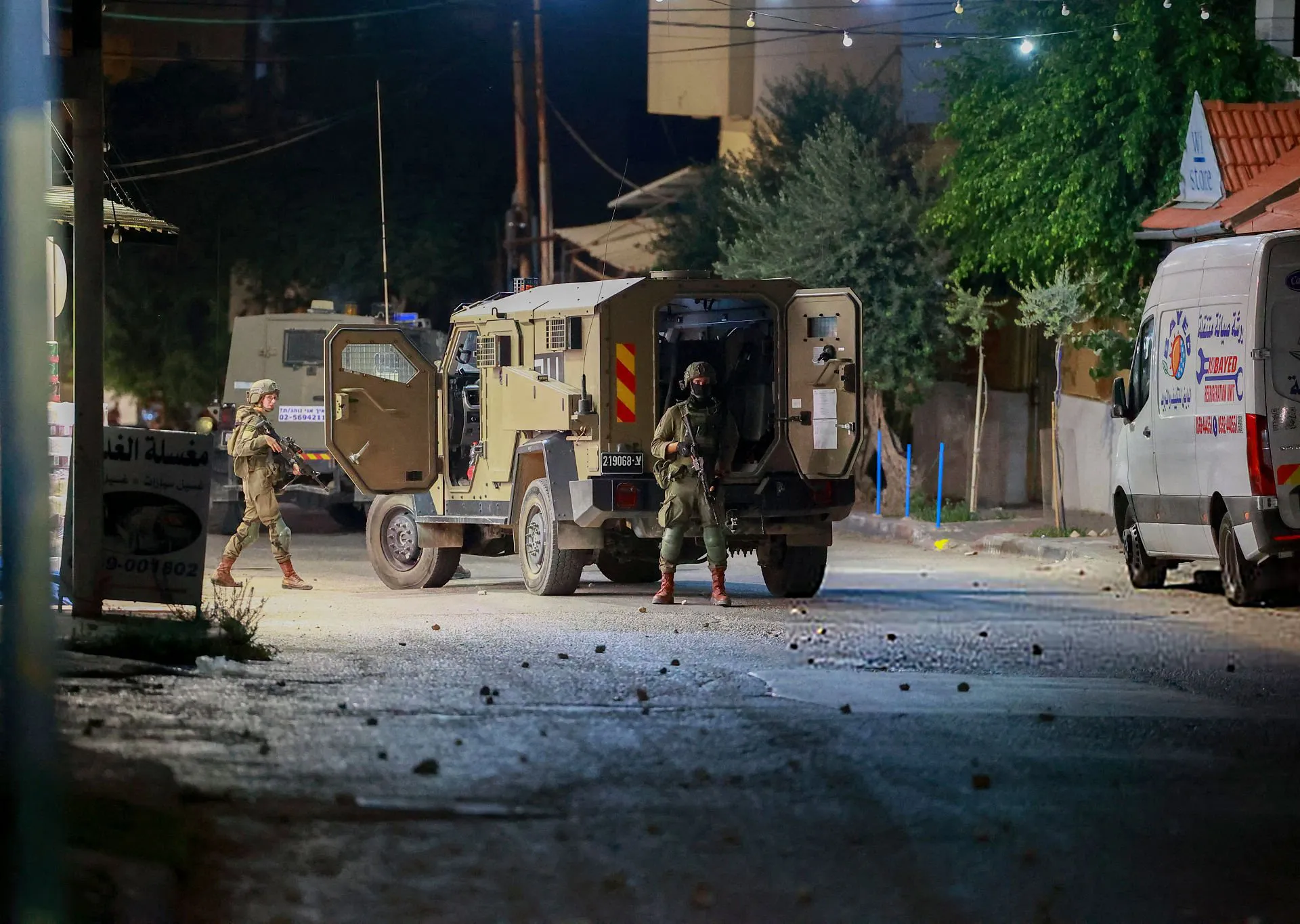
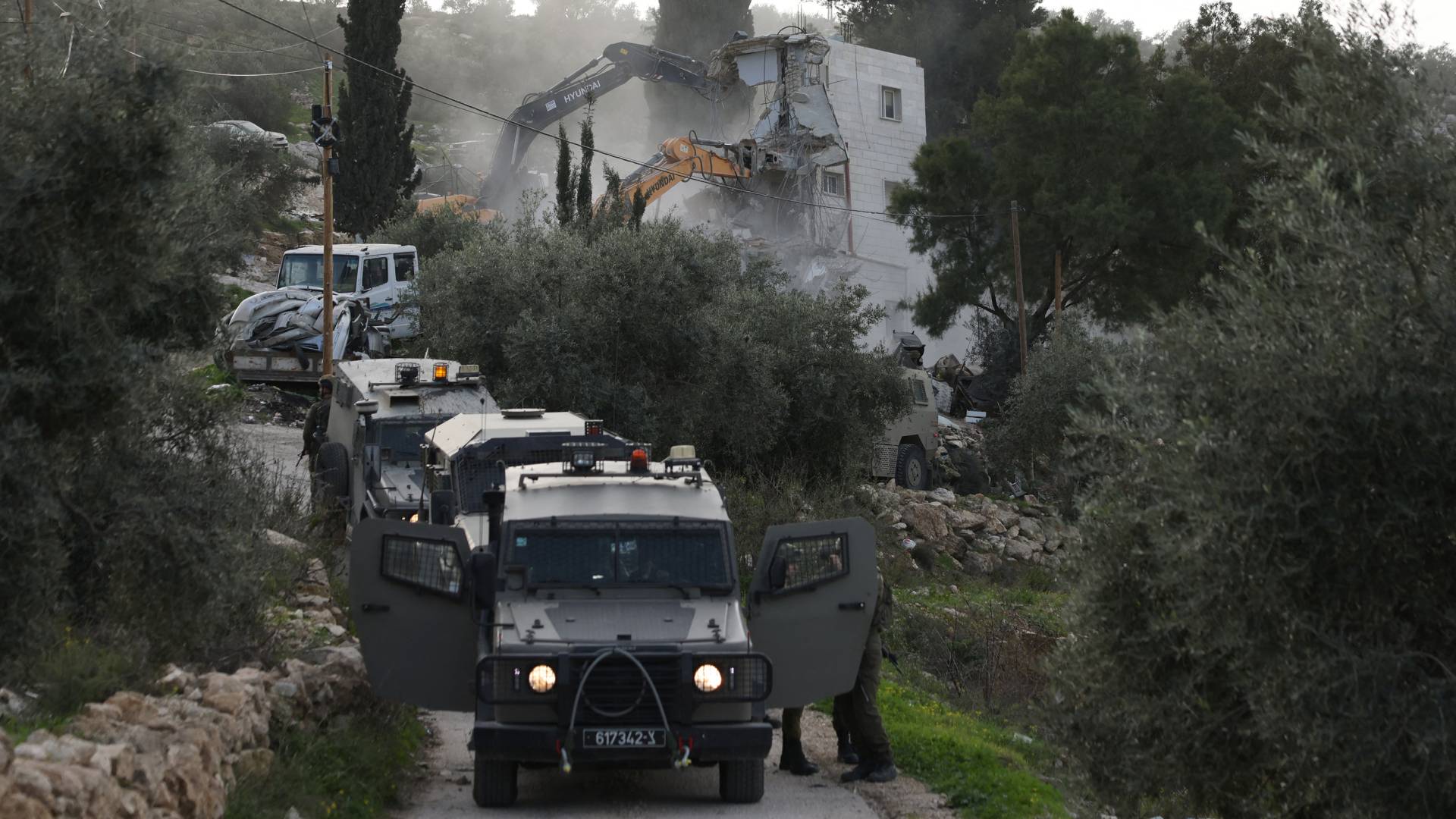
The Israeli occupation army escalated its military operations in southern Lebanon, launching a wide-ranging ground and air operation targeting the heights of Shqif and the Wadi al-Salouqi area. These movements come as the occupation seeks to deepen its penetration into Lebanese territory and impose a new reality on the northern border.
The occupation army officially announced its control over the historic Beaufort Castle, indicating that its forces succeeded in crossing the Litani River and deploying in areas north of it. This step is considered a strategic shift in the current confrontation, as Israeli forces have bypassed the defensive lines that were in place in recent weeks.
In contrast, field sources confirmed that Hezbollah continues to confront Israeli advance attempts, with the party broadcasting footage documenting the destruction of a 'Merkava' tank in the vicinity of the town of Zawtar al-Sharqiya. The Lebanese resistance stressed that it is fighting fierce battles to prevent the occupation forces from stabilizing in the areas they recently reached.
Regarding human casualties, the occupation army admitted the killing of one of its soldiers and the injury of four others with varying degrees of wounds following an attack carried out by a drone targeting a gathering of forces in the south. This coincided with the activation of sirens in several border settlements due to intense rocket barrages launched from Lebanon.
Military sources reported that the Israeli incursion reached the outskirts of the city of Nabatieh, after controlling the towns of Shqif Arnoun and Zawtar al-Sharqiya located north of the Litani. This ground advance was accompanied by heavy air and artillery cover targeting surrounding villages and towns to pave the way for military vehicles.
For its part, Hezbollah announced the execution of more than 20 military operations in recent hours, including targeting eight settlements and military bases in occupied northern Palestine. The party's fighters also set up tight ambushes for the invading forces, confirming the use of qualitative and composite weapons in the confrontation operations.
On the ground, Israeli artillery shelling did not stop targeting the towns of Baraachit, Al-Ghandouriya, and Al-Sultaniya in the Bint Jbeil district, in addition to the Sayyad houses in Tyre. Warplanes also launched violent raids targeting the vicinity of the Nabih Berri Governmental Hospital, causing extensive material damage and a state of panic among civilians.
In the political context, Israeli National Security Minister Itamar Ben-Gvir called for intensifying military strikes and demanding the 'crushing' of the southern suburb of Beirut. Ben-Gvir considered that the destruction of the suburb is the only way to pressure Hezbollah and stop its rocket attacks that paralyze life in the north.
Former Prime Minister Naftali Bennett joined the chorus of inciters, criticizing the Netanyahu government's performance in managing the conflict, and demanding that the suburb 'tremble' to restore security. These statements reflect a state of confusion and internal pressure in Israel as a result of the continued rocket barrages despite the ground operations.
Internally, the occupation authorities imposed strict security measures, including suspending educational activities and closing beaches in areas near the Lebanese border. These decisions came after intelligence reports warned of an imminent escalation in Hezbollah attacks in response to crossing the Litani River.
Despite an announced ceasefire agreement since last April, the field reality indicates a collapse of understandings with the expansion of the war. Confrontations continue on several fronts amidst international fears of the region sliding into a comprehensive war whose consequences cannot be controlled.
The Dahiyeh must tremble until security returns to the north.
شارك برأيك
The occupation controls Beaufort Castle and crosses the Litani River amidst fierce battles