







The Palestinian National Authority is currently undergoing the most dangerous political and field-related turning point since its establishment in 1994, as Israeli pressures intersect with internal crises to shape a critical phase. Three potential fates loom on the horizon, ranging from complete collapse under the weight of pressures, or the leadership's initiative to dissolve the Authority itself, to the option of comprehensive national reconciliation that could redefine the Palestinian national project anew.
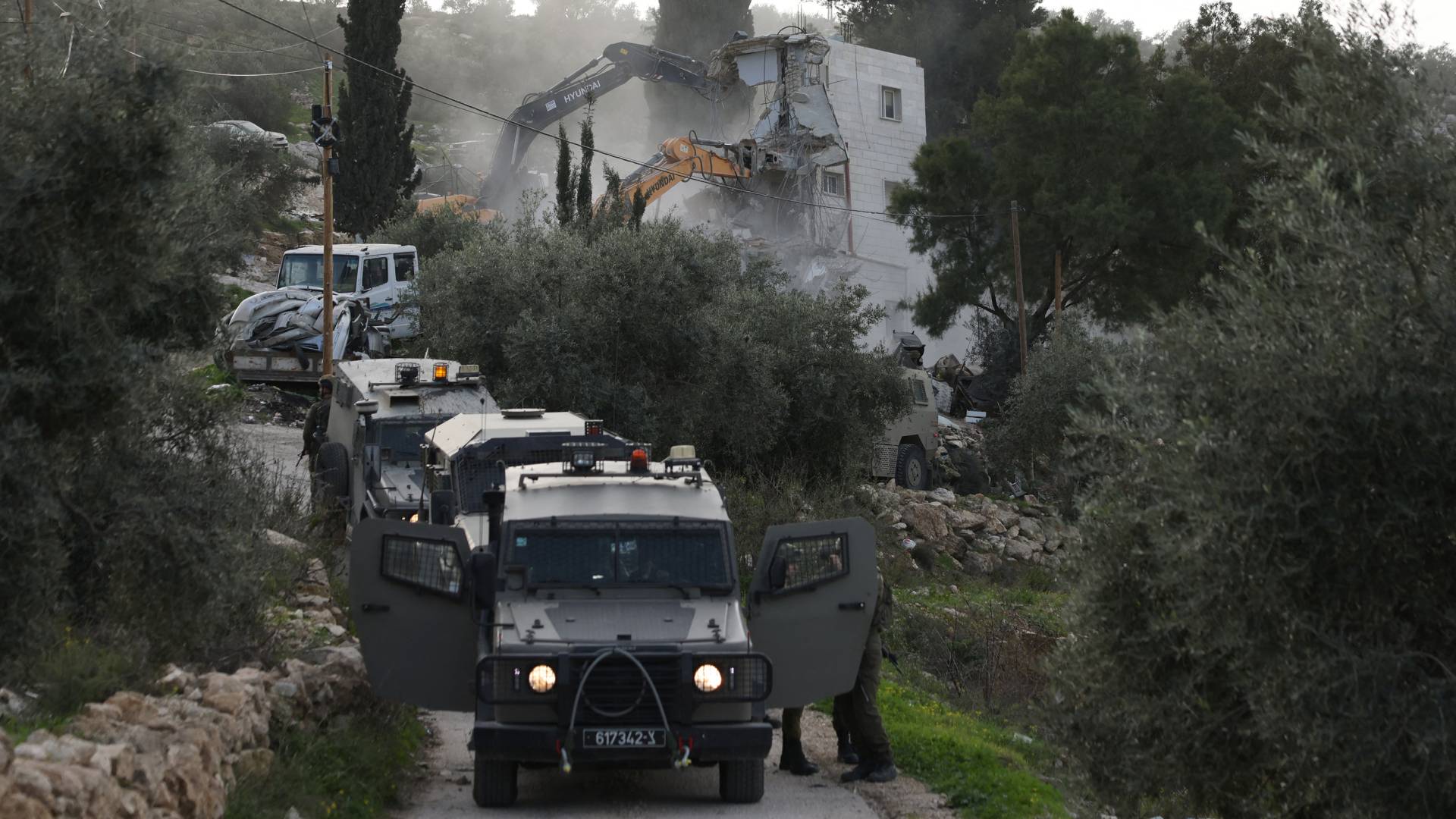
These developments come amidst unprecedented Israeli escalation aimed at seizing what remains of the West Bank territories, especially after the approval of decisions allowing the registration of Area 'C' lands as state lands. These measures target more than 61% of the West Bank's area, where the occupation authorities impose impossible conditions and complex historical and survey documents on Palestinians to prove their ownership, threatening widespread confiscation.
Statistical data indicates a sharp and continuous decline in the area of land controlled by Palestinians. After their ownership reached 82% within the Green Line in 1948, this percentage has shrunk to less than 4% at present. These figures reflect the magnitude of the existential challenge facing the geographical identity of the future Palestinian state amidst accelerating settlement expansion.
Economically, the Authority is suffering from a severe financial strangulation due to Israel's refusal to transfer tax revenues and customs duties ('clearance') for ten consecutive months. Since these funds represent two-thirds of the general budget revenues, this withholding has led to the Palestinian government losing approximately 90% of its operational capacity and its ability to fulfill its obligations towards citizens and public employees.
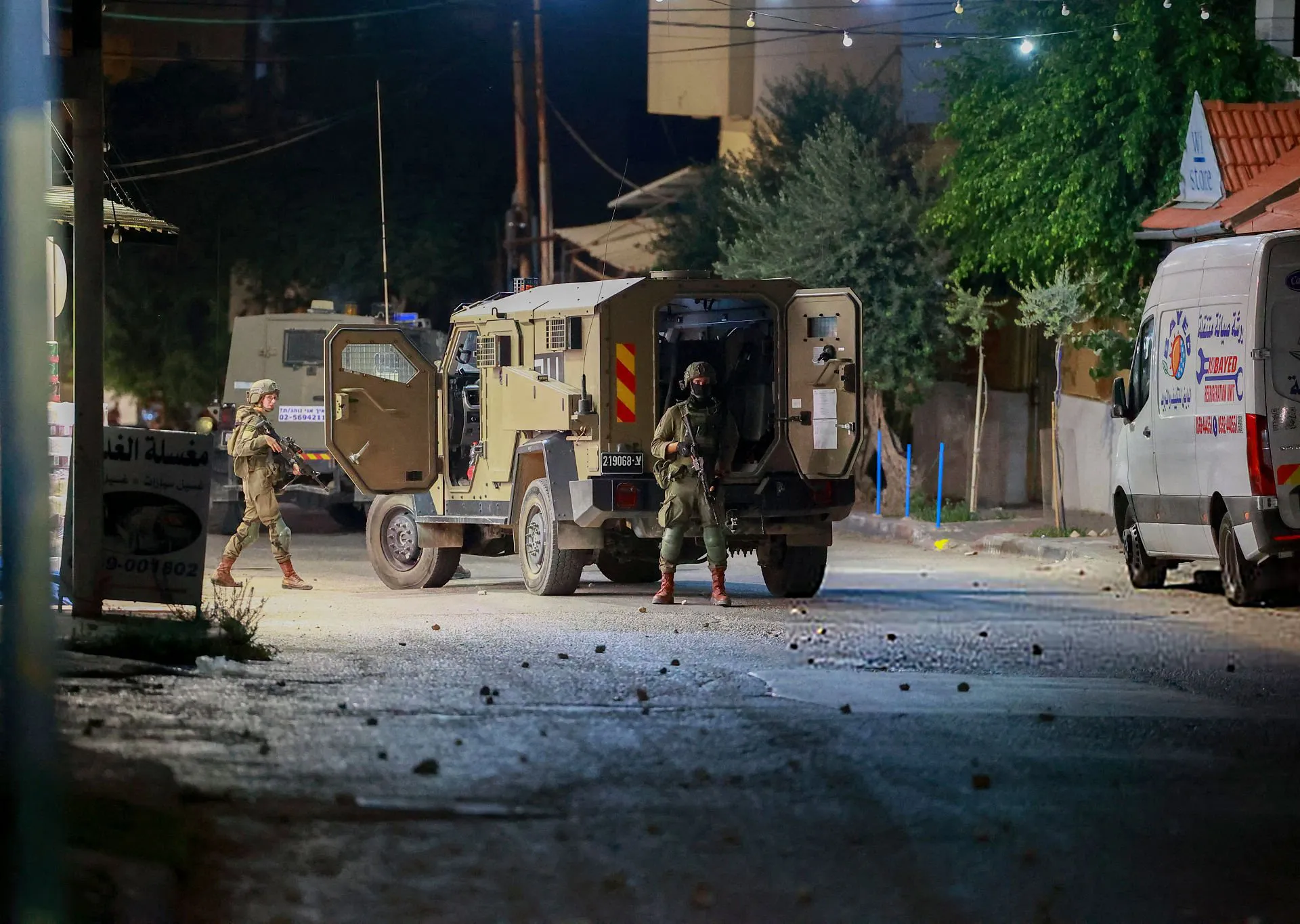
On the ground, the occupation authorities exploited the world's preoccupation with the Gaza war to intensify settlement in the West Bank, where 58,000 dunams were seized and 350 new settlement outposts were established on an area estimated at 800,000 dunams. Observers believe that these moves aim to impose a new demographic and geographical reality that ends any chance of establishing a geographically contiguous Palestinian state, turning cities into isolated enclaves.
In a reading of the future, political experts believe that the most likely scenario is the continuation of the gradual weakening of the Authority without allowing its complete collapse, transforming it into an entity that only manages population affairs. In contrast, voices emerge calling for the necessity of launching serious internal reconciliation leading to democratic elections, considering that preserving the Authority's entity remains a national achievement that cannot be relinquished despite all observations.
On the other hand, academics propose an alternative scenario represented by reactivating the Palestine Liberation Organization as a comprehensive and inclusive umbrella for all forces and factions, away from the restrictions of Oslo. This approach is based on adopting a rational resistance discourse that integrates diplomatic and international legal work with popular action on the ground, drawing inspiration from historical experiences in which the organization was able to gain international recognition under very complex circumstances.
The most realistic scenario is the continuation of the status quo with the deepening gradual weakening of the Authority without complete collapse.
شارك برأيك
Three Paths for the Future of the Palestinian Authority Amid an Unprecedented Existential Crisis