







Washington – Said Arikat – 20/2/2026
News Analysis
The first meeting of what was called the "Peace Council," launched by US President Donald Trump, raised more questions than it provided answers, both in terms of form and content. The initiative, promoted as a new international platform to support stability, especially in Gaza, began amidst striking institutional ambiguity: no specific executive mechanism, no clear timeline, and no administrative structure to show how financial pledges would be managed or their expenditure monitored. The announcement of allocating ten billion dollars for reconstruction seemed enormous in terms of the figure, but it remained closer to a symbolic political pledge in the absence of a detailed plan specifying the supervising bodies, disbursement criteria, and oversight and accountability tools. Thus, the Council so far appears closer to a platform for declaring intentions than to a binding framework.
This impression was reinforced by the size and quality of international participation. Out of dozens of invitations, attendance was limited to about a third of the number, with reserved or low European representation. This hesitation reflected European fear that the Council might turn into a parallel track that bypasses the multilateral system, primarily the United Nations. Reservations were not limited to European capitals; Pope Leo XIV of the Vatican expressed his reservation "due to the nature of the Council," a reference understood as concern about creating a new framework that might compete with existing international authorities in crisis management. Here, the question of legitimacy arises: Does the Council seek to integrate with the international system, or to reshape it according to a selective approach led by Washington?
Palestine and the Palestinian issue were touched upon briefly during the meeting, more as a humanitarian item within a crowded agenda, rather than a central political issue requiring comprehensive treatment. Significant Palestinian political representation was absent, in contrast to very limited technical presence, represented by the presence of Ali Shaath, head of the new Palestinian Technocrat Committee, at the meeting without mention by the host or participants, which weakened the initiative's image in the Arab street and raised questions about the Palestinian Authority's position in any future arrangements concerning Gaza. The focus on relief and reconstruction, without a clear approach to political rights and self-determination, reproduced a pattern of crisis management instead of resolution, and kept the core of the conflict outside the scope of actual treatment.
However, the most sensitive question concerns the extent to which countries that have announced financial pledges, including the United States itself, will fulfill their promises. Previous experiences in support and reconstruction conferences have shown that the gap between announced pledges and actually transferred funds can be wide, and often linked to political or security conditions that change with shifting priorities. In the American case specifically, any financial commitments remain hostage to internal considerations, from congressional approval to changing political moods, as well as being linked to the behavior of local and regional parties. As for other countries, they may view pledges as immediate diplomatic messages rather than binding contractual obligations, which raises serious doubts about the actual amount of money that will be disbursed, the timing of its disbursement, and the parties that will benefit from it.
This doubt is not limited to financial capacity but extends to political will. Will the pledges remain if de-escalation falters? And will they be used as a pressure tool to re-engineer the political landscape in Gaza? The absence of a clear mechanism for obligation and accountability makes it difficult to distinguish between sustainable humanitarian support and conditionally time-bound aid. Moreover, the lack of a regulatory legal framework for pledges opens the door for their reinterpretation or freezing whenever calculations change.
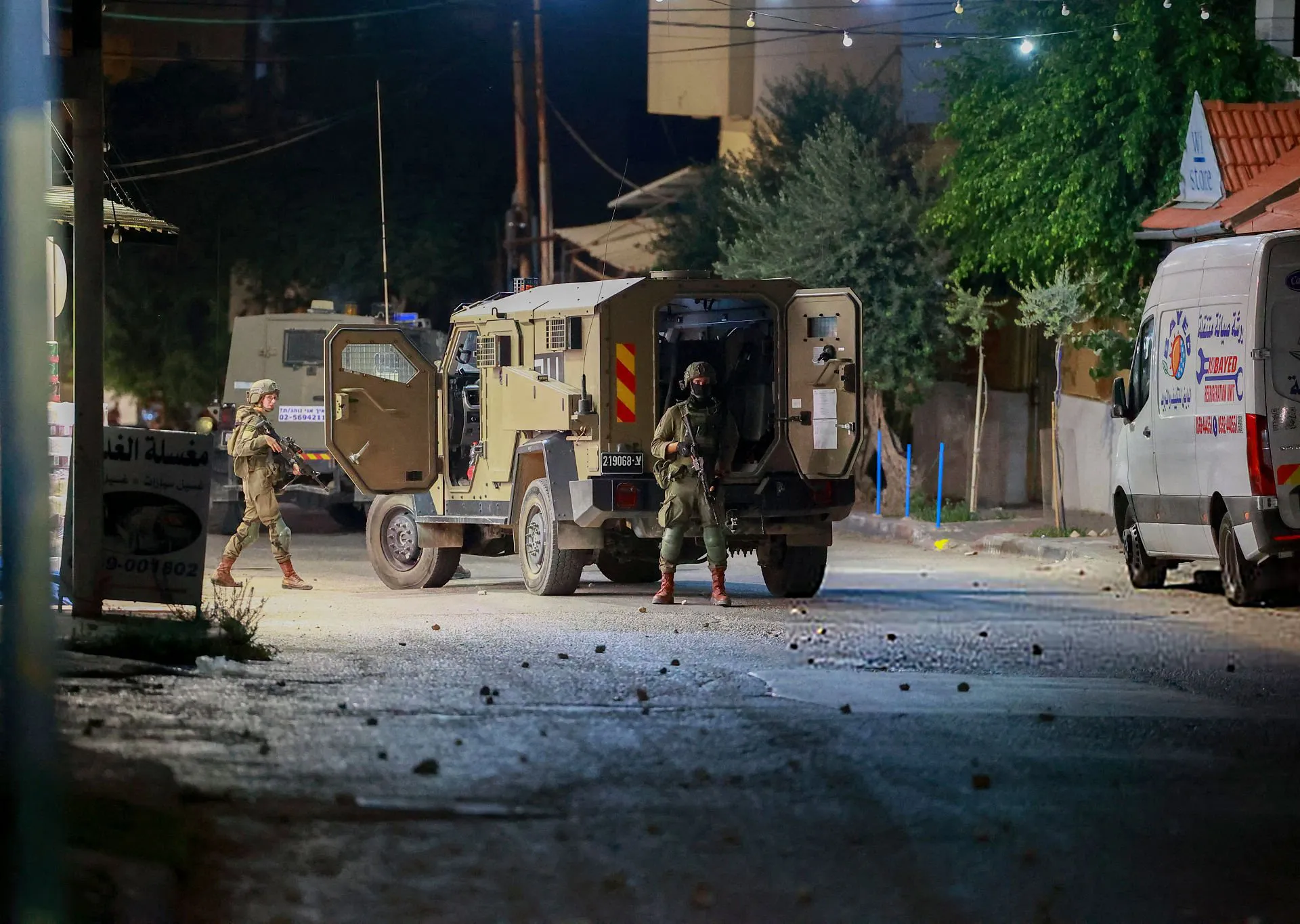
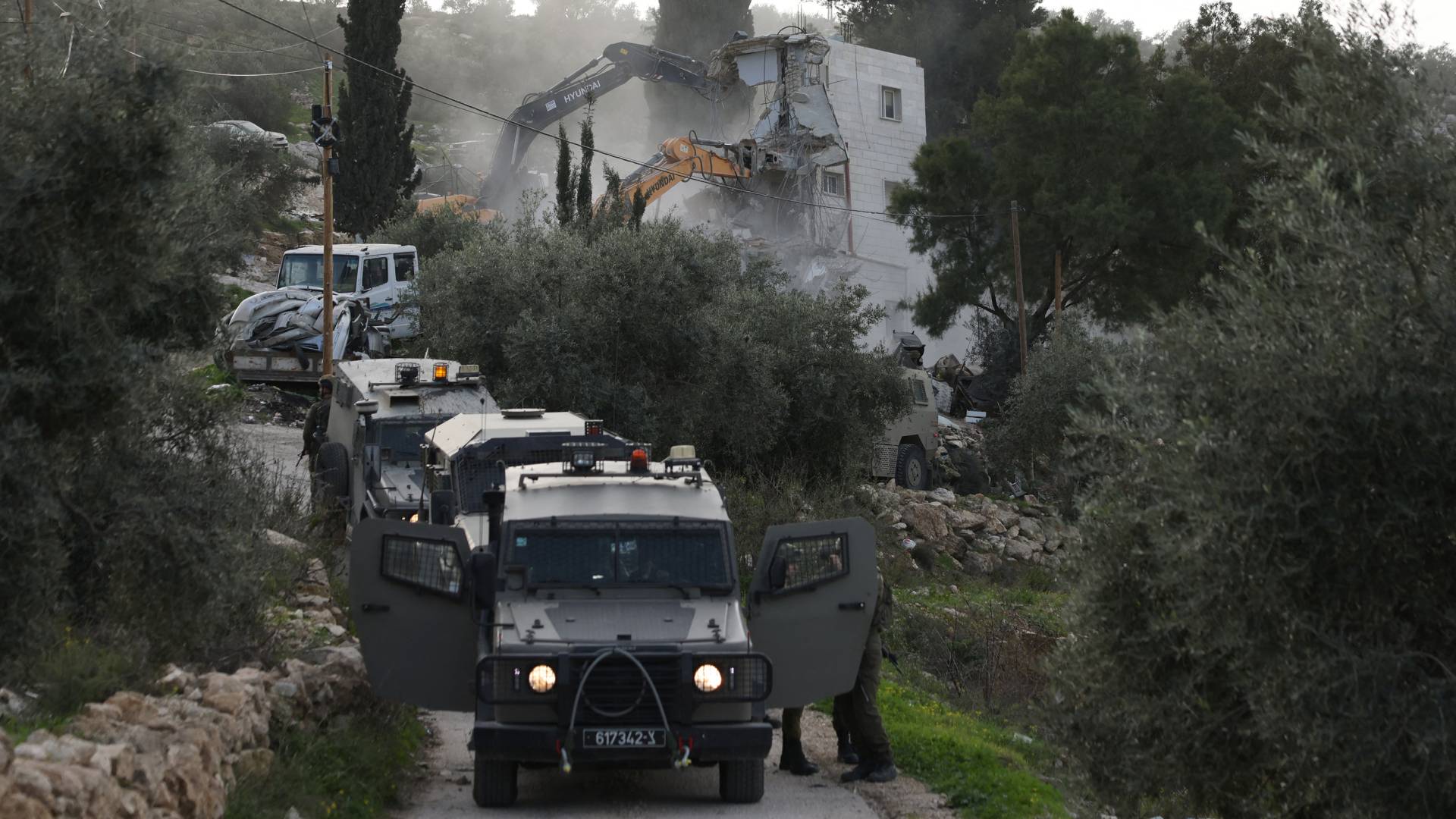
In contrast, Israel continues its intransigence regarding the future of Gaza and Hamas's weapons, and treats any de-escalation as reviewable security arrangements. Thus, a ceasefire, if achieved, becomes fragile and prone to relapse, while any subsequent phase of reconstruction remains hostage to security calculations that have not fundamentally changed. Amidst the continued settlement expansion in the West Bank, any approach that separates reconstruction from the political track appears vulnerable to accusations of entrenching a long-term transitional reality, not a final settlement.
In the Arab context, the Arab League finds itself facing an additional test. The initiative in its current form raises questions about its position in any arrangements concerning Gaza and the Palestinian issue in general. The absence of a clear coordination framework between the new Council and regional and international institutions deepens the impression that a path is intended to be formed outside known channels. For Arab countries that fear marginalization of the Palestinian national dimension, the ambiguity in the mechanism, timeline, and administration—in addition to doubts about the implementation of pledges—is not a technical detail, but an indicator of the potential for financial support to turn into a tool for crisis management rather than resolution.
In conclusion, the "Peace Council" stands at a crossroads between being a genuine platform for mobilizing sustainable political and financial resources, or merely a grand political declaration with high expectations and low guarantees. While financial pledges remain the focus of attention, the criterion for seriousness will not be in the size of the announced figures, but in the extent to which they are converted into actual, transparent commitments, within a clear political vision that addresses the roots of the conflict.
شارك برأيك
Trump's Council After Its Inauguration: Financial Pledges Without Guarantees, and an Ambiguous Platform for Crisis Management