







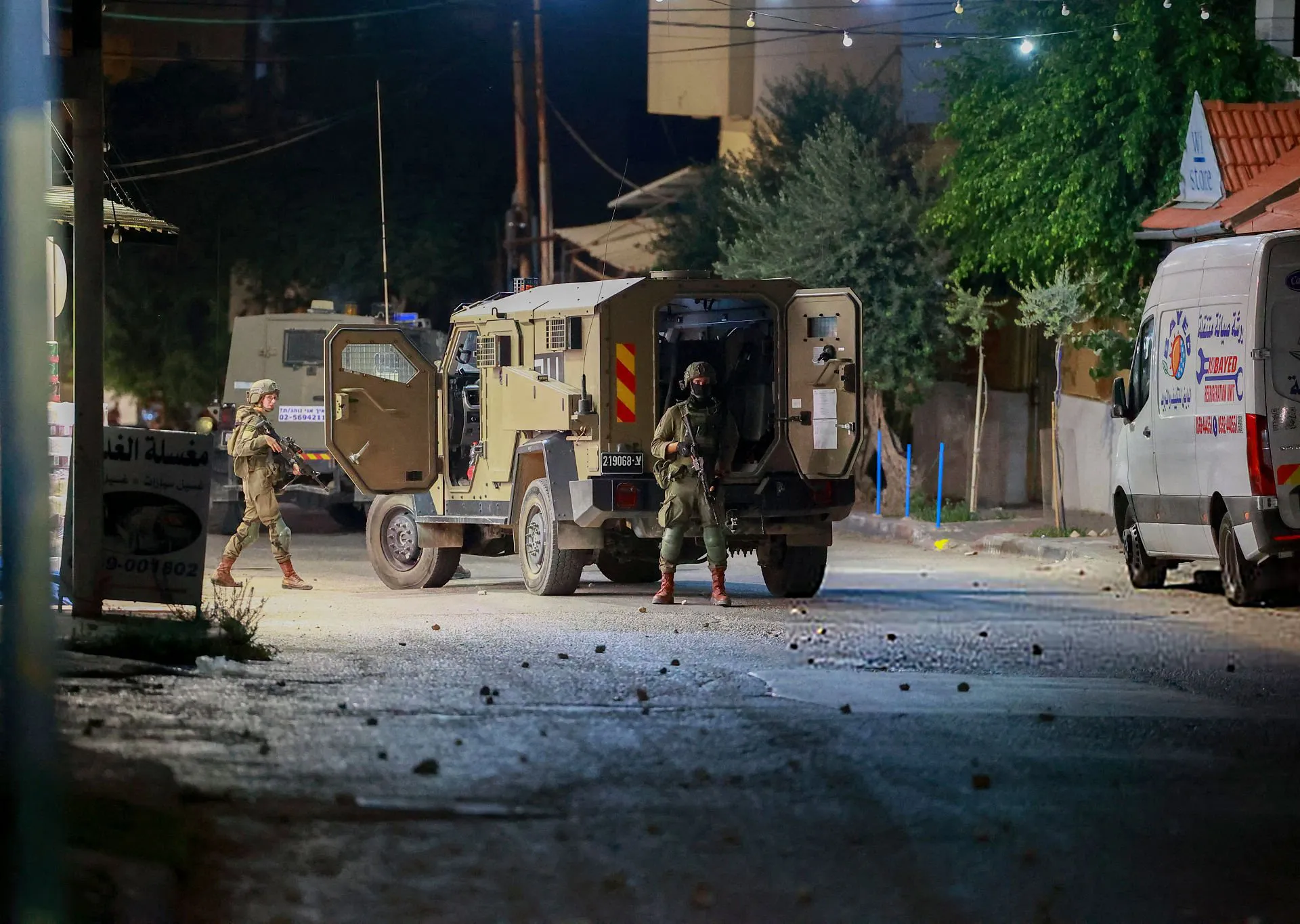
With a full year having passed since the continuous Israeli aggression in the Tulkarm refugee camp in the northern occupied West Bank, unprecedented humanitarian, economic, and human rights dimensions are unfolding. The military operation, which began on January 27, 2025, has resulted in one of the largest waves of forced displacement within the West Bank in years, turning the camps into disaster-stricken areas.
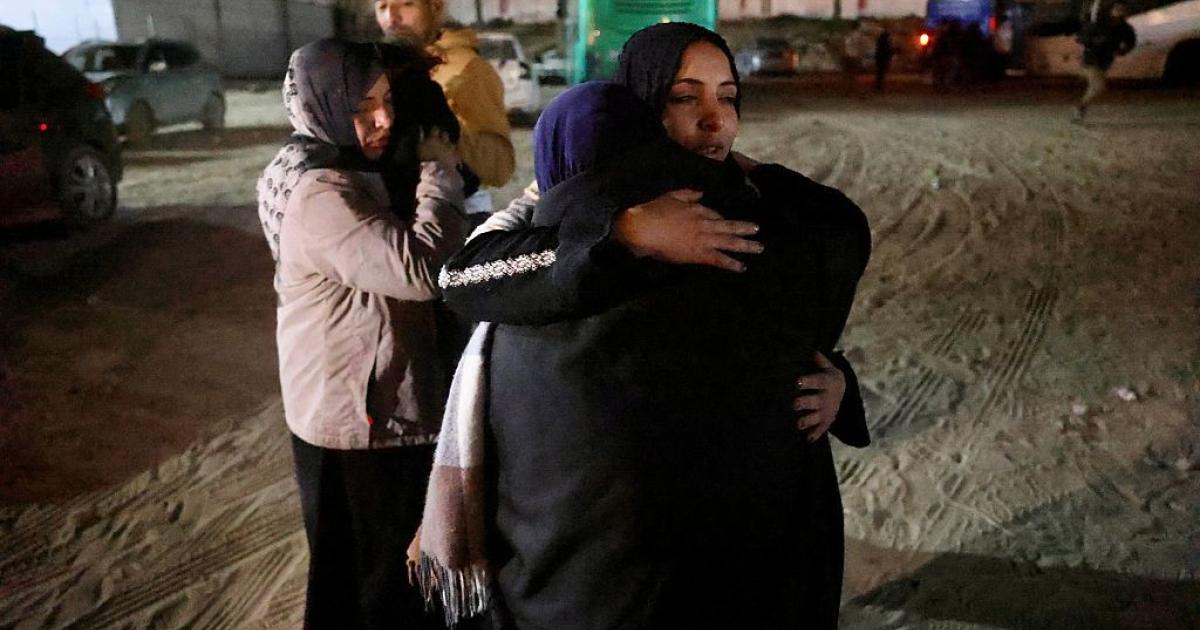
Faisal Salameh, Deputy Governor of Tulkarm, reported that the aggression led to the displacement of about 25,000 refugees from the Tulkarm and Nur Shams camps, who were forced to leave their homes under the weight of incursions and infrastructure destruction. Salameh explained that families initially sought refuge in schools and mosques, before many were forced to rent housing in the city's suburbs amidst suffocating financial burdens and a lack of income sources.
Tulkarm camp is considered the second most densely populated refugee camp, with about 25,000 refugees residing there and in the adjacent Nur Shams camp. Since January 21, 2025, Israeli operations have transformed these areas into what resembles "ghost towns," with more than 50,000 Palestinians displaced across the West Bank and 2,300 others arrested during this period.
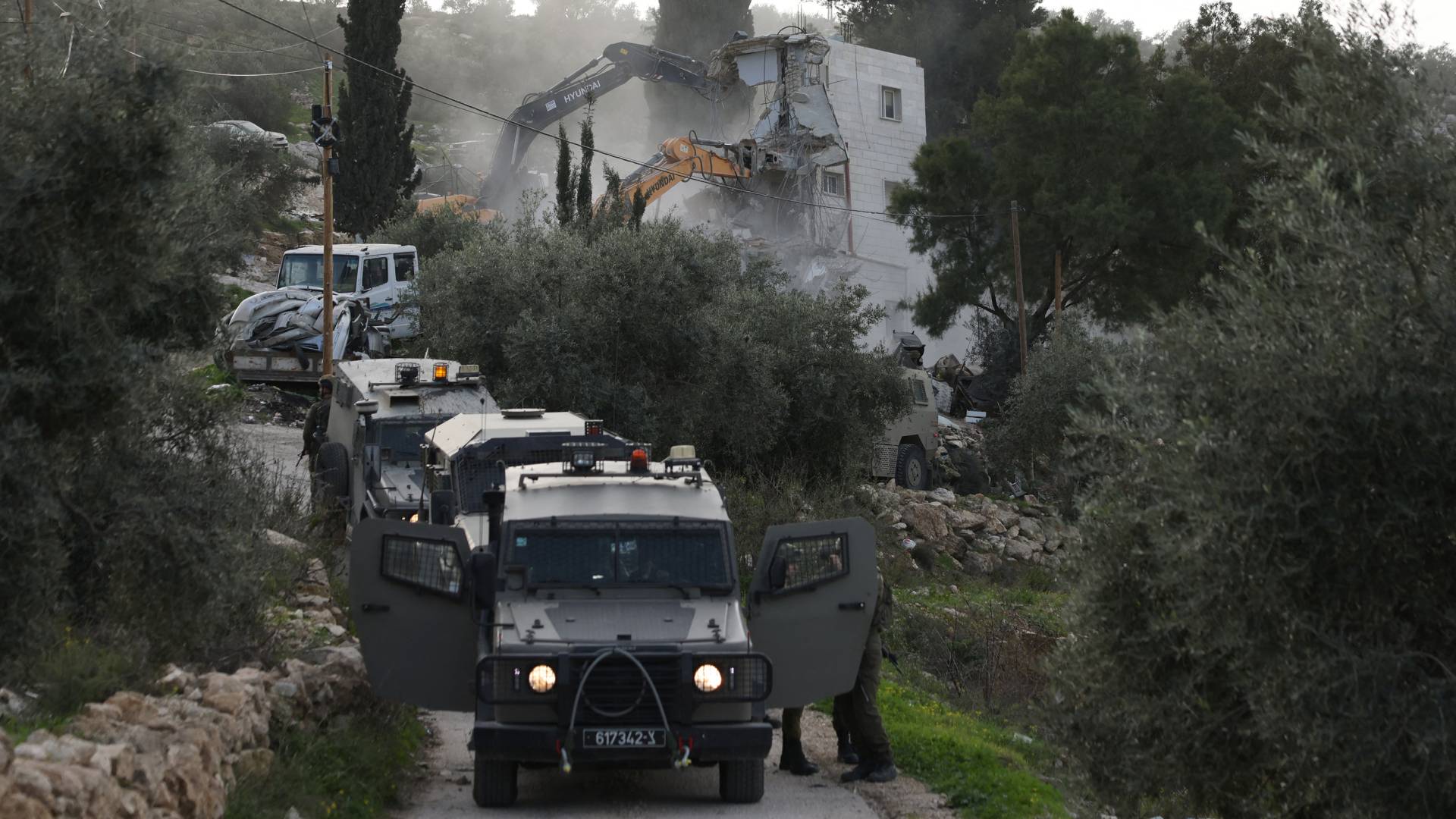
Salameh indicated that the occupation completely destroyed 2,000 housing units, meaning the displacement of 2,000 families, as buildings in the camp include several floors inhabited by extended families. About 4,000 other housing units were partially damaged, including wall vandalism, destruction of electrical appliances, and destruction of internal water and electricity networks, rendering them uninhabitable without comprehensive maintenance.
Economically, military operations caused the destruction and damage of about a thousand commercial shops, which constituted the economic backbone of the two camps. Local committees also documented the destruction of about 800 vehicles belonging to residents, which were used as essential work tools, leading to a complete paralysis in the lives of families and their livelihoods.
Regarding infrastructure, sources confirmed that water, sewage, electricity, and communication networks were completely destroyed, with sewage water now flowing inside the remaining homes. Salameh held the international community and UNRWA legally responsible for aiding the refugees, emphasizing that the scale of destruction exceeds the capabilities of the Palestinian Authority and local entities.
Salameh considered the targeting of the camps a political scheme to erase the symbolism of the Nakba and liquidate the refugee issue by changing the demographic reality and reducing population density under security pretexts. He concluded by emphasizing the refugees' adherence to the right of return according to UN Resolution 194, calling for urgent international intervention to stop forced displacement and ensure reconstruction.
What is happening falls within a political and security scheme aimed at erasing the camps as a symbol of the Nakba, canceling refugee status, and integrating the camps into cities.
شارك برأيك
A year of aggression: Displacement of 25,000 Palestinians and destruction of thousands of homes in Tulkarm and Nur Shams camps