






Despite the return of all Israeli prisoners and the nearing conclusion of the remains of the dead, as time passes, the euphoria of the occupation fades, and it awakens to the existing reality, as he describes it, which is that Hamas still controls Gaza, and American intervention prevents the occupying state from collapsing, placing them in a situation that reminds them of Lebanon, with a steady presence of the Israeli army in Gaza that could turn into a war of attrition.
Menachem Horowitz, a writer for Channel 12, confirmed that "after a month of signing the agreement with Hamas to end the war and the hostage deal, it seems we have become smarter, and we understand where this whole thing is heading. It somewhat resembles the situation with Hezbollah in the north, as the army strengthens its grip on the ground, mostly maintains the ceasefire, and sometimes acts on a case-by-case basis."
He added in an article translated by "Arabi21" that "the fleeting euphoria that prevailed on the day of the hostages' return, Trump's visit to the Knesset, and the potential visit of the Prime Minister to attend the Sharm El-Sheikh summit, along with the arrival of the Indonesian president to Israel, both of which ultimately did not happen, has been replaced by the realization that we apparently are not rushing towards a new Middle East, and that regional peace is not on the horizon."
He clarified that "the military base that Israel has become known for over the past month is not affiliated with the army at all, but is located in Kiryat Gat, hosting American soldiers, and soon also soldiers from the multinational force that will arrive in Gaza, although after Trump, the Vice President and Secretary of State arrived, then the American Chief of Staff to closely follow the important project for the United States in its new foreign policy, where Trump feels the necessity of its success, and Israel has been chosen to be a model in achieving American aspirations."
Horowitz pointed out that "the situation seems strange, and not always pleasant, but if we remember that Trump helped Israel a lot in the attack on Iran, whether through direct attack or as a defensive umbrella, and thanks to him, twenty hostages returned home alive, and he is keen to provide us with the necessary weapons, this may be a price worth paying, and the current meaning of unprecedented deep American intervention is that we currently do not have the capability to launch a large-scale attack on Hamas in Gaza, and for that to happen, we have to change the Americans' minds, or breach the rules and act contrary to our agreement with them, and both scenarios are very unlikely."
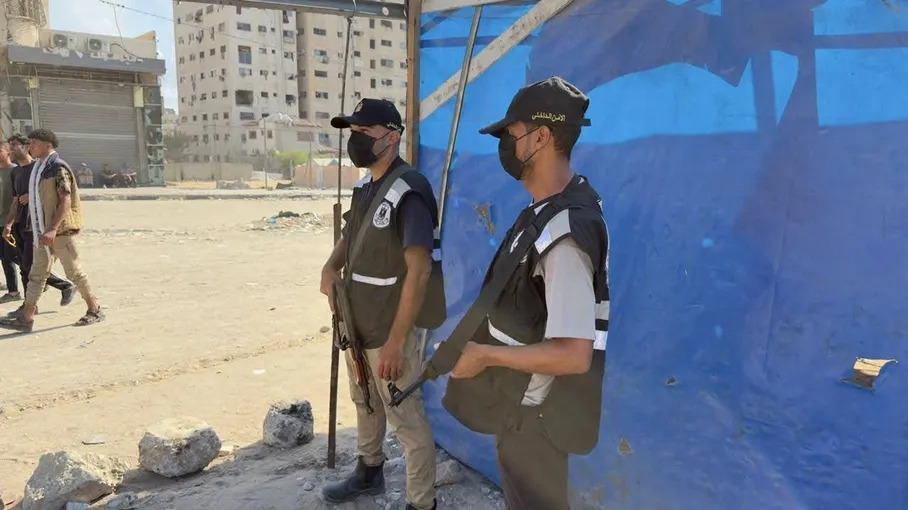
He confirmed that "Hamas is keen to shake hands with the Americans in every incident where army soldiers are attacked, but it is clear that everything that was agreed upon with them is suspended, and although it is not yet clear, we have realized after a month of signing the agreement that Hamas is still alive and controls the Gaza Strip, even with several local gangs opposing its rule. Does anyone think that after the end of the phase of returning the dead hostages, the movement will simply move on and leave others to manage affairs in Gaza?"
The writer noted that "Trump's threats to destroy Hamas seem somewhat empty, as Trump avoids sending American forces to conflict areas as much as possible, and he certainly would not be happy about entering another front. Let us remember that this is the same Trump whose envoys negotiated directly with Hamas leaders, who survived two years of war that almost completely destroyed Gaza, with Palestinian casualties reaching astronomical numbers, and nearly all senior leaders of the movement were eliminated, yet it still exists."
He explained that "objectively, this could be considered an unprecedented Israeli success, akin to the fatal blow received by Hezbollah and Iran. Although we have been told for many months that Hamas is losing its grip and is on the verge of disintegration, and that a little pressure will cause it to collapse, we discover that the picture is completely different, reminding us somewhat of images of the hungry in the Gaza Strip at the peak of the humanitarian crisis, which completely disappeared from the images coming from the Strip immediately after the signing of the agreement, and today we can indeed see the residents of Gaza celebrating in candy stores with new iPhones."
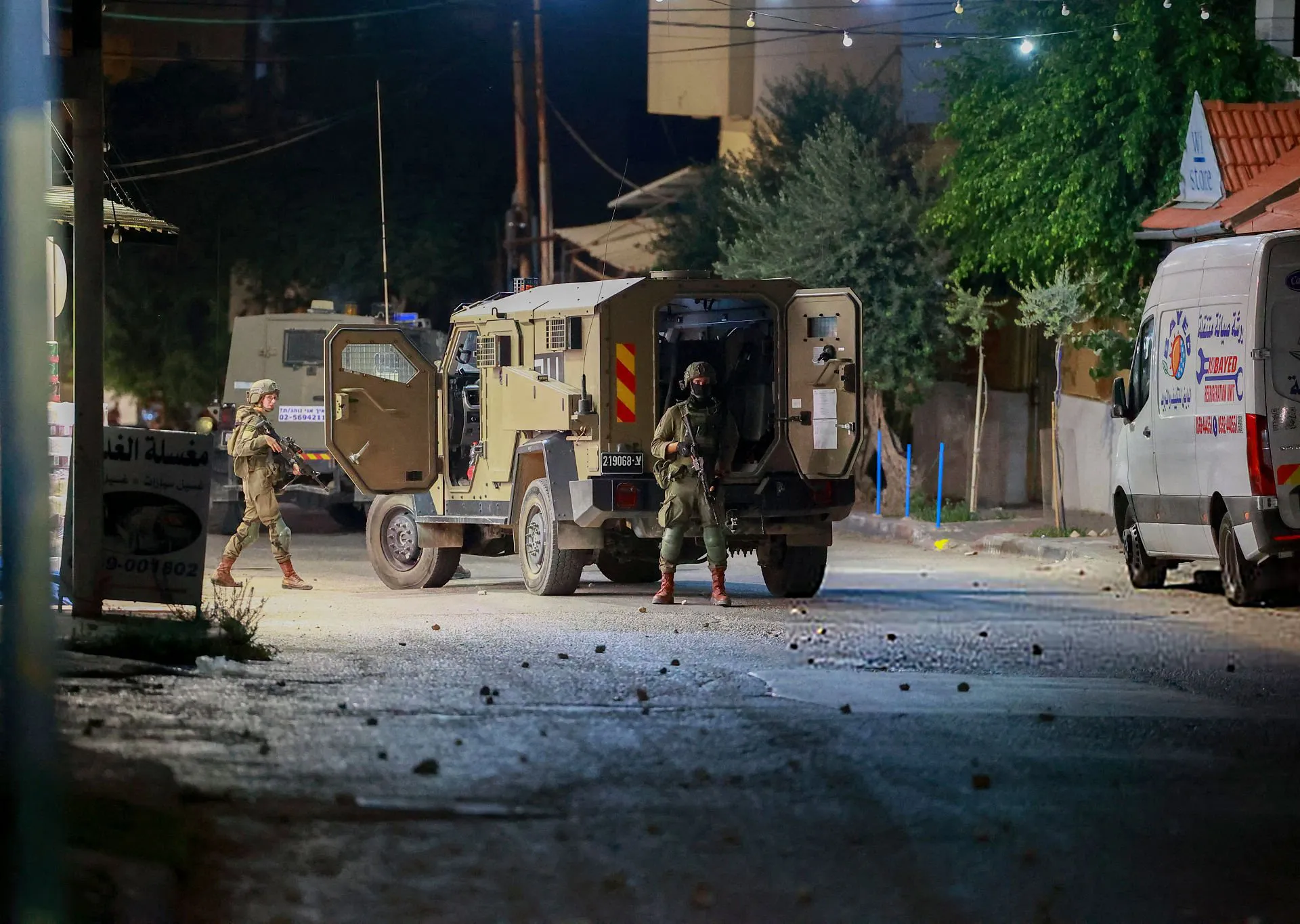
He admitted by saying that "we are facing a problem forming before our eyes, and it will be difficult for us to get out of it. We are now in a situation that reminds us of the eighties and nineties in Lebanon: the army is present there, but not fully, and the soldiers are mostly in a state of stagnation, so perhaps describing them as 'ducks in a shooting range' is somewhat exaggerated, but considering Hamas's capabilities and Washington's impatience, we may face a long war of attrition,

شارك برأيك
Israeli admission: The ceasefire agreement is in favor of Hamas despite the strikes it received.