






Abu Rami Al-Astal sits in front of his tent in the Mawasi area of Khan Younis, south of the Gaza Strip, with tears in his eyes that tell the story of twenty years immersed in a love for agriculture and the land, but the Israeli war on the Strip has consumed everything he owns.
Al-Astal quickly began to recount his story until his tears betrayed him, then he wiped them with his hands and said: "I have been practicing agriculture for 20 years; I used to work as a farmer for the owners of agricultural nurseries in the liberated lands of Rafah and Khan Younis."
He added: "I wake up from 6 AM until 12 PM, I uproot vegetables, fruits, and citrus, and distribute them to shop owners to sell in the markets."
Al-Astal's memory began to recall those days that, according to him, will never return, as he recounts with a smile overshadowed by regret: "I used to work for 5 shekels an hour, and by the end of my day, I would earn thirty shekels, which I would use to buy everything for the house, from vegetables and fruits to a main meal I would eat with my six children," describing it as: "The world was good, and agriculture was abundant."
He claps his hands together and says: "Now my whole life has turned upside down; I lost my job, and my only concern after being displaced from my home is finding a tent to shelter my family," he adds with a defeated look: "I can't meet my children's needs; our whole life is canned food."
Before the ceasefire, vegetables were a dream for every Gazan household, and anyone who ate them was considered wealthy. Al-Astal continues: "Sometimes I work as a laborer, and at the end of my day, I take a tomato from what I grow for my children."
He describes that moment with a joyful expression: "I felt at that time that I owned the world and everything in it, for a tomato was a precious thing that people craved."
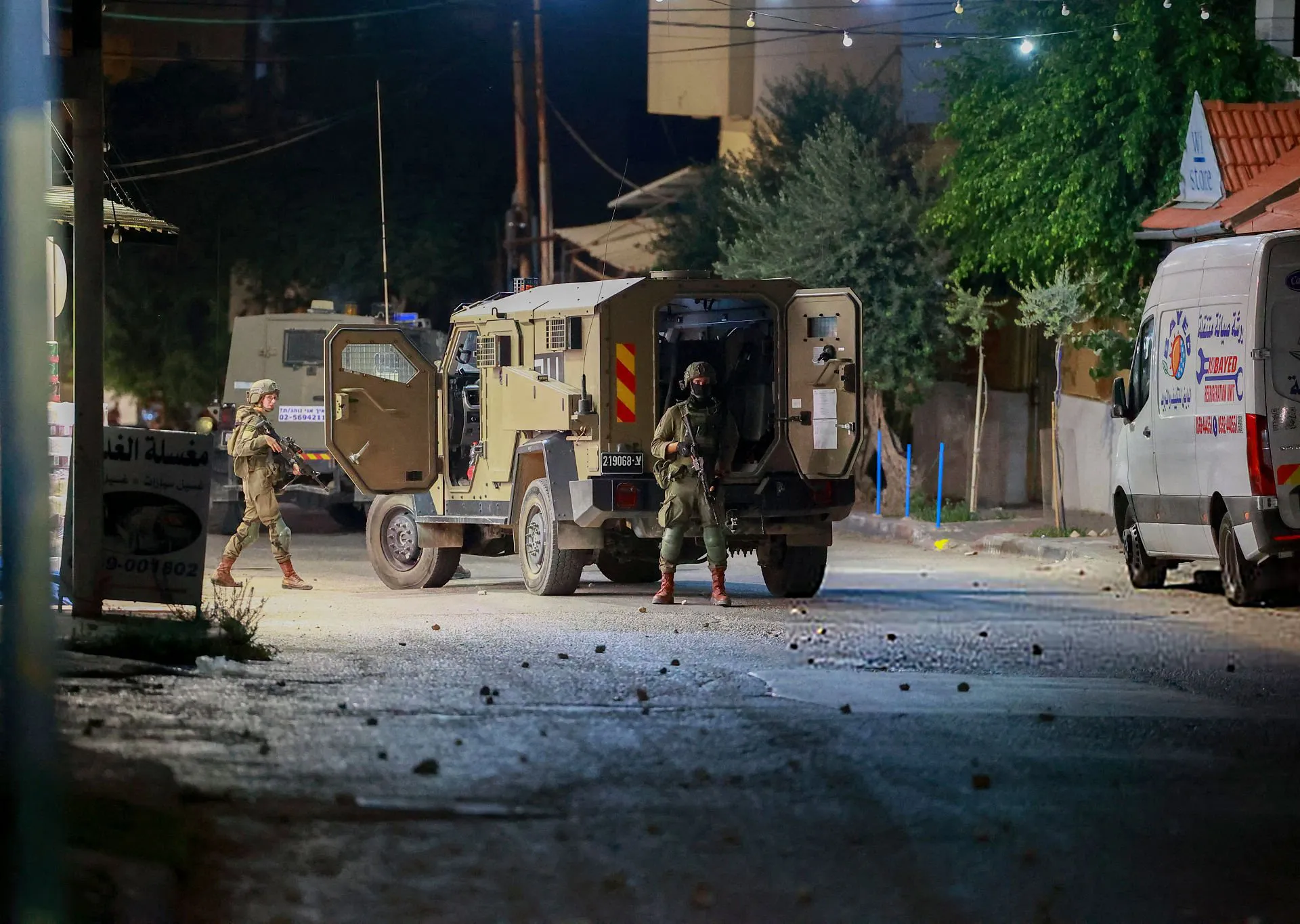
Despite the temporary truce, the Israeli army still controls all agricultural lands, whether in the northern and eastern areas of Gaza City or the eastern regions of the southern and central Strip.
A sadness overshadowed Al-Astal's voice as he said: "They left us no land to cultivate; even the empty areas have now become camps for the displaced," noting that the empty lands are very few and small and are not sufficient for agriculture or to meet the needs of the population.
After two years of war, the situation for farmers has become extremely difficult, as they have no land left to own or even a source of livelihood to support their families.
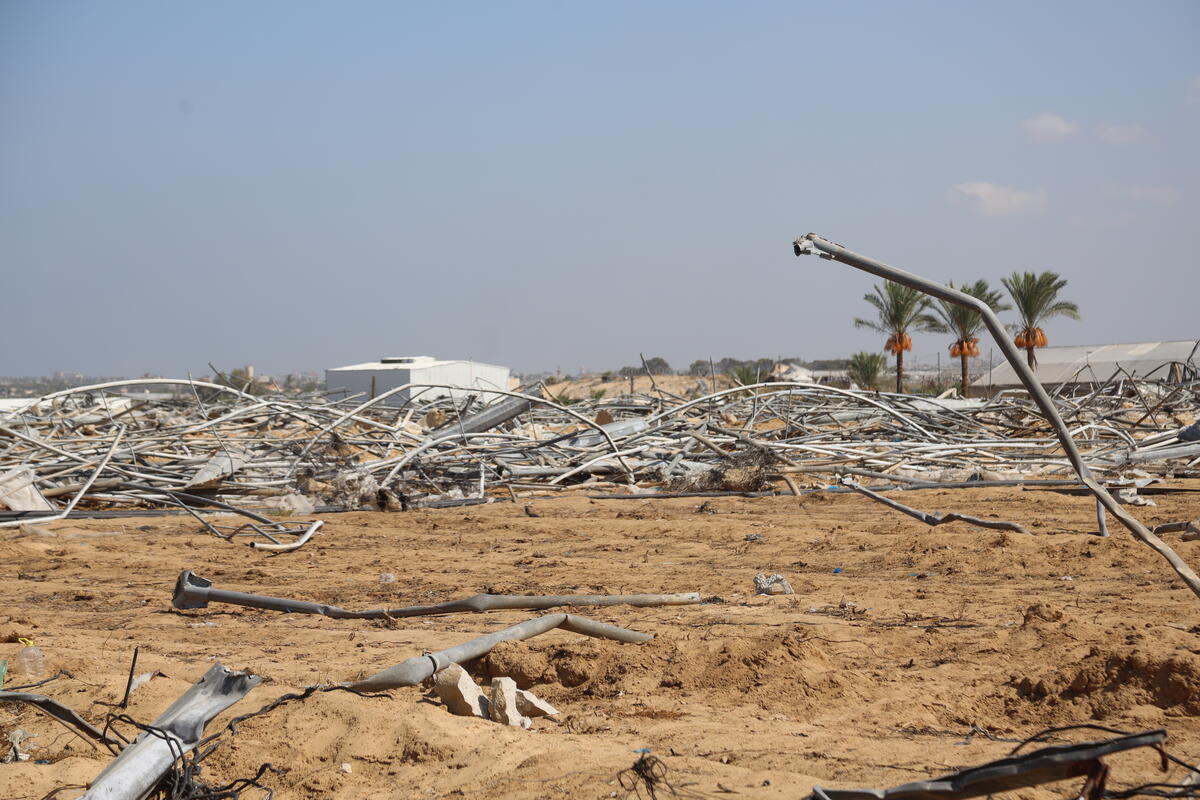
Farmer Ahmed Abu Halima (45 years old) is one of those farmers who owned the largest agricultural nurseries in the northern Strip and used to export to the entire region and to the occupied interior.
He looks around, contemplating the situation he has reached after being forced by the occupation army to flee south and live in a tent, saying: "I used to own 45 dunams in my beloved city Beit Lahia, where I grew everything that Gaza is famous for, whether strawberries, olives, vegetables, or various fruits."
Not only that, but Abu Halima was the main source relied upon by farmers for growing the essential "mother" seedlings. Regret overtook his voice as he recounted: "I used to produce thousands of tons of fruits and vegetables daily, not to mention selling hanging and ground strawberries, palm trees, and ornamental plants."
When the war ignited, it burned all harvest seasons for two full years, as vegetables and fruits disappeared entirely from the Strip, and its residents longed to catch a glimpse of at least one type in the markets.
Abu Halima recounts his tragedy of losing his only source of livelihood: "From the first day of the war, Israeli tanks bulldozed all private nurseries and took control of that entire area," he adds, tears streaming down his cheeks: "I have no land, no nurseries, and no financial resources to support me in the future."
It is not only worries that have burdened Abu Halima, but also the accumulated debts that have left him lacking a life he never imagined he would wish for.
He held back his tears behind his sad voice, adding: "Everything I own was stolen by the occupation, and the fruits of my years of hard work have gone to waste, with my losses estimated at three million dollars."
Currently, farmers lack suitable soil for cultivation, especially after toxins have penetrated it due to the occupation's bombardment of the lands, in

شارك برأيك
Israel has destroyed 98% of the agricultural sector.. "The fire of war" consumes agricultural nurseries and deprives farmers of their livelihoods.