






The conflict in Gaza following the Al-Aqsa Flood operation on October 7, 2023, and the genocide that followed, has been described as a catastrophe that tore through time, transporting the world before Gaza into another era.
The war served as a critical mirror, revealing the deep moral failure of the international community, leading many observers to conclude that the rules-based international order established after World War II in 1945 is in the process of disintegration or collapse.
In the context of this fragmentation, the role of some Global South countries has emerged as an increasingly influential force, exploiting widespread anger over the destruction in Gaza, aiming to reshape global governance, challenge Western hegemony, and radically alter the geopolitical relationship between the North and the South.
The Global South is now viewed as a decisive and increasingly influential force in pushing for a reevaluation of international law and governance structures, driven by the notable hypocrisy and complicity of traditional Western powers in ongoing atrocities.
This shift indicates not merely a temporary movement but may signal the beginning of a new geopolitical era.
The Gaza war has galvanized some Global South countries to collective action, emphasizing a moral and legal leadership that sharply contrasts with the notable inaction or explicit complicity from the West.
For many nations, Palestine has become a symbolic embodiment of resistance against Western hypocrisy and the oppressive colonial system.
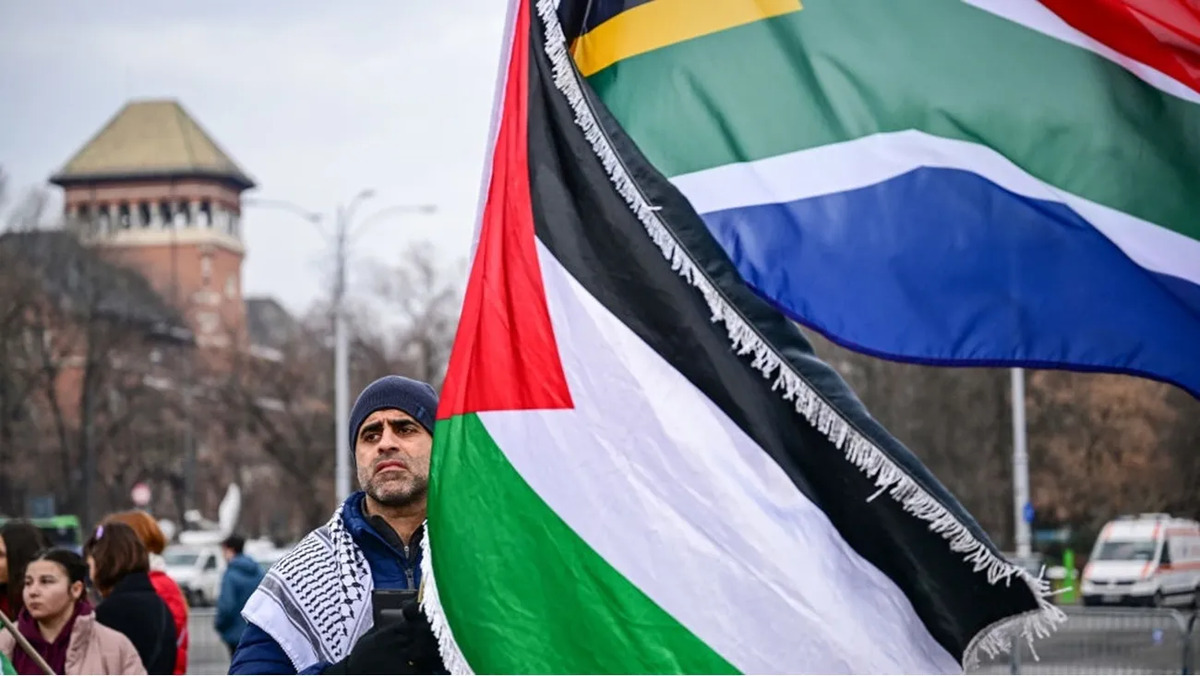
The most prominent example of the new assertions from the Global South is the genocide case brought by South Africa against Israel at the International Court of Justice in December 2023.
South Africa, leveraging its moral authority derived from overcoming apartheid, explicitly linked Israel's actions to a 75-year history of what it termed "apartheid" against Palestinians.
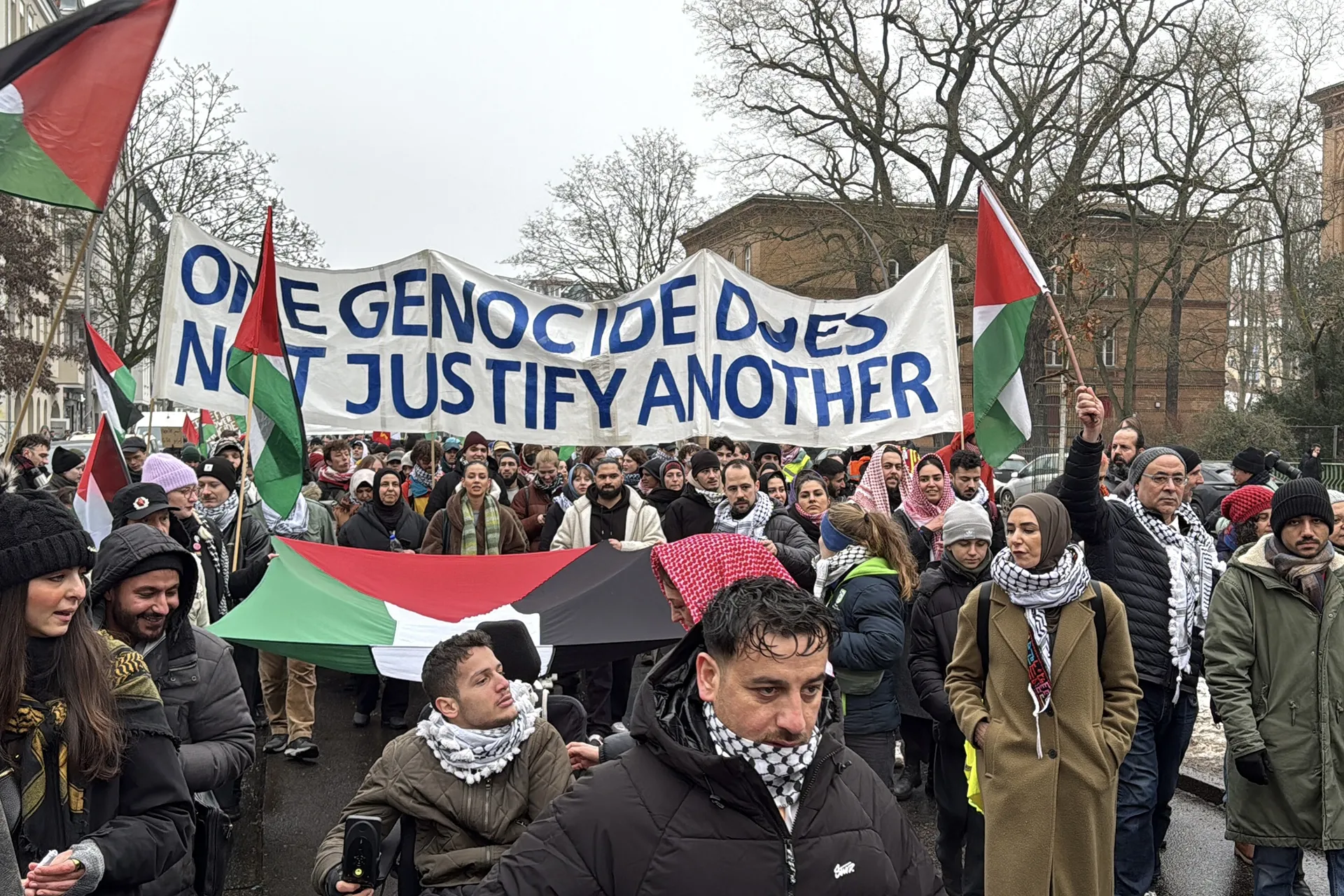
The South African Minister of Justice clearly stated that no attack, regardless of its severity, can justify the violence that follows.
This action, taken in the face of extreme Western hostility, provided a framework for legal accountability that has been embraced by many Global South countries.
At least twelve other countries from the Global South later announced their intention to intervene in the International Court of Justice case, indicating widespread international support and signaling a shift towards challenging the West's tolerance of presumed impunity.
Furthermore, leaders such as Brazilian President Luiz Inácio Lula da Silva actively spoke out, comparing the war in Gaza to the Nazi Holocaust, asserting that the conflict was, in fact, genocide.
These actions demonstrate that the Global South is increasingly leading efforts to hold powerful actors accountable, especially concerning crimes against humanity and genocide.
The Global South has also leveraged its economic and diplomatic influence to express its stance.
The radical shift in global public opinion and within the Arab world and Global South has forced some countries to slow down or halt normalization efforts with Israel.
The war compelled Riyadh to stop its normalization trajectory, which had been the bare minimum under the occupation project.
Similarly, the war disrupted regional economic initiatives, such as the India-Middle East-Europe Economic Corridor (IMEC), due to rising tensions and instability caused by the conflict.
The Hague Group, an unprecedented international coalition of countries often described as part of the "Global South," was established to support the State of Palestine and work towards ending the Israeli occupation and holding Israel accountable for its violations of international law.
The significance of the Hague Group lies in its representation of a qualitative shift in the Global South's efforts to enforce international law, particularly in the face of what it perceives as inaction or support from major Western countries for Israel.
Moreover, massive cross-border boycott efforts have emerged, manifested in the rapid spread of movements targeting companies perceived to support Israel.
Boycott campaigns have resulted in significant financial losses for global brands, illustrating the collective power of the Global South when mobilized through widespread public anger and a shared sense of injustice.
The Gaza war has not only changed the immediate actions taken by the Global South; it has also laid the groundwork for a restructured and potentially more powerful future role focused on reforming international justice and addressing a new and assertive multipolar world.
The Global South is actively campaigning for comprehensive reform of international justice mechanisms, viewing existing global governance structures and institutions, such as the United Nations and the International Criminal Court, as having been undermined and rendered ineffective due to the selective application of international law by Western states.
The goal is to shift from "victor's justice" to "victim's justice," where the victor is the West and the victim is the South.
This entails enhancing representation and a louder voice for the Global South in global forums, ensuring that the enforcement of international law is not influenced by geopolitical interests or historical biases.
This movement seeks to expedite decisions
شارك برأيك
The World After Gaza: How the Global South is Reshaping the International System