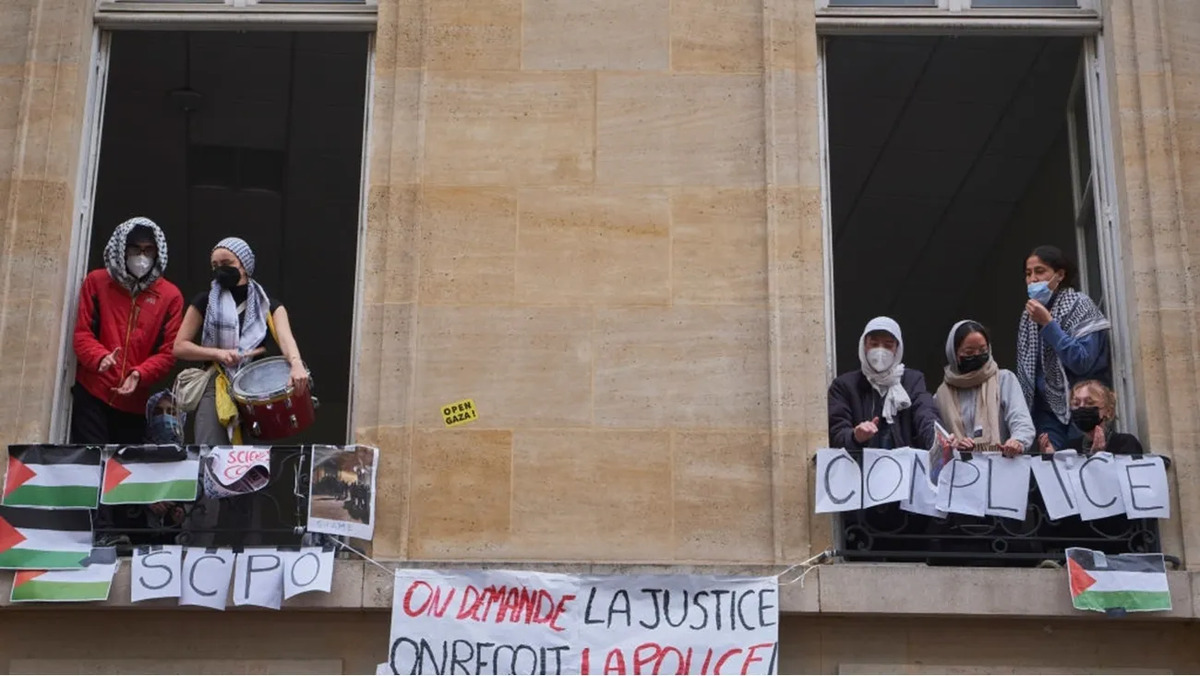







The issue of the silence of Arab regimes regarding the Zionist crimes in Gaza raises many questions about the responsibility of the people in this silence. Some believe that the absence of popular movement is due to the repression practiced by the regimes, making the people appear as pawns without will.
Historically, Arab peoples played an important role in shaping life, having witnessed periods of popular movement that forced the regimes to respond to their demands. But today, there seems to be a gap between the awareness of the people and their ability to influence.
In the 1950s and 1960s, Arab regimes responded to the demands of the people, but over time, the means of repression increased, leading to a decline in popular movement. However, we must ask: Have the people lost their ability to influence?
Social media emerges as a powerful tool in the hands of the masses, but the question remains: Has the Arab people used it effectively to support the issues of the nation? The comparison between the number of followers of trivial content and the number of followers of important issues reveals a decline in public awareness.
Global events, such as the revolutions in Sri Lanka and Bangladesh, record popular successes in confronting corruption and injustice. How can Arab peoples remain silent in the face of the occupation that starves our people in Gaza?
If the regimes possess repressive means, the people also have counter means, but these must be invested correctly. The historical awareness of the people is what enables them to change reality.
In the end, the question remains open: Is the fault in the ruler, the ruled, or in both? The people must reevaluate their role and responsibilities in confronting the occupation.
Does only the official Arab regime possess stronger means than before to influence the people?
شارك برأيك
Are the people complicit in the silence of the regimes regarding the crime in Gaza