OPINIONS

Wed 15 Jan 2025 10:00 am - Jerusalem Time

Prominent American writer: Political power is in Israel's favor, but justice will prevail

Translation for "Alquds" dot com

Translation for "Alquds" dot com

Opinion Writer

American writer Nathan Thrall expressed his pessimism about the Palestinian cause in the near future, explaining that for 7 decades he has only seen an expansion of the Israeli occupation and an expansion in the territories, in contrast to a contraction and shrinkage on the Palestinian side. He expected this to continue, perhaps faster and worse, "but justice will prevail in the end." The writer, who won the Pulitzer Prize for Nonfiction in 2024, added in an interview with Al Jazeera Net that despite the emergence of large sympathy movements in various countries of the world towards the Palestinian cause, "we must not exaggerate in assessing the situation, because in terms of real political power, everything is in Israel's interest now, so if we are optimistic about fundamental change, it is optimism in the long term." Nathan Thrall, an American writer based in Jerusalem, who was hosted by Georgetown University in Qatar, received the award for his groundbreaking work, “A Day in the Life of Abed Salameh,” which tells the tragic story of a school bus accident in Jerusalem carrying Palestinian children, and the many political actions and decisions that affect daily life in Palestine. The international bestseller, translated into more than 20 languages, has received critical acclaim, been selected as a New York Times Book Review Editor’s Choice, and included among the best books of the year by 18 publications. Nathan stressed that through this book, he tried to tell history through the eyes of the characters or their family stories, so there were no separate sections in the book where he provides a history lesson to the reader, but rather everything through the memories and stories of the individual characters as seen from their point of view, so the reader will understand the political side. 


A true story

What inspired you to write this novel "A Day in the Life of Abed Salama: Anatomy of the Jerusalem Tragedy"?

The first thing that inspired me was that I was deeply affected by this true story about a bus accident that had a group of Palestinian kindergarten children on board in the greater Jerusalem area. I saw something very symbolic in this story, as the bus burned for more than 30 minutes before the first Israeli fire truck arrived at the scene. The Palestinians present were trying hard to put out the fire without having the necessary means to do so.

At the same time, the parents were unable to reach their children, unable to cross the checkpoints to look for them in the hospitals to which they were transferred, so I saw in this story something very symbolic and moving. This story allowed me to combine two of my main goals in the first book: the first was to reach people on an emotional level to convey the tragedy of life in Palestine, and the second was to describe the apartheid system. By telling what happened in those 24 hours after the incident, this story can only be told by explaining the system of racist domination that the parents had to navigate.


For me, this story was a way of describing everyday life under occupation, and carefully focusing on something that happens all over the world, like a car accident, but showing what it means to have this ordinary thing happen in a very extraordinary place.


So, is Abed Salama a real person? And how did I choose this character?


Yes, the story is real. This incident happened on February 16, 2012. At first, I decided to write about this incident without meeting Abed. I tried to reach out to everyone who had a direct or indirect connection to the incident: parents, teachers, witnesses, doctors, lawyers, emergency services workers. Early in my research and interviews, a close family friend told me that she had a distant relative who was the father of one of the children on the bus. That friend put me in touch with a less distant relative, who put me in touch with Abed. A day or two later, I was in his living room talking to him and the moment he started telling his story, my eyes filled with tears and I knew this was a story that needed to be told.


We should not exaggerate

The Arab public sees that Europe and America only support Israel, do you think there are movements in Europe that support Palestinian rights? And is this movement increasing?

Yes, I see that and I think this is a very important phenomenon. We are witnessing a clear change, we saw the crowds in London and New York, there is a strong and growing movement in support of Palestinian rights, but we should not exaggerate the situation. In terms of real political power, everything is in Israel's favor now, so if we are optimistic about fundamental change, it is optimism in the long term. These young people in their twenties, those participating in the protests in the universities, may not gain real political influence until after maybe 20 years, so I think this is very important, but we should also not exaggerate the portrayal of the current balance of power, which is completely in Israel's favor.

In Gaza, Sudan and other countries, we have millions of stories like Abed Salama, how can literature deal with all these stories?

I think what literature does is it takes a situation that is full of millions of tragedies, like in Palestine, where people tend to talk in abstractions or think abstractly, so today, when people talk about Gaza, they talk in numbers, 46,000, 47,000, 48,000, and the idea of literature is not to deny the numbers, the numbers are important and we should pay attention to them, but the goal is to really understand what each of these 46,000 cases means, each one of them is definitely a separate story.


I have dedicated my life to working on the Palestinian issue and I worked for 10 years in a leading international organization, the International Crisis Group, and my job was to talk to diplomats and journalists and analysts in think tanks, and I realized that this was a complete waste of time, because when you talk to an elite audience, this audience is only ready to make very small and incremental changes.


But in a situation like Palestine, you need to turn the world upside down, where you need a completely different understanding of what is happening and what needs to be changed, it is not just a matter of making small incremental changes, so this approach was wrong for me. If I really want to see change in Palestine, I have to work at the level of understanding of ordinary people, and this is done through narrative, through storytelling, not trying to convince a high-level politician through analysis, the book focuses on the tragedy of Jerusalem.

Palestinian Shrinkage

How do you balance the personal narrative with the major political issues?

That was the biggest challenge for me in this book, I wanted this book to achieve both, to combine the political and the personal, and the way I decided to ensure that I would only tell history through the eyes of the characters or the stories of their families. So, there were no separate sections in the book where I would give the reader a history lesson, but everything, only through the memories and stories of the individual characters as seen from their point of view and so the reader would understand the political side.

Do you think the book had an impact on the political situation in Jerusalem?

There is such a profound injustice that I don’t think the Palestinians will ever be free in my lifetime, and all I can hope for is to make a mark, to make a small step in the right direction, and so I think this book can do that, and it can change the hearts and minds of those who read it.


What do you see for the future of Jerusalem under these political circumstances?


If we look at what has happened over the past decades in Palestine, we see a continuous process of Israeli expansion and Palestinian contraction into smaller and smaller areas, and this process is accelerating now more than it was in the past, in the year since October 7, Israel has confiscated more Palestinian land in the West Bank than it did in the previous two decades. So if you ask me what I expect for the future, I expect more of the same, but worse, so even if I have a very long-term optimism that justice will prevail, it may not be something that I will live to see, and I have no faith that there will be Palestinian independence, I am really pessimistic.


Source: Al Jazeera

PALESTINE

Wed 15 Jan 2025 9:36 am - Jerusalem Time

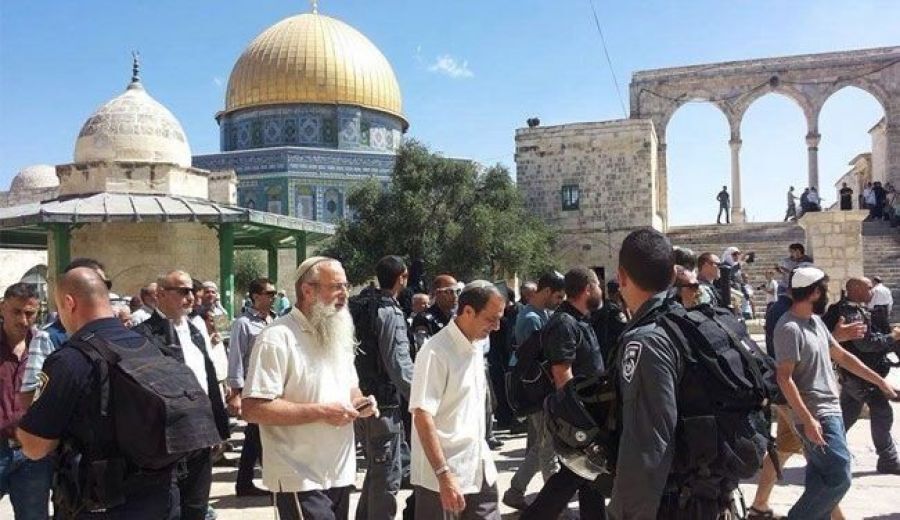
Israeli settlers storm Al-Aqsa Mosque

Dozens of settlers stormed the courtyards of Al-Aqsa Mosque today, Wednesday, under heavy protection from the Israeli occupation police.


Local sources reported that dozens of settlers stormed Al-Aqsa Mosque in successive groups from the Al-Maghariba Gate and performed Talmudic rituals in its courtyards.


The same sources added that the occupation police increased their presence at the gates of Al-Aqsa Mosque and around the Old City, and obstructed the entry of worshipers into the mosque.


Since the beginning of the comprehensive Israeli aggression against our people in the Gaza Strip and the West Bank, in October 2023, the occupation forces have tightened their measures at the gates of Al-Aqsa Mosque and the entrances to the Old City.


Terrorist settler gangs stormed the Al-Aqsa Mosque courtyards 256 times during the year 2024.

ARAB AND WORLD

Wed 15 Jan 2025 9:11 am - Jerusalem Time

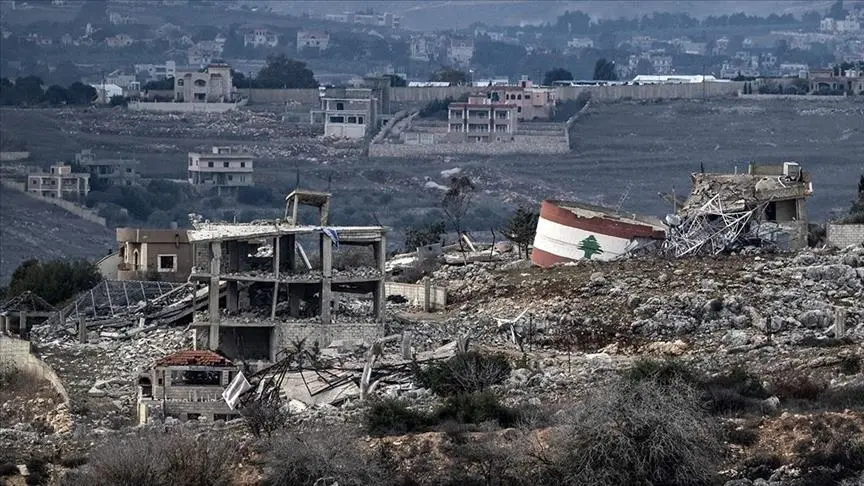
Israeli occupation blows up houses and bulldozes roads in southern Lebanon

Last night, the Israeli occupation forces blew up houses and bulldozed roads in Aita al-Shaab, Hanin and Maroun al-Ras, southern Lebanon.

The Lebanese National News Agency reported that the occupation forces carried out a bombing operation in the town of Markaba in the Marjeyoun district.

The occupation forces continue to violate the ceasefire agreement that entered into force on 11/27/2024.

PALESTINE

Wed 15 Jan 2025 9:09 am - Jerusalem Time

Either..or!

In parallel with the fast-paced negotiations in Doha, aimed at stopping the massacre in Gaza, and putting the final touches on the expected deal, the genocide is becoming more intense and raging, as if it were in its first days, in terms of the density of the belts of fire, which are pounding residential areas crowded with families, with many sons and daughters, whose departure has left an indelible lump in the throats and hearts of those who were destined to survive, from fathers and mothers to grandfathers and grandmothers.


It is clear from what was leaked from Steve Witkoff’s meeting with Netanyahu last Saturday that Trump’s envoy conveyed to him the threat of the one returning to the White House: “either or,” which made him reluctantly declare the threat of “hell,” which was said to be directed at Netanyahu more than at “Hamas.”


Channel 11 reported that Witkov broke the rules of protocol when he allowed himself to set his meeting with Netanyahu for 10:00 a.m. Saturday, as if he were issuing a subpoena saying, “See you tomorrow,” when the “fox” tried to invoke the sanctity of the Sabbath to evade the meeting.


While Gaza is drowning in the blood of its children, eating its hunger and drinking its thirst, Blinken spoke in his farewell speech yesterday about a sustainable peace that will be built on corpses and rubble, while the “liar,” as one activist described him, interrupting his repeated speech, did not stop until his last day from the lies with which he concludes his political life as Minister of Genocide, a position that qualifies him and his boss, his partner in crime, to receive a joint Nobel Prize for Genocide.


Stop the genocide now...!

OPINIONS

Wed 15 Jan 2025 9:07 am - Jerusalem Time

The Arab world between Trump's hell and revival?

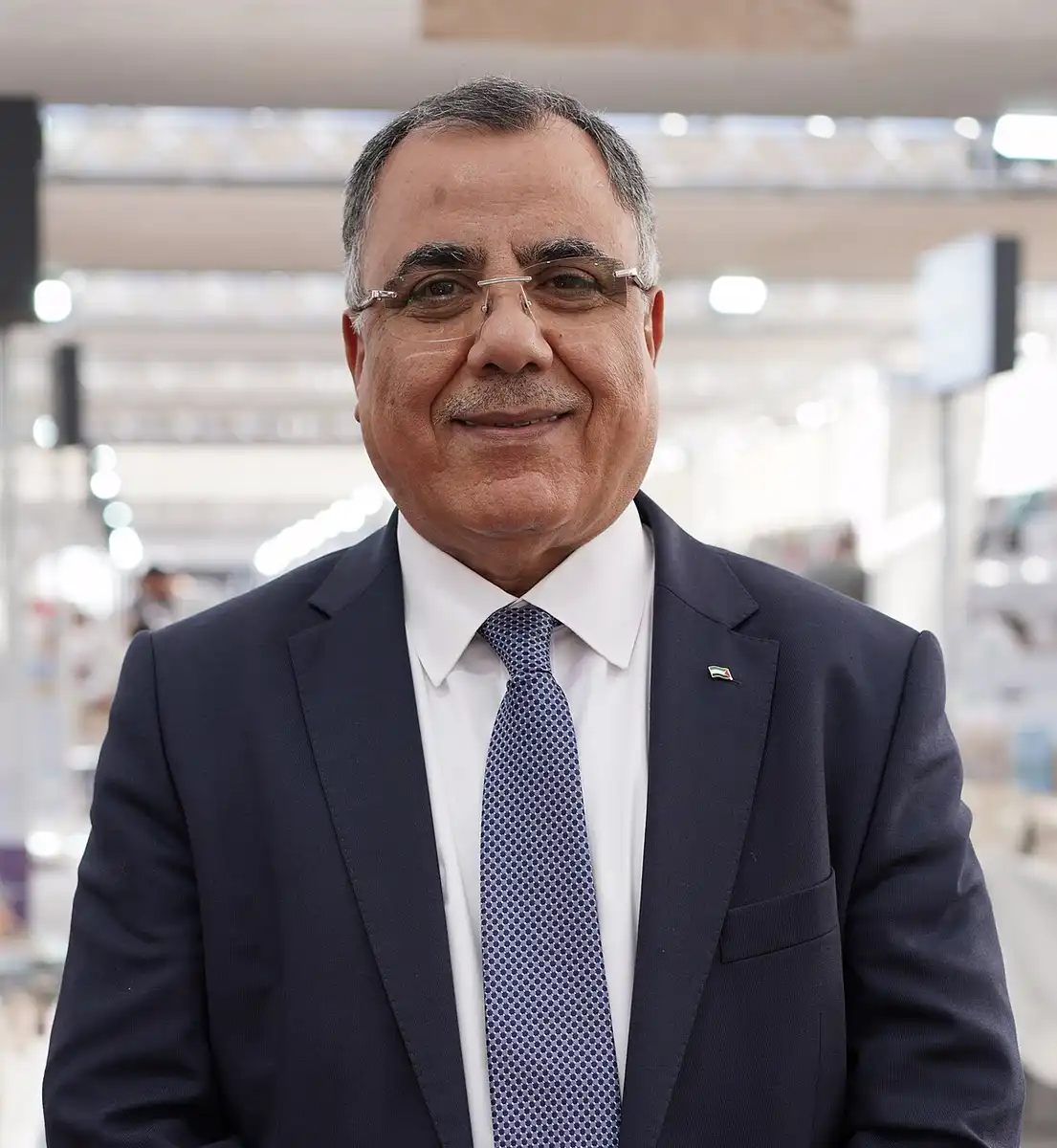
  Dr. Fawzi Ali Al-Samhouri

Dr. Fawzi Ali Al-Samhouri

Opinion Writer

US President Trump's threat to release the kidnapped Israelis or else hell awaits the Middle East in general and the Gaza Strip in particular confirms:

▪︎ Continuing the policy of blind bias and absolute, unlimited support for the Israeli entity and its aggressive, expansionist policy.

▪︎ A reflection of his sadistic and dictatorial outlook and strategy in dealing with militarily weak countries in contradiction and duplicity with previous statements about ending wars in the world and establishing peace in the Middle East.

▪︎ Subjecting the world to his policy under threat of destruction, relying on the principle of brute force to ensure America’s influence, hegemony and interests.

▪︎ Disregarding the United Nations Charter, its principles, objectives, and international law, in an abdication and evasion of its responsibilities as a superpower with permanent membership in the Security Council to work to consolidate international peace and security and save humanity from the scourge of wars.

Why the threat and belittlement?

The American threat is not new to the Arab region with its borders and vast geography, but the explicit and public Trumpian language and style was not familiar. American pressures on the leaders of countries were done behind the scenes and in the language of enticement and intimidation. This change is due to many factors and reasons, including:

First: President Trump’s personality, his financial standing, and his style of dealing with his employees using the language of command, and transferring this style in his dealings with Third World leaders to impose his policy and blackmail him to plunder wealth in particular.

Second: The absence of a parallel global pole for decades, which enabled America to impose its leadership and hegemony alone on the global stage.

Third: The absence of a broad axis consisting of the majority of member states in the United Nations General Assembly that are harmed by American policy, working to impose its interests and security by adopting a unified position that confronts American plans and policy. The absence of practical coordination between the Arab League, the Organization of Islamic Cooperation, the African Union countries, and the Non-Aligned Movement countries, and the sufficiency of issuing statements without any practical step accompanying them, is only evidence of this.

Fourth: The acceptance of the overwhelming majority of the members of the General Assembly, despite its rights, to impose its interests, security and territorial integrity by upholding the supremacy of international law, establishing the principle of equality and justice among all countries, and implementing international resolutions without duplication and selectivity, in its decorative role, subordinate to and dominated by the five permanent member states of the Security Council, contrary to the principles and objectives of the United Nations.

Fifth: Acceptance, out of weakness or fear, of not taking the initiative to impose sanctions and measures stipulated in the United Nations Charter against rogue states that refuse to abide by their duties, such as Israel, as a member state, and not to endanger international peace and security by occupying the territory of another state and violating its obligations to undertake to implement relevant international resolutions. The continued refusal of the Israeli colonial entity to end its occupation of the territories of the occupied Palestinian state, which is internationally recognized, in implementation of hundreds of resolutions issued by the Security Council and the General Assembly, as a result of the absence of work to oblige the Security Council to assume its responsibilities, which acts as an agent for the General Assembly in implementing its resolutions without selectivity, is nothing but the existing model of this weakness in the face of the dominance of one or more of the permanent member states of the Security Council through the use of the veto, contrary to the goal of including it in the United Nations Charter.

Sixth: The absence of global reactions condemning, denouncing, denouncing and rejecting Trump’s statements, which indicate a complete undermining of international peace, starting with the Arab countries.

This disdain and threat requires the leaders of the Arab countries to stand up to it seriously. The statements issued and issued by American leaders and their Israeli agent about changing the map of the Middle East mean not only extending dominance, influence and control over the joints of political, economic, military, security and technological decision-making, but also means redrawing a new map for the countries of the Middle East by dividing them into ethnic, racial, sectarian and religious states that guarantee America its influence and dominance for decades to come in anticipation of the birth of a multipolar world order. What is currently happening in Syria, Lebanon, Sudan, Libya, Iraq and Palestine is only an indication of that.

Will the security, unity, stability and renaissance of the Arab nation and its countries remain dependent on the satisfaction of Republican or Democratic America, or both?

Isn't it time to realize the danger of accepting and submitting to the schemes of foreign powers, whether regional or international?

It is time to confront collectively and with a unified position to reject Trump's statements and his orientations towards the Arab countries and his continued blind bias towards the Israeli colonial entity, which represents the greatest danger to the security and stability of the Arab countries, starting with the countries surrounding occupied Palestine. The map published in recent days by the Israeli Foreign Ministry targeting the Arab countries neighboring Palestine is nothing but evidence of the danger of the aggressive colonial expansionist plan.

America's interests in the greater Arab homeland are greater than its interests with it, which requires and calls for the leaders of countries to move in dealing with America to the square of counter-action in order to preserve its stability and sovereignty by building a relationship based on the exchange of interests without subordination and domination. Here lies the importance of separating the nature of the Arab-American relationship and not linking it, as America seeks in any way, to the relationship with the rogue Israeli occupation authorities that refuse to comply with international laws and implement international resolutions, but rather to the conditions of its acceptance as a state in the United Nations and a source of threat to Arab national security. The war of extermination and ethnic cleansing against the Palestinian people in the Gaza Strip and the West Bank, and a new Israeli occupation of Syrian and Lebanese lands are only an example of the danger looming over all Arabs and Muslims.

Palestine, its freedom, and supporting the steadfastness of its people and their struggle for freedom and independence, and the establishment of their independent state with Jerusalem as its capital, is the title, compass, and beginning for bringing about the desired renaissance towards protecting comprehensive Arab national security.


.........


America's interests in the greater Arab world are greater than its interests with it, which requires and calls for the leaders of countries to move in dealing with America to the square of counter-action in order to preserve its stability and sovereignty by building a relationship based on the exchange of interests without subordination and domination.

OPINIONS

Wed 15 Jan 2025 9:06 am - Jerusalem Time

Horrors of Hell of Extermination

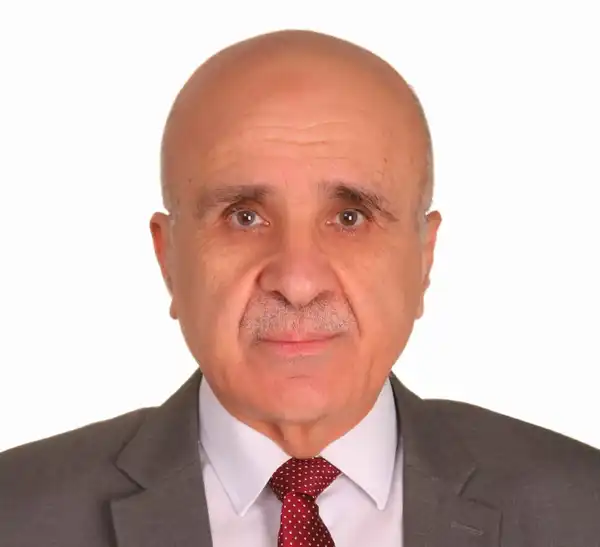
Bahaa Rahal

Bahaa Rahal

Opinion Writer

When men cry in Gaza, their oppression has reached a point where men’s patience can no longer bear it. The images we see every day since the war of extermination began in Gaza make even rocks cry, so what about the state of fathers as they bid farewell to their children and cry out, “Oh God, save us from this hell.”

Every time a picture comes out of Gaza, it opens a door to pain, and every time we see the patience of people who have lost patience, we say, “Oh God, when will this massacre end? When will this genocide stop?” At the same time that statements are issued about an agreement on a truce and a deal, the occupation’s desire to kill increases, and the bombing and destruction operations increase. In doing so, it insists on continuing the genocide until the last moments, before the agreement goes into effect, as if it has not had enough of the blood of children and women throughout the days and months of genocide. The level of pain and suffering increases and the area of devastation expands.

Fathers, mothers, grandmothers, grandfathers, bereaved women and men who were patient until patience failed them, throughout the days of war, as the earth became too narrow for them and they were besieged by enemy and friend, so they cried in grief as the means of survival and preserving the souls they gave birth to to live became too narrow for them, but the war came to kill them unjustly and annihilatingly. Entire families no longer exist in Gaza, completely erased from the records, and countless calamities, and international reports come to say that the published statistics are not the real numbers, but rather that the numbers exceed the announced numbers, as thousands of victims fell and were not registered in the lists of the Ministry of Health, and were buried under the rubble of their destroyed homes, and revealing that requires time, after this war stops.

Scenes that make rocks cry are conveyed by the images coming from Gaza every minute, of children who died or were injured without guilt, and fathers who were unable to protect their sons and grandchildren from the horror of the genocide. We saw tears streaming, and heard screams of helplessness and weakness, like continuous sobbing with words that carved their place and occupied memory.

Scenes of blood and pain amidst a difficult reality, and difficult days for the people who are living the horrors of the genocide that has been ongoing for 467 days. Between killing, death, destruction and devastation, the people of Gaza continue to survive as much as they can. There is nothing more difficult than the horrors that the people of Gaza have experienced, and nothing more severe than the pain that afflicts them.


OPINIONS

Wed 15 Jan 2025 9:05 am - Jerusalem Time

The voice of the rational Palestinian struggle

Hamada Faraana

Hamada Faraana

Opinion Writer

The unfortunate events that swept the city of Jenin and its camp are not a struggle between right and wrong, between the patriot and the unpatriotic, between the resister and the one who rejects resistance, between those who claim loyalty, patriotism and insistence on resistance, and those who stand against loyalty and with the occupation against resistance.

Whoever says this is truly standing with the occupation, to consolidate the division between the sons of one people, between the factions, organizations and parties. He is consecrating the national discord under misleading and lying banners and terms in claiming to be more patriotic than the other, claiming to be biased towards the resistance, against the Palestinian National Authority, which is falsely and unjustly accused of standing against the resistance.

Political forces, unions, civil society institutions, and independent figures called for, met, and launched their community initiative under the term: “Accord,” based on national and moral duty, with the aim of urgent action to put an end to this recklessness and nonsense that only serves their enemy, who follows what is happening with complete satisfaction, and works to feed it without hesitation.

The Palestinian Wafaq Initiative did not limit its efforts to containing the current crisis and impasse, but rather sought to establish a basis and foundations for sustainable national relations based on:

First, stopping all forms of clashes, with a ban on attacks on public and private property, headquarters, vehicles, security personnel, and official institutions. At the same time, the security services must commit to implementing the law in accordance with the rules of arrest and detention, respecting the dignity of the citizen, and strictly adhering to the controls on the use of firearms.

Secondly, holding legally responsible anyone who committed crimes against persons or property and bringing them to trial in accordance with the provisions of the law, with the security services committed to publishing the results of the investigation into cases of shooting that led to the killing of citizens and bringing the offenders to trial, and compensating the affected families.

On the basis of the reconciliation initiative, the “National Authority for Palestinian Civil Peace” was formed from national figures, religious men, civil society institutions, unionists, and human rights activists, and they announced that they “will not allow differences over any issue to turn into clashes between the sons of one people.”

She stressed the need to reach a solution to “the responsibility of balancing the right to resistance according to international conventions and the rule of law in Palestine,” and thus lifted the national political cover from the claim of resistance, and that: “the forms of struggle and methods of resistance are linked to every stage of the struggle, and it is a matter left to the dialogue table between the Palestinian political forces,” not to be hostage to the positions of a class, group or party, without the others from the political forces, and thus the outcome of the dialogue required between the various parties, to reach a state of national consensus.

The Gaza experience, its bitterness and its destructive results, as Walid Al-Awad, a member of the political bureau of the Palestinian People's Party from Gaza, says: "It must not be transferred to the West Bank. The ruling party in the colony, which is made up of extreme right-wing political parties and extremist Jewish religious parties, is looking for excuses to practice their criminal acts in the West Bank, as they did in our Gaza Strip. Therefore, the national struggle must not be captive to limited groups that, by possessing weapons, imagine that they are capable of liberating the homeland. Rather, this requires the broadest popular resistance front from all forces and factions, with our entire people as its incubator, as happened in the first intifada in 1987. We must not mortgage the future of our people to these groups, despite their bravery and readiness."

PALESTINE

Wed 15 Jan 2025 9:03 am - Jerusalem Time

After 15 months of raging genocide, what will Gaza look like the day after the deal?

Khalil Shaheen: The ceasefire agreement in Gaza represents a decisive step towards ending the war of extermination and gradually restoring life to the Strip

Majed Hadeeb: Commitment to the ceasefire will be strong to achieve Israeli goals and Hamas's attempt to preserve what remains for it

Dr. Dalal Erekat: Israel may continue to use the existence of Hamas as a pretext to wage wars if the core issues of the conflict are not addressed

Talal Okal: Warning against being preoccupied with internal conflicts, which may weaken the high morale felt by Gazans after the war

Hani Abu Al-Sabaa: The next stage is the most difficult and requires providing food and personal security and responding to people’s aspirations for a better future

Dr. Tamara Haddad: The cessation of war will not be the end of suffering, but rather the beginning of a series of crises that require urgent and comprehensive solutions through effective management of people’s affairs


After more than 15 months of destruction, suffering and war of extermination in the Gaza Strip, the deal agreement and ceasefire came to give the people a glimmer of hope for the gradual restoration of life.

In separate interviews with “I”, writers, political analysts and university professors confirm that stopping the bombing and indiscriminate killing, especially against civilians and children, along with the entry of humanitarian aid, represents a first step towards alleviating the worsening humanitarian crisis and restoring the breath of life, especially in northern Gaza.

But writers, analysts and university professors believe that with the ceasefire, the biggest challenge begins in rebuilding the Gaza Strip, through removing rubble, restoring roads and buildings, re-operating health and educational facilities, and bringing in medical supplies, which are essential steps to restore life to normal.

They believe that providing caravans and tents to the displaced is part of the efforts to return hundreds of thousands of displaced people, and these steps are not limited to providing basic needs only, but also contribute to thwarting Israeli plans that aim to change the demographic composition of the sector.

However, despite the hope that the agreement brings, they warn that the danger remains in the possibility of its relapse, especially in light of Israeli statements about freedom of military movement in Gaza, and possible changes in American policy, which may threaten the continuity of the truce. Therefore, the need for effective international guarantees is essential to ensure the full implementation of the agreement and prevent a return to the beginning. Nevertheless, the people of Gaza remain clinging to the hope of rebuilding their lives, despite all the challenges.


The most important gains of the agreement are stopping the indiscriminate killings.


The writer and political analyst Khalil Shaheen believes that the ceasefire agreement in Gaza represents a decisive step towards ending the war of extermination waged by Israel and gradually restoring life in the Strip, noting that the most prominent gains of this agreement are the cessation of the indiscriminate killings that targeted civilians, including entire families, journalists, and children, as well as the cessation of the roar of aircraft, especially drones that never leave the skies of Gaza. It also constitutes an important factor in giving the population a basic sense of personal security, which they lost during the war.

Shaheen points out that the ceasefire agreement goes beyond ending the bombing and killing to include the entry of humanitarian aid into Gaza, which is a necessary step to alleviate the humanitarian crisis that the Strip is experiencing. According to the agreement, 600 trucks carrying food, clothing, and fuel will be brought in to operate bakeries that have stopped working, which will contribute to alleviating the state of starvation that the residents of the Strip have suffered from, especially in northern Gaza.

Shaheen believes that stopping the destruction also includes ending the continuous bombing that has destroyed residential and commercial facilities and infrastructure, which will allow the sector the opportunity to gradually restore life, starting with removing rubble and repairing roads, and moving on to operating municipalities and civil defense, and reaching the resumption of commercial activity and operating bakeries and stalls, which will contribute to providing job opportunities for the population.

Shaheen believes that introducing engineering machinery to remove rubble and pave roads is the beginning of the reconstruction of Gaza, and that the entry of goods and materials needed to restart hospitals and water stations will restore life to the health sector that was destroyed, as well as reduce environmental pollution that has worsened as a result of targeting purification and sewage stations.

He points out that the agreement also includes the entry of 60,000 caravans and 200,000 tents, which guarantees the return of hundreds of thousands of displaced persons to their places of residence, even if they are destroyed, stressing that this step preserves the privacy and dignity of the residents, especially in the winter, and also helps to thwart Israel's plans to make forced demographic changes in the Strip.

Shaheen points out that the education sector will also witness a gradual return with the restoration of schools and universities that were destroyed during the war, and the operation of hospitals and the provision of medical supplies will be necessary to treat the wounded and sick, especially the elderly, which will restore part of the life cycle of the people of Gaza.

Despite the apparent positives of the ceasefire agreement, Shaheen warns of the risks of a potential setback as a result of general interpretations of the agreement’s wording.

Shaheen points out that Netanyahu's government may exploit this formulation to resume fighting, especially in light of statements by prominent Israeli officials, such as Defense Minister Yisrael Katz, who confirm Israel's intention to maintain freedom of military movement in Gaza, as is the case in Lebanon and Syria.

Shaheen believes that this threat coincides with an Israeli bet on the new US administration led by Donald Trump, which is expected to be more biased towards Netanyahu's policies compared to the Biden administration, while Shaheen stresses the importance of having effective international guarantees to implement the agreement and prevent Israel from overturning it.

Shaheen stresses that the return of displaced residents to their places of residence, and the reconstruction of what can be repaired, will contribute to thwarting Israel’s plans to forcibly displace the population. Moreover, the gradual restoration of life, despite all the challenges, reflects the ability of the people of Gaza to cling to life and rebuild what was destroyed by the war.


The situation in Gaza after the war stops will witness radical changes


Writer and political analyst Majed Hadeeb believes that the situation in the Gaza Strip after the war stops will witness radical changes, pointing out that the Gaza Strip "after the war" will not resemble the Gaza we knew before the aggression, due to the catastrophic changes that the war left behind on all levels.

Hadib explains that the humanitarian situation in Gaza will be catastrophic, as the Strip has lost more than 80% of the basic necessities of life, according to official statistics, in addition to the martyrdom of more than 45,000 Palestinians, the injury of 200,000 others, and the complete erasure of more than 600 families from the civil registry.

Hadib confirms that the majority of Gaza's residents are now suffering from poverty, hunger and oppression as a result of the destruction of their property and their repeated displacement, either because of the fighting or in response to the occupation's instructions that were received through notices or leaflets.

He believes that the war has resulted in major demographic changes in the Gaza Strip, as the Israeli occupation seeks to reshape Gaza according to its security visions that guarantee the protection of its borders, noting that this transformation reflects the success of Israeli Prime Minister Benjamin Netanyahu in achieving his vision of the “new Gaza,” which is based on the equation of “economic peace,” as he wants to establish his concept among the Palestinians “that there is no security or stability for them except under the umbrella of Israel.”

Hadib believes that the war on Gaza aimed to achieve several strategic goals, most notably restoring the prestige of the Israeli army, which had shown its fragility in the events of October 7, but the air force was the decisive factor in the continuation of the war.

Hadeeb points out that Netanyahu has succeeded in creating the “new Palestinian man,” who is now trapped between submitting to the reality imposed by Israel or going back in his life.

Hadeeb points to Israel's success in building new alliances with Arab and Islamic countries, regardless of Palestinian rights, which has increased the Palestinians' isolation from their surroundings.

Hadeeb points out that these developments reflect Israel's success in building new alliances, which presents the Palestinians with two choices: either accept Israeli dictates, or face an uncertain future that will take them back decades.

He explained that the upcoming arrangements for the Gaza Strip will be made according to an Israeli vision with regional and international participation, pointing out that the Israeli withdrawal from the Strip will be gradual and in stages, in line with the visions of Egypt and Qatar to form an interim national administration or government that will take over the affairs of the Strip, rebuild it, and guarantee Israel’s security.

Hadib confirms that the commitment of both parties, the Palestinians and the Israelis, to the ceasefire will be strong, as a result of achieving the declared and undeclared Israeli goals, and Hamas’s attempt to preserve what remains of its political and security power and presence.

In contrast, Hadeeb points out that the Israeli front will witness internal divisions the day after the cessation of the war, as Netanyahu will face strong opposition from the extreme right, which described the agreement as a “catastrophe for the Israeli people.”

On the Palestinian side, Hadeeb believes that Hamas will seek to fully commit to the ceasefire, after it was subjected to internal and external stab wounds, and lost the confidence of the Palestinian street as a result of the deteriorating conditions.


Future scenarios vary depending on the nature of the deal and its objectives.


Dr. Dalal Erekat, Professor of Diplomacy and Conflict Resolution at the Arab American University, believes that the success of any deal to end the conflict in Gaza depends largely on the details of this deal and the extent of the negotiating parties’ commitment to it, in addition to the guarantees of its implementation and the mechanisms for monitoring it.

Erekat points out that future scenarios vary based on the nature of the deal and its objectives, and highlights the importance of the comprehensiveness of the agreement to ensure sustainable results.

Erekat explains that any deal that includes clear steps to rebuild Gaza and improve living conditions, such as easing the blockade and improving basic services such as electricity, water and health, could lead to a gradual easing of the residents’ lives. But if the deal is limited to releasing prisoners and a ceasefire without addressing the root causes of the conflict, the calm will be temporary, opening the way for tensions to escalate again.

Erekat points out that this scenario is not new, as Gaza has witnessed five consecutive wars interspersed with temporary truces, instead of reaching a permanent and comprehensive ceasefire.

Erekat stresses the need for any deal to deal with the political framework in a comprehensive manner, to ensure the achievement of a just and sustainable solution that is parallel to addressing the humanitarian and security dimensions, while Erekat believes that the absence of a political vision that supports the sustainability of stopping the war through economic development and guaranteeing political rights will make any agreement fragile.

Erekat warns that Israel may continue to use the existence of Hamas as a pretext to launch new wars if the core issues of the conflict are not addressed.

Erekat believes that the continuity of any deal depends on the existence of a real political will to achieve peace, in addition to effective guarantees from mediators and a strong role for the international community in implementing the terms of the agreement.

It stresses that clear mechanisms for monitoring implementation and evaluation of the deal are necessary to enforce commitment from parties that may breach the agreement.

Erekat points out that any agreement will be in danger of collapse if it does not deal with the basic issues, such as the blockade, the occupation, and ensuring the political rights of the Palestinian people.

Erekat stresses that the administration of the Gaza Strip and transitional governance, along with the complete withdrawal of the occupation, are essential factors to ensure the success of any agreement.

Erekat stresses that agreements are not just documents that are signed, but rather a long process that requires continuous follow-up and effective coordination.

Erekat believes that the internal Palestinian national dialogue represents a fundamental pillar for the success of any deal, as the internal division weakens the chances of stability and allows the occupation to continue implementing its strategies that aim to undermine Palestinian rights, most notably the right to self-determination.


The expected scene in Gaza after the end of the war will be difficult


Writer and political analyst Talal Okal describes the expected scene in the Gaza Strip after the end of the war as being difficult by all standards, as residents face comprehensive destruction of homes and infrastructure, including water, energy, sewage and hospital networks.

Awkal stresses that this destruction will exacerbate the humanitarian situation, with severe food shortages and the spread of diseases as a result of the deteriorating environmental conditions.

However, Awkal points out that the people of Gaza have a strong will that enables them to overcome these crises, as despite the dangers and destruction, the residents are eager to return to their destroyed homes, where they will set up their tents even on top of the rubble without fear of renewed bombing.

Awkal asserts that the people of Gaza will continue to prove that they are the “people of giants” capable of overcoming all assessments that question their ability to rebuild their lives.

Awkal cites the previous experiences of the people of Gaza, where areas such as Beit Hanoun, Shuja'iyya, and others were subjected to great destruction in previous wars, and despite that, the people of Gaza were able to rise again and restore the necessities of life.

Awkal refers to World Bank reports that warned in 2012 that Gaza would be uninhabitable by 2020, but the residents were able to improve their conditions beyond expectations before this war.

Regarding the political conflict, Awkal believes that the cessation of war may continue based on the policies of the US administration, which he described as being firm in its dealings with Benjamin Netanyahu's government.

He believes that US President-elect Donald Trump was running his policies like an emperor, refusing to allow any party to manipulate US interests.

Awkal warns against the Palestinians becoming preoccupied with internal conflicts, which could weaken the high morale felt by the people of Gaza after the war, after they were rid of the hell of war and the Israeli machine of brutality.

Awkal calls for investing in this Palestinian popular steadfastness in Gaza to strengthen national unity and avoid falling prey to factional calculations that may harm the Palestinian cause as a whole.


The next day will witness the beginning of serious thinking about managing Gaza's affairs.


Writer and political analyst Hani Abu Al-Sabaa confirms that the citizens of the Gaza Strip are eagerly awaiting the moment of announcing the ceasefire and implementing the deal, in light of extremely difficult living conditions. The aggression has led to a severe shortage of water, food and medicine, and the lack of basic services in shelters, while the northern Gaza Strip is suffering from the specter of famine.

According to Abu Al-Sabaa, the day after the deal will witness the beginning of serious thinking about managing Gaza’s affairs. This stage requires providing the residents with basic needs, working to rebuild what can be repaired, operating vital facilities such as hospitals, and resuming the educational process after an interruption that lasted for more than a year.

Abu Al-Sabaa stresses that these tasks constitute heavy burdens that cannot be borne by one faction, but rather require a joint effort from all parties that contributed to steadfastness during the war.

Abu Al-Sabaa points out that the manifestations of joy witnessed in the shelters, where citizens expressed their joy by going out into the streets and chanting Allahu Akbar, reflect the will to live among the people of Gaza and their escape from death despite the suffering.

Abu Al-Sabaa warns that the next stage is the most difficult, as it requires providing food and personal security, and responding to people’s aspirations for a better future away from the specter of wars.

Abu Al-Sabaa explains that there are key points that make the deal viable for a longer period than before, as Israel failed to achieve its military goals and the war of attrition in Gaza showed the Israeli army's inability to deal with the resistance, especially in recent days when the number of Israeli army casualties was observed to have risen.

Abu Al-Sabaa confirms that Israel was unable to recover its prisoners in Gaza, despite the passage of more than 15 months since their detention, and failed to stop the launching of rockets, as the resistance recorded the launching of 32 rockets in the last month alone, which indicates the resistance’s ability to restore its missile force.

Abu Al-Sabaa points to internal disagreements in Israel, where the government lacks consensus on the war, with demonstrations and objections continuing, and the new US administration led by Trump, known for his economic approach, may be less inclined to support wars.

Abu Al-Sabaa points to regional variables, especially in Syria, where the Syrian front could pose a future threat to Israel, which may push it to focus on this axis and not continue the war in Gaza.

Abu Al-Sabaa believes that all indicators on the ground and in the regional environment indicate that the next stage may witness a long-term deal, including political and humanitarian arrangements to ensure the stability of the sector.

Abu Al-Sabaa stresses that Gaza needs wise management to ensure a decent life for the population, far from corruption and favoritism.

Abu Al-Sabaa believes that those who participated in the steadfastness during the war must contribute to the construction phase.

Abu Al-Sabaa stresses the importance of providing care for children who have lost their breadwinners, and distributing aid fairly, calling for reassuring the population that wars are a thing of the past, noting that the continuation of wars provides an excuse for Israel to pressure the population and push them to emigrate.

Abu Al-Sabaa stresses that the next stage is an opportunity to rebuild Gaza and transform it into a safe and stable environment for the population, far from the specter of repeated wars.


A state of shock after the implementation of the deal and the truce


Writer and political researcher Dr. Tamara Haddad believes that the situation in the Gaza Strip after the implementation of the deal and the truce will witness a state of shock, as the citizen will find himself facing a reality full of challenges.

Haddad points out that the cessation of the war will not be the end of the suffering, but rather the beginning of a series of crises that require urgent and comprehensive solutions through effective management of the affairs of the people in the Gaza Strip.

Haddad confirms that citizens will live in a state of confusion about how to reorganize their daily lives, especially with the possible return to the northern Gaza Strip.

Haddad points out that one of the conditions of the deal may include strict security monitoring of those returning to the northern Gaza Strip, to ensure that they are not affiliated with armed factions.

Haddad believes that the situation in Gaza will be catastrophic by all standards, as a result of the massive destruction caused by the war in lives and property, and the absence of basic necessities of life.

She stresses that Israel has targeted the provision of services and aid to a minimum, making it extremely difficult to restore normal life.

Haddad points out that the absence of effective management of the affairs of the Gaza Strip will make the process of bringing in humanitarian aid and reconstruction very complicated, in light of the challenges of some war merchants exploiting aid during the war period, as they sold it at exorbitant prices, which burdened the Palestinian citizen.

Haddad explains that the day after the ceasefire will impose major challenges on the citizen, starting from providing housing and food to arranging the health conditions of the wounded and sick who need treatment outside the Gaza Strip.

Haddad warns that the deal may be linked to major security arrangements, allowing the occupation army to enter and exit the Gaza Strip whenever it wants, without clear guarantees of its complete withdrawal or non-return, which would achieve Netanyahu's goal of releasing the Israeli detainees without ending the war comprehensively, while imposing a calm of a security nature that serves Israel's interests.

She points out that future arrangements may aim to change the reality of Gaza’s administration, leading to a reduction in the role of Hamas, suggesting that there may be a plan to introduce Arab forces into the Strip, perhaps with the participation of the Palestinian Authority, according to the vision of US Secretary of State Anthony Blinken, which may be implemented after the arrangements for the first phase of the deal and end with negotiations to implement a new reality in Gaza.

Haddad stresses the need for a strong administration capable of meeting the needs of the citizens of Gaza, and rebuilding what was destroyed by the war in a fair and rapid manner.

Haddad believes that any failure to achieve this will keep the Gaza Strip in a state of prolonged crises, allowing Israel to exploit the security and political situation to its advantage, and keep Gaza in a state of instability.


PALESTINE

Wed 15 Jan 2025 8:59 am - Jerusalem Time

Campaign of raids and arrests in the West Bank and Jerusalem

This morning, Wednesday, the Israeli occupation forces launched a campaign of raids and arrests in the West Bank and occupied Jerusalem.


In Qalqilya, the occupation forces stormed the city from its eastern entrance, and deployed in various neighborhoods, including: Nazzal neighborhood, Al-Qar’an, Al-Wad Street, 22, Al-Habash, and Al-Razzaza. They deployed snipers around the Shraim neighborhood, and began searching citizens’ homes.


The occupation forces arrested Wael Badawi, Nidal Za’rab, and Abdullah Abu Sneineh, after raiding and searching their homes, and then withdrew from the city after a raid that lasted for more than four hours.


In Bethlehem, the occupation forces arrested Hamza Salama Al-Rashaydeh, his brother Ayoub, and Laith Hashem Al-Rashaydeh, after raiding and searching their families’ homes in the village of Al-Rashaydeh.


In Ramallah, the occupation soldiers stopped the vehicle of citizen Abed Musa Mazloum, near the military tower erected on the road between the villages of Ras Karkar and Kafr Ni’ma, and took him out of the vehicle, handcuffed him, along with his son, Iyad, and detained them.


In Tulkarm, the occupation forces arrested Hudhayfah al-Jallad (24 years old) and Balkhair Issam Qanbar (31 years old), a former detainee, after raiding their homes in the city.
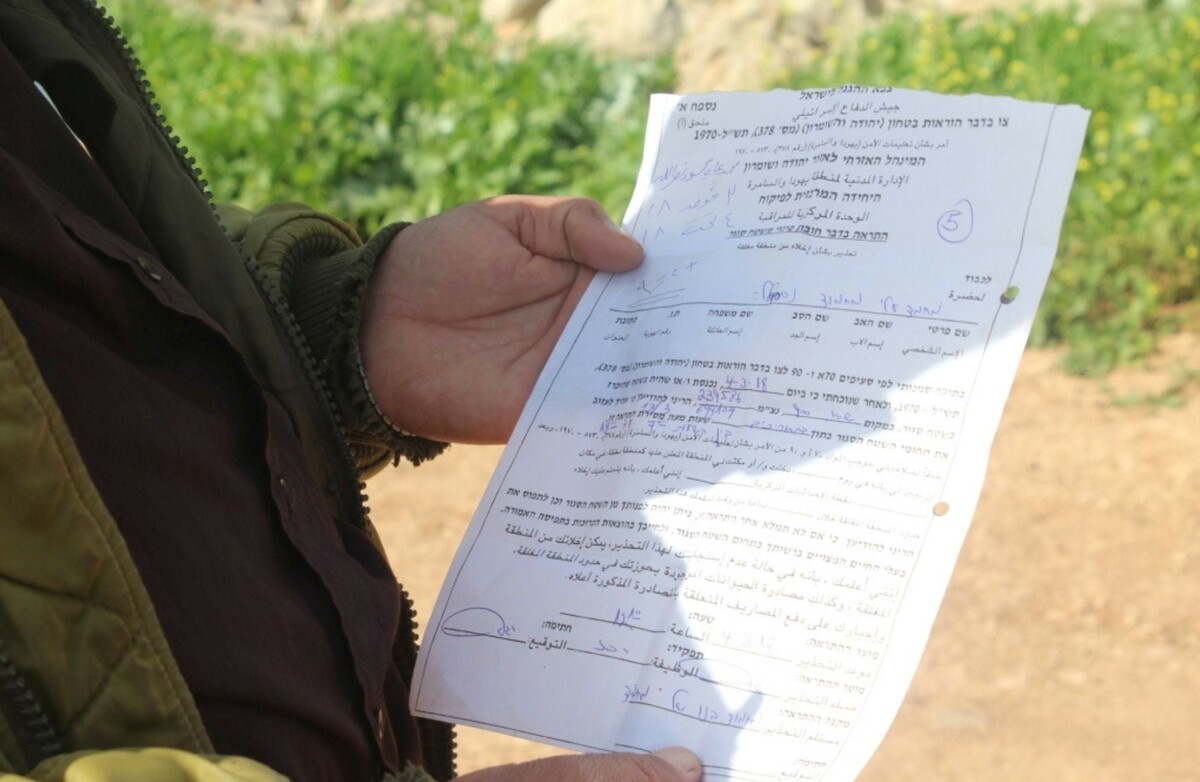

In occupied Jerusalem, the occupation forces stormed the Semiramis area in Kafr Aqab, raided the homes of the Zaghir family, ransacked their contents, and stole gold jewelry and money from some homes.


In Nablus, the occupation forces stormed the village of Rojib, east of the city, with several military vehicles, and arrested the citizen Muhammad Ahmad Al-Halabi. They also raided the town of Asira al-Shamaliya, north of the city, and arrested the freed prisoner Ihab Shuli, after raiding their homes and tampering with their contents.

PALESTINE

Wed 15 Jan 2025 8:34 am - Jerusalem Time

Updated: Dozens of dead and wounded in Israeli occupation's bombing of the Gaza Strip

Last night and this morning, Wednesday, 13 citizens were killed and others were injured in Israeli occupation forces’ shelling of Gaza City and the Nuseirat camp.


Medical sources reported that seven citizens were killed and others were injured with varying degrees of injuries after the occupation forces bombed Al-Farabi School, which houses displaced people in the Yarmouk area of Gaza City.
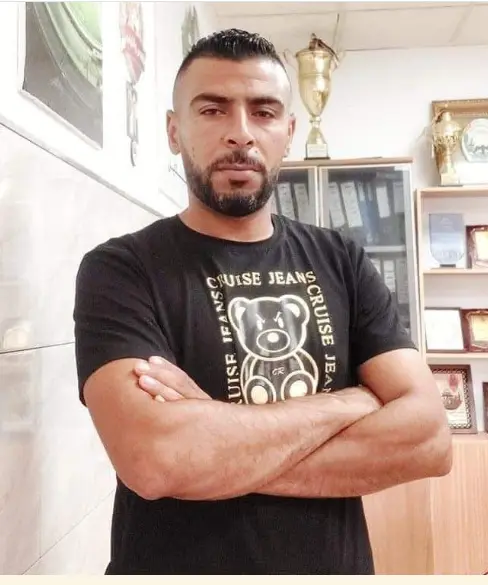

He added that six citizens were killed and seven others were injured, including the head of the nursing department at Al-Awda Hospital, as a result of the occupation bombing a house in the Camp 2 area, south of Al-Nuseirat, in the central Gaza Strip.


The occupation forces have continued their aggression on the Gaza Strip, by land, sea and air, since October 7, 2023, which has resulted in the death of 46,645 citizens and the injury of 110,012 others, while thousands of victims are still under the rubble and on the roads, and ambulance and rescue crews are unable to reach them.

PALESTINE

Tue 14 Jan 2025 10:44 pm - Jerusalem Time

Palestinian Health Ministry prepares to receive prisoners released in upcoming swap deal

The Palestinian Ministry of Health is preparing to receive prisoners who may be released as part of an expected exchange deal between Israel and Hamas, negotiations for which have reached the final stages.


This came in a circular, on Tuesday evening, directed by the Acting Assistant Undersecretary for Hospitals and Emergency Affairs, Dr. Moatasem Mohsen, to hospital directors, asking them to prepare for the exchange deal.


The circular included, "In preparation for the prisoner exchange deal and the reception of our prisoners released from the occupation's prisons, immediate work is being done to prepare and equip an internal medicine clinic and a surgical clinic to examine, inspect and treat our imprisoned brothers and provide them with the necessary health care."


Tel Aviv is holding more than 10,400 Palestinians in its prisons, while it estimates that there are 99 Israeli prisoners in Gaza, while Hamas reported that dozens of its prisoners were killed in random Israeli raids.


On Tuesday, Hamas announced that the expected agreement to exchange prisoners and end the Israeli genocide in the Gaza Strip had reached its "final stages," with indirect negotiations continuing in Doha.


Israeli Prime Minister Benjamin Netanyahu said the agreement would be announced "within hours or days."


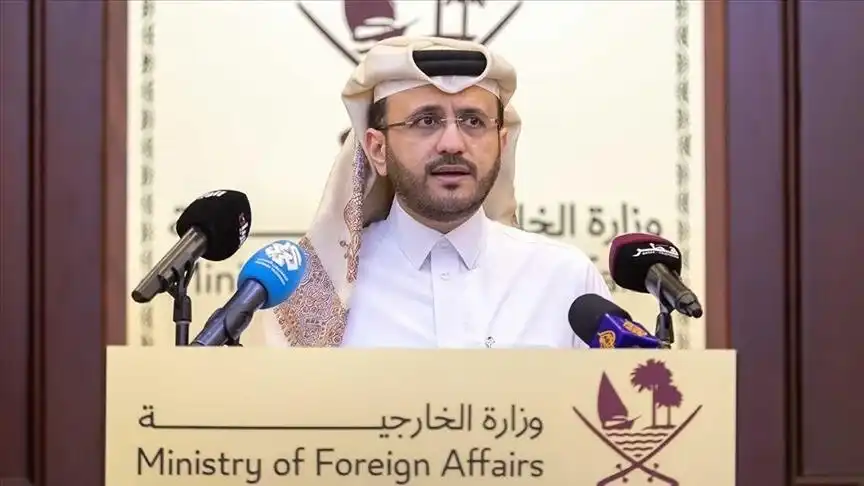
Qatari Foreign Ministry spokesman Majed Al-Ansari announced in a press conference that the negotiations had reached the stage of "final details" and were "the closest point" to announcing an agreement.


For more than a year, Netanyahu bought time by repeatedly talking about alleged progress toward an agreement, then backed down and went deeper into a war of extermination and displacement of the Palestinians.


The progress in the current negotiations came after intense pressure from Steve Witkoff, US President-elect Donald Trump's envoy to the Middle East, on Netanyahu, during a "tense meeting" between them on Saturday, according to the Hebrew website "The Times of Israel" on Monday.

PALESTINE

Tue 14 Jan 2025 10:27 pm - Jerusalem Time

6 dead and several injuries in Israeli occupation bombing of Jenin camp

Six citizens were killed and others were injured, Tuesday evening, as a result of the occupation aircraft bombing a site in Jenin camp.
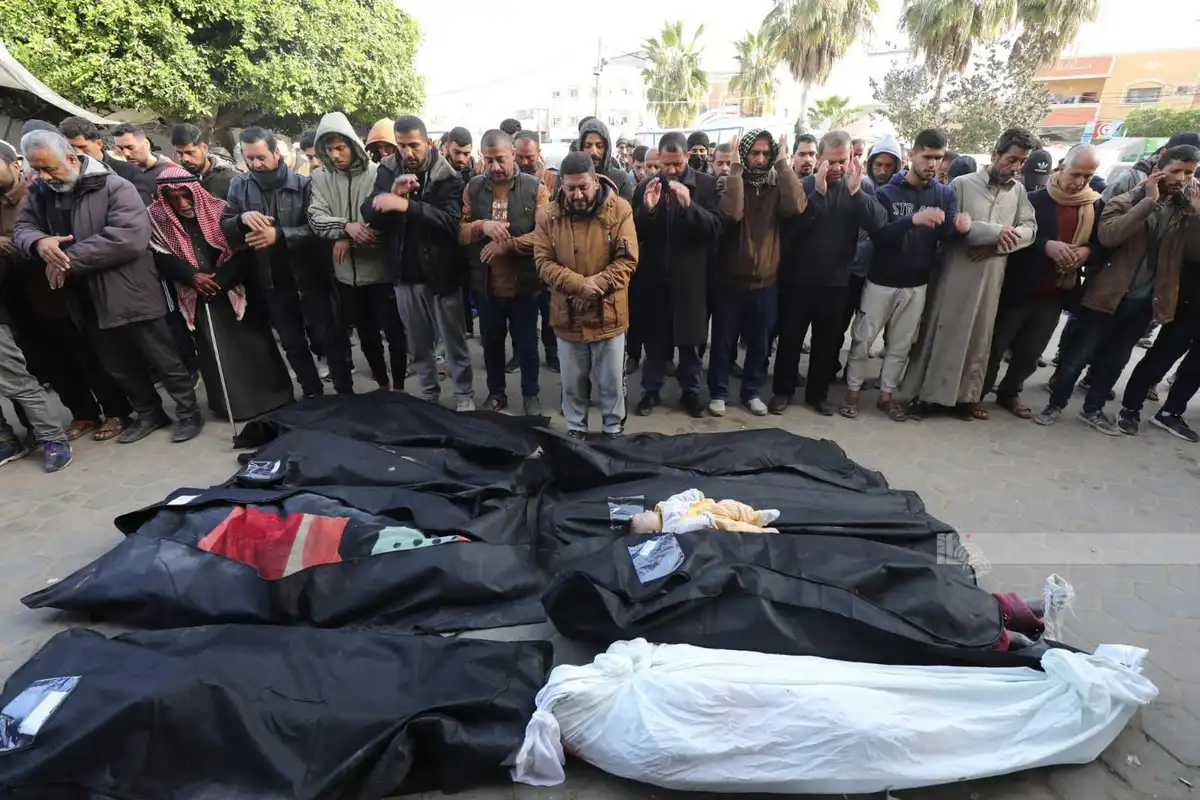

The Ministry of Health reported, in a brief statement, that 6 dead and several injuries arrived at Jenin Governmental Hospital, as a result of the occupation bombing of Jenin camp.

PALESTINE

Tue 14 Jan 2025 10:05 pm - Jerusalem Time

Broadcasting Authority talks about Israeli readiness for a "gradual" withdrawal from Gaza

The official Israeli Broadcasting Corporation reported on Tuesday evening that the Israeli occupation army is preparing for a "gradual withdrawal" from the Gaza Strip with the entry into force of an expected ceasefire agreement, and indicated that it "may take a week to dismantle its positions in the Netzarim axis in the center of the Strip."


In a report on Tuesday evening, the Authority said that "meetings and assessments of the situation took place in the Southern Command of the Israeli army during the last 24 hours in preparation for a gradual withdrawal from the Strip with the start of the ceasefire agreement."


Quoting an unnamed security source, she said, "The Israeli army is preparing to withdraw from the Palestinian side of the Rafah crossing shortly after the deal is signed."


According to the same source: "The Israeli withdrawal from the Philadelphi Corridor (on the border between Gaza and Egypt) was coordinated with Israeli, Egyptian and American security officials."


The Authority stated that "the army will withdraw from the Philadelphi corridor during the first days after signing the deal with Hamas."


But she said the army "may take a week to dismantle its positions and infrastructure it has built in the Netzarim axis in central Gaza."

ARAB AND WORLD

Tue 14 Jan 2025 9:42 pm - Jerusalem Time

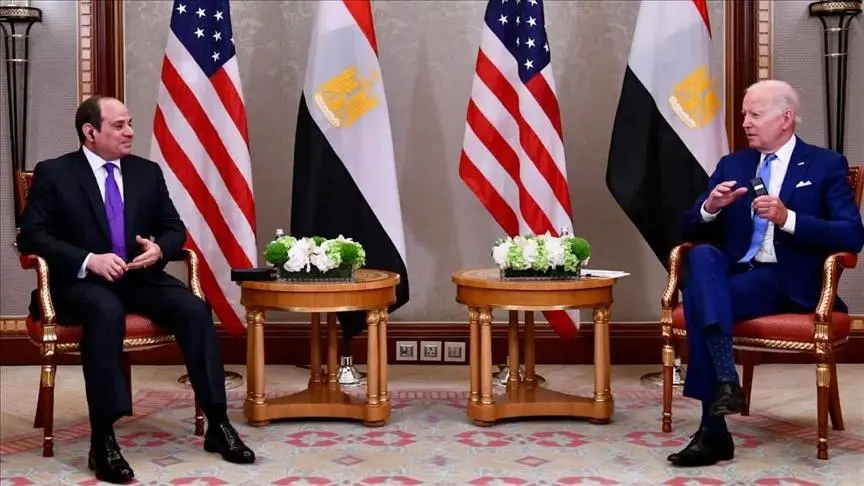
Sisi, Biden stress importance of 'showing flexibility' to reach Gaza deal

Egyptian President Abdel Fattah el-Sisi and his US counterpart Joe Biden stressed on Tuesday the "importance of the concerned parties' commitment to removing obstacles and showing the necessary flexibility to reach an agreement" on a ceasefire in the Gaza Strip and a prisoner exchange.


This came during a call that Sisi received from Biden, according to a statement by the Egyptian presidency.


The statement said, "The phone call discussed the intensive mediation efforts undertaken by Egypt, the United States and Qatar to reach an agreement to cease fire in Gaza and exchange prisoners and detainees."


In this context, the Egyptian and American presidents reviewed "the latest developments in the relevant negotiations, and stressed the importance of the concerned parties' commitment to removing obstacles and showing the necessary flexibility to reach an agreement."


Al-Sisi stressed the "necessity of reaching an immediate ceasefire agreement in order to put an end to the serious humanitarian suffering of the citizens in the Strip, to allow humanitarian aid to enter them without restrictions or obstacles, and to spare the region the consequences of expanding the scope of the conflict."


Earlier today, Qatari Foreign Ministry spokesman Majed Al-Ansari announced in a press conference that the ceasefire negotiations in Gaza and the exchange of prisoners, hosted by his country, had reached the stage of "final details," stressing that they had reached the closest point to announcing an agreement.


ARAB AND WORLD

Tue 14 Jan 2025 9:04 pm - Jerusalem Time

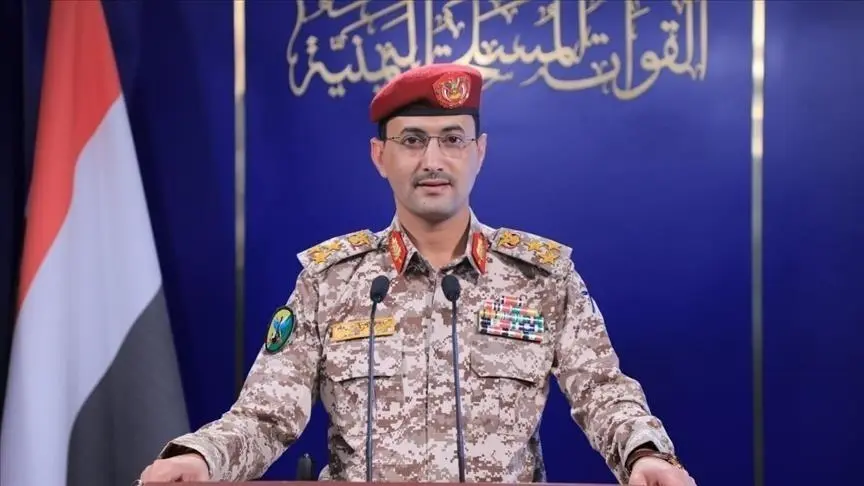
Al-Houthi announces attacking targets in Tel Aviv and a power station in Eilat

The Yemeni Houthi group announced, on Tuesday evening, that it had attacked new targets in Tel Aviv (central Israel) and a power station in the city of Eilat (south).


The military spokesman for the Houthi forces, Yahya Saree, said in a televised statement monitored by the Anadolu Agency correspondent, that "the air force (of the group's forces) carried out a qualitative military operation with a number of drones targeting targets (which he did not mention) of the Israeli enemy in the occupied Jaffa (Tel Aviv) area."


He added, "The group's missile force carried out a second military operation with a winged missile targeting the Israeli enemy's power station in the Umm al-Rashrash area (Eilat)."


He added, "The two operations achieved their goals successfully."


Saree pledged to "carry out more military operations against the Israeli enemy in support of the Palestinian resistance."


He also stressed that "these operations will not stop unless the (Israeli) aggression on Gaza stops and the siege is lifted."


Earlier on Tuesday morning, the Yemeni group announced that it had successfully bombed the Israeli Defense Ministry headquarters in Tel Aviv with a hypersonic missile, and that the interception systems had failed to intercept it.


The Israeli army claimed in a statement that it had "intercepted" this missile "before it entered the country's airspace."


While the Israeli ambulance, known as the "Red Star of David", said that "11 people were injured while trying to reach the shelters during the interception of the missile, in addition to 4 cases of panic attacks."


These developments come amid reports of progress in negotiations on a possible ceasefire and prisoner exchange deal in Gaza.

PALESTINE

Tue 14 Jan 2025 8:51 pm - Jerusalem Time

Netanyahu: Hamas has not responded yet and everything being circulated now is just speculation and Hamas clarifies

Israeli Prime Minister Benjamin Netanyahu said after meeting with the families of detainees in the Gaza Strip that he is ready for a permanent ceasefire on condition that all detainees are returned.


Netanyahu added, according to Channel 12, that the deal is a matter of days or hours.


Netanyahu continued: We are waiting for the other party's response, and then the deal will be announced immediately.


Netanyahu said that Hamas has not yet responded, and that everything being circulated now is just speculation.


He pointed out that "once President Trump enters, the rules of the game will change fundamentally. For any breach of the ceasefire, there will be harsh and strong responses and a way of fighting that we have not seen before."


A Hamas official told Reuters that the movement has not yet submitted its response because Tel Aviv has not yet submitted the maps that will show the areas to which it will withdraw.


Read also: Blinken: We are formulating a plan that includes the day after the ceasefire in Gaza and the rule of the Strip


Channel 12 reported that Israeli Prime Minister Benjamin Netanyahu is holding an emergency meeting this evening with leaders of the security establishment regarding developments in the exchange deal.


Channel 13 reported that Netanyahu will hold an emergency video call with the head of Mossad in Qatar regarding the exchange deal.


Earlier, an official in the Israeli occupation entity reported that hundreds of Palestinian prisoners, including those convicted of killing settlers, would be released under the agreement, according to CNN.


Read also: Blinken: We are formulating a plan that includes the day after the ceasefire in Gaza and the rule of the Strip


The official added that Palestinian civilians will be allowed to return to the northern Gaza Strip freely under the agreement.


He added that the occupation army will begin its withdrawal from population centers during the first phase and will remain in the Philadelphia Corridor, according to the American network.


He added that a buffer zone will be maintained inside Gaza along the Strip's border with the Israeli occupation.


He added that negotiations on the second and third phases of the agreement will begin on the sixteenth day of the agreement's implementation.

ARAB AND WORLD

Tue 14 Jan 2025 8:37 pm - Jerusalem Time

International Justice: Nawaf Salam resigns from the court

The International Court of Justice announced today (Tuesday) that Judge Nawaf Salam, who was appointed Prime Minister of Lebanon, has resigned from the court.


Salam's term as president of the court was due to end in early February 2027.


Judge Nawaf Salam, who is tasked with forming a new Lebanese government, will hold non-binding parliamentary consultations to form a government in the House of Representatives on January 15 and 16.


The General Secretariat of the House of Representatives announced that, “in reference to the statement issued by the General Directorate of the Presidency of the Republic assigning Mr. Nawaf Salam to form the government, the formation consultations will be held in the House of Representatives, Nejmeh Square, on Wednesday and Thursday, January 15 and 16.”


Earlier today, Salam said that he is not a person of exclusion, but rather a person of unity and national partnership.


Salam called for "working to extend the authority of the Lebanese state over all its territories, and for the government to develop an integrated program to build a productive economy and secure job opportunities for generations."


Yesterday, Lebanese President General Joseph Aoun tasked Salam with forming a new government, after the end of the binding parliamentary consultations and after Salam obtained 84 votes out of 128 MPs.

PALESTINE

Tue 14 Jan 2025 8:15 pm - Jerusalem Time

Jenin Battalion and the Resistance in Jenin Camp Agree to the National Accord Initiative

The Jenin Battalion and the resistance in Jenin camp announced today, Tuesday, their approval of the national reconciliation initiative that was approved by the national conference held in Jenin today, to end the unfortunate events that have been ongoing for 40 days.


In a statement to clarify public opinion in the city of Jenin, its camp and countryside, and to all the sons of the Palestinian people in the West Bank, Gaza and the diaspora, the Jenin Battalion and all the resistance factions in the Jenin camp explained that, based on the principle of stopping bloodshed and preserving the Palestinian national fabric, and based on the principle of strength and not weakness, they decided to approve the initiative (the national position for the unity of blood and destiny), adding, “Everyone knows that from the first day until this moment we are still in the stage of defending our camp and the capabilities and weapons of the martyrs and the resistance and our legitimate right to fight the Zionists,” and it continued, “After communicating with the reform committees, headed by Sheikh Daoud Al-Zeer and a number of reform men in Jenin and civil and local society institutions and the Chamber of Commerce, we confirmed to them that we are the most keen on the rule of law, and we approved the initiative presented by them, which aims to stop Palestinian bloodshed and our legitimate right to resist the criminal occupation that persists in Judaizing our holy places, violating our land and abusing our people.”


For his part, Salah Al-Zaid, a member of the Reform Committee, told Quds.com that the delegation of the Follow-up Committee presented the same initiative to the Palestinian Authority and the security services and is still awaiting its response.

PALESTINE

Tue 14 Jan 2025 6:48 pm - Jerusalem Time

Israeli media: Ministers complain about not being informed about the expected deal

Ministers in Israel's security cabinet are complaining that Prime Minister Benjamin Netanyahu has not informed them of the details of an upcoming prisoner swap and ceasefire deal in the Gaza Strip, according to Hebrew media.


"Cabinet ministers strongly criticized Prime Minister Netanyahu's behavior," the Israel Hayom newspaper reported Tuesday evening.


She quoted unnamed ministers as saying: “They kept us away from the details of the deal, and it is crazy for them to show it to journalists before explaining it to us.”


If things go towards signing the agreement, Netanyahu is scheduled to call the "cabinet" and then the expanded government to a meeting to approve the deal, according to the Israeli Broadcasting Authority (official).


Channel 12 Israel said that the negotiations in the Qatari capital, Doha, "are now focused on the mechanism for implementing the deal, with an emphasis on technical details."


National Security Minister Itamar Ben-Gvir and Finance Minister Bezalel Smotrich, both members of the cabinet, have reiterated their opposition to the potential deal.


Ben-Gvir called on Smotrich on Tuesday morning to "resign together" from the government if the deal passes, but the latter has not yet decided whether he will respond to Ben-Gvir's request.


Later Tuesday, Netanyahu met with Smotrich to persuade him not to withdraw from the right-wing government.


Netanyahu has a majority in the cabinet to pass the deal even if Ben-Gvir and Smotrich vote against it, and he also has a majority in the expanded government to take the same step without the six ministers of their parties.


The potential agreement includes 3 stages, each lasting 42 days, and includes details of the exchange of Israeli prisoners in Gaza and Palestinians in Israeli prisons, the steps for a ceasefire, and the entry of daily aid into the Strip.


Earlier today, Qatari Foreign Ministry spokesman Majed Al-Ansari announced in a press conference that the negotiations had reached the "final details" stage, stressing that they had reached the "closest point" to announcing an agreement.


Palestinian sources revealed to Anadolu that the agreement is "almost ready and may be signed before Friday."


PALESTINE

Tue 14 Jan 2025 6:25 pm - Jerusalem Time

Urgent: Blinken: Ceasefire deal is ready if Hamas agrees


US Secretary of State Antony Blinken said on Tuesday that a ceasefire deal is very close and that its announcement is "ready to be implemented if Hamas accepts."


“I believe we will get a ceasefire in Gaza,” Blinken said in his remarks to the Atlantic Council. “Whether we get there in the remaining days of our administration or after January 20th, I believe the agreement will closely follow the terms of the agreement that President Biden put forward last May and that our administration rallied the world behind.”


His final speech as US Secretary of State was interrupted three times by activists in the hall who said, “You enabled the Israeli genocide in Gaza…the blood of innocents is on your hands and will haunt you forever,” which disconcerted the Secretary, but he was able to regain his breath and move on with his speech.


Blinken said the agreement would ensure a ceasefire and the return of the hostages, revealing that 7 Americans are still being held captive by Hamas in the Gaza Strip.


He explained that the administration of current US President Joe Biden had conveyed the plan for the future of Gaza to President-elect Donald Trump "to move forward with it."


Blinken accused Hamas of trying to "kill the two-state solution and the Oslo Accords," saying that "no one can force Israel to accept a Palestinian state ruled by Hamas or any other extremist organization," without mentioning successive Israeli governments in nullifying the long negotiations on a Palestinian state.


"We seek to end the war in Gaza in a way that will lay the foundation for lasting peace... and advance the legitimate aspirations of Israelis and a state for Palestinians," Blinken said, adding that "our principles were that Gaza under Hamas would not pose a continuing threat to Israel and that the war in Gaza would stop."


He explained that work is underway to formulate a plan that includes the day after the ceasefire in the Gaza Strip and how to govern the Strip, noting that if an agreement is reached regarding Gaza now or after January 20 (the day of the inauguration of President-elect Donald Trump), it will be an expression of the framework that Biden had set on May 31, which the world approved in the Security Council (on June 10) and “but Hamas rejected.”


Blinken revealed that there is a body that will take over the rule of the Gaza Strip the day after the war and will hand over the rule to the Palestinian Authority, stressing the need to "ensure that Hamas is unable to rule the Gaza Strip and that the Palestinian Authority, after its reform, will take over the rule of the Strip."


Blinken stressed, "No one can force Israel to accept a Palestinian state ruled by Hamas or any other extremist organization, and the new agreement must not affect Israel's security or its status," he said.


He accused the Palestinian Authority of corruption and its leadership of anti-Semitism, but demanded that Israel release the clearing funds.


"The new ceasefire agreement must not affect Israel's security or its status," he added, while saying that "the Israelis must abandon the myth that they can implement annexation de facto."


In this context, he considered that Israel is "expanding settlements in the West Bank at a rapid pace," calling on it to "accept a time-bound and conditional path to building a Palestinian state."


Blinken said that reaching an agreement to unify the West Bank with the Gaza Strip "will take effort."


Blinken also spoke about the latest developments in Lebanon, Syria and Iran, saying that President Biden "took quick steps to prevent the expansion of the conflict in the Middle East", after "Hamas wanted to ignite a regional war."


He continued, "Hamas' military capabilities and its ability to rule the Gaza Strip have been undermined, and Iran's capabilities have declined," revealing that "Iran has lost its path of support for Hezbollah."

PALESTINE

Tue 14 Jan 2025 5:44 pm - Jerusalem Time

Islamic Jihad delegation arrives in Doha to participate in ceasefire agreement

The Islamic Jihad Movement said that a high-level delegation from it will arrive in Doha on Monday evening.


The Islamic Jihad movement added in a press statement that its delegation is arriving in Doha to participate in the final details of the ceasefire agreement in Gaza.


On Tuesday afternoon, Qatari Foreign Ministry spokesman Majed Al-Ansari confirmed that the ongoing talks in Doha regarding Gaza are fruitful and positive and focus on the final details, pointing to the overcoming of the main obstacles in the differences between the two parties.


Al-Ansari said in a press conference, “We are in the final stages of the Doha talks and have reached the closest point to reaching a ceasefire agreement in Gaza,” hoping that it “will result in reducing the points of disagreement between the two sides.”


He added: "We have overcome the main obstacles in the differences between the two parties to reach an agreement to cease fire in Gaza."


Coinciding with the Ansari conference, Hamas announced that the expected ceasefire agreement in the Gaza Strip and the prisoner exchange deal had reached its “final stages,” stressing the need to continue consultations with leaders of Palestinian factions “until its completion.”


Several sources confirmed that significant progress had been made in the negotiations hosted by the Qatari capital, Doha, between Hamas and Israel, which increased the chances of announcing a ceasefire agreement in Gaza and an exchange of prisoners and detainees in the coming hours.


ARAB AND WORLD

Tue 14 Jan 2025 5:10 pm - Jerusalem Time

Trump envoy presses Netanyahu to advance Gaza ceasefire deal

President-elect Donald Trump’s Middle East envoy Steve Witkoff has been pressing Israeli Prime Minister Benjamin Netanyahu hard to agree to compromises to advance a ceasefire in Gaza, media reports said Monday. Witkoff, a real estate developer, traveled to Israel from Qatar to meet with Netanyahu on Saturday. Witkoff’s pressure on Netanyahu has been credited with the progress in recent days of negotiations, with everyone now saying a deal is close.


According to the Israeli newspaper Haaretz, Witkoff “forced Israel to accept a plan that Netanyahu has repeatedly rejected over the past half-year.” Netanyahu had been pushing for an agreement that included only a temporary ceasefire, but according to reports, the new plan would include a full Israeli withdrawal.


Another report from Haaretz on Sunday said that one of the main disagreements in the negotiations was that Israel did not want to commit to ending its genocidal war forever, suggesting that Israel had not agreed to everything.


Reuters reported on Monday that mediators had presented Israel and Hamas with a final draft of the agreement after a "breakthrough" in the talks and that officials would discuss it on Tuesday.


During the genocidal war in Gaza, the Biden administration refused to put any real pressure on Israel to agree to a deal, allowing Netanyahu to sabotage talks with Hamas. The United States has significant leverage over Israel because it provides a lot of military aid, which Israel needs to support military operations.


It is unclear how Witkoff pressured Netanyahu or whether he threatened to cut off military aid. It is also unclear whether the pressure was enough to get Netanyahu to actually agree to a deal, which will not be known until the agreement is signed.


While Netanyahu is under intense domestic pressure to reach a deal, some members of his coalition government are vehemently opposed, including Finance Minister Bezalel Smotrich and National Security Minister Itamar Ben-Gvir.


Pro-Netanyahu Israeli media figures have expressed anger at the pressure from the incoming Trump administration. Israeli talk show host Yinon Magal pointed to Trump’s recent threats to Hamas that there would be “hell to pay” if the hostages were not released by the inauguration.


“He’s talking about hell,” Magal said, “and at the same time, he’s sending his envoy to sign a deal. It’s a deal that will be very difficult to effect. That’s the truth.”


Magal said the only hope was for Hamas to reject the deal. “One of the cabinet ministers told me we need to pray again that God will harden Pharaoh’s heart,” he said.


In a related matter, Axios revealed that US Secretary of State Anthony Blinken will present a plan on Tuesday to rebuild and govern Gaza after the war ends, according to three US officials.


The move comes as Blinken has just one week left in office, while intensive negotiations are underway to conclude a hostage exchange deal and a ceasefire in Gaza.


President-elect Donald Trump has said that Israel and Hamas are "very close" to a deal.


According to sources, the plan that Blinken is expected to present in his final speech as US Secretary of State at the Atlantic Council in Washington on Tuesday will be crucial to efforts to implement the second phase of the Gaza deal, which aims to reach a permanent ceasefire and end the war.


Blinken presented his plan for Gaza's security, governance and reconstruction after a ceasefire agreement was reached to several US allies.

ARAB AND WORLD

Tue 14 Jan 2025 4:55 pm - Jerusalem Time

Israel accuses Iran of trying to kidnap businessman

The Israeli National Security Council accused Iran on Tuesday morning of trying to kidnap an Israeli businessman by luring him to a third country.


The council explained in a statement that Iranian elements contacted the Israeli businessman via the Telegram application, claiming to be journalists working in the Persian section of an Arab media outlet, and expressed their desire to conduct an extensive interview with him about the economic situation in the Middle East and Iran's role in this field, and asked him to travel to a third country to achieve this goal.


The council also claimed that these people sent him malicious links and files aimed at hacking his mobile phone without his knowledge.


The Israeli businessman became suspicious of these attempts and quickly informed the police in his town, who in turn referred the case to the intelligence service. Through the initial investigation, the intelligence service concluded that the Iranian elements had tried to lure him to travel to a third country, where it was planned to target him there.


The Israeli National Security Council praised the businessman's vigilance, stressing that the behavior of the Iranian elements was suspicious, and that the content of the conversations with him was clearly aimed at luring him into harming him.


The National Security Council spokesman stressed that this is not the first time that the Iranians have tried to target Israeli businessmen and academic figures in several countries around the world with the aim of kidnapping or killing them. He expressed his belief that there are Israeli figures currently being subjected to similar attempts.


The spokesman called on all Israeli figures, regardless of their interests or professions, to be wary of similar or any other attempts to ensnare them. He also urged them to avoid communicating with figures they do not know well, and stressed the need to regulate the publication of private material about their lives and work on social media.


A senior official in the National Security Council told the Hebrew media: “This form of Iranian terrorist aggression is gaining momentum recently. They see it as an innovation in Iranian security activity. They are trying to lure Israeli figures by inviting them to participate in scientific and professional conferences, focusing on businessmen, scientists, academic researchers, and workers in medical institutions. The goal is to bring these Israelis to a third country, where the Iranians have the infrastructure to target that Israeli, or they will adapt themselves as part of the developments.”


A senior official in the National Security Council told the Hebrew media: “This type of hostile Iranian terrorist activity has witnessed a noticeable escalation recently, and they consider it an innovation in Iranian security activity.”


“They are trying to lure Israeli figures by inviting them to participate in scientific and professional conferences, with a special focus on businessmen, scientists, academic researchers and medical workers,” he continued. “The goal is to lure these Israelis to a third country, where Iran has the infrastructure to launch attacks against them, or to adapt their plans to match developments on the ground.”

PALESTINE

Tue 14 Jan 2025 4:42 pm - Jerusalem Time

Families of detainees: Netanyahu will conclude a deal that will exclude a number of our sons

The Hebrew newspaper "Israel Hayom" confirmed that the Israeli Prime Minister Benjamin Netanyahu is holding talks with representatives of the families of detainees in Gaza, and discussing the broad outlines of the deal.


For their part, some families of the detainees said that Netanyahu appeared to be striking a deal that would not include a number of their sons.


They added that the occupation government met with five families of the detainees, but did not meet the rest.


For his part, the spokesman for the Israeli occupation government stated that it was prepared to pay the price, even if it was high, in order to return the detainees, according to his statements.


The occupation government spokesman said on Tuesday evening that the matter of reaching a deal agreement has not yet been decided.

PALESTINE

Tue 14 Jan 2025 4:22 pm - Jerusalem Time

Dead and injuries as a result of the occupation bombing a tent sheltering displaced people west of Al-Nuseirat camp

Two citizens were killed on Tuesday evening, after the occupation forces bombed a tent housing displaced people in the Nuseirat camp.


Local sources reported that two citizens were killed and a woman was seriously injured after the occupation's warplanes bombed a tent housing displaced people west of the Nuseirat camp in the central Gaza Strip.


It added that the body of a dead targeted by the occupation forces was recovered near a mosque in Khirbet al-Adas, north of Rafah, in the southern Gaza Strip.


The occupation forces also bombed agricultural lands in the Qizan Rashwan area south of Khan Yunis city in the southern Gaza Strip. The occupation forces launched violent raids around Al-Farouq Mosque in Jabalia camp in the northern Gaza Strip, and the occupation forces renewed their fire north of Al-Nuseirat camp in the central Gaza Strip.


The occupation forces have continued their aggression on the Gaza Strip, by land, sea and air, since October 7, 2023, which has resulted in the death of 46,645 citizens and the injury of 110,012 others, while thousands of victims are still under the rubble and on the roads, and ambulance and rescue crews are unable to reach them.


PALESTINE

Tue 14 Jan 2025 3:12 pm - Jerusalem Time

Israeli occupation notifies the cessation of work in 16 residential and agricultural facilities in the Jordan Valley

Today, Tuesday, the Israeli occupation forces notified the cessation of work in several residential and agricultural facilities in the Ras al-Ahmar area in the northern Jordan Valley.


The settlement file official in Tubas Governorate, Moataz Basharat, reported that the occupation forces notified the cessation of work on 16 residential and agricultural facilities belonging to five families in Ras al-Ahmar in the Jordan Valley, under the pretext of lack of a license.


According to the Wall and Settlement Resistance Commission, settlers carried out more than 2,971 violations against citizens and their property, resulting in the martyrdom of 10 citizens, during the past year 2024.


During the same period, the occupation authorities issued 903 demolition notices for Palestinian facilities under the pretext of lack of permits. Their distribution was concentrated in the governorates of Hebron with 180 notices, Jericho and the Jordan Valley with 140 notices, and Bethlehem with 126 notices.

PALESTINE

Tue 14 Jan 2025 1:41 pm - Jerusalem Time

A systematic medical crime committed by the occupation against the detained martyr Moataz Abu Zneid

The Commission of Prisoners' Affairs and the Prisoners' Club revealed new details about the case of the martyrdom of the detainee Moataz Abu Zneid (35 years old) from Dura, south of Hebron, who died the day before yesterday in the Israeli Soroka Hospital. According to his family, he did not suffer from any health problems.


The Prisoners Authority explained, based on the testimony of one of the prisoners who was with the detainee Abu Zneid in the prison (currently Rimon-Janot), that the martyr began suffering from scabies several months ago, and with the passage of time and the refusal of the prison administration to provide him with treatment, the scabies turned into boils with a very bad smell, and swellings began to appear in the extremities, with a sharp loss in weight, and his health continued to deteriorate until he lost the ability to eat, stand, and relieve himself.


He continued in his testimony: “Parts of his skin began to fall onto his bed, and we kept asking the administration many times to transfer him to the hospital, without response. On January 4, he lost consciousness, and two days later he was transferred to the hospital, and then we learned that he had entered a coma.”


The Commission and the Prisoners Club confirmed, in a joint statement, that what happened with the detainee Abu Zneid was a systematic medical crime, the aim of which was to liquidate the detainee Abu Zneid, as happened with dozens of detainees who have been martyred since the beginning of the war of extermination, numbering (55), and only their identities are known.


They pointed out that the case of detainee Abu Zneid is not the only case that is being liquidated through systematic medical crimes, including the prison administration’s deliberate provision of factors for the spread of scabies among prisoners, and the prison system’s deliberate failure to provide cleanliness and ventilation, and its deliberate removal of clothes from prisoners, and its deprivation of the simplest cleaning tools, in addition to the weak immunity that affected the vast majority of them due to the crime of starvation, which all contributed to the exacerbation of the disease among many prisoners. They recalled the case of martyr Muhammad Munir Musa from Bethlehem, who was martyred in October 2024, as he suffered from diabetes, and after contracting scabies, his health condition deteriorated, which led to his martyrdom. There is other information about some of the detainees from Gaza who were martyred recently, indicating that scabies was a central cause of their martyrdom.


They pointed out that scabies has not stopped spreading in prisons to this day, and there were dozens of testimonies from prisoners who were infected with the disease. These testimonies reflected how the prison system had turned the disease into a tool to torture and kill them.

PALESTINE

Tue 14 Jan 2025 1:02 pm - Jerusalem Time

Settlers cut down dozens of olive trees south of Nablus

Today, Tuesday, settlers cut down dozens of olive trees in the village of Al-Lubban Al-Sharqiya, south of Nablus.


According to local sources, settlers cut down dozens of olive trees in the Saria area, southeast of the village.


According to the annual report of the Wall and Settlement Resistance Commission, the number of attacks targeting Palestinian trees during the past year 2024 amounted to a total of 451 attacks targeting 14,212 trees, including 10,459 olive trees. The Hebron Governorate recorded the highest number of damaged trees with 3,980 trees, followed by the Bethlehem Governorate with 3,791 trees damaged and uprooted, then the Nablus Governorate with 2,737 trees damaged and uprooted.

PALESTINE

Tue 14 Jan 2025 12:59 pm - Jerusalem Time

61 dead in 24 hours in Gaza, the death toll from the aggression rises to 46,645

The Ministry of Health in Gaza reported today, Tuesday, that the Israeli occupation committed 4 massacres against families in the Gaza Strip, resulting in 61 martyrs and 281 injuries arriving at hospitals during the past 24 hours.


The ministry confirmed in a statement that the death toll from the Israeli aggression has risen to 46,645 martyrs and 110,012 injuries since October 7, 2023.


She pointed out that there are still a number of victims under the rubble and on the roads, and ambulance and civil defense crews cannot reach them.


PALESTINE

Tue 14 Jan 2025 12:40 pm - Jerusalem Time

Qatari Foreign Ministry: We expect the ceasefire to be announced soon

Qatari Foreign Ministry spokesman Majed Al-Ansari said, "We expect the announcement of a ceasefire in the Gaza Strip soon," noting that the negotiations have reached the final stages.


The Qatari Foreign Ministry spokesman confirmed in a statement today, Tuesday, that the two parties have reached a point today that is the closest to reaching an agreement regarding Gaza.


He also stressed that the implementation of the ceasefire agreement in Gaza will be very soon after it is reached.


He said: "We have overcome the main obstacles in the disagreements between the two parties regarding the agreement, but there are details pending between the two parties, the largest part of which is related to implementation."


He pointed out that the Qatari Foreign Ministry had delivered the draft agreement to both parties, noting that it would not go into the details of what was happening in the negotiations.