ARAB AND WORLD

Sun 02 Mar 2025 8:42 pm - Jerusalem Time

Saudi Arabia: Israel uses aid in Gaza as blackmail tool

Saudi Arabia said on Sunday that Israel is using humanitarian aid to the Gaza Strip as a tool of "blackmail and collective punishment."


The Ministry of Foreign Affairs expressed "the Kingdom of Saudi Arabia's condemnation and denunciation of the decision of the Israeli occupation government to stop the entry of humanitarian aid into the Gaza Strip, and to use it as a tool for blackmail and collective punishment, which is a flagrant violation of international law and a direct violation of the rules of international humanitarian law, in light of the humanitarian catastrophe that the brotherly Palestinian people are facing."


The Kingdom renewed its call to the international community to stop these serious Israeli violations, activate international accountability mechanisms, and ensure sustainable access to aid.


On Saturday, Israeli Prime Minister Benjamin Netanyahu decided to stop all humanitarian aid from entering Gaza, as the first phase of the ceasefire agreement in the Strip ends, his office said on Sunday.


Netanyahu's office said, "Israel will not allow a ceasefire without the release of our kidnapped soldiers."


He added: "If Hamas continues to refuse to release the kidnapped, there will be other consequences."


Hamas considered Netanyahu's decision to stop the entry of aid to the Gaza Strip as "cheap blackmail, a war crime, and a blatant coup against the Gaza agreement."


A Hamas statement said, "Netanyahu seeks to overturn the signed agreement to serve his narrow domestic political calculations."


The first phase of the ceasefire agreement in Gaza ended on Saturday, amid uncertainty surrounding the resumption of the agreement, as Israel seeks to extend the first phase while Hamas demands the start of the second phase immediately.

PALESTINE

Sun 02 Mar 2025 8:32 pm - Jerusalem Time

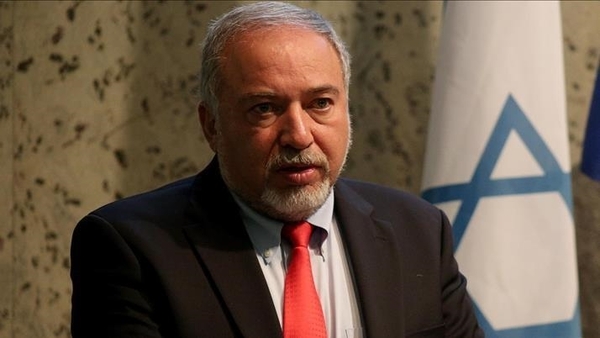
Lieberman calls for the displacement of most Palestinians from Gaza to Sinai

Israeli Knesset member Avigdor Lieberman renewed his call on Sunday to displace Palestinians from the Gaza Strip to the Egyptian Sinai, as part of US President Donald Trump's plans to displace them and seize the Strip.


This came in an interview with the Hebrew newspaper "The Jerusalem Post", with Lieberman, who served as Minister of Foreign Affairs (2009-2015), and was also appointed Minister of Defense (2016-2018).


Lieberman said, "Displacing most Palestinians from Gaza to the Egyptian Sinai is a practical and effective solution," he claimed.


He added: "Egypt should absorb most of the Palestinians in Gaza, and this will not require the migration of millions across great distances, as proposed by Trump."


Lieberman added: "The Gaza Strip suffers from a high population density, while Sinai has vast untapped lands."


He claimed that Palestinians in Gaza and Sinai "share language, culture and family relations, which makes the assimilation process natural."


He also claimed that "Egypt benefits economically from the current political situation, as it plays the role of mediator between Israel and Hamas, and also reaps profits from smuggling operations through the tunnels and the Rafah crossing," as he put it.


Lieberman called for a re-evaluation of relations between Israel and Egypt, stressing the need for "Cairo to assume responsibility for the Gaza Strip as was the case before 1967, within a mandate from the Arab League," he said.


This is not the first time that Lieberman has called for the displacement of Palestinians from Gaza to Egypt. Last February, he called for “Egypt’s control over Gaza and Israel and Jordan sharing responsibility for the West Bank.”


He also supported Trump's plan to seize Gaza and displace Palestinians from it, considering that its implementation is possible "if Egypt opens the doors of Sinai to accommodate them."


Last February, Trump revealed, during a press conference with Netanyahu at the White House, his intention to seize the Gaza Strip and displace the Palestinians from it, which sparked widespread regional and international rejection.


Since January 25, Trump has been promoting a plan to transfer the Palestinians of Gaza to neighboring countries such as Egypt and Jordan, which was rejected by both countries, and was joined by other Arab countries and regional and international organizations.


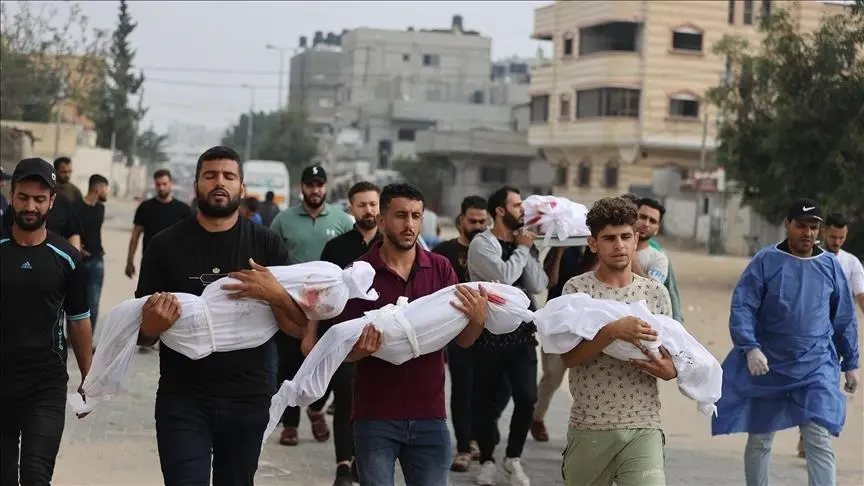
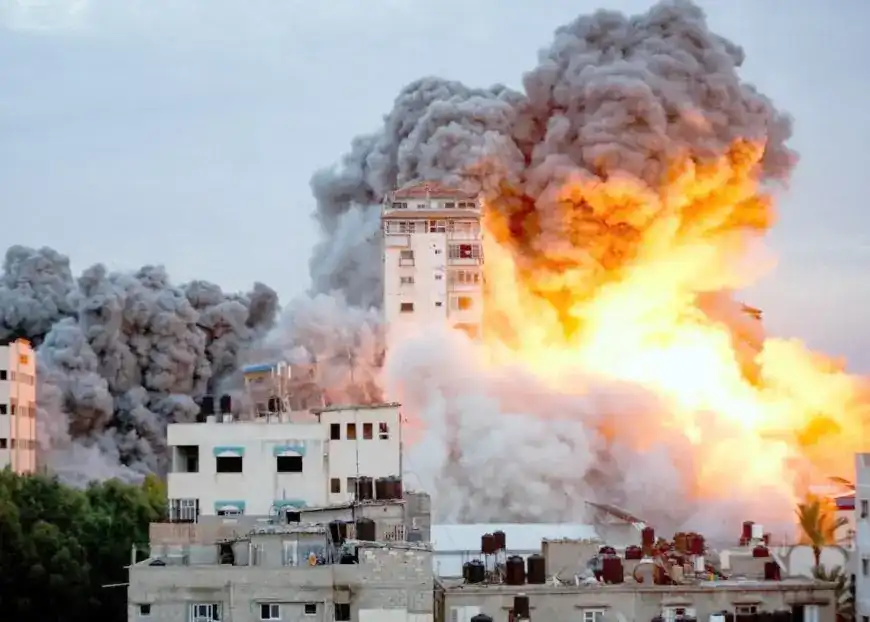
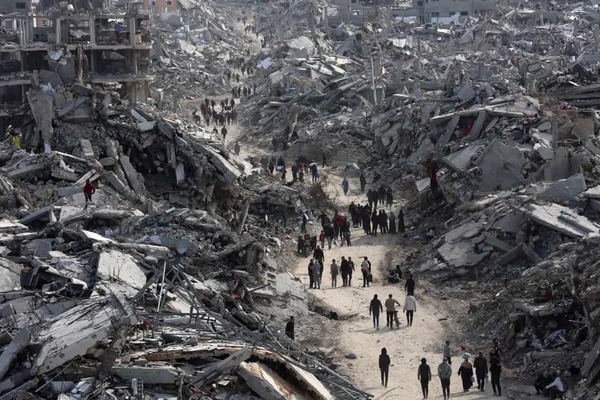
With American support, between October 7, 2023 and January 19, 2025, Israel committed genocide in Gaza, leaving more than 159,000 Palestinian martyrs and wounded, most of them children and women, and more than 14,000 missing.

PALESTINE

Sun 02 Mar 2025 7:45 pm - Jerusalem Time

Two Palestinians killed after Israeli drone strike east of destroyed Gaza airport east of Rafah

Two citizens were killed, Sunday evening, as a result of an Israeli drone strike east of the destroyed Gaza airport, east of Rafah city, south of the Gaza Strip.


Four citizens, including a woman, were killed and six others were injured earlier today in Beit Hanoun in the northern Gaza Strip, and Khan Younis and Rafah in the south, according to the Red Crescent Society, which explained that its crews dealt with three martyrs and four injuries in the Gaza Strip: two martyrs from the town of Beit Hanoun, a martyr and two injuries in the town of Al-Farahin east of Khan Younis, while two injuries were transferred from the center of Rafah Governorate. Another citizen was also killed from the city of Rafah.


Since the ceasefire was declared in the Gaza Strip, 116 dead, most of whom were recovered bodies, have arrived at the Strip's hospitals, in addition to 490 injuries.

PALESTINE

Sun 02 Mar 2025 7:02 pm - Jerusalem Time

UN calls for immediate resumption of aid to Gaza

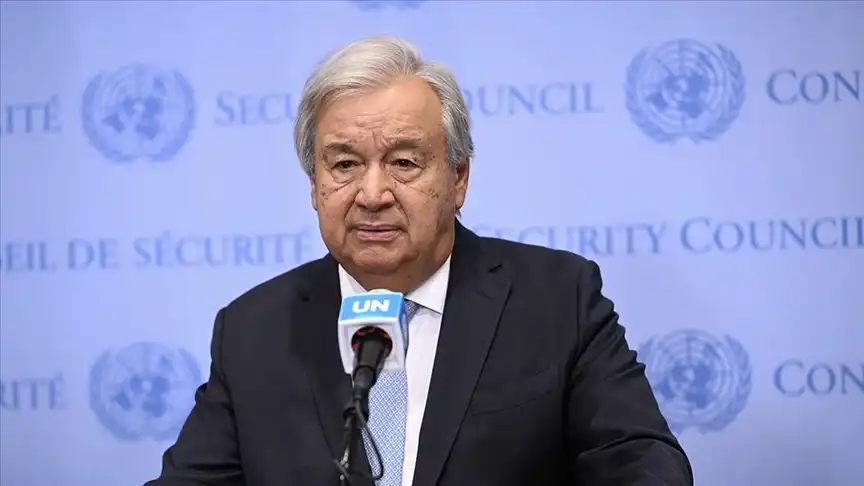
UN Secretary-General Antonio Guterres has reiterated his call for the immediate resumption of humanitarian aid into the Gaza Strip.


The United Nations said in a statement on Sunday that the UN Secretary-General "calls for the immediate resumption of humanitarian aid into Gaza.


He also urged all parties to make the necessary efforts to avoid a return to hostilities in Gaza.


PALESTINE

Sun 02 Mar 2025 5:38 pm - Jerusalem Time

Israeli occupation continues to demolish homes in Nour Shams camp, east of Tulkarm

Today, Sunday, the Israeli occupation bulldozers continued to demolish homes in the Nour Shams camp, east of Tulkarm city, as part of the escalation campaign targeting it for 22 consecutive days.


The demolition continued, in implementation of the occupation’s notice to demolish 11 homes, under the pretext of paving a road starting from the camp square towards the Al-Manshiya neighborhood, and belonging to the families of Yousef, Jabali, Mar’i, Abu Shalabiya, Irani, Shihab, Younis, and Ghanem.


Yesterday, the occupation bulldozers began the demolition process that included a number of homes and residential buildings, starting from the vicinity of Abu Bakr Al-Siddiq Mosque in the camp square.


The head of the Popular Committee for Services in Nour Shams Camp, Nihad Al-Shawish, told WAFA that the occupation is imposing a siege on the camp, which is being subjected to an unprecedented aggression and large-scale forced displacement, amid threats to the residents to evacuate their homes, using live bullets to terrorize them and force them to leave, while wreaking havoc and destruction in homes, streets, and public and private facilities.


He added that the occupation bulldozers continue for the second day to implement the plan to demolish 11 residential buildings that include homes inhabited by dozens of families, and the accompanying destruction and demolition of everything surrounding the targeted homes, due to the nature of the buildings inside the camp that are adjacent to each other, noting that the number of homes that were completely or partially demolished has not been counted due to the ongoing aggression and siege imposed on the camp and its surroundings.


Al-Shawish explained that the occupation did not stop at demolishing, but rather deliberately burned homes and facilities, in addition to causing complete destruction to the infrastructure, including electricity, water, sewage, and communications networks, noting that the camp’s situation is catastrophic and has become a destroyed and afflicted area.


He pointed out that the camp has witnessed a large displacement movement since the beginning of the occupation's aggression against it, and the number of displaced persons has risen to approximately 9,000, out of a total population of 13,500, who were forcibly removed and at gunpoint from their homes in most of the camp's neighborhoods, which have become empty of their residents, namely Al-Manshiya, Jabal Al-Nasr, Al-Salihin, Al-Maslakh and the center of the camp, and they headed to shelters and the homes of their relatives in the city, its suburbs and its villages.


Al-Shawish said: Those who remain are the residents of the Al-Mahjar neighborhood who live in difficult conditions, in light of the shortage of basic supplies such as food, water, medicine, and baby milk, and the accompanying destruction of the infrastructure, accompanied by the tight siege imposed by the occupation, which prevents entry into and exit from the camp, and fires heavily at everything that moves.

PALESTINE

Sun 02 Mar 2025 4:47 pm - Jerusalem Time

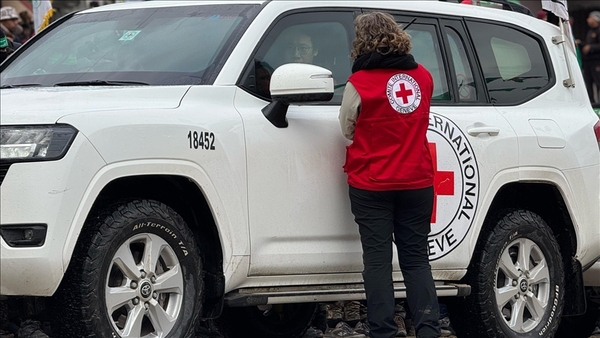
International Red Cross warns of collapse of ceasefire in Gaza

The President of the International Committee of the Red Cross, Mirjana Spoljaric, warned on Sunday of the dangers of the collapse of the ceasefire agreement in Gaza, stressing that the agreement "saved countless lives and provided a glimmer of hope amid unimaginable suffering."


In a statement, Spoljaric stressed that any reversal of the progress made over the past six weeks could push people back into despair, calling for all efforts to ensure the continuation of the ceasefire, in a way that preserves civilian lives and allows humanitarian aid to enter Gaza.


She said that the Red Cross teams played the role of a neutral humanitarian mediator, and contributed to the safe return of prisoners and detainees under the agreement, and will continue to do so when needed, noting that these efforts contributed to reuniting families and ensuring the burial of the dead with dignity.


She added that the Red Cross "did not back down from its commitment to this work despite intense scrutiny and criticism, because lives and families depended on it," stressing the need to continue efforts to maintain the truce and avoid military escalation.


She stressed that "every effort must be made to ensure that the ceasefire continues, so that lives are saved from the ravages of fighting, humanitarian aid can reach Gaza, and more families can be reunited."

PALESTINE

Sun 02 Mar 2025 4:25 pm - Jerusalem Time

Gaza government: Israel violated ceasefire agreement more than 900 times since January 19

The government media office in Gaza announced on Sunday that the Israeli occupation army has committed more than 900 violations of the ceasefire agreement since it came into effect on January 19, resulting in the killing and wounding of hundreds of Palestinians in various governorates of the Strip.


Director General of the Government Media Office, Ismail Thawabtah, said, "The occupation committed more than 900 violations of the ceasefire agreement."


He added that these violations "included aerial and artillery bombardment, intensive drone flights, preventing the entry of humanitarian aid, shooting at citizens, demolishing homes, and targeting cars."


The violations also include "preventing the entry of fuel, obstructing the entry of civil defense vehicles and heavy machinery, and preventing the entry of 260,000 tents and caravans (prefabricated houses)."


Al-Thawabat called on the international community and mediators to pressure the Israeli occupation to stop its crimes and abide by its responsibilities in the ceasefire agreement.


Earlier on Sunday, the Palestinian Ministry of Health in Gaza announced that the total number of deaths since the ceasefire with Israel was declared in the Strip on January 19 had risen to 116 dead and more than 490 wounded.


For its part, the Palestinian Ministry of Foreign Affairs and Expatriates warned, in a statement on Sunday, of the dangers of Israel stopping the entry of humanitarian aid into Gaza, and called for international pressure to force Tel Aviv to bring aid into the Strip "on a sustainable basis."


Commenting on the Israeli government's decision to stop the entry of humanitarian aid into Gaza, the Foreign Ministry stressed its "rejection of politicizing aid and using it as a blackmail card, which would deepen the suffering of more than 2 million Palestinians on top of their already deep suffering, due to the war of extermination and displacement."


The Foreign Ministry called on the international community and all parties to "assume their responsibilities to force the Israeli government to allow aid into the Gaza Strip on a sustainable basis, and to prevent it from using the suffering of the Palestinians and employing hunger as a weapon to impose its political conditions."


The Israeli government's position on the ban on the entry of aid was met with severe criticism and attacks by the families of prisoners and politicians, as the leader of the Israeli opposition "Democrats" party, Yair Golan, said that it evaded negotiations regarding the second phase of the deal.


Following the decision to halt aid, Hamas said that halting humanitarian aid was "cheap blackmail, a war crime and a blatant coup against the agreement."


She called on mediators and the international community to "move to pressure the occupation and stop its punitive, immoral and genocidal measures by starvation against more than two million people in the Gaza Strip."


At midnight on Saturday/Sunday, the first phase of the ceasefire agreement, which lasted 42 days, officially ended, without Israel agreeing to enter the second phase and end the war.


Netanyahu is obstructing this, as he wanted to extend the first phase of the exchange deal to release the largest possible number of Israeli prisoners in Gaza, without providing anything in return for that or completing the military and humanitarian entitlements imposed in the agreement during the past period.


Hamas rejects this, and demands that Israel be bound by the provisions of the ceasefire agreement, and calls on the mediators to immediately begin negotiations for the second phase, which includes an Israeli withdrawal from the Strip and a complete cessation of the war.


On January 19, a ceasefire agreement in the Gaza Strip and a prisoner exchange between Hamas and Israel began, which includes three stages, each lasting 42 days, with the mediation of Egypt and Qatar and the support of the United States.


With American support, between October 7, 2023 and January 19, 2025, Israel committed genocide in Gaza, leaving about 160,000 Palestinian martyrs and wounded, most of them children and women, and more than 14,000 missing.

PALESTINE

Sun 02 Mar 2025 4:08 pm - Jerusalem Time

A young Palestinian was injured after a military vehicle hit his vehicle west of Tulkarm

Today, Sunday, a young man was injured after an Israeli military vehicle hit his vehicle west of Tulkarm.


According to local sources, the military vehicle deliberately hit the vehicle while it was driving near Al-Murabitun Mosque west of the city, which resulted in the young man, Amr Awda, sustaining bruises and wounds, and causing severe damage to the vehicle. The injured person was transferred to the hospital.


The occupation forces deliberately ram citizens' vehicles with their vehicles during their ongoing aggression on the city of Tulkarm and its two camps, by driving at high speeds and against traffic on the main streets of the city and its suburbs. A number of citizens were injured earlier, the latest of whom was citizen Ahmed Awad, who was martyred due to his serious injuries after his vehicle was rammed on Nablus Street opposite Tulkarm camp.

PALESTINE

Sun 02 Mar 2025 2:57 pm - Jerusalem Time

Egyptian proposal includes extending the first phase for two weeks and two prisoner exchange batches

Egypt submitted a proposal on Sunday to extend the first phase of the ceasefire and prisoner exchange agreement between Israel and Hamas for two weeks, during which negotiations for the second phase would resume. Hamas would commit to handing over two batches of Israeli prisoners, each batch containing three prisoners, one of which would include living prisoners and the other would include bodies, according to what Al-Araby Al-Jadeed newspaper reported on Sunday, quoting an Egyptian source.


Israel denied receiving a new Egyptian proposal, and that an Israeli delegation is expected to head to Cairo to discuss the Egyptian proposal.


The Egyptian source expected that the proposal would be accepted by Hamas. At the same time, he pointed out that the mediators in Egypt are counting heavily on an American push for the efforts made to continue the ceasefire by pressuring the Israeli Prime Minister, Benjamin Netanyahu, in light of what the source described as a desire on the part of the American administration not to resume the war.


The Egyptian source said he expected the Israeli delegation to return to Cairo later today to discuss the proposal, and also in an attempt to prepare a complete vision before Trump's envoy, Steve Whittaker, arrives in the region this week. The source said that according to the signals coming from Israel, there is a tendency not to resume any military operations for the next few days at the very least.


In the same context, another Egyptian source confirmed that the Salah al-Din “Philadelphi” axis file has recently topped Egyptian-Israeli and Egyptian-American contacts, and that Cairo has conveyed to all concerned parties its adherence to the complete withdrawal of the Israeli army from the axis, and that Egypt has made it clear that it will not make further concessions or guarantees regarding the Israeli security observations, regarding not using the border strip for arms smuggling operations.


The source revealed that a sharp discussion took place at a high level between an Egyptian official and his American counterpart, during which the representative of the American administration conveyed an accusation against Egypt regarding “some responsibility” for what happened on October 7, 2023, in reference to the Hamas attack, claiming a lack of sufficient control over the border strip.


The Egyptian official responded that this talk is a repetition of the talk promoted by Israeli officials to evade their responsibility and their failure to prevent what happened.


The source added that Cairo expressed its readiness to cooperate and coordinate fully regarding the security situation on the border with the Gaza Strip, and to implement the American project based on precise technical monitoring of that area, provided that Israeli forces withdraw completely from the Salah al-Din axis.

PALESTINE

Sun 02 Mar 2025 2:14 pm - Jerusalem Time

Israeli occupation police arrest 432 Palestinian workers from the West Bank and 55 suspects of helping them

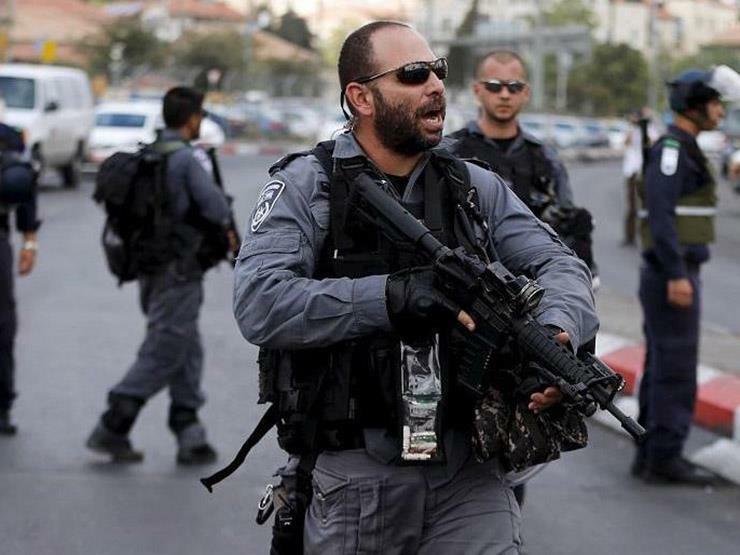
Israeli Border Police forces arrested 432 Palestinian workers from the West Bank in a large-scale operation last week, on the grounds that they were “living without permits,” after they entered in search of work and to provide a decent living for their families. The police also arrested 55 people suspected of helping them.


According to the police, "432 Palestinians residing illegally in the country and 55 suspects of assisting them were arrested over the past week, as part of the Border Police's preparations for the month of Ramadan. The campaign included Jerusalem and its surroundings, in addition to other areas, with the aim of enhancing security and preventing the entry of Palestinians into the country without a residence or work permit."


She added, "The police, through Border Guard personnel, will continue their efforts during the month of Ramadan to thwart the presence of Palestinians and arrest anyone who helps them, while maintaining the security of citizens and ensuring that events are held in a safe and regular manner."

Persecution of Palestinian workers

In this context, the Israeli police continue to pursue Palestinian workers on the pretext of “residence in the country without permits,” and also pursue their employers in the country.


Palestinian workers who hold permits suffer when they go to their workplaces, as their day begins very early, before dawn, and they wait for hours at Israeli military checkpoints, where they are subjected to harassing inspections, before continuing on their way to the workplace.


Palestinians, whether they have permits or not, are looking for work in Israel because there are not enough jobs in the West Bank and Gaza Strip, and also because the wages they receive are higher than those in the West Bank and Gaza, after the occupation weakened the Palestinian economy.


The police continued their campaigns in Arab towns, in the Galilee, the Triangle, the Negev and the coastal cities, to search for Palestinian workers from the West Bank. The pursuit has turned into a nightmare for Palestinian workers who work in Arab towns, due to the police and special units pursuing them. The police arrest workers from the West Bank and the Gaza Strip who entered to work and provide a living for their families.


A number of Palestinian workers are forced to sleep on the ground, in warehouses, shelters and under trees in order to continue their work in the country, to provide a living for their families and relatives, due to the policies of strangulation and preventing economic development in the West Bank, which suffers from a lack of employment opportunities, unemployment and poverty.

PALESTINE

Sun 02 Mar 2025 2:08 pm - Jerusalem Time

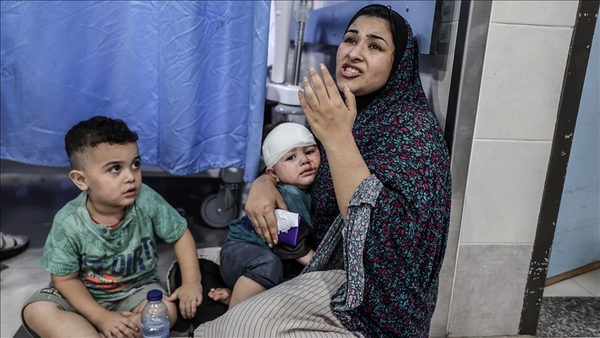
116 dead and 490 injuries since Israel ceasefire was announced in Gaza

The Ministry of Health in Gaza announced today, Sunday, that 116 citizens were killed and 490 others were injured since the ceasefire in the Strip.


The ministry stated in a brief statement that 4 dead and 6 injuries arrived at hospitals as a result of the occupation's targeting of various areas in the Gaza Strip.

PALESTINE

Sun 02 Mar 2025 2:01 pm - Jerusalem Time

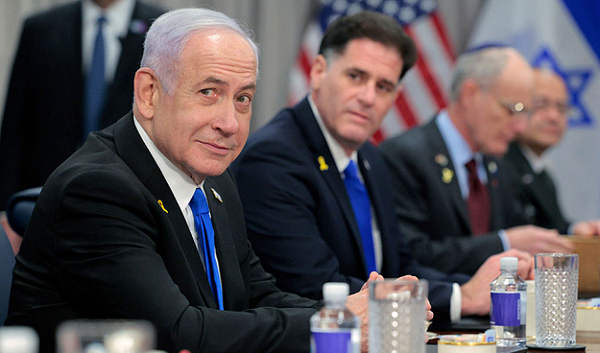
Netanyahu: "Hamas will not benefit from the privileges of the first stage without the release of prisoners"

Israeli Prime Minister Benjamin Netanyahu stressed during the opening of the government session today, Sunday, that Israel has decided to prevent the entry of any goods and supplies into the Gaza Strip, in response to Hamas’ rejection of the proposal of the US envoy, Steve Witkoff, to extend the ceasefire, adding that “if Hamas continues to adhere to its position and refuses to release our prisoners, this will have additional consequences.”


Netanyahu explained that he held a security meeting last night, attended by the Minister of Defense, leaders of the coalition parties, senior security officials, and the negotiating team, during which "it was decided that Israel would adopt Witkoff's proposal for a temporary ceasefire during Ramadan and the Jewish Passover," stressing that "Israel is working in full coordination with US President Donald Trump and his team."


He pointed out that "according to the information available to Israel, Hamas is holding 59 prisoners today, including about 24 who are alive, while at least 35 have been killed," adding, "According to Witkov's proposal, half of the prisoners will be released on the first day, and at the end of the agreement - if an understanding is reached - the rest will be released all at once."


"Wittkoff proposed this plan under the impression that it was impossible to bring Israel and Hamas closer together on the second stage, and that more time was needed for negotiations," he said. In response to criticism of the government, Netanyahu claimed that "contrary to what some claim, Israel did not violate the agreement, while Hamas repeatedly violated the first stage."


He stressed that "the original agreement allows Israel to resume fighting after the 42nd day if it sees that negotiations are not useful," and reiterated that "this clause is supported by a side letter from the previous US administration, and has received the support of the current Trump administration."


"Nevertheless, we accepted Witkoff's proposal because we are committed to returning our prisoners," he added, but he stressed that "Hamas has rejected the proposal so far, and if it changes its position, Israel will immediately enter into negotiations to implement it."


"No negotiations without a price...and the closure of the crossings continues"

"If Hamas thinks it can extend the ceasefire or benefit from the benefits of the first stage without releasing prisoners, it is completely mistaken," Netanyahu said. "We completed the first stage with great success, returning 30 prisoners alive and eight dead to burial."


Netanyahu announced that "with the end of the first stage and Hamas' rejection of Witkoff's proposal, we decided during yesterday's meeting to prevent the entry of any goods and supplies into Gaza starting this morning."

PALESTINE

Sun 02 Mar 2025 12:40 pm - Jerusalem Time

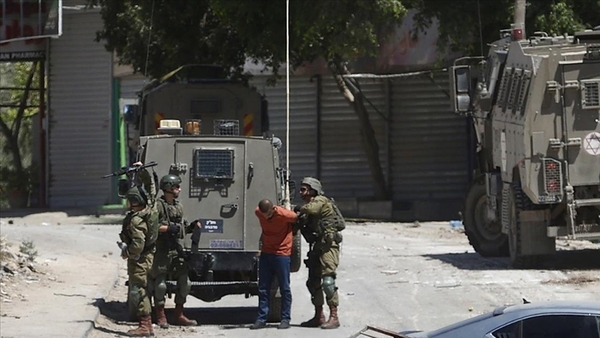
Israeli occupation forces arrest a young Palestinian south of Tubas

Today, Sunday, the Israeli occupation forces arrested a young man from the town of Tamoun, south of Tubas.


The director of the Prisoners Club in Tubas, Kamal Bani Odeh, reported that the occupation forces arrested the young man Omar Mahmoud Hassan Basharat (20 years old), while he was passing through the Awarta checkpoint, southeast of Nablus.

PALESTINE

Sun 02 Mar 2025 11:45 am - Jerusalem Time

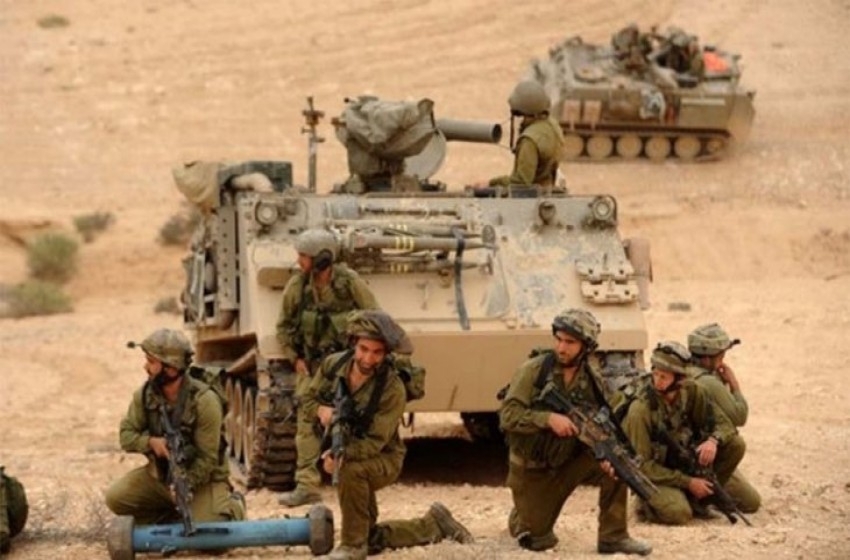
Israel to extend call-up of reserve forces, recruit 400,000 soldiers

The Israeli government is considering, during its weekly meeting today, Sunday, extending the decree that allows the call-up of reserve forces in the Israeli army, and that it will be possible to call up 400,000 reserve personnel.


The government justified such a decision in a statement, saying, “Like 2024, 2025 is expected to be a year of war, and the various fronts, even those where a ceasefire currently prevails, are characterised by instability.”


Therefore, against the backdrop of the ongoing war, and due to the manpower needs of the Israeli army, it is proposed to approve the decree that will allow the continued call-up of reserve soldiers for another three months.”


According to the new decree that will be discussed by the government, it “allows the continued service of reserve soldiers who are in reserve service and are required to continue serving for the purpose of combat and operational work until the date of their release, as will be decided. It will also allow the calling up of other reserve soldiers to replace reserve soldiers who were called up in the past.”


This comes at a time when indirect negotiations between Israel and Hamas regarding moving to the second phase of the ceasefire agreement have stopped, after its first phase ended last night. According to the agreement, Israel was required to begin withdrawing from the Philadelphi corridor yesterday, and withdraw its forces from the Strip.


Israeli Prime Minister Benjamin Netanyahu announced today that he would stop the entry of humanitarian aid into the Gaza Strip, citing a proposal made by US Special Envoy Steve Witkoff, which he claimed Israel had agreed to and Hamas had rejected.


Witkov's proposal includes a plan for a temporary ceasefire during the month of Ramadan and the Jewish Passover holiday, and that on the first day of implementing this proposal, half of the Israeli prisoners will be released, and in the event of reaching a permanent ceasefire, the remaining Israeli prisoners will be released.


For its part, Hamas stressed that "the terrorist occupation's allegations regarding the movement's violation of the ceasefire agreement are misleading and baseless allegations, aiming to cover up its daily violations that have led to the deaths of more than a hundred martyrs, disrupting the humanitarian protocol, and preventing the entry of shelter and relief supplies," warning that this "intensifies the humanitarian catastrophe in Gaza."


Hamas added that "Netanyahu and his government's behavior contradicts Article 14 of the agreement, which stipulates that the procedures of the first stage will continue in the second stage, and that the guarantors will exert their efforts to ensure the continuation of the talks."


It is noteworthy that the ceasefire and prisoner exchange agreement stipulates that throughout the 42 days of the first phase, extensive humanitarian aid will be brought into the Gaza Strip.


Israel claims that the aid brought into the Strip will be sufficient for the next five months.


Article 14 of the agreement stipulates that the ceasefire and the entry of humanitarian aid will continue during negotiations on the second phase of the agreement as well.

PALESTINE

Sun 02 Mar 2025 10:28 am - Jerusalem Time

The Guardian: Israeli occupation's killing of children in the West Bank has "become commonplace"

The British newspaper The Guardian reported on Saturday that Israel's killing of children in the occupied West Bank has become a common occurrence since the Israeli occupation army escalated its aggression in the occupied territories after October 7, 2023. The report indicated that the situation has worsened since the ceasefire in Gaza came into effect on January 19, 2025.


The article was accompanied by surveillance camera footage showing the moment an Israeli soldier shot 12-year-old Ayman Nassar al-Haimouni in Hebron. Al-Haimouni was killed on February 21 while visiting relatives in the Jabal Juhar area south of Hebron. He was shot in the chest and later pronounced dead in hospital.


According to the Guardian, Israeli forces have killed two children a week in the West Bank since the beginning of 2025, a rate slightly higher than the average for 2024, when 93 Palestinian children were killed.


Human rights activists fear the death toll will continue to rise as the Israeli military applies tactics used in Gaza to the West Bank, including the displacement of tens of thousands of residents, the destruction of neighborhoods and relaxed rules of engagement that dictate when soldiers can open fire.


The Israeli military did not respond to inquiries about Hemoni’s killing, the newspaper reported. In some previous cases, military investigations have been made public under media pressure, but they have rarely led to accountability. In 2019, a soldier received just one month of community service for killing a 14-year-old boy in Gaza. Still, such consequences remain extremely rare.


The Israeli human rights organization Yesh Din says the chance of an Israeli soldier being prosecuted for killing a Palestinian is just 0.4 percent — meaning only one in 219 cases results in legal action.


Meanwhile, Defense for Children International - Palestine said on Saturday that the failure to hold Israeli soldiers accountable has effectively given them a green light to commit further abuses in the West Bank.


Iyad Abu Qutaish, Accountability Program Director at Defense for Children International, said that Israeli forces have killed 16 Palestinian children in the West Bank since the beginning of the year, even though none of them posed a real threat. Abu Qutaish also pointed to the increasing frequency of Israeli soldiers delaying ambulances carrying wounded Palestinians and assaulting their families, describing this as a disturbing pattern in the army’s behavior.


It is noteworthy that on February 10, the Israeli newspaper Haaretz said that the Israeli army expanded the open-fire orders in the occupied West Bank, which led to an increase in the number of Palestinian civilian martyrs.


She added, quoting commanders of units in the Israeli army, that the Central Command has decisions to implement the open-fire mechanism it used in the Gaza Strip to kill any unarmed Palestinian, whether suspected or not, in the West Bank.


The newspaper explained that "the broad opening fire orders made it easy for soldiers to pull the trigger at the behest of the commander of the Central Command (of the Israeli army) Avi Balut."


It also quoted Israeli soldiers who participated in the military operation in the West Bank as saying that Balut allowed shooting to kill Palestinians without resorting to arrest.


The soldiers explained that the recent increase in the number of unarmed Palestinian deaths in the West Bank was "unusual," and attributed it to Balut's decision that allowed them to shoot and kill any Palestinian suspected of planting explosive devices or "tampering with the land."

ARAB AND WORLD

Sun 02 Mar 2025 10:21 am - Jerusalem Time

Washington speeds up delivery of $4 billion in military aid to Israel

US Secretary of State Marco Rubio said Saturday he had signed a proclamation to expedite the delivery of $4 billion in military aid to Israel. Rubio said in a statement from the US State Department that the Trump administration, which took office on January 20, has approved a major $12 billion in foreign military sales to Israel, adding that it “will continue to use all available tools to fulfill America’s longstanding commitment to Israel’s security, including the means to address security threats.”


Rubio said in the statement, a copy of which was received by Jerusalem, that he used "emergency authority to expedite the delivery of military aid to Israel, its ally in the Middle East, which is now in a fragile ceasefire with Hamas militants in their war in Gaza."


The Pentagon said Friday that the State Department had approved the potential sale of nearly $3 billion worth of bombs, demolition equipment and other weapons to Israel.


The Trump administration notified Congress of the potential arms sales on an emergency basis, breaking with a longstanding practice of giving the chairs and ranking members of the House Foreign Affairs and Senate Foreign Relations committees the opportunity to review the sale and request more information before submitting a formal notification to Congress.


Friday’s announcements marked the second time in recent weeks that the Trump administration has declared an emergency to quickly approve arms sales to Israel. The previous Biden administration also used emergency authority to approve arms sales to Israel without congressional review.


The Trump administration on Monday rescinded a Biden-era order requiring it to report potential violations of international law involving U.S.-supplied weapons by allies, including Israel, and has also cut most U.S. foreign humanitarian assistance.


The ceasefire agreement between Israel and Hamas on January 19 halted more than 15 months of Israeli war of annihilation in Gaza and paved the way for talks on ending the war, while leading to the release of 44 Israeli hostages held in Gaza and some 2,000 Palestinian prisoners held by Israel.


Hours after the first phase of the agreed ceasefire expired, Israel said early Sunday it would adopt a proposal by Trump envoy Steve Witkoff for a temporary ceasefire in Gaza during the Muslim holy month of Ramadan and the Jewish holiday of Passover. Israel and Hamas have accused each other of violating the ceasefire, casting doubt on a second phase of the deal that was supposed to include the release of more hostages and prisoners as well as steps toward a permanent end to the war.

PALESTINE

Sun 02 Mar 2025 10:18 am - Jerusalem Time

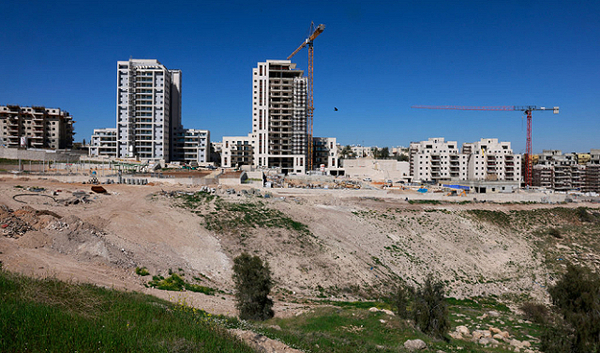
Israel pushes bill to annex settlements in Jerusalem area

The Israeli Ministerial Committee for Legislation is expected to approve today, Sunday, a draft law that legalizes the annexation of settlements in the occupied Jerusalem area to Israel, through the establishment of the so-called "Metropolis of Jerusalem", meaning Greater Jerusalem, so that it includes settlements including "Ma'ale Adumim", "Beitar Illit", "Givat Ze'ev", "Efrat", "Ma'ale Mikhmash" and others.


According to the bill submitted by Likud MK Dan Elioz, “the law, the judiciary and the administration of the state will apply to the Jerusalem Metropolitan Area,” and the mayor of Jerusalem will be the head of the metropolitan area, and the heads of the settlement councils will be members of the “Metropolitan Authority.”


The bill requires the Israeli government and the metropolis to work to expand the land allocated for construction, under the pretext of encouraging young couples to live in this area, expanding public transportation and educational institutions, and more.


The bill's rationale stated that Jerusalem's status had declined in recent years, and that there was negative migration from it, and that the bill would restore to the city "its status as a symbol and as the heart of the Jewish people, and would mobilize the best forces in Israel and among world Jewry to strengthen Jerusalem."


The bill added that settlements near Jerusalem would be able to maintain self-rule, and adding residents would "enable the preservation of demographic balance, and enable many areas to increase construction for housing, commerce, tourism and entertainment, and to preserve green areas."


However, the human rights organization Ir Amim stressed that “the bill seeks to advance an annexation that is illegal under international law and constitutes a continuation of Israel’s gross violation of international law. Annexing settlements in the West Bank under the bill cuts off the West Bank, severs the necessary geographical continuity between the Bethlehem and Hebron areas and between Ramallah and Nablus, and further isolates East Jerusalem and its residents from the entire Palestinian space. This annexation will constitute another extremely important obstacle to a future political solution and other possibilities in the entire region.”


"In addition to the political consequences, the situation today, despite existing legislation that provides special budgets for the city, Jerusalem has been the poorest city for years. The current bill will push many people into the densely populated city, and will cause further enormous damage to its weak economic and social status," Ir Hamim noted.


The association added that "the bill seeks to weaken the Palestinian population in Jerusalem, by imposing a Jewish demographic majority."

PALESTINE

Sun 02 Mar 2025 10:11 am - Jerusalem Time

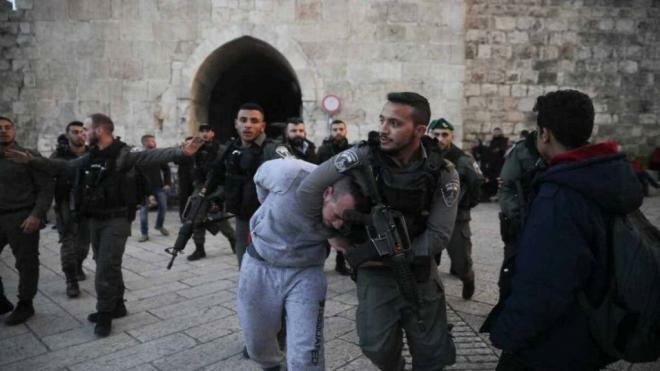
Israeli occupation forces arrest a Palestinian boy from occupied Jerusalem

Today, Sunday, the Israeli occupation forces arrested a boy from the town of Issawiya, northeast of occupied Jerusalem.


Local sources reported that the occupation forces arrested the young man, Ali Amjad Alian, after raiding and searching his family's home in the town.


It is noteworthy that the occupation forces carried out a few days ago demolition and bulldozing operations that included a house, plastic houses, and livestock pens, and bulldozed agricultural lands, retaining walls, and uprooted a number of trees.

OPINIONS

Sun 02 Mar 2025 9:46 am - Jerusalem Time

Palestine in front of Balfour and Trump's promises!

Nabhan Khreisha

Nabhan Khreisha

Opinion Writer

Just as British Foreign Secretary Arthur Balfour promised the Zionist movement 107 years ago to establish a homeland for the Jews in Palestine, Israel is now seeking a similar promise from US President Donald Trump to recognize its annexation of the West Bank, thus completing the occupation of Palestine from the river to the sea. During the 31 years between the issuance of the Balfour Declaration in 1917 and the declaration of the establishment of Israel in 1948, Palestine under British colonialism witnessed waves of Jewish immigration to it from different parts of the world, and the Palestinian national movement was unable to stop them, and thus prevent the Nakba from occurring, but it failed due to the strength of the Zionist movement supported financially, politically and militarily by the colonial powers, and due to the limited capabilities of the Palestinian national movement, and its reliance on Arab regimes that were in the orbit of the colonial powers at the time.


During his first term in office, about 100 years after the Balfour Declaration, President Trump announced his plan, known in the media as the “Deal of the Century,” which included US recognition of Israel’s sovereignty over the West Bank, but that did not happen at the time.


The issue was raised again during the Conservative Political Action Conference (CPAC), held in Washington on February 20, 2025, with Donald Trump in attendance. Although the conference did not recommend recognizing the annexation of the West Bank by Israel, it did adopt a resolution calling the West Bank “Judea and Samaria,” a resolution that the leader of the Israeli settler organizations in the Palestinian territories (Israel Gantz) likened to the Balfour Declaration. The conference’s decision to replace the name of the West Bank with its biblical name comes after a similar resolution was issued by the Israeli Knesset.

There is every reason to assume that the Trump administration will recognize Israel’s annexation of the West Bank, based on the fact that Trump, in his first term, recognized Israel’s annexation of the Golan Heights and moved its embassy to Jerusalem, which means that the United States recognizes Israeli sovereignty over the eastern part of the city. Trump may respond to Israel’s demand to recognize its annexation of the West Bank, given that Trump’s largest donor in his election campaign is Israeli billionaire Miriam Adelson, who had expressed her hope that Washington would recognize Israel’s annexation of the West Bank. Also, given that most Republican members of the Senate and House of Representatives, who are supported by Zionist and Christian Zionist financiers, it is unlikely that the Trump administration will not recognize Israeli sovereignty over the West Bank.


Finance Minister Bezalel Smotrich pledged during a speech he gave at a meeting of his Religious Zionism party to congratulate Trump on his victory in the US presidential elections, that 2025 would be the year of Israeli sovereignty over “Judea and Samaria.” Smotrich’s certainty is based on the fact that Trump aligns with the vision of the ruling Zionist right regarding dealing with the Palestinian issue, as this right has greater influence today than it did during Trump’s first term, and even more than at any time before that. This right currently controls all aspects and details of the lives of Palestinians in the West Bank, not to mention its removal of “legal” obstacles to the expansion of settlements and the increase in the number of settlers. It also has influence at the highest levels of the military and judicial systems, and at decision-making centers in many aspects of political and societal life in Israel, which forces Trump to deal with it and conform to its policies.


There is no doubt that the Trump team is closely following the ongoing operations of the occupation army in the northern West Bank, to destroy refugee camps in the cities of Tulkarm and Jenin, to destroy homes and infrastructure in them, and to displace thousands of their residents with the aim of creating favorable conditions for the implementation of the annexation and the Trump administration’s recognition of it. Trump’s expected promise is the subject of statements by officials in his administration, such as the Ambassador to the United Nations (Elise Stefanik), who said that “Israel has biblical sovereignty over Judea and Samaria” and that in her view the Palestinians do not have rights as a people, “and certainly do not have the same rights as the Israelis,” as she claimed. Another indication of the possibility of obtaining the American promise is that Israel’s estimates indicate that Trump will resume his policy in his current term from where he left off in the first, specifically when an American-Israeli committee officially launched the annexation map in the West Bank in 2020.


Some may argue that Trump's policy in his second term may differ from his first, as evidenced by his insistence on stopping the war in the Gaza Strip. However, this belief is refuted by Trump's own statements, which indicate that his call to stop the war is only related to the issue of releasing the Israeli detainees in the Strip, after which Israel can do whatever it wants in Gaza or the West Bank, "because it's not our war... it's their war," as he put it. His position on Israel's annexation of parts of the West Bank was also clearly evident when he used a pen at a press conference he held in the Oval Office, comparing its size to the size of the desk he was sitting on, in reference to the small size of Israel compared to the Arab countries, and said, "It is definitely a small country in terms of area."


Just as the Zionist movement was active in transforming the Balfour Declaration into a reality by establishing Israel, such as encouraging Jewish immigration to Palestine, establishing settlements, and displacing Palestinians, Israel today has paved the way for Trump’s expected promise by enacting a set of laws in this direction. At the end of January 2024, the Knesset approved in its preliminary reading a law that allows settlers to buy and own land in the West Bank, which is practically an annulment of the Jordanian law on “renting and selling real estate to foreigners” issued in 1953, which prohibits the purchase of land in the West Bank by foreigners who do not hold Jordanian or Arab citizenship. In the same efforts, the Israeli government had announced about two years ago that it would place 3,200 Palestinian archaeological sites, most of them in Area C, under the administration of the so-called “Israeli Antiquities Authority.”

The goal of the Netanyahu government is not limited to attacking the cities of Jenin, Tulkarm and Tubas, demolishing their camps and displacing their residents, but rather extends to dismantling the Palestinian Authority brick by brick. This is clearly evident in Israel’s withdrawal of the administrative powers of the Palestinian Authority in Area B, specifically in the Bethlehem Wilderness, which represents 3% of the West Bank, and assigning its responsibility to the Israeli Civil Administration. It also withdrew the authority’s powers to prevent it from issuing new building permits in that area. The “Smotrich Plan” to resolve the conflict with the Palestinians is the only one on the decision-making table in Israel. Many of its provisions have already been implemented, such as imposing a new “geo-demographic” reality in the West Bank, by legitimizing more settlements, intensifying settlement construction and increasing the number of settlers.


The rest of its provisions will be completed later when conditions become favorable, such as dividing the West Bank into several areas governed by separate civil administrations, and Israel retaining full security responsibility and absolute military freedom for the army there, after dismantling the Palestinian Authority, while maintaining police units to enforce order and law only.


Colonists like the English Balfour and the American Trump decide to grant land that is not theirs and to seize it from its original people to another invented people, in order to ensure their dominance over the Arab region. However, what Trump and Balfour before him missed is that the Palestinian people do not consider Trump’s possible recognition of Israel’s annexation of the West Bank to be an irresistible fate, just as they do not consider the Israeli occupation to be a fate, and this explains their continued resistance over the past 76 years.

OPINIONS

Sun 02 Mar 2025 9:42 am - Jerusalem Time

Failure of the second phase negotiations of the Gaza war

Hamada Faraana

Hamada Faraana

Opinion Writer

The preliminary negotiation session in Cairo at the end of February 2025 between the delegations of the colony and Hamas was paralyzed, against the backdrop of implementing the steps of the first phase of the truce agreement, and trying to move towards the second phase, as there was no agreement on the agenda, and there was a conflict between them over the proposal to expand and extend the titles and topics of the first round, according to the desires and request of the colony delegation, and the Palestinian delegation insisted on separating the topics of the first phase from the topics of the second phase, and not extending it on the basis of reducing the negotiations to the exchange of the release of prisoners by both sides .


The failure of the preliminary round of negotiations under the auspices of the Egyptian-Qatari-American tripartite does not mean and will not lead to the end of the negotiations, the closure of the negotiation option and the resumption of war, despite the deception and demagogy used by Netanyahu through threats, and the threat of his Minister of Defense, Yisrael Katz, to hold military and security meetings, and to change the leadership of the army and security services and replace them to be more responsive to the plans and tactics of the far-right coalition government described as a failure and failure to address and confront the results of the October 7, 2023 operation and its repercussions.


Netanyahu's government is in a predicament of not being able to make a decisive choice towards: continuing the negotiations, which is rejected by Netanyahu's allies in the government, who are the most extremist, or towards a decision to end the ceasefire and resume the war, which is rejected by both parties to the protest:


The first is from the Israelis, led by the families of the remaining Israeli prisoners and the families of those who sympathize with them. The second is from the army and intelligence who still insist that the option of war is of no importance after the destruction of the institutions of the Gaza Strip, and that there is no longer any strategic goal that can be attacked and targeted, and that continuing the option of war constitutes a process of military, human and financial drain that has exhausted the Israeli economy, despite all the support that the United States has provided them, from the October operation until now, the latest of which was the approval of providing weapons worth nearly 3 billion dollars.


Netanyahu will in any case remain maneuverable and a prisoner of all possibilities and options, after the court gave him refuge until May, to form a civilian investigation committee on the basis of “negligence” due to the surprise October operation, especially after the military investigation committee completed its work and held the military leadership, especially the army commander, the commander of military intelligence and the intelligence, responsible for the military, security and intelligence negligence.

PALESTINE

Sun 02 Mar 2025 9:35 am - Jerusalem Time

Settlers graze their livestock on Palestinian citizens' crops in the Jordan Valley

Today, Sunday, settlers released their livestock into the rainfed crops of citizens in Khirbet al-Farisiya in the northern Jordan Valley.


Local sources reported that settlers grazed their livestock on the rain-fed crops of citizens in the area, noting that this is not the first time that settlers have deliberately grazed their livestock on citizens’ crops.


Every year, the settlers graze and destroy hundreds of dunams of agricultural land in the northern Jordan Valley, in addition to preventing citizens from grazing their livestock in the pastures, raiding their homes, terrorizing them, and attempting to steal their livestock.

PALESTINE

Sun 02 Mar 2025 9:18 am - Jerusalem Time

Israel continues its aggression on the city of Tulkarm and its two camps

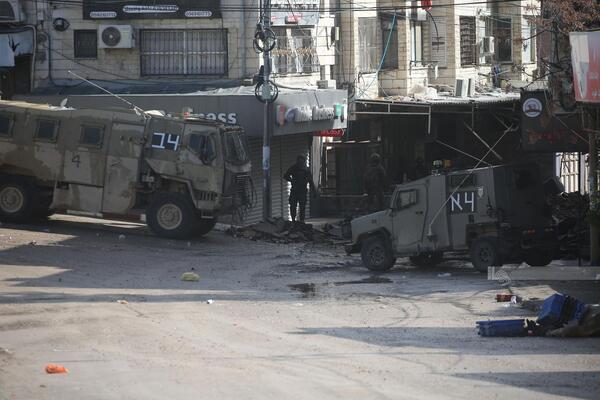
The Israeli occupation continues its extensive aggression on the city of Tulkarm and its camp for the 35th consecutive day, and on the Nour Shams camp for the 22nd day, and has escalated the storming operations, raids on homes, and forced displacement of residents, amidst the destruction and burning of a number of them.


Local sources reported that the occupation forces sent military reinforcements to the city and its two camps, Tulkarm and Nour Shams, and patrolled the streets and alleys amidst heavy live ammunition, while they were stationed along Nablus Street linking the two camps, where they are still seizing residential buildings on the street and turning them into military barracks.


Eyewitnesses reported that the occupation forces vandalized and destroyed the contents of the Al-Amer building on Nablus Street after seizing it and forcibly forcing its residents to leave, and threw personal belongings out of the windows.


The occupation continues to impose a strict siege on the Tulkarm and Nur Shams camps, preventing entry into or exit from them, and deploying infantry squads around them and inside the neighborhoods and alleys, accompanied by police dogs, while raiding homes, vandalizing them and destroying their contents, and subjecting any residents inside them to interrogation.


In Nour Shams camp, the occupation forces set fire to residential homes in the Al-Manshiya neighborhood at dawn today, with flames seen rising from them, in continuation of the demolition operations carried out yesterday, Saturday, which affected more than 11 homes and their surroundings.


The occupation forces also forced the residents of the Wadi al-Qalansaweh neighborhood to evacuate their homes by force, after raiding them and firing sound bombs at them, while using their members as human shields. Citizens reported that the occupation gave seven families in the neighborhood until eight o'clock this morning to leave their homes.


Earlier, the occupation forces raided homes in Jabal al-Nasr neighborhood, forcing residents to leave, and giving them a few minutes to leave, while firing live bullets and sound bombs to terrorize and terrify them.


In Tulkarm camp, the occupation forces raided the empty houses and shops located along Al-Wakala Street after removing their doors and blowing them up, while firing live bullets at the houses in the areas near the airport and Al-Hadaida neighborhoods, to terrorize the residents who remained in their homes in those neighborhoods.


Since the first day of the occupation's aggression, Tulkarm and Nour Shams camps have witnessed a large displacement movement among their residents, including women, children, the elderly and the sick, whose number exceeded 16,000 displaced persons, who headed to shelters and the homes of their relatives in the city, its suburbs and its countryside.


The occupation forces directly targeted the infrastructure of the city and the camps, destroying roads, water, electricity, sewage and communications networks, making daily life more difficult.


Amidst the continued tight siege on the camps, the appeals of the citizens who are still in their homes and living in difficult and harsh conditions continue daily, to secure the arrival of their basic needs of food, water, medicine and baby milk, and to work on repairing the water and electricity networks, at a time when the occupation is obstructing and preventing the work of the relief crews while they are trying to deliver the basic necessary materials to them.


For the 23rd consecutive day, the occupation forces continue to close the gate of the Jabara checkpoint at the southern entrance to the city of Tulkarm, isolating the city from the villages and towns of Al-Kafriyat and the rest of the West Bank governorates.

ARAB AND WORLD

Sun 02 Mar 2025 9:12 am - Jerusalem Time

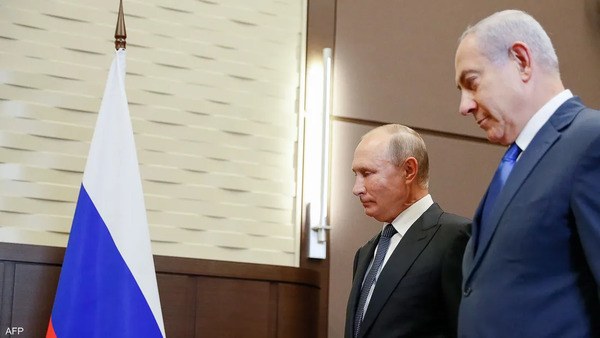
Israel strengthens its relationship with Russia... and the goal is "Türkiye and Syria"

Yedioth Ahronoth newspaper revealed that Israel is working to strengthen its relations with Russia, in order to achieve a further goal, which is to curb Turkish influence in Syria.


The Israeli newspaper explained that Prime Minister Benjamin Netanyahu sent his military secretary, Roman Goffman, to Moscow in recent days to hold a series of security and diplomatic meetings aimed at strengthening cooperation with Russia, in order to "protect Israel's strategic interests."

Goffman, who returned from Moscow on Friday, is considered one of Netanyahu's closest advisers, and has carried out similar secret missions in other locations in recent weeks.

The newspaper says that Israel's position on Syria has become increasingly clear: it prefers Russian influence over a Turkish foothold, and is actively working to limit Ankara's influence over its neighbor.

On the other hand, Israel is also deeply concerned about “those who are strengthening their power in post-Assad Syria,” and whom Israel considers hostile to it.

Netanyahu has already stepped up pressure in this direction, publicly calling for the demilitarization of southern Syria.


According to Reuters, Israel is urging the United States to ensure that Syria remains "weak," including allowing Russia to maintain its military bases there to counter Turkey's efforts to form a security alliance with the new authorities in Syria.

Turkish President Recep Tayyip Erdogan is expected to host his Syrian counterpart, Ahmed al-Sharaa, and their discussions are set to focus on establishing Turkish military bases, training the reconstituted Syrian armed forces, and securing the country's airspace, according to Yedioth Ahronoth.

Israel views these developments as a direct threat to it and is working to thwart them, preferring the Russian presence in Syria to Turkish influence.

Following the fall of the Assad regime, Israeli forces penetrated a large distance into Syrian territory after the dissolved army withdrew from its bases.

During a graduation ceremony for Israeli army officers last week, Netanyahu reiterated the need for an Israeli military presence in key areas of Syria and Lebanon.

He said: "We demand the complete disarmament of the new regime forces in southern Syria, and we will also not tolerate any threats to the Druze population in southern Syria."


Netanyahu also announced that Israeli forces will remain stationed on Mount Hermon overlooking Damascus and the buffer zone for an indefinite period, in order to "protect Israeli communities and deter emerging threats," he said.

"We will not allow the forces of Hay'at Tahrir al-Sham (which led an offensive that toppled the Assad regime) or the New Syrian Army to enter the area south of Damascus," he continued.

Within 24 hours of Netanyahu's remarks, the Israeli military launched airstrikes on Syrian military sites, and Israeli Defense Minister Israel Katz later confirmed the strikes, saying they were "part of our new policy of demilitarization in the region."

He added: "Our message is clear: We will not allow southern Syria to turn into another southern Lebanon. We will not put the security of our citizens at risk."

On Saturday evening, Katz threatened to intervene militarily in Syria "if the regime harms the Druze."


"We will not allow the extremist terrorist regime in Syria to harm the Druze. If the regime attacks the Druze, it will bear consequences from us. We have ordered the army to prepare and send a clear and strict warning: If the regime harms the Druze, we will harm it," Katz said in a statement issued by the Israeli Defense Ministry.

The statement referred in particular to the densely populated suburb of Jaramana, southeast of Damascus, with a Christian and Druze majority, where one person was killed and nine others were injured on Saturday in clashes between Druze gunmen and members of the security forces affiliated with the new authorities, according to the Syrian Observatory for Human Rights.

Netanyahu and Katz ordered the Israeli army to "prepare to defend" the suburb.


PALESTINE

Sun 02 Mar 2025 8:40 am - Jerusalem Time

Two Dead and others wounded in Gaza, and Israel renounces the agreement

Two citizens were killed and others were injured on Sunday morning when an Israeli drone bombed a group of citizens in Beit Hanoun, north of the Gaza Strip.


Israel continues to violate and evade the agreement, while Hamas demanded the implementation of the second phase of the Gaza agreement.


Israeli drones targeted a group of Palestinians in the Al-Masryeen neighborhood in Beit Hanoun, resulting in the martyrdom of the young man Hudhayfah Ibrahim Al-Masry and the injury of others.


According to statistics published by the head of the government media office, Salama Maarouf, the Israeli occupation army has killed 100 Palestinians and injured 820 others in the Gaza Strip since the ceasefire agreement went into effect on January 19.


Hamas insisted on starting the second phase of the ceasefire agreement, which would end the war in the Gaza Strip, after the end of its first phase on Saturday. However, Israel expressed its approval of an American proposal to extend the current truce until mid-April, in light of the failure to reach an agreement in the negotiations.


Hamas called for the implementation of the second phase of the ceasefire agreement with Israel, which went into effect on January 19, considering that an American proposal for a truce until mid-April, which was approved by the Israeli Prime Minister, is “a clear confirmation that the occupation is evading the agreements it signed.”


Hamas leader Mahmoud Mardawi said in a statement: “The only way to achieve stability in the region and the return of the prisoners is to complete the implementation of the agreement.”

Starting with the implementation of the second phase, which includes negotiations on a permanent ceasefire, comprehensive withdrawal, reconstruction, and then the release of prisoners within the framework of an agreed-upon deal... This is what we insist on and we will not back down from it.”


The office of Israeli Prime Minister Benjamin Netanyahu announced in a statement that "Israel is adopting the plan of US Presidential Envoy Steve Witkoff for a temporary ceasefire during the month of Ramadan," which ends at the end of March, and during the Jewish Passover holiday, which will be celebrated in mid-April.


Adding that Israel is ready to begin "immediately" negotiations on "the details of the Witkoff plan" with Hamas.

PALESTINE

Sun 02 Mar 2025 8:36 am - Jerusalem Time

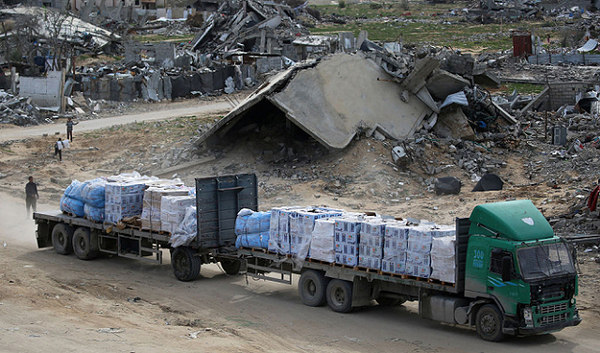
Israel stops humanitarian aid from entering Gaza Strip

Israeli media reported that the Israeli government decided to stop the entry of trucks loaded with humanitarian aid into the Gaza Strip until further notice.


This came during a meeting held yesterday evening, headed by Prime Minister Benjamin Netanyahu, where the decision was made in coordination with the American side.


This comes as the first phase of the ceasefire agreement ends, which officially ended at midnight last night.

PALESTINE

Sun 02 Mar 2025 8:34 am - Jerusalem Time

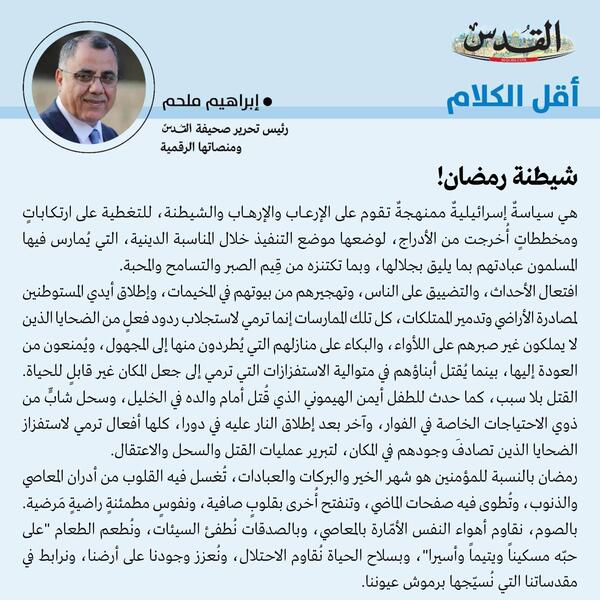
Demonization of Ramadan!


It is a systematic Israeli policy based on terror, intimidation and demonization, to cover up crimes and plans that were taken out of the drawers, to be put into effect during the religious occasion, in which Muslims practice their worship in a manner befitting its majesty, and with the values of patience, tolerance and love it contains.


Fabricating events, oppressing people, displacing them from their homes in the camps, and giving settlers free rein to confiscate land and destroy property, all of these practices are aimed at eliciting reactions from the victims who have nothing but patience for the suffering and crying over their homes from which they are being expelled into the unknown, and to which they are prevented from returning, while their children are being killed in a series of provocations that aim to make the place uninhabitable.


Killing without reason, as happened to the child Ayman Al-Haimouni who was killed in front of his father in Hebron, and the dragging of a young man with special needs in Al-Fawar, and another after he was shot in Dura, are all actions aimed at provoking victims who happened to be in the area, to justify the killing, dragging, and arrest.


For believers, Ramadan is a month of goodness, blessings and worship. Hearts are cleansed of the filth of sins and transgressions, pages of the past are turned and new ones are opened with pure hearts and reassured, content and satisfied souls.


By fasting, we resist the desires of the soul that commands sins, and by giving charity, we extinguish bad deeds, and we feed the poor, the orphan, and the captive “for the love of God.” And with the weapon of life, we resist the occupation, and strengthen our presence on our land, and we remain steadfast in our sanctities that we fence with the eyelashes of our eyes.

ARAB AND WORLD

Sun 02 Mar 2025 8:26 am - Jerusalem Time

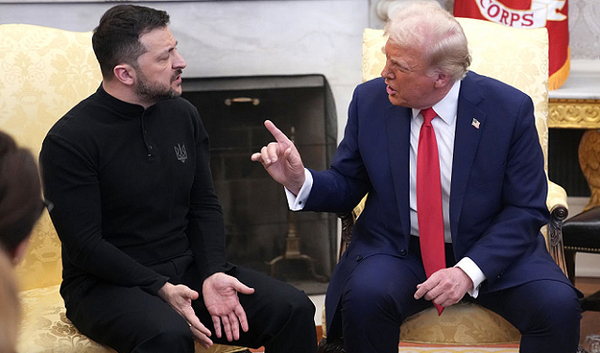
Trump-Zelensky Sparring: A New Approach to Tough Diplomacy


Dr. Hussein Al-Deek: Trump’s arrogant treatment reflects a new American approach to managing international relations reminiscent of the methods of the 1920s and 1930s

Dr. Jamal Harfoush: What happened may be an implicit indication that Trump is ready to conduct direct negotiations with Putin without the need to involve Zelensky

Dr. Saeed Shaheen: Zelensky's behavior was not spontaneous, but rather came as a result of "sufficient encouragement from Western countries" that aspire to seize Ukraine's natural resources

Awni Al-Mashni: Trump is trying to move relations with Europe from a partnership to full dependence, a clear shift that was evident in his meeting with Zelensky

Dr. Saad Nimr: Trump wants to share in the Ukrainians’ wealth, but at the same time he does not want to provide ongoing military or financial support to Kiev


The shock of the recent public altercation between US President Donald Trump and his Ukrainian counterpart Volodymyr Zelensky continues to prevail in international diplomatic circles, raising questions about the future of international alliances and the nature of relations between allies, as Ukraine is one of Washington's allies.


In separate interviews with “I”, writers, political analysts, specialists and university professors confirm that this incident, which occurred during a meeting between Trump and Zelensky, is a “historical precedent” that revealed a radical shift in American strategy, as Washington seemed to abandon its traditional role as a major supporter of Ukraine, to begin imposing its own vision without taking into account diplomatic norms or the interests of allies.


They point out that what happened between Trump and Zelensky was met with European reactions that were quick and cautious, as European countries began to re-evaluate their historical reliance on American protection in light of growing doubts about Washington’s commitment to European security, while European statements show an emphasis on support for Ukraine.


They believe Ukraine faces existential challenges as US support wanes, with Washington seemingly moving toward a political settlement that could be imposed on Kiev without regard for its sovereign demands.


A historical precedent in American diplomacy and international relations


The writer and political analyst specializing in American affairs, Dr. Hussein Al-Deek, considers what happened in the White House between US President Donald Trump and his Ukrainian counterpart, Volodymyr Zelensky, to be a historical precedent in American diplomacy and international relations, as the meeting witnessed an unprecedented escalation by Trump, reaching the point of publicly insulting the head of an allied country, which contradicts the internationally recognized diplomatic norms and protocols.


Al-Deek explains that this behavior contradicts the Vienna Convention on Diplomatic Relations, which regulates the relationship between sovereign states and governs how leaders and chiefs deal, even in the face of crises and political disputes that prevailed after World War I.


Al-Deek describes Trump’s behavior during the meeting as not just political criticism, but a hostile approach with deep implications, noting that what happened represents “a dangerous shift in the way the United States deals with its allies, as it seemed that Trump does not see Ukraine as a real partner, but rather as a follower who must comply with his vision.”


Al-Deek asserts that Trump did not stop at criticizing Zelensky, but rather used insulting language, accusing him of not being ready for peace and disrespecting the United States, which Al-Deek considers a reversal of the facts, noting that the insult was actually directed at the Ukrainian president, not the other way around.


He stresses that Trump's condescending approach reflects a new American approach to managing international relations, reminiscent of the methods of the 1920s and 1930s, when relations between countries were based on temporary interests and opportunistic alliances, which later led to the emergence of fascist and Nazi movements, and the world's entry into the vortex of World War II.


Angry reactions in Europe


Al-Deek points out that the crisis between Trump and Zelensky has sparked angry reactions in Europe, especially in Paris and Brussels, where French President Emmanuel Macron described Trump’s position as unfair, stressing that “those who have been fighting for three years are the ones who have the right to talk about reality, not those who recently came to determine the course of the war,” indicating that Zelensky is the one who has the right to make decisions about the future of the war, not Trump.


Al-Deek explains that the wavering US position has prompted the European Union to reconsider its defence strategy, noting that the European Collective Security Treaty is now under reconsideration, and that there are intensive efforts by France, Germany and Italy to promote the project of establishing an independent European army, which has been talked about for years, but has now become more urgent in light of the decline in confidence in the US commitment to European security.


It shows that the Europeans are aware of the danger of expanding Russian influence, as they fear that Ukraine is just the beginning, and that neighboring countries may become Moscow's next target, which makes building an independent European military force necessary to confront future threats.


Al-Deek asserts that Trump's statements about Zelensky's unwillingness to make peace reveal a growing American bias towards the Russian position, as Washington appears to have become more accepting of the idea of Russia retaining the Ukrainian lands it has annexed, referring to the five provinces that have come under Russian control.


He points out that this trend reflects secret talks between Moscow and Washington, which may include implicit American acceptance of these territories remaining under Russian rule, something Zelensky categorically rejects, considering it an unacceptable concession of Ukraine's sovereignty.


Al-Deek explains that the European position seems different from the American approach, as calls are increasing within Europe to provide more military and political support to Kiev, to compensate for any possible decline in American support under Trump’s leadership.


He points out that the United States has breached its obligations towards Ukraine, noting that what happened in the White House reflects a radical change in American strategy, as support for Kiev is no longer guaranteed as it was during the Biden administration, which puts Zelensky in a critical political and military position.


Al-Deek explains that the war in Ukraine was not just a war between two countries, but rather a confrontation between two international camps, with Ukraine fighting on behalf of the West and NATO, and not just in defense of its territory, which makes the changing American position a betrayal of European and Ukrainian interests.


Al-Deek points out that Democrats in the US Congress strongly criticized the behavior of Trump and his deputy during the altercation with Zelensky, as they considered that what happened harmed the reputation of the United States as a leading country in the free world, and may weaken its influence in the future.


A turning point in the political course of the Ukrainian war


Professor Dr. Jamal Harfoush, Professor of Scientific Research Methods and Political Studies at the University of the Academic Research Center in Brazil, describes the public altercation between US President Donald Trump and his Ukrainian counterpart Volodymyr Zelensky, and the unprecedented expulsion of a head of state from the White House that followed, as a “major turning point” in the political course of the Ukrainian war, noting that the incident could be a prelude to reshaping international alliances and a radical change in Western strategy towards the conflict.


Harfoush asserts that this development reflects the erosion of American support for Ukraine, and may translate in the future into a reduction in military and financial aid that represents the lifeline of Ukrainian forces.


Harfoush believes that Trump, who believes that the Russian-Ukrainian war does not serve American interests, but rather is an economic drain on the United States, seeks to rearrange his country's international priorities and push Europe to bear responsibility for its security instead of relying entirely on Washington.


Deep strategic dimensions


According to Harfoush, Trump's statements during the confrontation with Zelensky, especially when he said that the latter was "not ready for peace" and "disrespected the United States," carry deep strategic dimensions.


Harfoush explains that these statements reflect Trump’s belief that Kiev is not willing to end the war because it benefits from continued Western support. From this standpoint, Trump believes that aid should not be provided without conditions, as was the case during the Biden administration, but rather should be used as a pressure card to force Ukraine to negotiate, even if that means imposing a political settlement that is in Moscow’s interest.


Harfoush believes that this shift puts Zelensky in a difficult position, as it has become clear that his biggest supporter no longer trusts his leadership of the crisis. As a result, internal pressures may increase in Ukraine to replace him or force him to adjust his policies towards accepting a negotiated settlement, especially if the Ukrainian political and military elites feel that Washington’s support is no longer guaranteed.


Harfoush notes that the public spat has alarmed European leaders, reopening questions about the reliability of the United States as a security partner. If Trump continues to push for reducing U.S. military commitments in Europe, European countries may find themselves forced to bolster their own independent defense capabilities, either by increasing military spending or developing new security strategies outside NATO.


European concern is believed to stem from fears that the war could turn into a long-term frozen conflict, with Ukraine remaining an unresolved battlefield, meaning continued security threats and increased geopolitical uncertainty.


Harfoush points out that Trump's statements and his confrontational dealings with Zelensky may push Europe to rethink the extent of its reliance on the United States in major strategic files, especially in light of doubts about Washington's commitment to protecting the continent's security in the long term.


Harfoush believes that what happened in the White House may be an implicit indication that Trump is ready to hold direct negotiations with Putin without the need to involve Zelensky, which means that the map of possible solutions to the war may change completely, as he is likely to seek to end the war according to American-Russian conditions, without taking into account Ukrainian demands in the first place.


Harfoush explains that Trump’s statements about Zelensky’s lack of respect for the United States reflect his belief that Kiev has begun to take American support for granted, without showing sufficient gratitude. For this reason, Trump seems intent on reframing the relationship with Ukraine, so that it is based on clear and specific conditions, rather than on unconditional support as was the case during the Biden administration.

He stresses that Zelensky is now facing the biggest challenge to his political legitimacy since the war began. After his public expulsion from the White House, his international standing has become weak, and he no longer enjoys the same support he had before.


Harfoush points out that this incident may force Zelensky to reconsider his political and military calculations, whether he wants to or is forced to do so by international pressure. He may find himself facing two choices: either accept a political settlement that may not meet his ambitions, or face increasing international isolation that makes him more vulnerable to internal and external pressures.


According to Professor Harfoush, what happened in the White House is not just a passing quarrel, but rather a turning point that may reshape the Ukrainian war and international relations in general.


Harfoush explains that the new American position, led by Trump, indicates that Washington's support for Kiev is no longer unconditional, and that there is a clear trend towards ending the war at any cost, even if it is by imposing an unequal settlement on Ukraine.


"An unforgivable lapse in diplomatic etiquette"


Dr. Saeed Shaheen, Professor of Political Media at Hebron University, confirms the repercussions of the public confrontation that Ukrainian President Volodymyr Zelensky provoked with his American counterpart Donald Trump, stressing that this behavior is an "unforgivable lapse in diplomatic norms" and may put Kiev in a difficult position on the military and political levels.


Shaheen explains that Zelensky, who is known for his background in acting and comedy, has used the heavy presence of international media to present himself as a leader who challenges not only Russian President Vladimir Putin, but also US President Trump.


"Zelensky's reckless behavior may cost him US support, even though Washington has provided hundreds of billions to support Ukraine and prevent its division," Shaheen says.


He points out that Ukraine is "gradually losing the war," considering that "the moment when the Ukrainian army and the mercenaries fighting alongside it collapse may be closer than some think."


Shahin believes that Zelensky's actions in the White House were not spontaneous, but rather came as a result of "sufficient encouragement from Western countries" that aspire to seize Ukraine's natural resources, including rare minerals.


“The evidence for this is the rush to issue European statements in support of Zelensky’s position, by leaders such as Emmanuel Macron, Olaf Scholz and Keir Starmer, because Europe is interested in continuing the war to achieve strategic and economic gains,” Shaheen says.


Ukraine is in a dangerous security situation


But Shaheen warns that these calculations may be wrong, stressing that Ukraine has become in a dangerous security situation, as Moscow is closely monitoring the situation and may be ready to move towards Kiev, its first historical capital, and then Kharkiv and Odessa, if the situation continues to deteriorate in its favor.


Regarding European fears of a potential Russian threat, Shaheen stresses that talk of “European security” is merely political rhetoric repeated by European leaders, stressing that Russia has never attacked Western Europe throughout history, but was the party that was subjected to wars by the West.


Shaheen stresses that the United States is committed to Europe's security through its military bases spread across the continent, but the problem lies in the fact that NATO is unable to achieve a decisive victory against Russia, which is "a conviction that has become firmly established in the new American administration," according to Shaheen.


Regarding US-Ukrainian relations, Shaheen expects this confrontation to have a negative impact on Ukraine, believing that Trump may resort to exerting pressure on Kiev, instead of tightening it on Moscow, due to “Zelensky’s lack of awareness of the consequences of his statements, especially while he is under the influence of the drugs he is taking,” according to him.


Shaheen warns that “these developments will expose millions of Ukrainians to death in a hybrid war, similar to a meat grinder between two brotherly parties, while some European countries pour oil on the fire to ensure the continuation of the war, without achieving any results other than Ukraine losing more of its territory.”


Trump seeks to subjugate Europe through direct pressure


Writer and political analyst Awni Al-Mashni believes that US President Donald Trump is trying to move relations with Europe from a dependent partnership to full dependence, a clear shift that was evident in his recent meeting with Ukrainian President Volodymyr Zelensky, where he exerted direct pressure on Ukraine in a move that does not target Kiev alone, but rather aims to impose US hegemony over European decision-making as a whole.


Al-Mashni asserts that Trump, who is accustomed to violating diplomatic norms, seeks to subjugate Europe through the use of direct pressure, which may lead to further isolation of the United States, instead of achieving the declared political goals.


Al-Mashni explains that this approach does not contribute to shortening the duration of the Russian-Ukrainian war, but may lead to its exacerbation, especially since Ukraine, despite being the weaker party in this conflict, cannot submit to American dictates so easily, given its deep connection to European interests.


He points out that the Ukrainian war has exhausted its main goals, but continued American intervention, according to Trump's vision, may prolong it, especially if Washington continues to manage the conflict in a way that reinforces the division between Ukraine and Europe on the one hand, and Russia on the other.


Al-Mashni stresses that Trump, who is known for changing his positions quickly, may find himself forced to backtrack on some of his decisions later, which may open the door to a possible end to the war, but at the same time he has opened the door wide to the American-European conflict, which may further complicate the geopolitical scene.


Regarding Trump's recent statement to Zelensky, in which he said: "I am not ready for peace if America participates," Al-Mashni considers this statement to be incitement and misleading, stressing that everyone realizes that this war was ignited by the United States, which is the only party capable of extinguishing it.


Washington sacrifices the interests of Europe and Ukraine


Al-Mashni explains that Washington, through its policies, is sacrificing the interests of both Europe and Ukraine, in favor of arranging American-Russian understandings that may be far from the interests of Kiev and its European allies.


Al-Mashni points out that the current confrontation is not just a Ukrainian-Russian war, but rather the beginning of a deeper American-European conflict, especially with the economic policies pursued by Washington against its Western allies, such as imposing American taxes on European products, which may deepen the differences between the two parties.


Al-Mashni points out that Trump, despite his apparent stubbornness, is not able to impose his hegemony over Europe in the way he is currently dealing with it, and that the United States may find itself in real isolation if it continues to follow this escalatory approach.


Al-Mashni stresses that Europe is not a “banana republic” that can be easily dominated, which makes it difficult for Washington to fully impose its terms on European allies.


Differing positions on the continuation of the war in Ukraine


Dr. Saad Nimr, Professor of Political Science at Birzeit University, confirms that the escalation of tension between US President Donald Trump and Ukrainian President Volodymyr Zelensky came in light of the differing positions regarding the continuation of the war in Ukraine and the future of US-Ukrainian relations.


Nimr points out that Trump dealt with Zelensky with “extreme rudeness,” as he tried to blackmail him to obtain a portion of Ukrainian resources and minerals in exchange for limited American support, while seeking to end the war through a deal with Russia, in line with his economic interests.


Nimr explains that Trump wants to share the Ukrainians' wealth, as he seeks to obtain nearly half of Ukraine's resources for the United States, but at the same time he does not want to provide ongoing military or financial support to Kiev.


Nimr asserts that Trump, who claims that his country has spent more than $500 billion on the war in Ukraine, seeks to reduce these expenditures and not bear additional costs, which prompted him to pressure Zelensky to conclude a peace agreement with Moscow according to the terms of Russian President Vladimir Putin.


Trump's vision for cutting US spending


Nimr believes that this policy comes within Trump's vision to reduce American spending, as he closed many institutions that provide foreign aid, such as "USAID" and others, in an attempt to direct funds to support the American economy. His interest in investing in other regions such as Greenland, Canada and Panama also reflects his focus on achieving economic gains without bearing the burdens of wars.


Nimr points out that Trump's new American position has angered European allies, who believe that stopping the war on Russian terms will strengthen Moscow's influence in Europe.


According to Nimr, while Europe seeks to continue military support for Kiev to confront Russia, Trump is moving to hold European countries fully responsible for supporting Ukraine, demanding that they increase their military budgets and bear the costs of continuing the war.


Nimr asserts that Europe fears that ending the war on Moscow’s terms will expand Russian influence and threaten other European countries. Therefore, European countries see Trump’s position as a retreat from the American commitment to the allies, which could affect the stability of the entire region.


Regarding Zelensky’s position on the peace agreement, Nimr explains that the Ukrainian president rejected the American offer from Trump due to the lack of security guarantees. Zelensky wanted American and European assurances that his country would not be subjected to a future Russian attack before agreeing to any agreement. However, Trump, instead of providing guarantees, accused Zelensky of being “not ready for peace,” and considered his rejection of the deal evidence of his unwillingness to end the war.


Nimr explains that Trump treated Zelensky with “arrogance and haughtiness,” expecting the latter to accept the American conditions without objection, but Zelensky refused to fully comply with Trump’s demands, which led to tension in the meeting between them, and this angered the American president, who considered Zelensky’s position as “disrespect for the White House and the United States.”


Nimr confirms that the crisis between the two parties was exacerbated by the fact that the meeting was held in the White House with a heavy presence of the American media, which made the differences clear to the public. The meeting was expected to be closed, but the presence of the press led to an escalation of tension, especially when Zelensky appeared responding to Trump in a firm tone in defense of Ukraine’s interests.


Nimr points out that Trump and his vice president considered Zelensky's position a challenge to the American president, while Zelensky tried to emphasize his respect for the United States, but he refused to accept a deal that did not meet the minimum demands of Ukraine. This difference in positions led to unprecedented public tension between Kiev and Washington, which weakens Zelensky's position in obtaining continued American support for the war against Russia.


Nimr believes that this crisis could change the balance of the conflict in Ukraine, especially if the United States decides to reduce its military support.


Nimr explains that the future of the relationship between Ukraine and Europe will depend on the ability of European countries to compensate for the absence of American support, which is still a matter of debate within the decision-making halls in Western capitals.


PALESTINE

Sat 01 Mar 2025 10:57 pm - Jerusalem Time

Israeli occupation forces stormed Al-Aqsa Mosque and forced worshipers to leave it

The Israeli occupation forces stormed the courtyards of the blessed Al-Aqsa Mosque this evening, Saturday.


According to local sources, the occupation forces stormed the courtyards of Al-Aqsa Mosque after the end of the Isha and Tarawih prayers, and forced the worshipers to leave.


70,000 worshipers performed the Isha and Tarawih prayers on the first day of the holy month of Ramadan, in the courtyards of the blessed Al-Aqsa Mosque, in light of the strict military measures imposed by the Israeli occupation authorities on access to the mosque.

ARAB AND WORLD

Sat 01 Mar 2025 10:42 pm - Jerusalem Time

Israel threatens to intervene militarily in Syria "if the regime attacks the Druze"

Israeli Defense Minister Yisrael Katz threatened on Saturday evening to intervene militarily in Syria against Damascus forces "if the regime harms the Druze."


"We will not allow the extremist terrorist regime in Syria to harm the Druze," Katz said in a statement issued by his ministry, according to Agence France-Presse.


He added: "If the regime attacks the Druze, it will bear consequences from us. We have ordered the army to prepare and send a clear and strict warning: If the regime harms the Druze, we will harm it."


One person was killed and nine others were injured on Saturday in clashes between security personnel affiliated with the new Syrian government and local Druze gunmen in the Jaramana suburb near Damascus, against the backdrop of tension that began on Friday, according to the Syrian Observatory for Human Rights.


The majority of Druze and Christians, as well as families displaced during the years of war that Syria has been witnessing since 2011, live in the Jaramana suburb, located southeast of Damascus.


One of the first areas where residents toppled a bust of his father, the late President Hafez al-Assad, on December 7, the eve of the overthrow of Bashar al-Assad, was in a main square bearing his name.


The Observatory reported that “one person was killed and nine others were injured from the Jaramana area during clashes between security personnel affiliated with the new authority and local gunmen tasked with protecting the area.” The Observatory was unable to determine whether the dead person was a civilian or a local gunman.


The region is witnessing tension that began on Friday with the killing of a member of the security forces and the wounding of another as a result of gunfire from gunmen at a checkpoint in Jaramana, following a quarrel between the two sides, according to the observatory.


The official Syrian news agency SANA quoted the director of the Damascus Countryside Security Directorate, Lieutenant Colonel Hussam al-Tahhan, on Saturday as saying that the checkpoint on Friday stopped members of the Ministry of Defense as they were entering the area to visit relatives. After they handed over their weapons, they were beaten “before their car was targeted with direct gunfire,” killing one member and wounding another.


Following this, local gunmen attacked a police station in Jaramana, and the officers were expelled from it, according to Tahan, who confirmed the continuation of “our efforts in cooperation with dignitaries in the city of Jaramana to pursue all those involved in the shooting incident,” warning of the repercussions of similar incidents on “the security, stability, and unity of Syria.”


Later, the sheikhs of Jaramana issued a statement in which they confirmed “lifting the cover from all offenders and outlaws,” and pledged to hand over anyone “proven to be responsible” to “the competent authority so that he may receive his just punishment.”


Since the new authority arrived in Damascus on December 8, clashes and shootings have been recorded in a number of areas, with security officials accusing armed men loyal to the former regime of being behind them. The authorities are carrying out security campaigns that they say target the “remnants of the former regime,” including arrests.


Residents and organizations occasionally report abuses including house confiscations, summary executions, and kidnappings, which the authorities dismiss as “individual incidents” and pledge to prosecute those responsible.


Enforcing and controlling security throughout Syria is one of the most prominent challenges facing transitional President Ahmed al-Sharaa, after a devastating conflict that began 13 years ago.

PALESTINE

Sat 01 Mar 2025 9:50 pm - Jerusalem Time

A Palestinian citizen was injured by the occupation forces’ bullets in Hebron

A citizen was injured by Israeli occupation forces' bullets, Saturday evening, near the town of Beit Ula, northwest of Hebron.


According to medical and local sources, the occupation forces stationed at the racist separation and expansion wall west of the town of Beit Ula, fired live bullets at citizens, which resulted in a young man being injured in the foot. He was subsequently transferred to the government hospital in Hebron, where his injury was described as moderate.


It is noteworthy that the occupation forces have escalated their pursuit of citizens and shooting at them while they are near the separation wall built on the lands of the villages and towns of the Hebron Governorate.