PALESTINE

Tue 04 Mar 2025 10:51 am - Jerusalem Time

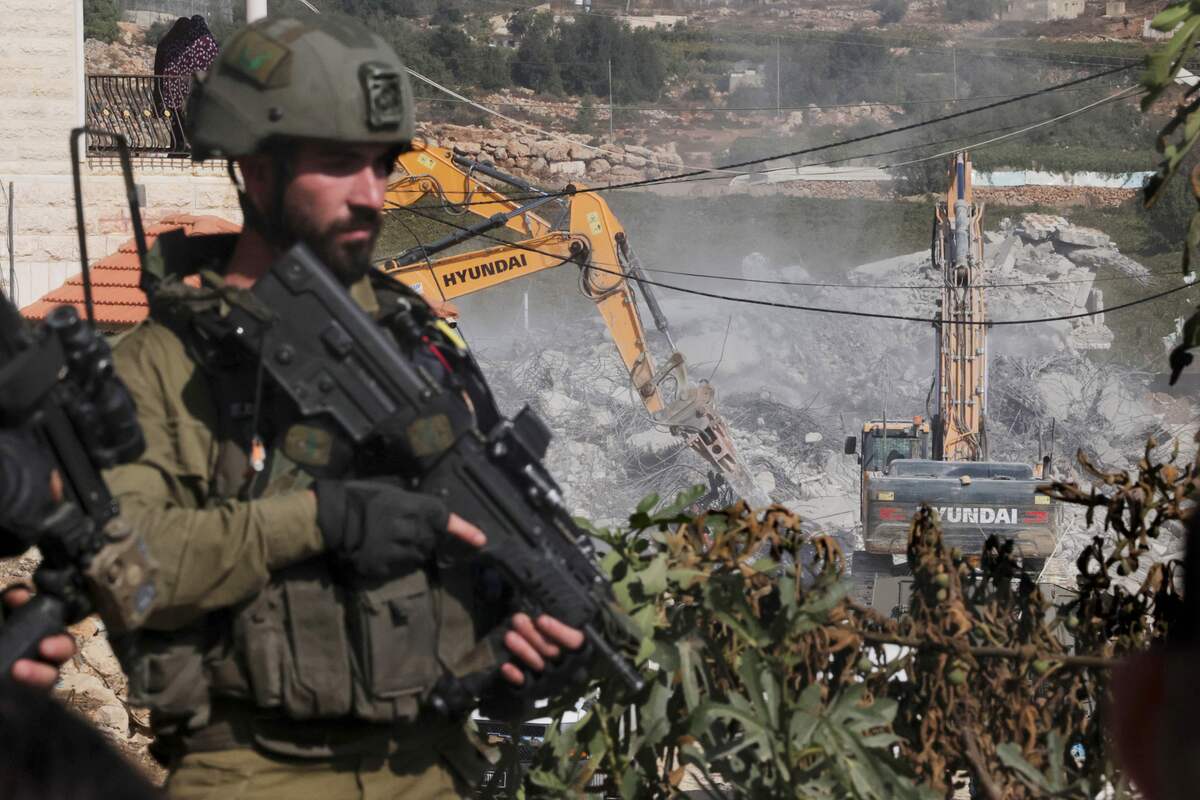
Israeli occupation demolishes a house north of Jerusalem

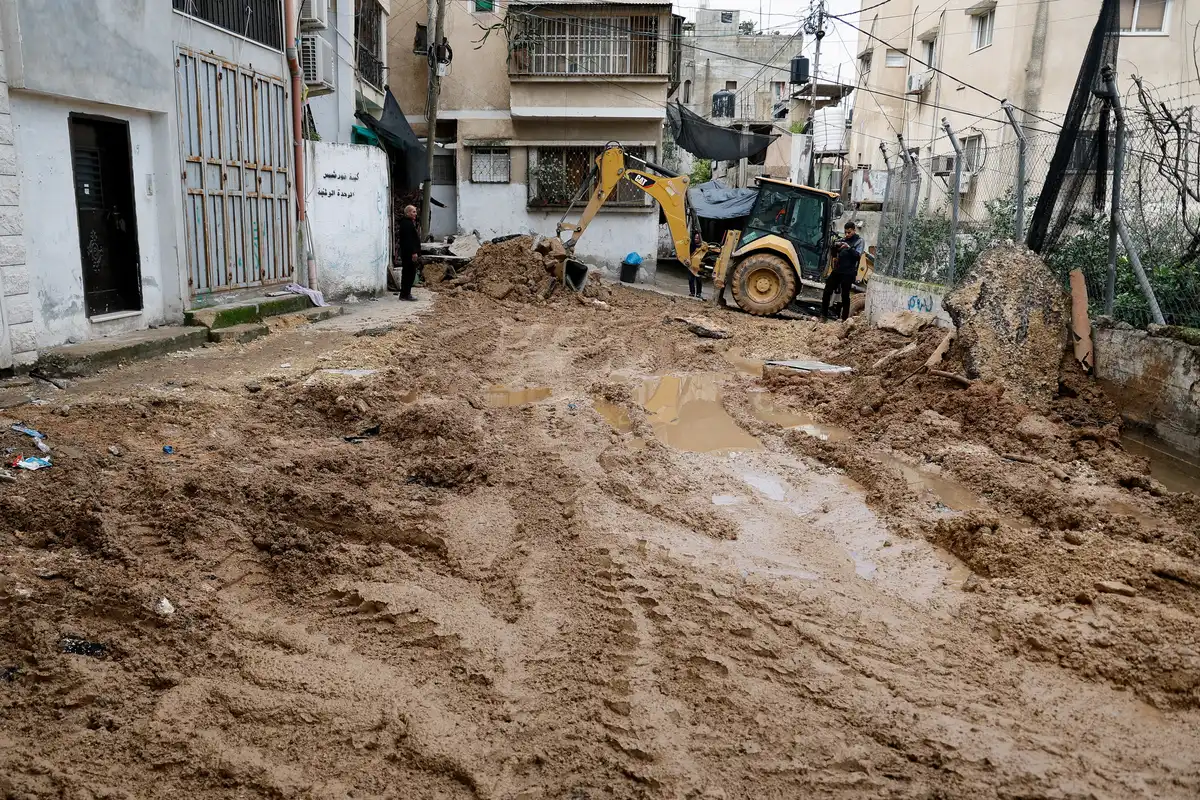
Today, Tuesday, the Israeli occupation authorities demolished a house in the town of Beit Hanina, north of Jerusalem.


According to local sources, large forces of the occupation police, accompanied by bulldozers, raided the town and began demolishing a 120-square-meter house belonging to the Al-Shuruti family.


The Wall and Settlement Resistance Commission monitored the occupation authorities’ implementation of 79 demolition operations last February, which affected 156 facilities, including 109 inhabited homes, 5 uninhabited ones, and 34 agricultural and other facilities.


She pointed out that the demolitions were concentrated in the governorates of Hebron, with 55 facilities demolished, followed by Jenin with 26, Jerusalem with 19, and Salfit with 15.

PALESTINE

Tue 04 Mar 2025 10:42 am - Jerusalem Time

The Israeli occupation continues to close the Kerem Shalom crossing for the third consecutive day

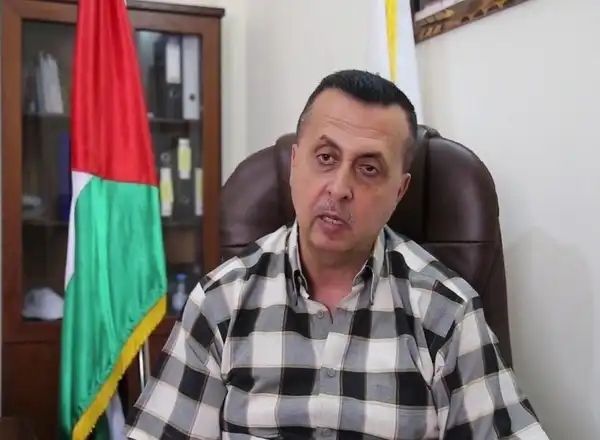
Ismail Al-Thawabtah, Director General of the Government Media Office in Gaza, said that the Israeli occupation forces continue to close the Kerem Shalom crossing for the third consecutive day.


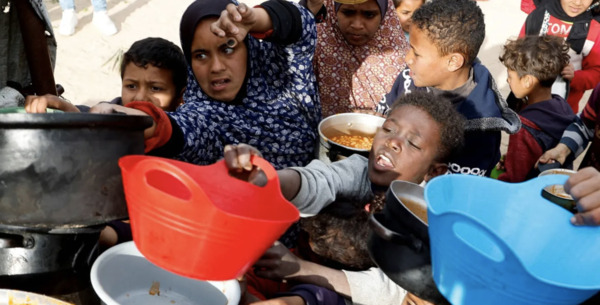
He stressed in a statement, Tuesday morning, that this is an “illegal and inhumane” measure that exacerbates the humanitarian disaster in the Strip, and leads to preventing the entry of food, medical aid and fuel, which threatens the lives of more than 2.4 million Palestinians trapped in tragic conditions.


He explained that the continuation of this closure means:


Disrupting the entry of basic food supplies, which deepens the hunger and famine crisis in light of the scarcity of supplies and the lack of alternatives.

Preventing the entry of medicines and medical supplies, which exposes thousands of patients and wounded to the risk of death due to lack of treatment and the collapse of the health system.

Preventing the entry of heavy equipment and machinery, which exacerbates the humanitarian crisis, keeps the streets closed, and makes it impossible to recover the bodies of more than 10,000 martyrs who are still under the rubble.

The fuel crisis is worsening, causing hospitals to shut down and power outages to shelters and vital facilities.

The continued use of starvation as a tool of war is a serious violation of international humanitarian law and a crime punishable by law.

He concluded by saying that the Gaza government holds the Israeli occupation fully responsible for the disastrous consequences of this stifling siege, and called on the international community and the United Nations to put immediate pressure to reopen the crossing and ensure the flow of aid permanently and without restrictions, in order to avoid further humanitarian disasters that threaten the lives of hundreds of thousands of innocent people.


On Sunday, the occupation government announced a complete halt to the entry of all humanitarian goods and supplies into Gaza and the closure of the crossings leading to the Strip. Israeli Prime Minister Benjamin Netanyahu also publicly threatened “additional consequences,” without taking into account the severely deteriorating humanitarian situation of more than two million people living in the Strip.


For its part, the Euro-Mediterranean Human Rights Monitor expressed its deep concern yesterday, Monday, over Israel’s decision to cut off all humanitarian aid to the Gaza Strip until further notice.


The Human Rights Observatory stressed that humanitarian aid is a basic right of the civilian population that is not negotiable under international humanitarian law, and there is no exception or legal justification that allows Israel to deprive Palestinians of basic humanitarian aid.


systematic starvation policy

The Observatory explained that Israel is not content with using aid as a negotiating card to achieve political or military gains, but is deliberately implementing a systematic starvation policy, in an attempt to create deadly living conditions that make the survival of the population in Gaza impossible.


He said that Israel's repeated announcement of its full coordination with the current US administration, which has explicitly declared its intention to displace the entire population of the Gaza Strip, confirms that the crimes of starvation and cutting off humanitarian aid are not merely negotiating pressure tools or isolated practices, but rather part of a well-thought-out plan in line with the US trend to impose forced displacement and empty the Strip of its population.


US President Donald


Direct and public incitement to genocide

The Observatory warned that the successive statements by ministers and members of the Israeli Knesset reflect Israel's premeditated intention to destroy the Palestinian population in the Gaza Strip. These statements did not remain mere threats, but rather found their way to actual implementation through the complete cutting off of humanitarian aid.


He stressed that the majority of statements issued by senior Israeli officials regarding “opening hell” on the Gaza Strip and preventing all humanitarian supplies from reaching its residents, in conjunction with the occupation’s actions on the ground, amount to “direct and public incitement to genocide.”


slow and gradual killing

The Observatory reiterated that Israel was not satisfied with the widespread killing and massive destruction it inflicted on the Gaza Strip over the course of more than 15 months, but rather continues to use policies that lead to the actual destruction of the population, by continuing the policy of gradual and slow killing.


The Observatory called on all countries and relevant entities to assume their legal responsibilities and take urgent action to stop the crime of genocide in the Gaza Strip.


PALESTINE

Tue 04 Mar 2025 10:12 am - Jerusalem Time

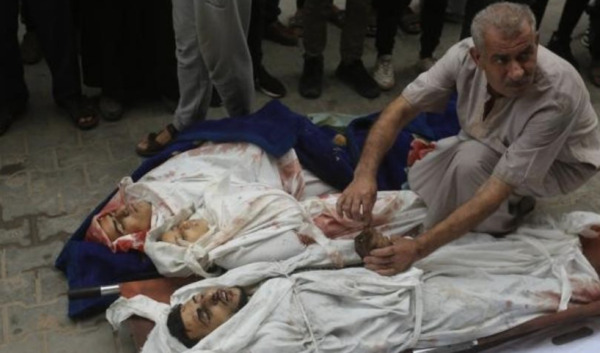
A young Palestinian dies of his wounds from the occupation forces' bullets in Deir al-Balah

Medical sources announced on Tuesday morning that a young man had died of his wounds from Israeli occupation forces' bullets east of Deir al-Balah city in the central Gaza Strip.


According to local sources, the young man, Imad Khaled Muhammad Abu Asbitan, died of his wounds after being shot by the occupation forces a few days ago east of the city of Deir al-Balah.


The occupation army continues to violate the ceasefire agreement that came into effect on January 19th. Since it came into effect, a number of citizens have been killed and injured in various parts of the Gaza Strip.

PALESTINE

Tue 04 Mar 2025 10:06 am - Jerusalem Time

UNICEF warns of consequences of preventing humanitarian aid from entering Gaza

The United Nations Children's Fund (UNICEF) has warned of the consequences of stopping the entry of humanitarian aid on children and families, who are struggling to survive throughout the Gaza Strip.


The United Nations organization called, via its official page last night, for taking immediate and effective measures to enable the provision of urgently needed basic services, and to facilitate the unimpeded flow of humanitarian aid into the Strip through multiple crossings.


“The restrictions on aid announced on Sunday will severely impact life-saving operations for civilians,” UNICEF Regional Director for the Middle East and North Africa Edouard Beigbeder said in a statement on Monday, adding that it is essential that the ceasefire holds and that aid is allowed to flow freely so that we can continue to scale up the humanitarian response.


He explained that during the first phase of the ceasefire, UNICEF was able to bring in more basic supplies and reach a greater number of children in need.

PALESTINE

Tue 04 Mar 2025 9:49 am - Jerusalem Time

UNRWA: 260,000 children in Gaza have joined distance learning since the beginning of the year

The United Nations Relief and Works Agency for Palestine Refugees (UNRWA) said that nearly 260,000 children from the Gaza Strip have joined its distance learning programme since last January.


"Nearly 260,000 children have registered and joined the agency's distance learning programme since last January," she said in a post on the X platform on Tuesday.


She added that her teams "continue to provide psychosocial support in the central region and Khan Yunis."


UNRWA noted that it had "assisted more than 15,000 cases since the ceasefire began," which allowed thousands of displaced persons to return to their areas of residence and destroyed homes.


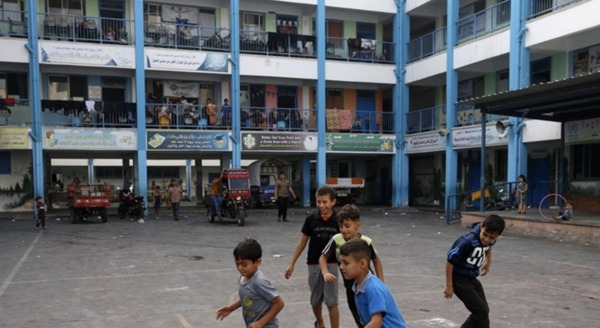
On February 23, the new school year began in the Gaza Strip amidst major challenges resulting from the genocidal war waged by Israel on the Strip.


It is noteworthy that 95% of school and educational buildings were damaged, while 85% of them were out of service as a result of being completely or partially destroyed during the months of the genocide.

PALESTINE

Tue 04 Mar 2025 8:54 am - Jerusalem Time

The Israeli aggression on Tulkarm and its camps enters its 37th day amid ongoing escalation

The Israeli aggression on the city of Tulkarm and its two camps enters its 37th day today, Tuesday, amid military escalation, a stifling siege, raids on homes, and the expulsion and displacement of their residents.


According to local sources, the occupation forces sent military reinforcements of vehicles and a fuel tanker to the city, and positioned themselves in front of the residential buildings they seized on Nablus Street linking the Tulkarm and Nour Shams camps, obstructing the movement of vehicles, while infantry squads were deployed on the main streets leading to the two camps.


The occupation continues its tight siege on the Tulkarm and Nour Shams camps, preventing entry or exit from them, and deploying its foot patrols around them and inside the neighborhoods and alleys, and raiding homes, vandalizing them and destroying their contents, and subjecting the residents inside them to interrogation, and forcing them to leave, while firing live bullets and sound and light bombs to terrorize them.


The occupation forces escalated the demolition and burning of homes and facilities in the neighborhoods of Nour Shams camp, in addition to the complete destruction they caused to the infrastructure, including electricity, water, sewage and communications networks.


In Tulkarm camp, the occupation forces sent additional reinforcements into the camp, firing heavy gunfire and making provocative sounds to terrorize the citizens who were still inside their homes on the outskirts of the camp, especially in the late hours of the night, while the camp and its streets witnessed widespread destruction that affected the infrastructure and public and private property.


Amidst the continued tight siege on the camps, the residents who remained in their homes are suffering from difficult living conditions due to the lack of food and medical supplies. Their appeals continue to secure the arrival of basic supplies, while the occupation forces are obstructing the work of relief crews, including the Red Crescent Society, from delivering humanitarian aid or evacuating sick cases.


In the same context, the occupation forces arrested at dawn today the young man Nour Al-Tahal after raiding a residential building in the Artah suburb south of the city, and the young man Adham Tanji from his home in the Shuwaika suburb north, and stormed the Dhnaba suburb east, with infantry soldiers who patrolled its streets without any arrests being reported.


The ongoing aggression on the city and its two camps resulted in the martyrdom of 13 citizens, including a child and two women, one of whom was eight months pregnant, in addition to the injury and arrest of dozens, and the forced displacement of more than 9,000 citizens from Nour Shams camp, and 12,000 displaced persons from Tulkarm camp, and the accompanying demolition and bulldozing operations, which affected more than 25 homes in the two camps during the last few days under the pretext of paving roads that would cut through their neighborhoods.


Meanwhile, the national action factions in Tulkarm called for the necessity of strengthening the steadfastness of our people in the city’s camps, and standing firmly against the systematic destruction taking place to change the geographical and demographic facts in the camps, and forcing our people to flee as a result of the crimes and terrorism practiced by the occupation army, which is armed with weapons and barbaric war machines.


The factions issued a general appeal and invitation to all institutions and activities in Tulkarm Governorate, to the masses of our people, and to the displaced from the camps, for the widest participation in the return march activity that will start tomorrow, Wednesday, from the destroyed Shuwaika roundabout towards Tulkarm and Nour Shams camps, at one o'clock in the afternoon, embodying the unity of our people, factions, and masses in confronting the policies and measures of the occupation and demanding the breaking of the siege and the lifting of the restrictions imposed on the steadfast camps.

OPINIONS

Tue 04 Mar 2025 8:48 am - Jerusalem Time

Why is the emergency Arab summit pivotal?

Mohsen Abu Ramadan

Mohsen Abu Ramadan

Opinion Writer


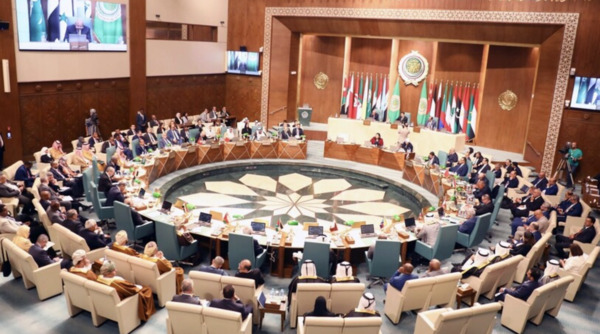
An emergency Arab summit will be held in Cairo today, Tuesday, through the Arab League. The summit is being held in sensitive and dangerous circumstances, not only with regard to the Palestinian issue, but also to Arab issues.


Within the occupying state, and with the encouragement of US President Trump, the risks of displacing the people of the Gaza Strip and turning it into the Riviera of the Middle East are increasing within the mentality of real estate, deals and profits.


The fascist occupation government is trying to extend the ethnic cleansing it tried to implement in the Gaza Strip for more than fifteen months to the West Bank within the framework of working to liquidate the camps, re-engineer the demographics, and implement the decisive plan.


The occupying state aims to liquidate the Palestinian cause through plans of displacement, erasure, displacement, settlement, Judaization, siege, collective punishment, and racial discrimination.


The fascist right-wing government in the occupying state believes that the historical moment is ripe not only to liquidate the Palestinian issue but also to extend Israeli control over the region within Netanyahu's vision of the new Middle East.


The colonial and expansionist ambitions of the occupying state have become clear and they target Arab national security. Hence the importance and pivotal role of the emergency Arab summit.


Trump asked Egypt and Jordan to absorb the people of the Gaza Strip, and Netanyahu asked Saudi Arabia to cut off part of its territory to establish a state on it, at a time when the Israeli Knesset declared that the Palestinian state poses an existential threat to the occupying state, and declared UNRWA (a terrorist organization) in an attempt to liquidate the refugee issue.


Both Netanyahu and the extremist Finance Minister Smotrich have previously announced a map of Israel that confirms its geographical expansion at the expense of Arab lands.


It is noteworthy here that the occupying state occupied vast areas of Syria and the Israeli army reached the outskirts of Damascus. It is also working to transform both southern Lebanon and Syria into demilitarized zones, while maintaining fixed Israeli security bases in both Lebanon and Syria.


The invocation of biblical concepts in the conflict constitutes a threat to the entire Arab nation, as the occupying state aims to achieve the Zionist dream of establishing a state or (Kingdom of Israel) from the Nile to the Euphrates.


Accordingly, and since Israel is targeting the Palestinian cause as well as Arab causes, this summit acquires special importance not only to defend the Palestinian cause within the framework of the Egyptian plan supported by the Arabs and based on the idea of reconstruction while the population remains, in response to the Trump-Netanyahu plan, but also in the context of defending the vital interests of the Arab countries and their national security.


The Arab countries can use the many power cards in their hands, including the equation of investment versus politics, which is the language that Trump understands as a man of money and business, as well as the equation of normalization versus the Palestinian state in implementation of international legitimacy resolutions.


Accordingly, the unified Arab position in confronting displacement and supporting the rights of the Palestinian people, including working to unify the Palestinian position by overcoming the state of division and threatening to use Arab power cards at the political, legal and economic levels, constitutes the most eloquent response to Netanyahu and Trump’s colonial plans with racist and savage tendencies.

OPINIONS

Tue 04 Mar 2025 8:46 am - Jerusalem Time

Reading the justifications of Hamas leaders for the consequences of October 7

Helmi Abu Taha

Helmi Abu Taha

Opinion Writer


I was not willing to talk about the statements of Hamas leaders regarding their knowledge or ignorance of the consequences of the events of October 7, but an inner feeling pushed me to search for the secrets of this issue, in which I see a lot of "riding the wave" or attempts to gain the approval of the powers of the international community and their hosts from Arab and Islamic countries. What increased my insistence on talking was my concern for the people of my city, Rafah. These statements were made by some leaders of the Hamas Political Bureau, who belong to Rafah, that they did not expect Israel's reaction to those events. Here, the talk took a new direction and could not be ignored. I see them as statements that fall within the scope of the popular saying: "I kept quiet for a long time." It would have been better for them to keep quiet, if they had actually expected something. The talk here is about Dr. Musa Abu Marzouq and Dr. Ghazi Hamad, who are now trying to paint a justifying picture of the consequences of October 7, using the pretext of surprise.


But Dr. Ghazi, from the moment the rockets were launched on October 7, 2023, it was clear to everyone - even to the elderly woman in Rafah - that the price would be high: tens of thousands of martyrs, many times that number of disabled, and two-thirds of Gaza under the rubble. How can you say and declare that "no one expected the occupation's response to October 7, not even any political thinker." This statement may be considered by the people of Gaza as an admission of defeat, but for me it is a confirmation of your deception of the people. By God, the people were deceived by you and your narrow calculations that failed to see the catastrophic consequences of those events. It would have been more appropriate for you to realize the truth and use your mind, in accordance with the words of God Almighty on the tongue of His Prophet Lot: "Is there not among you a man of sense?" What made matters worse was the statement of Dr. Musa Abu Marzouq, who said: "If I had known that the October 7 attack would bring us all this destruction and losses, I would have opposed it." This statement reflects three serious matters: First, clear political confusion; second, a complete failure to assess the consequences of events; and third, a disregard for and disdain for the intelligence of those who trusted you. How can an attack of this magnitude be planned without carefully calculating the consequences? How can someone who leads a people in a fierce confrontation say: “If only I had known”? Weren’t four devastating wars before the Al-Aqsa flood enough to learn lessons? Or are you still ignorant of the nature of the enemy you are facing? Or were you immersed in illusions of strength and the ability to control the results? It seems that you failed to read reality and plunged into an adventure with ill-considered consequences, for which the Palestinian people paid a heavy price.


Dr. Moussa, allow me: And may everyone excuse me, for your statements, I can find only one of two explanations: Either you have become politically demented, or you are deliberately ignoring a fact that cannot be forgotten. How can you forget your statement that you issued more than eight months after the war, when you called on the Israeli army - with enviable boldness - to enter Rafah? Didn't you realize at the time the extent of the destruction left by the tanks and heavy bulldozers in every city they invaded? And at that time, we had exceeded thirty thousand martyrs. Isn't it the ordinary citizen who is paying the price of that challenge today? And how did you forget, Dr. Moussa, that your call did not only harm Gaza and its people, but also blackened Egypt's image in the eyes of the world, and caused the resistance to lose a strategic card that it possessed? You have violated Egypt's card, just as you violated Hezbollah's card, thus weakening the resistance equation and losing the tools of power. You possessed enough wisdom and experience to realize that an empty challenge does not create victory, and that stubbornness at the expense of the people is not recorded as heroism in the pages of history.


Here: I imagine - and I hope I am wrong - that Hamas leaders were engaged in a fierce competition and a heated race over which cities in Gaza would be trampled and destroyed the most, and which would have the highest number of dead and disabled, so that their sons could advance to the political bureau and head it. I also have this feeling whenever I hear statements by some leaders, such as those of Osama Hamdan and others, when they talk about the numbers of martyrs and wounded as if they were just financial figures deposited in financial accounts, or points counted in a political race. Where is the sanctity of blood? Where is the appreciation of the lives that were lost and the dreams that were destroyed? War is not just numbers recorded in statistics to be published and wept over in press conferences and in front of satellite TV screens. It is the destruction of lives, the erasure of the future, and a tragedy experienced by an entire people. It would have been better for you, Dr. Musa, and your comrades to use your minds and think about the humanitarian consequences before you boast about wars that have brought nothing but destruction to Gaza. Those numbers are not just statistics; they are lives, dreams, and the future of a people who suffer pain every day.


The delay in your statements and apologies does not necessarily reflect a true review or a sincere sense of responsibility. Rather, it seems to us that it is taking one of two paths: The first is that it is a calculated tactic to reshape reality and control the scene. You are well aware that the masses are looking for security more than the truth, and you know that the rhetoric that you have always used as a tool for mobilization can bring you back to the forefront, even if it is on the ruins of a suffering people. The second path is your feeling of the exposure and weakness of your position before the international community, which categorically refuses to include you in the scene, and your awareness that the rug may be pulled out from under your feet, so you found no escape from trying to survive by raising the slogan "War is a deception." This is a slogan that I do not think the people of Gaza will see in the true meaning in which it was said, and which you want, and that their vision will touch you badly and none of you will escape their tongues. You have toyed with the destinies of the people, and made the Palestinian people fuel for your losing battles, without any real concern for their fate or the future of this wounded homeland.


Finally, stop these voices that increase the people's hatred for their sons, and enough deception and exploitation of people's feelings. Enough gambling with the lives of the simple. The people can no longer tolerate more deception or adventures that they alone pay the price for. Preserve the beautiful image that has inhabited the minds and hearts of the masses, those masses that stood by you in the most difficult moments. Preserve the memory of our martyrs who departed racing to the heavens of God, and preserve the biography of Sheikh Ahmed Yassin, Al-Rantisi, Abu Shanab, Al-Ayyash, and Al-Sarraj. Do not defile their memory with statements that distort their pure path. If you do not have anything to say wisely and responsibly, then silence is more honorable and noble.

PALESTINE

Tue 04 Mar 2025 8:33 am - Jerusalem Time

Cairo Summit: Difficult Challenges in Facing Dreams of Expansion and Tendencies of Arrogance

The emergency Arab summit is being held in Cairo today, Tuesday, amid extremely complex regional and international circumstances, as Arab countries face major challenges in confronting Israeli and American policies that threaten Arab national security, especially with regard to the Palestinian issue and specifically the Gaza Strip.


In separate interviews with “I”, writers, political analysts and specialists confirm that this summit highlights its importance, especially since it comes in the wake of American and Israeli proposals aimed at displacing the residents of the Gaza Strip, which puts the Arab countries before a real test to prove their ability to protect their national interests and confront the challenges that threaten the stability of the region.


According to writers, analysts and specialists, one of the most prominent challenges facing the summit is the absence of a unified Arab political will, in addition to dependence on American and Israeli policies that limit the summit’s ability to make effective decisions on the ground. The internal Palestinian division also complicates the situation, as it weakens the ability to achieve Palestinian national unity that supports the position of Arab countries in confronting the Israeli occupation.


They stress that despite these challenges, the summit represents a historic opportunity for Arab countries to unite their ranks and take a firm stance against Israeli and American plans. It is expected that the summit will issue decisions that support the Palestinian cause, but their impact will remain limited in light of the absence of effective executive mechanisms and increasing external pressures.


They stress that hope is pinned on this summit to provide practical solutions that will rebuild Gaza and strengthen Palestinian unity, but its success will depend largely on the ability of Arab countries to overcome their internal differences and confront external challenges with a unified position.


Big challenges facing the Cairo Summit


Writer and political researcher Dr. Aql Salah believes that the emergency Arab summit being held in Cairo faces major challenges, most notably the absence of effective implementation tools on the ground, as its decisions will remain subject to the American and Israeli ceilings, which means that any outcomes will not go beyond the framework of satisfying the American administration headed by Donald Trump.


Salah explains that the second challenge lies in the absence of real Arab political will, because if this will had existed, the situation in Gaza would not have reached this level of destruction, tens of thousands of martyrs would not have fallen, and the policies of genocide and starvation would not have continued, or the Israeli aggression against Lebanon, Syria, Iraq and Yemen.


Salah explains that the third challenge is very similar to what happened in the 1967 war, when Israel occupied large parts of Palestine and some Arab countries, and today it has returned to occupy parts of Lebanon and Syria in addition to its continued occupation of the Palestinian territories, which places the summit facing a fateful challenge similar to the 1967 setback, but in a more complex context.


Salah points out that the summit is not being held to confront Trump’s displacement decisions, but rather to absorb his anger, which represents a major political setback, as it would have been more appropriate to take a firm stance against American and Israeli policies, and to work to reject the Israeli occupation in all Arab countries, not just in Palestine.


Salah stresses that among the major challenges facing the summit is the internal Palestinian division, as there is no consensus among the Palestinian factions on the management of the Gaza Strip, and the Palestinian Authority in the West Bank is weak and suffers from a crisis of confidence, which makes Arab countries hesitant to assign it the reconstruction file, especially in light of fears of financial corruption and mismanagement.


Salah points out that Arab participation in the reconstruction of Gaza will be conditional, as it will require ending the military presence of the resistance factions, specifically the Izz ad-Din al-Qassam Brigades, which may amount to imposing a ban on the Hamas movement inside the Strip, which is a dangerous development that may affect the future of the Palestinian cause.


Salah explains that expectations from the summit are very modest, as it is likely that a roadmap will be put forward regarding the management of the Gaza Strip, but it will remain subject to the American and Israeli ceiling, which means that it will not achieve real progress in resolving the Palestinian-Israeli conflict.


Salah expects the summit to remain theoretical without adopting implementation projects on the ground, given that the Arab countries do not have tools to pressure Israel or the United States, or perhaps their unwillingness to use them.


Salah believes that the summit will emphasize the rejection of the forced displacement of Palestinians to Arab countries, and will reaffirm the Arab position rejecting normalization with Israel without reaching a comprehensive solution to the Palestinian issue.


Despite the challenges, Salah stresses the need for the summit to come out with a clear political project that sets a unified Arab position that forces Israel to recognize the legitimate rights of the Palestinian people, and for the summit to adopt decisions that go beyond statements of condemnation and denunciation to take practical steps to confront the occupation.


Salah calls for taking a clear position on the Israeli occupation of southern Lebanon and southern Syria, and working to force the occupation to withdraw from these areas through effective political and diplomatic moves.


Salah stresses that issuing an enforceable Arab statement that takes national and Arab interests into consideration, away from American pressures, would be a necessary step, but he rules out this happening in light of the current Arab situation, which has not even been able to bring humanitarian aid into Gaza throughout the period of the ongoing aggression.


The summit comes at a very sensitive time.


Writer and political analyst Firas Yaghi explains that the emergency Arab summit in Cairo comes at a very sensitive time, following US President Donald Trump’s proposal to displace Palestinians from the Gaza Strip and turn it into what he called the “Riviera of the Middle East.”


Yaghi confirms that this summit came to respond to that plan, but it faces major challenges, the most important of which are the Israeli and American positions regarding the future of the Strip.


Yaghi explains that the Israeli demands go beyond the issue of whether Hamas will remain or not, as the Israeli plan aims to empty Gaza of its population, including the displacement of all Palestinians from the Strip.


Yaghi stresses that confronting this proposal is considered part of Arab national security, especially for both Egypt and Jordan.


Yaghi stresses that if this plan is not confronted, it will lead to Israel’s dominance over the region, with Israeli Prime Minister Benjamin Netanyahu becoming Trump’s “high commissioner” in the region.


He points out that the main challenge facing the Cairo summit is represented by Israeli attempts not only to remove Hamas from ruling the Gaza Strip, but also to try to prevent any geographical, political, legal and administrative unity between the West Bank and Gaza, by undermining the Palestinian Authority in the West Bank.


Yaghi explains that the separation between the West Bank and Gaza is part of the plan to liquidate the Palestinian cause, which includes annexing parts of the West Bank to Israel, and what is happening now in the so-called framework of the “Greater Jerusalem” project is only the beginning.


Yaghi points out that the Israeli law, which was presented to the ministerial committee to be approved by the government and then legislated in the Knesset, aims to establish a legal formula for annexing the settlements surrounding Jerusalem to the city. This will add 223 square kilometers of West Bank land to Israel, in addition to adding about 184,000 settlers to Jerusalem.


The second challenge in the Cairo summit, according to Yaghi, is related to the issue of resistance in Gaza, as Israel is demanding the disarmament of the resistance in the Strip, in addition to the removal of the leaders of Hamas and the Palestinian factions.


Yaghi explains that the third challenge is related to Israel's attempt to restore Egyptian guardianship over the Gaza Strip, which Egypt strongly rejects, because that means completely liquidating the Palestinian cause under the name of "ending the two-state concept."


Yaghi points out that the Arab position must be decisive and clear at this summit, to reject any Israeli and American attempts to liquidate the Palestinian cause.


Yaghi stressed that what is required of the Cairo Summit is to adopt a plan based on the Arab Peace Initiative, reject displacement plans, and demand the reconstruction of Gaza while its residents remain there.


He stresses the importance of adopting a position that rejects the annexation of Palestinian lands and the abolition of the two-state concept, and that the Arab response to Israeli and American attempts should be to propose practical solutions that guarantee the rights of the Palestinians.


Regarding the American position, Yaghi confirms that the success of the Cairo Summit in presenting a unified and coherent plan may have a major impact on the American position, especially if the United States adopts and supports this plan.


Yaghi believes that if the Arab plan is accepted, it may necessarily lead to changes in the Israeli position that will affect the government internally, and the Israeli Prime Minister may be forced to face internal challenges that may push him to call for early elections.


He stressed that the emergency Cairo summit represents a historic and fateful opportunity for the Arab world to reject Trump and Netanyahu's plan to liquidate the Palestinian cause, including separating Gaza from the West Bank and displacing the residents of the Strip.


Yaghi stresses that the unified Arab position is very important because it will serve as a basis for achieving balance in the conflict, in terms of protecting the rights of the Palestinians, and keeping the Palestinian issue on the international and regional agenda.


An opportunity to enhance Arab cooperation to meet challenges


Writer and political researcher Dr. Tamara Haddad confirms that this emergency Arab summit in Cairo is a crucial opportunity to enhance joint Arab cooperation in confronting current regional and international challenges.


Haddad believes that the emergency summit is being held at a very important time, especially since US President Donald Trump's plan to displace Palestinians from Gaza affects not only Egyptian and Jordanian national security, but also the regional security of the entire region.


Haddad points out that the challenges facing the Arab Summit are becoming increasingly complex, especially in light of the presence of an extreme right-wing government in Israel that seeks to exacerbate the Palestinian-Israeli conflict, which makes dealing with this government extremely complicated.


Haddad points out that this government is constantly working to increase tensions and violations in the occupied Palestinian territories.

Haddad explains that the summit will face major challenges related to the situation in the West Bank and Gaza Strip, especially in light of the continued Israeli violations.


Haddad points to the difficult humanitarian situation in Gaza, where humanitarian aid is being prevented from entering, as part of pressure exerted by Israel on Hamas to force it to release the hostages.


Haddad considers these developments a major challenge for the Arab Summit, which must find effective solutions for Palestinian reconciliation and achieve internal stability in Gaza.


Haddad points out that the summit will also face another challenge, which is how to rebuild the Gaza Strip without displacing its residents, stressing that this issue needs an effective mechanism that guarantees the provision of funding and support, which requires Arab consensus on who will manage the Gaza Strip after reconstruction.


She points out that despite the Egyptian initiative to train Palestinian police officers to reorganize the security situation in Gaza, the issue of managing the Strip remains one of the biggest challenges that the summit will face.


Regarding Palestinian reconciliation, Haddad explains that the summit seeks to strengthen Palestinian national unity and form a technocratic government to run Gaza during the transitional period.


Haddad stresses that this solution requires consensus among the various Palestinian parties, including Hamas, to achieve stability in the Strip and ensure the continuity of the Palestinian Authority in Gaza.


As for the regional and international challenges, Haddad confirms that the Arab Summit will face great pressure due to the volatile situation in Syria and Lebanon, where the Arab countries face continuous threats from Israel, which exerts pressure in southern Lebanon and Syria and occupies them.


Haddad explains that these regional risks greatly affect the Palestinian cause, making coordination between Arab countries more important than ever.


She stressed that the Arab Summit in Cairo represents a historic opportunity to unify the Arab position, and must come out with recommendations that support the Palestinian cause in a strong and unified manner.


Haddad points out that what is required is to adopt effective strategies to rebuild Gaza without displacing the population, in addition to strengthening political and diplomatic efforts to stop the ongoing Israeli violations.


Haddad stressed the importance of supporting Palestinian national unity, while emphasizing the need for a unified Palestinian administration capable of confronting the security and humanitarian challenges in Gaza.


Haddad stressed that the emergency Arab summit represents an important opportunity to enhance Arab solidarity and develop effective strategies to support the Palestinian cause in the face of Israeli and American plans.


She stressed that hope is pinned on this summit to provide practical and comprehensive solutions to rebuild Gaza and strengthen Palestinian unity in light of the major challenges facing the region.


The Gaza Challenge and the Lack of Arab Consensus


Nizar Nazzal, a researcher specializing in Israeli affairs and conflict issues, confirms that the Arab summit in Cairo faces major challenges, most notably Israeli intransigence in implementing the stages of the agreement to stop the war on the Gaza Strip, in addition to Arab disagreements over fundamental issues, most notably the displacement file and the internal Palestinian division.


Nazzal explains that Israel is stalling on moving to the second and third stages of the agreement, as it continues to exploit the humanitarian situation in Gaza as a pressure card on the Palestinians, pointing out that Tel Aviv is “blackmailing the Palestinians with a piece of bread, a bag of flour, and a sip of water,” which makes the first stage limited to a humanitarian protocol without any tangible political progress.


Nazzal explains that the Arab Summit will face another challenge represented by the lack of Arab consensus on the description of displacement, as Arab countries differ on its definition. While some talk about “forced displacement,” there are those who try to reduce the severity of the term or limit it to certain contexts, while Nazzal confirms that this discrepancy represents a major problem that may affect the outcomes of the summit.


Nazzal points out that the lack of Arab will to use harsh tools against Israel is one of the most prominent challenges, asking: “Will there be a threat of military action against Israel?” especially in light of the continued Israeli escalation and its effects on Arab geography, particularly in Egypt, Jordan and Lebanon.


Nazzal explains that the Arab countries have important pressure cards, such as strategic relations with the United States, pointing out that the summit may resort to using these cards more clearly than before, especially on the part of Egypt, Saudi Arabia and Jordan, in light of these countries’ connection to strategic interests with Washington.


Regarding the internal Palestinian situation, Nazzal confirms that the continued division between the Palestinian factions constitutes a major obstacle to any Arab decisions, pointing out that the Palestinians have not yet succeeded in putting their internal house in order and agreeing on a unified national project.


Nazzal points out that the summit may adopt a resolution calling on the Palestinians to achieve national unity, but he rules out any real response from the Palestinian parties, whether the Palestinian Authority or Hamas.


He points out that Israel categorically rejects the return of either party to rule the Gaza Strip, which further complicates the political scene.


Nazzal expects the summit's outcomes to be more severe than before, especially with regard to the Arab position towards the geopolitics of the region, noting that Jordan has begun to escalate its rhetoric, as the Jordanian Foreign Minister has threatened the possibility of resorting to military action if Israel insists on displacing the Palestinians.


Nazzal points to Egyptian military movements, such as the deployment of the Third Army in sensitive areas, which reflects the state of tension and verbal escalation between the elites in Egypt and Israel.


Nazzal believes that the summit will adopt decisive decisions regarding its position on Jordan, Egypt and Saudi Arabia, but in return it will remain limited in its impact on the internal Palestinian reality, as it will be limited to rejecting displacement and calling for unity, without the existence of actual mechanisms to implement these directions.


The most prominent challenge is the deliberate escalation led by Netanyahu


Writer and political analyst Dr. Abdul Majeed Sweilem asserts that the most prominent challenge facing the upcoming Cairo Summit is the deliberate Israeli escalation led by Prime Minister Benjamin Netanyahu. He believes that this escalation is not merely a political reaction, but rather a clear attempt by Netanyahu to challenge the Arab Summit and send a message that he will not give up his new conditions, which in essence represent a renunciation of previous agreements and a repudiation of any commitments he previously made.

Suwailem explains that the real test of the summit lies in its ability to provide a firm practical response to Netanyahu’s policies, and to stop his excesses, which have become hysterical, both on the political and military levels, pointing out that the current occupation government is living in a state of chaos and lack of vision, as it relies only on blackmail, killing and threats without any real political strategy.


Suwailem points out that the United States, despite its traditional influence in the region, does not represent a major challenge to the summit, as the position of US President Donald Trump’s administration is constantly changing according to American circumstances and interests, explaining that US policy has become clear and can be dealt with consciously and wisely by Arab countries.


Suwailem explains that the strong influence of the Zionist lobby within the United States, especially the most extreme wing close to the "Trumpian" right, strengthens Netanyahu's position, but it does not necessarily mean that the Arabs are incapable of confronting him. On the contrary, they possess many strong cards that can be used if there is political will.


According to Suwailem, what is required from the summit is to cause a political shock to Netanyahu, forcing him to rethink his calculations, considering that ignoring the Israeli escalation and not confronting it with firm decisions will only lead to more Israeli extremism and escalation, whether in the Gaza Strip or at the level of the Palestinian file as a whole.


Suwailem believes that Netanyahu claims to have strong cards, but in reality he does not have any, pointing out that his continuous threats to launch a new military operation in Gaza will only lead to more losses for the Israelis themselves, especially after the massive destruction that has befallen the Strip and the depletion of Israel’s target bank.


Suwailem stresses that Netanyahu's attempts to impose his conditions on the Palestinian resistance, such as handing over prisoners and weapons without stopping the war, are illogical and unachievable, pointing out that the only solution lies in reaching a balanced political settlement based on international legitimacy.


Suwailem wondered about the effective Arab role in light of the international changes and accelerating regional tensions, pointing out that the absence of a clear and cohesive Arab project is one of the main reasons for Israel’s persistence in its aggressive policies.


Saudi Arabia can reshape the regional landscape


He explains that if Egypt is burdened by economic crises, and Jordan is suffering from additional pressures, then Saudi Arabia is more qualified than others to take the initiative and lead an effective Arab axis, taking advantage of its political, religious and financial position.


Suwailem believes that Saudi Arabia, through its leadership role, can rearrange the regional scene and establish a unified Arab position capable of protecting the national interests of the Arab and Islamic nation, stressing the need for collective Arab action to confront the growing threats in the region.


Suwailem stresses that the success of the Cairo Summit depends primarily on its ability to make decisive decisions to stop Netanyahu's encroachment and restore balance to the political scene, warning that failure to do so will mean Israel continuing its escalation and imposing its conditions unilaterally.


Suwailem points out that the summit is witnessing internal contradictions between the Arab countries, as some see that confrontation with Israel is inevitable, while others believe in the necessity of coexisting with reality and trying to avoid further risks.


Suwailem stressed that the opportunity still exists for the Arabs to take a unified position, expressing his hope that the summit will witness a real Arab awakening that will put an end to the continued Israeli excesses.


A historic opportunity for Arabs to reject pressure


Writer and political analyst Imad Moussa asserts that the Arab League is facing, for the first time since its inception, a public challenge represented by the proposals of US President Donald Trump and Israeli Prime Minister Benjamin Netanyahu, which aim to explode the situation in the Gaza Strip by displacing its residents to Egypt and Jordan, in addition to proposing the idea of displacing them to Saudi Arabia, with the aim of pushing the latter to officially recognize Israel.


Musa explains that this proposal comes within the framework of a broader plan aimed at imposing normalization between Israel and Arab countries.

Musa points out that these proposals aim to direct pressure on Saudi Arabia, as the far-right government in Israel seeks to create a diplomatic situation that allows Israel to establish official relations with the Kingdom, which will enable it to expand the siege of Yemen and Iran.


Musa points out that this plan exploits Israel's strategic relations in the Red Sea region, specifically in the Greater and Lesser Hanish Islands, as these military sites are considered a starting point for limiting Iranian influence, especially through security and military coordination with Ethiopia.


Musa believes that controlling the sources of the Nile River is one of the hidden goals that this alliance seeks to achieve.


Musa warns that this proposal may have serious repercussions on stability in the region, especially since it aims to occupy the Egyptian leadership with the issue of displacing the residents of Gaza, which may force it to take punitive steps against the Gaza Strip and the resistance factions, which may threaten Arab national security.


Regarding the expected position of the Arab summit, Musa believes that it is difficult to predict the orientations of the Arab countries, given the special relationship that links some of the summit countries with the American administration and Israel.


Musa stresses that there is a historic opportunity for Arab countries to reject these pressures, and that these countries may seek to take a strong position in confronting this project, through negotiating with the American administration to push it to back down.


The necessity of activating relations with China and BRICS countries


Musa stresses the need to activate political and economic relations with China and the BRICS countries, noting that this stage represents an opportunity to expand the circle of Arab influence away from American and Israeli hegemony.


Musa believes that the Arab peoples have great hopes for Arab awareness of the dangers of these projects, not only for the Palestinian cause, but for the future of countries and peoples in the region in general.


PALESTINE

Tue 04 Mar 2025 8:15 am - Jerusalem Time

A young Palestinian was killed by the occupation forces in the eastern neighborhood of Jenin

A young man was martyred at dawn today, Tuesday, by the occupation forces’ bullets in the eastern neighborhood of Jenin.


Local sources said that special forces infiltrated the Ghoul building in the eastern neighborhood and shot the young man, Jihad Alauna, which resulted in him being shot with live ammunition in the thigh, and left him bleeding until his death was announced later.


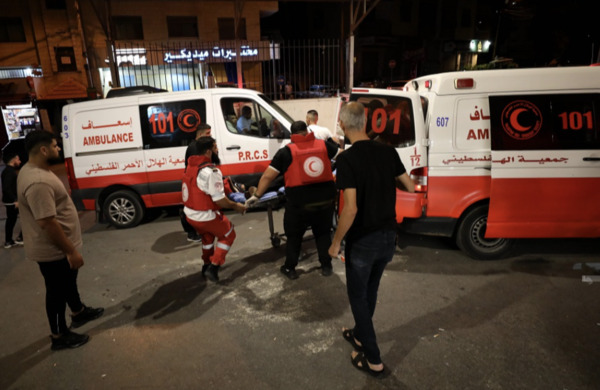
The Red Crescent Society said that its crews transferred a martyr in his twenties to the hospital.
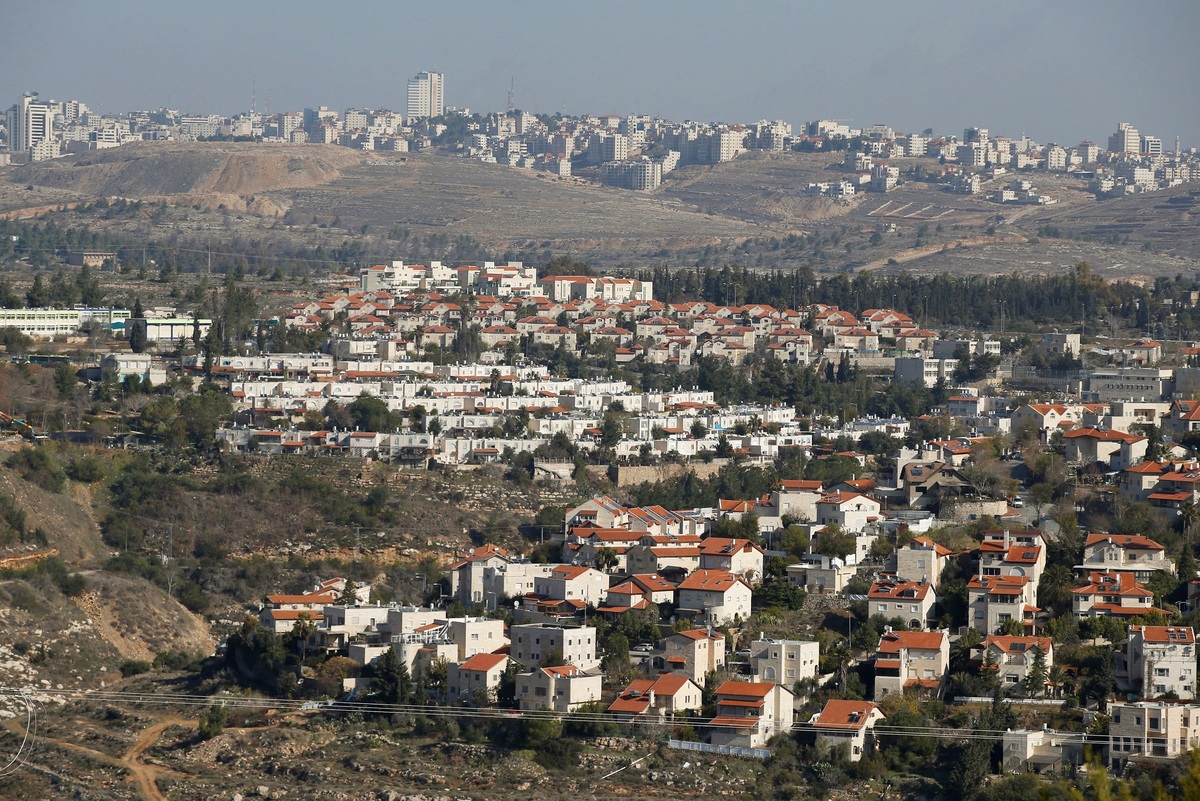

In addition, the occupation forces stormed the eastern neighborhood of Jenin in large numbers, supported by bulldozers, and destroyed a number of streets, as those forces demanded that the residents evacuate buildings in the neighborhood.


The occupation forces closed the southern entrance to the city of Jenin, and occupation soldiers were deployed in large numbers on Nablus Street, the Asfour roundabout area, and Nazareth Street.

PALESTINE

Tue 04 Mar 2025 8:00 am - Jerusalem Time

How insignificant we are among peoples!!!

Countries, like humans, become sick, deteriorate and deteriorate when they stop growing and developing naturally, and become the target of the greedy who await the moment of downfall. They rub their fingers and lick their tongues to pounce on it, to undermine its structure, deepen its pain, and perpetuate its weakness and humiliation among people.
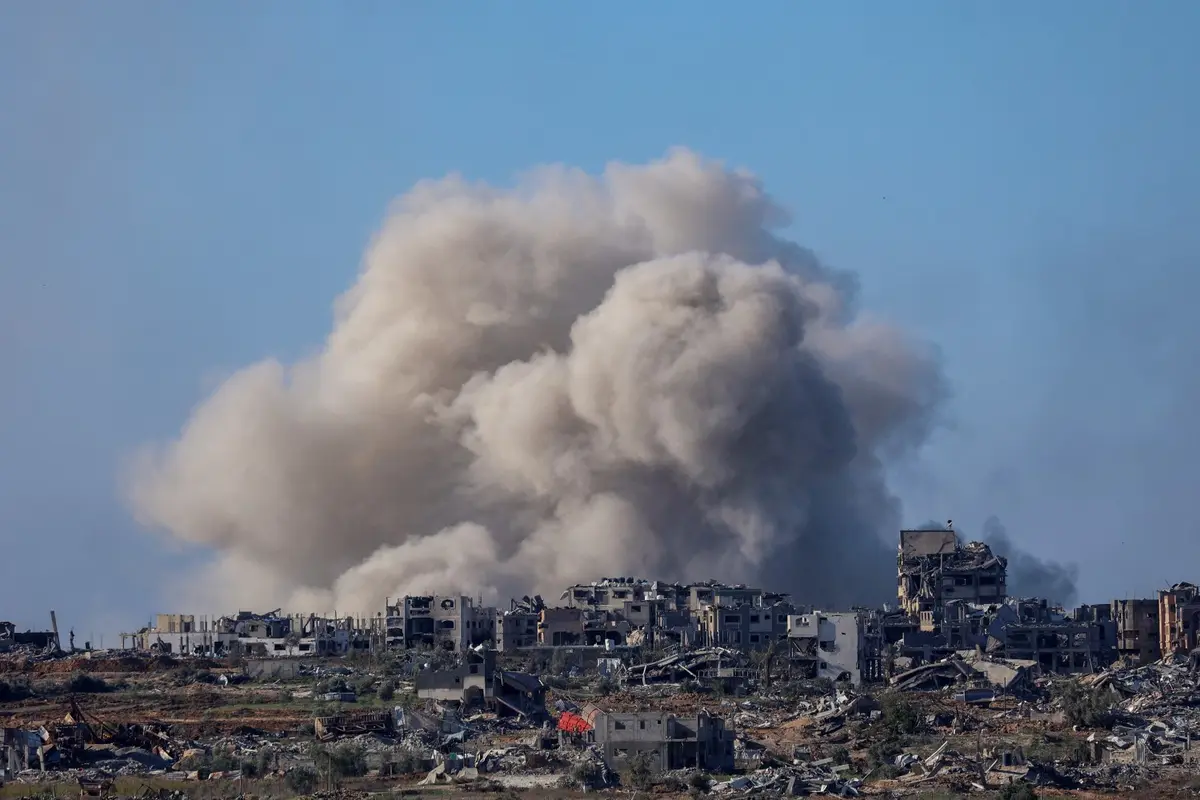

The history of summits does not inspire hope. Leaders exchange accusations, and arguments arise that narrow the scope of vision, amidst the fires and columns of smoke that are burning in Arab cities, and obscure the real dangers that threaten the nation. The evening ends without reaching solutions, and the gathering disperses, waiting for the next summit, which is held with whoever is present, or is postponed due to the lack of a quorum.


Today’s summit is different from all previous summits, whether in terms of the challenges that are plaguing the entire nation, present and future, or in terms of the state of division, fragmentation and deep disagreements that struck the nation after Iraq’s occupation of Kuwait, and the cracks and fissures that emerged after that sad incident, which have not yet been mended, or in terms of it being a summit to prevent liquidation, displacement and the alternative homeland that Trump wants to establish at the expense of sister countries, for the sake of the strategic ally, whose borders have become too narrow for him.


The nation has become insignificant to the people because of its division and the dispersion of its word, until the nations ganged up on it, just as eaters gang up on a dish.


Power, arrogance and the desire for expansion in the region can destroy and kill, but they cannot do anything that detracts from the rights of struggling peoples to achieve their freedom.


We look forward with more anticipation, concern and hope to the decisions that will be issued by today’s summit, as the coming days are decisive in determining the destinies and landmarks of the region and its future generations, and the future of the central issue of the nation, which has become at the mercy of the winds of displacement and the search for an alternative homeland.

PALESTINE

Mon 03 Mar 2025 10:04 pm - Jerusalem Time

Two Palestinian children injured by Israeli occupation bullets, one in the chest, during the storming of Odala, south of Nablus

Two children were injured by live bullets, Monday evening, during the Israeli occupation forces' storming of the village of Odala, south of Nablus.


The director of the Red Crescent Emergency and Ambulance Center in Nablus, Amid Ahmed, reported that the ambulance crews dealt with two children injured by live bullets (15 and 13 years old), one in the chest and the other in the hand in the village of Odala, and they were transferred to the hospital.


Local sources reported that clashes erupted after the occupation forces stormed the village of Odala, amid heavy firing of live ammunition and tear gas canisters.

PALESTINE

Mon 03 Mar 2025 9:29 pm - Jerusalem Time

Hebrew media: Hamas has until the end of next week before resuming fighting in Gaza

Hebrew media reported on Monday that the "Israeli" government has set a deadline until the end of next week to release the detainees before resuming military operations in the Gaza Strip.


Channel 12 quoted an "Israeli" official as saying that Tel Aviv wants to reach understandings, but it set the deadline in order to push the process forward, indicating that negotiations on the deal are still at a "dead end."


The Israeli Broadcasting Corporation also reported that the resumption of fighting in Gaza may take some time due to the change in the Chief of Staff.


In a related context, the Israeli Broadcasting Corporation reported that the US Special Envoy has not yet set a date for his arrival in Tel Aviv, but estimates indicate that he will arrive at the end of this week.


In addition, Channel 12 confirmed that "Israel" will return to fighting within 10 days if Hamas does not continue to release the detainees.

PALESTINE

Mon 03 Mar 2025 9:09 pm - Jerusalem Time

Israeli occupation suffocates dozens of citizens in Shuafat camp

Dozens of citizens suffered from suffocation, Monday evening, as a result of the Israeli occupation forces firing heavy tear gas bombs in the Shuafat camp, north of occupied Jerusalem.


According to local sources in the camp, an Israeli military vehicle was stationed at the entrance to the camp, and automatically fired tear gas canisters at passersby, citizens, homes and shops, and then left the place, which led to dozens of people suffering from suffocation, noting that this attack was repeated for the second day in a row.

PALESTINE

Mon 03 Mar 2025 7:59 pm - Jerusalem Time

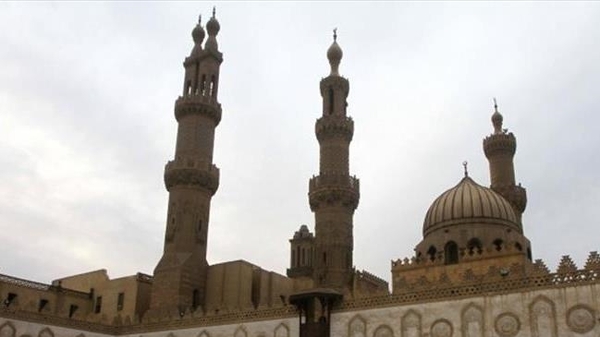
Al-Azhar: Israel commits the crime of starving innocent people and does not respect the sanctity of Ramadan

Al-Azhar Al-Sharif condemned, on Monday, Israel’s prevention of aid from entering the Gaza Strip, stressing that it is “committing the crime of starving innocent children, women and men” and “not respecting the sanctity of the holy month.”


Al-Azhar said in a statement published on its account on the “X” platform that it condemns “the cowardly decision of the Israeli occupation to stop the entry of humanitarian and relief aid convoys into the Gaza Strip.”


He stressed that "the Israeli occupation, while committing the crime of starving innocent children, women and men, is devoid of all meanings of mercy and human values, and does not respect the sanctity of this holy month, the blessed month of Ramadan."


Al-Azhar stated in its statement that “preventing feeding those who are fasting is a crime condemned by all believers in God, His justice, and His painful punishment of criminals in this world and the hereafter.”


He stressed that "the silence of those who are able to stop these evils and those who support their perpetrators is a more heinous crime and a more severe punishment before God."


Al-Azhar called on "the governments of Islamic countries to use their diplomacy and politics to lift the oppressive siege on the hungry during the month of Ramadan."


He warned that this siege "aims to force the Palestinians to choose between starving to death or emigrating and evacuating the land of Gaza to this occupying entity."


He also stressed that "Islamic countries and the international community, free from Zionist pressures, must assume their historical and humanitarian responsibilities in stopping this immoral siege."


He urged them to "demand the opening of the crossings as soon as possible, facilitate the entry of relief and aid convoys, hold this occupying entity accountable for its crimes, and bring the war criminals - who committed the most heinous crimes in modern history - to account and trial."


Between October 7, 2023 and January 19, 2025, Israel, with American support, committed genocide in Gaza, leaving more than 160,000 Palestinian martyrs and wounded, most of them children and women, and more than 14,000 missing.


Israel reneged on a ceasefire and prisoner exchange agreement with Hamas on January 19, by refusing to move to its second phase, after the first phase ended at midnight last Saturday/Sunday.


Tel Aviv claimed that Hamas refuses to respond to a new American proposal for a temporary ceasefire during the month of Ramadan and the Jewish Passover holiday, and decided to stop the entry of humanitarian aid into Gaza as of yesterday, Sunday.


While Hamas affirms its commitment to the agreement and demands that Israel be bound by it, and calls on the mediators to immediately begin negotiations for the second phase, it considered the decision to prevent aid "cheap blackmail, a war crime, and a blatant coup against the agreement."


Since the agreement came into effect, Israel has violated it more than 900 times, resulting in the deaths of 116 Palestinians and the injury of 490 others. It also did not abide by the humanitarian protocol, as it only allowed the entry of a very small amount of humanitarian aid, according to the government media office and the Ministry of Health in Gaza.

PALESTINE

Mon 03 Mar 2025 7:52 pm - Jerusalem Time

A young man was injured by the occupation forces' bullets west of Ramallah

A young man was shot by the occupation forces in the town of Shuqba, west of Ramallah, during an army force's raid on the town, Monday evening.


Local sources reported that the occupation forces opened fire on the young man, Abdul Rahman Thabet (17 years old), who was injured by live bullets in the abdomen and was transferred to the Istishari Hospital in Ramallah to receive treatment.


The sources added that no clashes were recorded inside the village, but rather a provocative entry of the occupation forces into the village at the time of breaking the fast, where those forces opened fire on the young man and then assaulted him while he was riding his motorcycle.


PALESTINE

Mon 03 Mar 2025 7:23 pm - Jerusalem Time

Israel: Hamas Has Enough Food to Spark Obesity Epidemic

An Israeli government spokesman said Monday that Hamas has "enough food to spark an obesity epidemic" after the Jewish state decided Sunday to suspend the entry of humanitarian aid into the besieged and devastated Gaza Strip.


"Hamas has been stockpiling supplies for months and months," spokesman David Mincer said at a press conference in Jerusalem, adding: "They have enough food to cause an obesity epidemic, but the only ones we see getting fat are Hamas members," according to Agence France-Presse.


He stressed that "no one in Hamas is suffering from hunger," while the United Nations called on Sunday for the "immediate" resumption of aid entry into Gaza.


Limited stocks

Aid agencies said on Monday that stocks of food, medicine and shelter in Gaza were limited and that aid destined for Palestinians, who desperately need it, could spoil after Israel suspended deliveries to the territory.


"A lot of what has arrived in the last few weeks has already been distributed... and now we are already starting to see price increases," a UN official in Gaza told Reuters.


Doctors Without Borders warned that the suspension of aid would add significant pressure on the two million Palestinians in the Strip who are still suffering from shortages of basic goods 16 months after the war. Israel has previously accused Hamas of stealing aid, a charge the group denies.


"Any further challenges to access to food and clean water could have devastating consequences. Rising food and commodity prices are creating a sense of fear and uncertainty," Caroline Seguin, emergency coordinator for MSF in Gaza, told Reuters.

Salama Maarouf, head of the government media office in Gaza, said there was enough food in the markets for at least two weeks, and urged Gazans not to panic.


Zero point

Hamas said on Monday that Israel is pushing to return things to square one, and called on mediators to intervene to prevent Israeli Prime Minister Benjamin Netanyahu from sabotaging all efforts made to reach a ceasefire agreement and prevent its collapse.


Hamas leader Osama Hamdan said in a statement that the movement is committed to implementing all the terms of the ceasefire agreement accurately and on the specified dates: “We are committed to moving forward with the agreement and moving to its second stage.”


Hamdan denounced Netanyahu's blackmailing of humanitarian aid as a bargaining chip in the negotiations, especially after the Israeli government's decision to close the crossings and stop the flow of humanitarian aid to the stricken Strip.


The statement said: “The occupation is pushing to return things to square one and overturn the agreement, through the alternatives it is proposing, such as extending the first phase, or creating an intermediate phase, and other proposals that do not conform to what was stated in the agreement signed between the parties.”


He added: "We stress that the only way to restore the occupation's prisoners is to adhere to the agreement, immediately enter into negotiations to begin the second phase, and for the occupation to commit to implementing its pledges."

PALESTINE

Mon 03 Mar 2025 6:59 pm - Jerusalem Time

Hundreds of Palestinian citizens eat their breakfast at Beit Furik checkpoint, east of Nablus

Hundreds of citizens ate their Iftar today, Monday, at the Beit Furik checkpoint, east of Nablus, after the occupation prevented them from reaching their homes.


Local sources reported that hundreds of citizens stranded in Beit Furik had their breakfast at the checkpoint, due to the procedures, scrutiny and vehicle inspections.


It is noteworthy that the occupation forces are tightening their measures at the checkpoints surrounding Nablus, which leads to the detention of hundreds of citizens there daily.

PALESTINE

Mon 03 Mar 2025 6:46 pm - Jerusalem Time

Israel repeatedly violates Gaza ceasefire, targets civilians

Israel violated the ceasefire agreement with Hamas on multiple occasions during the first three weeks of the truce, according to new findings, a report by Forensic Architecture said.


Analysis of satellite imagery and visual evidence on social media revealed at least 17 separate acts of violence by the Israeli military between January 19 and February 9 in violation of the truce.


The Palestinians have accused Israel of violating the truce on multiple occasions since the six-week ceasefire went into effect on January 19, 2025.


Forensic Architecture is a multidisciplinary research group based at Goldsmiths, University of London, that uses architectural techniques to investigate state violence and human rights abuses around the world. The group is led by architect Eyal Weizman, who won a Peabody Award in 2021 for his work with the organization.


The foundation's findings show that in the first three weeks of the ceasefire, Israeli forces carried out 16 separate attacks against Palestinian civilians, killing and injuring dozens of people.


In the first two days of the truce, Israel launched five attacks in Rafah, killing two civilians, including a child.


Other attacks occurred as civilians were returning north after Israel began withdrawing from the Netzarim corridor on February 2, with a drone strike on a vehicle wounding seven people.


Israel also continued to destroy infrastructure in Gaza after the truce went into effect.


Forensic Architecture has documented numerous instances of property demolitions in Rafah and the Netzarim Corridor by Israeli forces.


The Israeli occupation forces demolished two schools near the passage before withdrawing from the area.


The researchers wrote that the data collected for the report should not be considered comprehensive.


Israel's nearly 16-month war on Gaza has killed at least 48,400 people, mostly women and children, leading to accusations that its forces are committing genocide against the Palestinians.


Israel is preparing to fight genocide charges at the International Court of Justice, while Israeli Prime Minister Benjamin Netanyahu and former Defense Minister Yoav Galant are wanted by the International Criminal Court on charges of war crimes and crimes against humanity.


The attack destroyed much of the Strip's infrastructure, including nearly all of its hospitals and most of its schools and residential buildings.


By January 2025, nearly 70% of buildings in Gaza had been destroyed or damaged, including 92% of housing units.


Israel's violations threatened to undermine the fragile truce and complicate efforts to move to its second phase.

PALESTINE

Mon 03 Mar 2025 6:26 pm - Jerusalem Time

Netanyahu accuses the opposition of spreading lies...and confirms: We have the right to abandon negotiations

Israeli Prime Minister Benjamin Netanyahu accused the opposition in the Knesset of spreading lies, stressing that he was able to achieve many accomplishments in the framework of his management of the battle in the Gaza Strip.


Netanyahu said, "We will not leave a single kidnapped person in Gaza, dead or alive." He considered that the ceasefire agreement stipulated his right to abandon negotiations if they became futile.

PALESTINE

Mon 03 Mar 2025 6:13 pm - Jerusalem Time

UN official: Humanitarian aid delivery to Gaza must resume immediately

The United Nations High Commissioner for Human Rights, Volker Türk, stressed the need to resume the delivery of humanitarian aid to the Gaza Strip as soon as possible.


"Israeli attacks have torn the social and material fabric" in the Strip, Turk said in his global report to the Human Rights Council on Monday.


The UN official stressed the importance of ensuring the continuation of the fragile ceasefire, and that it becomes a "basis for peace."


He added that any solution to the cycles of violence "must be rooted in human rights, including the right to self-determination, the rule of law and accountability."


"All hostages and arbitrarily detained persons must be released and humanitarian aid to Gaza must be resumed immediately," he continued.


Turk also expressed his dismay at the use of weapons and military tactics against Palestinians in the West Bank, as well as the destruction and emptying of refugee camps and the expansion of illegal settlements.


"Israel's unilateral actions and threats of annexation in the West Bank in violation of international law must stop," he added.


Between October 7, 2023 and January 19, 2025, Israel, with American support, committed genocide in Gaza, leaving more than 160,000 Palestinians dead and wounded, most of them children and women, and more than 14,000 missing.


Israel reneged on a ceasefire and prisoner exchange agreement with Hamas on January 19, by refusing to move to its second phase, after the first ended at midnight on Saturday/Sunday.


Tel Aviv claimed that Hamas refuses to respond to an American proposal for a temporary ceasefire during the month of Ramadan and the Jewish Passover holiday, and decided to stop the entry of humanitarian aid into Gaza as of yesterday, Sunday.


While Hamas affirms its commitment to the agreement and demands that Israel be bound by it, and calls on the mediators to immediately begin negotiations for the second phase, it considered the decision to prevent aid "cheap blackmail, a war crime, and a blatant coup against the agreement."


Since the Israeli genocide began in the Gaza Strip, Tel Aviv has intensified its moves to annex the occupied West Bank, and officials and ministers have confirmed in their statements their support for expanding settlements and annexing the West Bank.

PALESTINE

Mon 03 Mar 2025 5:24 pm - Jerusalem Time

Smotrich threatens to cut off electricity and water to Gaza, and Ben Gvir calls for starving Gazans before resuming the war

Israeli Finance Minister Bezalel Smotrich threatened on Monday to cut off water and electricity supplies to the Gaza Strip, stressing the need to "open the gates of hell" through a large-scale military attack that would lead to "occupying the Strip."


In contrast, former National Security Minister Itamar Ben-Gvir called for bombing humanitarian aid warehouses in Gaza, stressing that Israel "must starve Hamas fighters and their supporters" of civilians before resuming the war of extermination on the Strip.


"Open the gates of hell"


Smotrich said during a meeting of his parliamentary bloc, "On Saturday evening, we decided to stop the entry of humanitarian aid into the Gaza Strip unless Hamas releases our kidnappers, surrenders its weapons voluntarily, and leaves the Strip."


He added, "This is the first step in the right direction, which was taken thanks to the policy we are leading in the government and in the Security Cabinet. I can assure you that it is just the beginning."


He continued threateningly, "We are closing the gates of heaven and preparing to open the gates of hell. The next stage will be to cut off electricity and water and open the gates of hell on Gaza with a strong, deadly and rapid attack that will lead to the occupation of the region and the launch of Trump's plan to encourage the emigration of Gaza's residents."


Speaking about his upcoming visit to the United States tonight, Smotrich said that he will discuss with his American counterpart "strengthening economic relations between the two sides, and advancing joint cooperation that will raise the Israeli economy in the fields of high-tech, cybersecurity, artificial intelligence, and others."


He stressed that the administration of US President Donald Trump has made a major change, adding, "We have received international political support, the release of military ammunition, and now economic support and a desire to strengthen the Israeli economy, unlike the previous administration that imposed an arms embargo, punished the settlers, and transferred more than two billion dollars since October 7 to Gaza and the hands of Hamas."


Smotrich concluded his speech by stressing the importance of the new transformations, considering that "the new American administration has cancelled the provocative decision of the Joe Biden administration to boycott me and other Israeli officials, in an attempt to interfere in Israeli politics and democracy. Now we feel the change, and we have an opportunity to work with American support to achieve all the goals of the war."


"We must starve Hamas and their supporters before resuming the fighting"


For his part, Ben-Gvir said at the beginning of his parliamentary bloc meeting, "Yesterday, for the first time since the start of the shameful deal (referring to the prisoner exchange deal between Israel and Hamas), the government took a positive step when it decided to stop the entry of humanitarian aid into Gaza."


He added, criticizing the government's policy, saying, "I have been continuously calling for the cessation of aid entry since the government decided to resume it at the beginning of the war, and unfortunately I was the only one among all the ministers who called for this."


"The ministers presented flimsy arguments, such as that bringing in aid helps in the fighting, and some of them even went so far as to call for allowing the Israeli army to distribute aid to the residents of Gaza, at a time when our kidnapped people are being held in the tunnels, and are not receiving any of this aid," he added.


He considered the current decision insufficient, saying, "It is good that this decision was made now, because it is better late than never. However, at this stage, stopping the supply of goods to the Strip alone is not enough to strangle Hamas and force it to surrender and return all of our kidnapped people."


He stressed the need to escalate operations against Gaza, saying: "For that to happen, Gaza must be plunged into hell. Hell also means bombing all the aid warehouses controlled by Hamas, which have entered the Strip in huge quantities since the ceasefire began and even before it, and a complete halt to the supply of electricity and water."


Ben-Gvir called on the government to take these measures before the fighting resumes, saying: “I call on the prime minister to announce that Israel will begin these steps before the fighting resumes, which must inevitably begin. Because implementing these steps before returning to war will lead to mass starvation of Hamas fighters and their supporters in the Strip, which will enable us to return to fighting with tremendous force, when Hamas fighters are weak and exhausted, unable to resist effectively, and therefore we can easily crush them.”


He pointed out that there are risks in this approach, but stressed the need to move forward with it, saying: "I am aware of the risks involved in this solution, and that Hamas may threaten that if Israel adopts it, there will be a danger to the lives of the kidnapped."


"But here too, bold action is needed: The government must clearly declare to Hamas that any harm to any Israeli hostage will be met with the execution of Hamas prisoners in Israeli prisons, through special emergency regulations, in addition to imposing permanent Israeli sovereignty over large areas of the Strip," he continued.


Ben-Gvir concluded his remarks by stressing the necessity of taking these steps, considering that "these are not trivial measures for those who embrace progressive values, but for the only Jewish state in the Middle East, surrounded by enemies seeking to destroy it, they are necessary steps to ensure its continued survival."

PALESTINE

Mon 03 Mar 2025 5:20 pm - Jerusalem Time

Red Cross calls for maintaining ceasefire to avoid despair

The International Committee of the Red Cross on Sunday called on Israel and Hamas to maintain the ceasefire in Gaza to prevent the conflict-weary region from sliding back into despair.


“The ceasefire has saved countless lives and provided a beacon of hope amid unimaginable suffering. Any unraveling of the forward momentum built over the past six weeks risks pushing people back into despair,” the committee said in a statement, adding that the truce was “essential.”


Every effort must be made to maintain the ceasefire so that lives can be saved from the hostilities, humanitarian aid can get into Gaza, and more families can be reunited.


The statement came as Israel said it had suspended the entry of supplies into Gaza, and as reports of deadly attacks emerged in the area after Israel and Hamas reached an impasse over how to move forward.


In turn, Hamas called on Monday on the mediators and guarantors of the ceasefire agreement in Gaza and the prisoner exchange to "protect it from collapse" as they are responsible for preventing Israeli Prime Minister Benjamin Netanyahu from "sabotaging all efforts to reach an agreement."


This came in a videotaped speech by the movement’s leader Osama Hamdan, during which he reviewed Israel’s violations of the ceasefire agreement under 6 clauses: “violations related to relief, shelter, and the humanitarian protocol, field violations, violations related to prisoners, the Rafah crossing, the Philadelphi corridor, and political violations.” Hamdan, in his talk about the political violations, called on the international community to force Netanyahu to begin the second phase.


He said: "We call on the international community and the United Nations to work to compel the occupation to return to the agreement and enter the second phase of it, leading to a permanent ceasefire, the withdrawal of all forces, relief and shelter for our people, and the reconstruction of what the occupation has destroyed."

He also called for "implementing UN Security Council Resolution No. 2735 and working to achieve a just solution to our Palestinian cause that guarantees the right to self-determination and the establishment of a fully sovereign and independent Palestinian state with Jerusalem as its capital, and the return of refugees to their cities and villages from which they were displaced."

PALESTINE

Mon 03 Mar 2025 5:00 pm - Jerusalem Time

Two Palestinians injured by Israeli occupation bullets in Rafah and Al-Qarara in the Gaza Strip

Two citizens were injured, Monday evening, by Israeli occupation army bullets in the Gaza Strip.


According to local sources, a citizen was injured by Israeli occupation army bullets in the Tel al-Sultan neighborhood, west of Rafah city, south of the Gaza Strip, and a child was also injured by Israeli occupation forces bullets east of al-Qarara town, south of the Gaza Strip.


Two citizens were martyred this Monday morning by Israeli occupation forces' bullets in the center of Rafah city, south of the Gaza Strip.


Since the ceasefire was declared in the Gaza Strip, 116 martyrs, most of them exhumed bodies, have arrived at the Strip’s hospitals, in addition to 490 injuries.

PALESTINE

Mon 03 Mar 2025 4:44 pm - Jerusalem Time

Suffocation injuries north of Hebron by Israeli forces

A number of citizens suffered from suffocation on Monday after the Israeli occupation forces fired sound bombs and toxic gas at them in the town of Beit Ummar, north of Hebron.


According to local sources, the occupation forces fired tear gas and sound bombs at citizens and the Beit Ummar Secondary School playground, causing a number of citizens and students to suffer from suffocation.


The occupation forces and police stormed the town and carried out a provocative tour in its streets.

ARAB AND WORLD

Mon 03 Mar 2025 4:09 pm - Jerusalem Time

China's annual trade in services exceeds 1 trillion USD, boasting significant potential

BEIJING -- China's annual trade in services exceeded 1 trillion U.S. dollars for the first time last year, demonstrating significant potential for further growth.

China's services import and export value amounted to a record-high of 7.5 trillion yuan (about 1.05 trillion U.S. dollars) in 2024, expanding 14.4 percent year on year, according to the latest data from the Ministry of Commerce (MOC).

Exports grew 18.2 percent year on year and imports grew 11.8 percent, according to the MOC.

Driven by the global trends of digitization, smart technology advancement and green development, China's trade in services grew in scale, its structure was optimized further and its international competitiveness was enhanced in 2024, said Li Jun, a researcher at the Chinese Academy of International Trade and Economic Cooperation under the MOC.

He noted that the comprehensive relaxation and optimization of China's visa-free transit policy has played a role in boosting inbound tourism over the last year.

The broadly welcomed new policy has sparked the rise of "China Travel," a popular hashtag on social media where many travelers share their experiences in China, with increasing numbers of international tourists being drawn by the country's cultural landmarks, nature and city walks.

"'China Travel' is booming rapidly, and this growth is expected to boost the country's services trade further, while helping to drive the global travel industry toward continued recovery and prosperity," Li said.

China's digital cultural platforms and content have been gaining significant traction overseas, Li said, noting the popularity of Chinese video game "Black Myth: Wukong," the distribution of high-quality Chinese films and TV dramas on overseas streaming platforms such as Netflix and YouTube, and the fact that Chinese internet literature is influencing an increasing number of international readers.

The Chinese government released a guideline on promoting the high-quality development of trade in services through high-standard opening-up in August last year.

The document offered robust policy support for the development of China's services trade, Li said, calling for more efforts to advance opening-up, innovation and international cooperation in the sector.

Noting that China established a nationwide negative list management system for cross-border trade in services last year, Li suggested that the level of institutional opening-up should be improved continuously, that the negative list should be shortened gradually as appropriate, and that high-standard international economic and trade rules should be aligned with actively.

He urged launching the construction of national demonstration zones for the innovative development of trade in services as soon as possible.

To facilitate innovation, Li called for the potential of industrial digitization and digital transformation to be unlocked, for support for the professional organizations offering services in finance, consulting, design and certification to enhance their ability to provide international services, and for the accelerated development of green services.

Bilateral, multilateral and regional collaboration in digital trade and trade in services should be expanded, Li said, suggesting that the role of major exhibition platforms should continue to be leveraged, and that international services trade cooperation parks should be developed.

PALESTINE

Mon 03 Mar 2025 4:06 pm - Jerusalem Time

Palestinian President arrives in Cairo to participate in the emergency Arab Summit

Palestinian President Mahmoud Abbas arrived in the Egyptian capital, Cairo, on Monday evening, to participate in the emergency Arab summit.


President Abbas was received at the presidential lounge at Cairo International Airport by Minister of Labor Mohammad Jubran, Palestinian Ambassador to Egypt Diab Al-Louh, and advisors to the Palestinian Embassy and Delegation to the Arab League.


President Abbas will deliver a speech at the emergency summit tomorrow, Tuesday, on the developments in Palestine. He will also meet with a number of Arab leaders on the sidelines of the summit.


This summit comes at the request of the State of Palestine, in order to coordinate positions and unify visions regarding the challenges and serious developments facing the Palestinian cause, especially the Arab consensus on the reconstruction plan in the Gaza Strip without displacing our people, consolidating the ceasefire and the State of Palestine assuming its responsibilities in the Gaza Strip and stopping Israeli practices and plans in the West Bank and Jerusalem, and working to implement the two-state solution, leading to ending the occupation and embodying the Palestinian state on the 1967 lines, with East Jerusalem as its capital, and then achieving just, comprehensive and lasting peace in the region.


The President is accompanied by the Secretary of the Executive Committee of the Palestine Liberation Organization, Hussein Al-Sheikh, the Prime Minister and Minister of Foreign Affairs, Mohammed Mustafa, the President’s Advisor for Diplomatic Affairs, Majdi Al-Khalidi, and the Ambassador of the State of Palestine to Cairo, Diab Al-Louh.


PALESTINE

Mon 03 Mar 2025 3:32 pm - Jerusalem Time

"The Wall and Settlements": 1,705 attacks carried out by the army and settlers last month

Minister Mu'ayyad Shaaban, head of the Wall and Settlement Resistance Commission, said that the Israeli occupation forces and settlers carried out 1,705 attacks during the month of February, in continuation of the ongoing series of terrorism by the occupation state against the Palestinian people, their lands and their properties.

Shaaban explained in the commission's monthly report, "Occupation Violations and Colonial Expansion Procedures," issued today, Monday, that the entity represented by the occupation army carried out 1,475 attacks, while the settlers carried out 230 attacks, and the total attacks were concentrated in the governorates of Nablus with 300 attacks, Hebron with 267 attacks, and Ramallah with 263 attacks.

He pointed out that the attacks ranged from armed attacks on Palestinian villages to imposing facts on the ground, field executions, vandalism, bulldozing of land, uprooting of trees, seizure of property, closures and barriers that sever the ties of Palestinian geography.

A wave of terrorism targeting citizens' properties and homes

Shaaban explained that the settlers' attacks were concentrated in the governorates of Nablus and Hebron, with 43 attacks each, Ramallah with 38 attacks, and Jerusalem with 25 settler attacks.

He added that the settlers carried out 68 acts of vandalism and theft of Palestinian property, which affected vast areas of land, and the settlers' attacks also resulted in the uprooting of 642 trees, including 610 olive trees, in the governorates of Hebron with 292 trees, Jenin with 250 trees, and Jerusalem with 100 trees.

He explained that last February, the settlers systematically targeted the Arab Al-Malihat community northwest of Jericho, by paving a colonial road surrounding the community, targeting the community’s mosque with burning, and carrying out attacks that did not stop, targeting citizens’ property and livestock with systematic assault and theft, in an attempt to displace the community in order to empty the area and hand it over to the colonial project.

He pointed out that the assault on citizens' livestock by stealing, killing, slaughtering and burning has become one of the tools of the settlers in assaulting Palestinian villages and Bedouin communities with great and direct intent in order to cause the greatest damage to living standards and lifestyle and to terrorize the safe people in these areas.

He pointed out that what happened in the village of Deir Dibwan, east of Ramallah, through the theft of more than 900 heads of cattle by armed settlers falls within the framework of criminal behavior observed by the official institution in the occupying state, which overlooks and sponsors the terrorism of the settlers and deprives the Palestinians of their right to follow up on these cases in order to restore their rights and hold the perpetrators of the crimes accountable, stressing that the Commission, despite the complexities and restrictions imposed by the occupation, will continue its efforts to support the steadfastness of citizens and follow up on their cases legally at all levels in order to protect them and restore their rights.

Attempt to establish 8 new colonial outposts

He pointed out that the settlers have tried to establish 8 new colonial outposts since the beginning of last month, which were predominantly agricultural and pastoral in nature. These outposts were distributed by trying to establish two colonial outposts on the lands of Tubas Governorate, and an outpost in each of Jericho, Hebron, Bethlehem, Ramallah, Tulkarm and Nablus.

Shaaban stressed that the escalation of attempts to establish colonial outposts in the last stage falls within the framework of tearing apart Palestinian geography and imposing facts of control over Palestinian land, as the colonists undertake the task of making a change on the ground, and then the official level undertakes to transform this change into a reality by legislating it, establishing it, and transforming it into a colonial site that enjoys all services.

Seizing 6 dunums and allocating 16 thousand dunums for settlers’ grazing

Shaaban said: Last month, the occupation authorities seized a total of 6 dunams of citizens’ lands through three seizure orders for military purposes aimed at paving sections of roads connecting established settlements and main streets in order to facilitate the movement of settlers and restrict Palestinian citizens. These orders targeted the Nablus governorates with two seizure orders on an area of one dunam, while the third order targeted the village of Tamoun in the Tubas governorate with five dunams.

He added that these orders are aimed at preventing shepherds from accessing these lands and granting settlers full authority to use them, noting that the first military order targeted the lands of the Salfit and Ramallah governorates, specifically the villages of Deir Ballut and Al-Lubban Al-Gharbi, by allocating a total of 2,600 dunums for the grazing of settler colonists, which are areas that were previously declared state lands, while the second, third and fourth orders targeted the Ramallah governorate, specifically the village of Kafr Malik, by allocating an area of 1,505 dunums, and the lands of Deir Jarir with two orders targeting a total of 4,900 dunums for the same purpose, and the fifth order targeted the lands of Ghor Al-Far’a in the Jericho governorate by targeting a total of 426 dunums, while the sixth order targeted a total of 8,700 dunums of lands in the city of Tubas.

Shaaban explained that this step, and the risks it entails, comes within the framework of what has been repeatedly announced about the occupation government’s intention to work on settling the status of “legalizing” 70 agricultural and pastoral colonial outposts, within the coalition agreements between the parties that make up the occupation government, and that the step of allocating lands for pasture will lead to the consolidation of these outposts by granting them vast areas, to become a center and starting point for carrying out more terrorist attacks against Palestinian citizens and their property.

156 facilities demolished and 93 others notified of demolition

He pointed out that the occupation authorities carried out 79 demolition operations last February, affecting 156 facilities, including 109 inhabited homes, 5 uninhabited ones, and 34 agricultural and other facilities.

Demolitions were concentrated in the Hebron governorate, with 55 facilities demolished, followed by Jenin governorate, with 26 facilities demolished, Jerusalem with 19 facilities, and Salfit with 15 facilities.

Shaaban explained that the occupation authorities distributed 93 notices to demolish Palestinian facilities in continuation of the series of restrictions on Palestinian construction and the natural growth of villages and towns, which is translated these days by a large density of demolition operations, and was concentrated in the Nablus Governorate with 25 notices, then the Tulkarm Governorate with 24 notices, Hebron with 13, and Tubas with 8 notices.

31 master plans for the colonies and tenders for the construction of 974 colonial units

Shaaban explained that the planning authorities in the occupying state studied 27 structural plans in February for the benefit of the West Bank settlements and within the borders of the Jerusalem Municipality, including 22 plans for the West Bank settlements and 5 plans within the borders of the Jerusalem Municipality.

It also approved 14 plans, 11 of which are in the West Bank, while it deposited 13 plans, 11 of which are also in the West Bank. The February plans targeted a total of 3,245 dunums of citizens’ lands, with the aim of building 2,684 new settlement units, including 1,278 units for settlements in the West Bank and 1,406 for settlements within the borders of the Jerusalem Municipality.

He added that the analysis of the maps attached to the master plans indicated the occupation state's intention to make a major expansion of the Telem settlement, which is built on the lands of citizens in Tarqumiya in the Hebron Governorate, through its intention to establish a new colonial neighborhood by building 196 new colonial units on an area of 144 dunams.

Shaaban pointed out that last February, the occupation offered a construction tender to add a total of 974 new colonial units to the Efrat settlement, which is built on the lands of citizens in the towns of Al-Khader, Artas, and Wadi Rahhal in the Bethlehem Governorate.

PALESTINE

Mon 03 Mar 2025 2:56 pm - Jerusalem Time

Including cutting off water and electricity... Israel plans to put more pressure on the resistance in Gaza

Israeli media confirmed on Sunday evening that preventing the entry of aid into the Gaza Strip is the first step in a series of steps that Israel intends to implement to pressure Hamas to accept extending the first phase of the ceasefire, without an Israeli commitment to ending the war.


Benjamin Netanyahu issued a statement in English, saying that Israel had adopted the Witkoff plan, which calls for extending the ceasefire for 50 days, and releasing half of the prisoners in the Gaza Strip on the first day, and the other half on the last day, adding that Hamas had opposed the proposal, and set completely unacceptable conditions.

Netanyahu stressed that Israel would take additional steps "against Hamas" if it continued to hold the prisoners.

The Israeli Broadcasting Corporation "Kan 11" quoted informed sources as saying that Netanyahu does not believe that implementing the second phase of the ceasefire agreement is possible, and is even considering the possibility of stopping the supply of water to the Gaza Strip.

"Kan 11" explained that Netanyahu prefers to maintain the ceasefire until the arrival of Trump's Middle East envoy, Steve Witkoff, who is expected to arrive in the region before the end of the week. He will then see what Witkoff will be able to achieve with the mediators, before making a decision on resuming the war.

She added that Netanyahu believes that it is possible to return to fighting for a short period in order to pressure Hamas, and that he also believes that it is possible to bring about a change in the nature of the fighting after the new Chief of Staff, Eyal Zamir, assumes his duties during the current week.

According to Channel 14, Energy Minister Eli Cohen also intends to submit a proposal to the next cabinet within days to also cut off electricity to the Gaza Strip.

While the newspaper "Israel Hayom" quoted sources as saying that Israel actually intends to cut off water and electricity if Hamas does not release more prisoners, indicating that the Israeli pressure cards include returning to carrying out specific military operations.

The sources confirmed that the Israeli army does not intend to withdraw from the Salah al-Din/Philadelphi axis, which it was scheduled to withdraw from yesterday, Saturday, according to the ceasefire agreement.

The sources claimed that Netanyahu is prepared to continue the ceasefire and pay a heavy price to recover the hostages, but he is not prepared to agree to end the war, because that means Hamas will remain in power.

According to Yedioth Ahronoth, the mediators asked to wait a few more days before resuming the fighting, believing that they could push Hamas to a certain settlement, but estimates in Israel indicate that the possibility of Hamas agreeing is very weak.

The newspaper added that estimates in Israel indicate that the army will not resume fighting during the current week at least, as the political leadership in Israel is considering the upcoming visit of Witkov, perhaps it will contribute to achieving progress.

In contrast, Hamas continued to stress its refusal to return to negotiations according to Israeli conditions, which constitute a complete reversal of the agreement that was previously reached.

Hamas leader Mahmoud Mardawi said that the movement will not accept extending the first phase, and will insist on implementing the agreement in its stages as it was signed, stressing, in a press interview, that the occupation "will not obtain its prisoners except through an exchange deal."

Commenting on the halt in aid delivery, Mardawi said: “Netanyahu is delusional if he thinks that he will achieve through the starvation war what he failed to achieve on the ground.”

He added: "There is no room for renegotiation, and what is required of the mediators is to oblige the occupation to implement the terms of the agreement as it was signed."

For his part, Hamas spokesman Hazem Qassem confirmed that contacts are ongoing with mediators to ensure the implementation of the remaining stages of the ceasefire agreement, expressing his hope that the mediators' ongoing efforts will result in a breakthrough in the situation and oblige the occupation to implement all stages of the ceasefire.

PALESTINE

Mon 03 Mar 2025 1:54 pm - Jerusalem Time

Prisoners Authority: Megiddo Prison Detainees Face Disease and Hunger

The lawyer of the Prisoners' Affairs Authority and the Freed Prisoners reported that all the detainees she visited in Megiddo Prison were brought to the visit with their hands and feet shackled, and that the prison guards did not leave them for a moment. Rather, they deliberately pressured the lawyer to end her meeting quickly, and they only gave her 15 minutes for each detainee, which prevented her from speaking with them in privacy and freedom, and prevented her from knowing all the details related to their conditions inside the prison.


The Commission said in a statement on Monday that the lawyer met with the detainee Kamal Ibrahim Zarifa (68 years old) from Nablus, who suffers from many diseases including diabetes, high blood pressure, prostate, and hemorrhoids. He also suffers from scabies, and complains of severe itching that prevents him from sleeping. He has lost 30 kilograms of his weight since his arrest due to malnutrition.


The prisoner says: “I am almost seventy years old, and I suffer from several diseases, the most difficult of which is hemorrhoids. My stomach is hardened and I suffer from severe constipation because of the poor quality of the food, which is nothing but starches. There are no vegetables, fruits or soups. Our food consists of nothing but rice and chickpeas. I ask for stomach laxatives, but no one answers. Most of the detainees suffer from constipation.”


The Commission indicated that Tarifa was arrested on 08/13/2024, and was sentenced to 6 months of administrative imprisonment, which was renewed for another 6 months.


As for the detainee Walid Raafat Adili (24 years old) from Nablus, he underwent surgery and a corneal transplant before his arrest. There are 20 stitches in his eye that must be removed as soon as possible, otherwise it will lead to the failure of the operation and damage to the cornea, but the prison administration prevents him from meeting the doctor and strongly refuses to do so.


Adili lost more than 55 kilograms of his weight, due to the poor quantity and quality of food inside the prison. It is noteworthy that he was arrested on 03/23/2024, and was sentenced to 6 months of administrative imprisonment, which was renewed again.


Regarding the detained young boy Ahmed Khader Al-Hasanat (16 years old) from the city of Bethlehem, he suffers from scabies disease that has spread widely throughout his body. The prison administration confined him with 10 other young boys in one room, without providing them with any kind of treatment. He was arrested on 10/7/2024, and an administrative prison sentence was issued against him for 5 months, which was renewed for another 4 months.