OPINIONS

Wed 19 Mar 2025 8:40 am - Jerusalem Time

How to Match Ends and Means in the Middle East. America Must Rediscover the Practice of Statecraft

Foreign Affairs

Foreign Affairs

Opinion Writer

By Dennis Ross

For years after the collapse of the Soviet Union, the United States enjoyed superpower status in a unipolar world. Its economy roared, and its military power went unmatched. When it came to pursuing its goals, Washington had to contend with few obstacles. But even during these boom times, American leaders sometimes botched foreign policy. The United States often made mistakes that caused it to punch below its weight internationally. Many wondered, for instance, how the United States could be powerful enough to win the Cold War yet fail to accomplish its mission in places such as Somalia just a few years later.

Since then, the world has changed dramatically. China has experienced a remarkable ascent. It now competes with the United States militarily and economically and, along with Russia, has sought to upend the U.S.-dominated international order. Washington once again has peer competitors. In short, the United States has slowly been losing its edge.

The American people have changed, too. There is no longer a domestic consensus that the United States should be a global leader. That impulse could prove dangerous because the world is generally more stable when the United States plays a leading role. Given these constraints at home and abroad, American leaders no longer have the luxury of conducting statecraft poorly. They must learn from the mistakes of their predecessors—namely, that a policy will fail if a president does not align its objectives with its means.

If U.S. President Donald Trump is going to be successful, he will have to internalize this truth. A few of his goals, such as ending the wars in Gaza and Ukraine, are commendable but so vast that they will require the United States to expend all its means. Even then, Washington will need help from some of its partners. Although Trump sees allies as burdensome free riders, it will be hard for him to end the war in Gaza without the support of Arab countries, just as it will be difficult to impose “maximum pressure” on Iran without sanctions from U.S. partners. If the Trump administration wants the United States to claw back its dominance, it must figure out how it intends to do so and what it needs to succeed. That might sound blindingly obvious. But American history is full of foreign policies that failed because presidents could not or would not marshal enough resources to achieve the objectives they set for themselves.


GOAL SETTING

Many U.S. foreign policy endeavors are doomed to fail from the start because they are created in the service of bad objectives. Sometimes, American presidents have a poor understanding of what they are getting into, leading them to grandiose goals. U.S. President George W. Bush thought the United States could bring democracy and peace to the Middle East by removing the Iraqi dictator Saddam Hussein. A free Iraq would serve as a model for the rest of the region—or so the president believed. Bush was convinced of the plan by his advisers and some notable Iraqi exiles. He sidelined those around him, such as Secretary of State Colin Powell, who challenged his assumptions. As a result, the United States changed Iraq’s regime but left a vacuum, which led to a sectarian war. Without providing security for the Iraqi population, the political process had no chance of succeeding.

Political pressure can also lead presidents to embrace goals that they are not prepared to act on. In 2011, Syrian President Bashar al-Assad began killing and torturing thousands of his own people. For months, activists and analysts called on U.S. President Barack Obama to do something. In August 2011, he responded to the pressure by declaring that it was time for Assad “to step aside.” But Obama was unprepared to intervene. The price of his inaction was a devastating war that gave rise to the Islamic State, killed 600,000 people, and displaced millions more. It is true that U.S. intervention could not have prevented the entire war, but the United States could have significantly mitigated the damage, such as by enforcing a no-fly zone over northern Syria.

Sometimes presidents achieve one goal and become convinced they can do more. U.S. President George H. W. Bush, for example, approved a military mission in 1992 to provide famine relief to Somalia and to prevent militants from seizing humanitarian aid. U.S. forces succeeded in reducing the threat of famine—achieving Bush’s original objective—but the country remained unstable because of fighting among warlords. Bush then broadened the mission so much so that the United States was effectively drawn into a civil war in Somalia. President Bill Clinton inherited the revised objective and maintained Bush’s policy until Somali militants shot down two U.S. Blackhawk helicopters and dragged the bodies of U.S. marines through the streets of Mogadishu. After the tragedy, Clinton withdrew American troops. The mission ultimately failed because the United States lacked the stakes, the forces, and a credible local partner who could win Somalia’s civil war. Somalia proved to be a classic example of mission creep; over time, the goal grew so unwieldy that the United States promised more than it was prepared to deliver.

American leaders no longer have the luxury of conducting statecraft poorly.

Ill-considered objectives almost guarantee poor statecraft. To come up with appropriate goals, a president must carefully weigh the stakes. The United States can be ambitious when it is willing to commit the necessary resources, as it did in Germany after the fall of the Berlin Wall. The George H. W. Bush administration believed that German unification was inevitable and that the new German state needed to be a part of NATO. Washington worried that if a unified Germany was neutral, it would feel the need to build its own nuclear weapons and would become an area of competition between great powers—re-creating the conditions in Europe that had led to two world wars.

The stakes, therefore, were very high, and the obstacles were formidable: the Soviet Union would not easily accept an outcome in which the two Germanys unified and joined the United States’ alliance. British and French leaders, too, were concerned that a more powerful Germany could dominate Europe. As British Prime Minister Margaret Thatcher put it, “The Germans will get in peace what Hitler couldn’t get in war.” Bush and Secretary of State James Baker resolved that they could overcome the various sources of opposition if they seized the initiative, showed the Germans that Washington was on their side, offered Soviet leader Mikhail Gorbachev a package of assurances and material support, and demonstrated how the United States would help transform the economic and security architecture of Europe so that Germany would not dominate European institutions. (Bush and Baker often reassured their allies that the result would be a European Germany, not a German Europe.)

Washington was able to ensure that a unified Germany became a part of NATO—a massive undertaking—because it was prepared to back up the effort with intensive diplomacy. Baker flew around the globe to meet his British, French, German, and Soviet counterparts to work through details, such as how Soviet forces would leave East Germany, who would pay for their removal, and how NATO could appear less threatening to the Soviet Union. The United States carefully choreographed every step of its diplomacy. For example, Washington used backchannels to work out key issues in advance of meetings with allies and the Soviet Union, going so far as to give Gorbachev and his foreign minister, Eduard Shevardnadze, a draft NATO declaration to show that the United States’ alliance was changing—something, according to Shevardnadze, that enabled Gorbachev to convince the party leadership to accept Germany’s accession to NATO.

Bush’s success in Germany was the product of careful diplomacy and American soft power. The United States has an easier time achieving its objectives when it brings allies along and frames issues in a way that makes the U.S. position attractive to others. Soft power cannot substitute for hard power but can supplement it when wielded effectively. Trump has largely ignored this tool. He prefers to shock allies and partners as opposed to attracting them to his cause. He is more comfortable embracing another element of statecraft: leverage.

PEACEMAKER?

Trump’s penchant for wielding leverage could help end the war in Gaza, if applied prudently. Israel and Hamas have completed the first phase of a three-phase ceasefire they agreed to in January. Israeli Prime Minister Benjamin Netanyahu has been unwilling to negotiate phase two, in part, because he wants to avoid causing problems within his coalition. Trump has not pressured Netanyahu to negotiate phase two. The deal has stalled, meaning no hostages are being released and no humanitarian aid is being delivered to Gaza. Instead, Trump’s Middle East envoy, Steve Witkoff, is proposing an alternative plan that would see a 40-day cease-fire in which half the living hostages would be released in return for a large number of Palestinian prisoners, allowing the United States more time to try to resolve all issues. Hamas, however, has rejected the plan. On March 18, Israel resumed bombing Gaza, possibly with the aim of pressuring Hamas into accepting Witkoff’s proposal. More fighting will lead to more Palestinian deaths, may seal the fate of the hostages, and could entrench Israel deeper into Gaza with no easy way out.

Now is the time for Trump to focus his leverage on Arab countries. If the war is to end, there needs to be an alternative to Hamas’s rule in Gaza, and that can only happen with the support of Arab governments. On March 5, Egypt released a plan to create a technocratic Palestinian administration for Gaza and rebuild the territory without requiring Gazans to leave—a response to Trump’s suggestion that Gazans be relocated to other countries so the United States could build a “Riviera of the Middle East.” Under Egypt’s plan, Palestinians would move to certain zones of the territory so that reconstruction could begin in other areas. But the plan’s fatal flaw is that it does not deal with Hamas. In fact, it doesn’t even mention Hamas. Few donors will invest in the territory knowing that Hamas can rebuild itself and trigger another war in a few years’ time.

Israel will accept an end to the war only when all the hostages are returned and it believes that Hamas cannot reconstitute itself. An Arab plan must include credible provisions to stop smuggling from Egypt into Gaza and to ensure that humanitarian assistance and reconstruction material won’t be seized, resold, or repurposed by Hamas. Such provisions would effectively cut the group off from its sources of revenue. Arab governments need to show how they will implement these mechanisms, such as by offering to send troops to enforce law and order and prevent Hamas from commandeering aid. The United Arab Emirates has indicated some willingness to do so if other Arab countries join in.

Iran already has six bombs’ worth of near-weapons-grade material.

Trump can influence Egypt’s plan through both coercion and inducements: for example, he could make clear that unless such mechanisms are part of the deal, he will reject it and back Israel’s further decimation of Hamas. Arab states have no love for Hamas but they want the war to end. At the same time, he could promise that if these mechanisms are credibly implemented, Egypt can take the lead in reconstructing Gaza, which would be a boon to Egypt’s contractors and overall economy. Arab governments must also produce a plan to reform the Palestinian Authority so it can eventually assume responsibility in Gaza. If the Palestinian Authority remains corrupt, sclerotic, and deeply unpopular, there is no credible pathway to a Palestinian state.

When it comes to Iran, Trump’s goal is to prevent the Islamic Republic from building a nuclear weapon. So far, he has issued sanctions and threatened force against Tehran. He also launched military strikes against the Houthis, an Iran-backed militia, declaring that “Every shot fired by the Houthis will be looked upon...as being a shot fired from the weapons and leadership of IRAN.” Trump would be more compelling if he employed an integrated approach that includes increasing Tehran’s political isolation—a tactic that has historically worked well. To effectively cut Iran off financially and diplomatically, Washington needs the help of its allies and partners. Trump and Secretary of State Marco Rubio should mobilize others to join the United States by calling attention to the fact that Tehran has been enriching uranium to 60 percent at an accelerated rate—30 kilograms a month—since at least the end of last year. According to Rafael Grossi, the director general of the International Atomic Energy Agency, there is “no justifiable civilian purpose” to enrich uranium to that level. The IAEA now reports that Iran already has six bombs’ worth of near-weapons-grade material.

Washington should trumpet the IAEA’s findings and remind the world that every country that has enriched uranium to 60 percent has gone on to produce nuclear weapons. The Trump administration has already taken steps to ratchet up economic pressure on Iran by enforcing sanctions on those who buy Iranian oil. Convincing allies to get on board will magnify Trump’s ability to coerce Iran into halting its nuclear program.


STRENGTH IN NUMBERS

Trump would be wise to use leverage not just against Iran but also with countries that have influence over Tehran. China, for example, does not want to see the United States or Israel use force against Iran lest it dramatically drive up the price of oil; Trump should be clear with Chinese leader Xi Jinping that he will take U.S. military action off the table only if Iran signs a deal that dramatically reduces the size of its nuclear infrastructure. (Civilian nuclear power would be permitted.)

Trump must, of course, communicate with Iran through multiple channels. He needs to convey both publicly and privately that—although his preference is to use diplomacy—the United States, either on its own or with Israel, would be left with no choice but to destroy Iran’s nuclear infrastructure if Tehran turned down a deal. Iran’s leaders must know they would lose four decades’ worth of investment in their country’s nuclear infrastructure if they rejected a diplomatic outcome.

Trump can couple his threats with inducements, including promises to invest in Iran and lift sanctions. Iranian leaders may be dubious about such offers given that their country benefited only modestly from the economic payoffs of the Iran deal of 2015, but Trump can also offer help with water and related food security. Iran has profound water shortages. A former Iranian minister of environment warned that the country could not sustain its population if it continued to mismanage its water. The United States can help by providing technologies that regulate crop irrigation and prevent the loss of water through evaporation—and Washington should publicize its willingness to do so.

Good statecraft requires setting realistic goals and dedicating the necessary resources to achieve them. Trump understands better than most the importance of exercising leverage to meeting his objectives. But he misses that Washington has historically been most effective when it has drummed up support from its friends. By working with others, the United States increases its leverage and becomes more powerful. The Trump administration has the best shot at success if it uses all the tools at its disposal—including soft power and alliances.

PALESTINE

Tue 18 Mar 2025 10:59 pm - Jerusalem Time

A Palestinian citizen was injured during the raid on the town of Dura.

A citizen was injured with bruises, Tuesday evening, during the Israeli occupation forces' raid on the town of Dura, south of Hebron.


Local sources reported that occupation forces stormed the town center and fired live ammunition at residents and their businesses. Soldiers also assaulted a young man after arresting him, causing him to suffer bruises.

ARAB AND WORLD

Tue 18 Mar 2025 10:52 pm - Jerusalem Time

Syria: Israeli shelling targets military sites in the Homs countryside.

Explosions rocked a military site in the southern Homs countryside, coinciding with Israeli airstrikes targeting a missile battalion in Jdeideh al-Sharqiya, near Homs city. No casualties were reported, according to the Syrian Observatory for Human Rights on Tuesday evening.


The Observatory reported that in a previous attack, "Israeli warplanes targeted the 175th Regiment in Izraa with several airstrikes, coinciding with an airstrike targeting the 132nd Brigade in Daraa city, which led to violent explosions that shook the area."


Israeli warplanes targeted the 132nd Brigade in Daraa with several airstrikes, sparking flames and prompting the dispatch of ambulances and fire trucks to the site.


The Syrian Observatory for Human Rights documented the deaths of four people in Daraa, including three civilians and a member of the Military Operations Directorate, in addition to several others wounded.


Since the beginning of this year, the Observatory has documented 31 Israeli attacks on Syrian territory, including 29 airstrikes and two ground attacks. These attacks resulted in the damage and destruction of approximately 40 targets, including weapons and ammunition depots, headquarters, centers, and vehicles.


These strikes resulted in the deaths of 12 people, including five members of the Military Operations Department, and the injury of another. Five civilians were also killed, in addition to two unidentified Lebanese nationals.


The Israeli airstrikes were distributed as follows: 1 Aleppo with 7 strikes, 9 Damascus countryside, 3 Sweida, one of which was targeted with 4 strikes, 3 Homs countryside, including two that targeted the Syrian-Lebanese border, 4 Quneitra countryside, 4 Daraa, 1 Tartus, 2 Damascus; according to the Syrian Observatory for Human Rights.

PALESTINE

Tue 18 Mar 2025 10:38 pm - Jerusalem Time

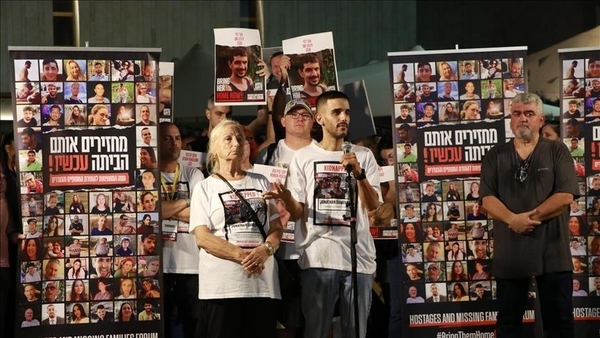
Dozens of Israelis demonstrate in Tel Aviv against Netanyahu's decisions.

Some 40,000 people demonstrated in Tel Aviv on Tuesday evening to protest Israeli Prime Minister Benjamin Netanyahu's decision to dismiss Shin Bet chief Ronen Bar and resume the war on the Gaza Strip.


Tens of thousands of demonstrators gathered in Habima Square in central Tel Aviv, and the protests spread to surrounding streets, such as Rothschild and Ben Zion, where heavy traffic jams were recorded.


Similar protests took place in Jerusalem, the Sha'ar Hanegev Rangers, Beersheba, Haifa, and other areas, with demonstrators raising slogans against the dismissal of the Shin Bet chief and against the continuation of the war.


Protesters accused Netanyahu of waging the war based on political calculations to ensure he remained in power, demanding a comprehensive deal to release all prisoners and rescind the dismissal of the Shin Bet chief.


The protests were attended by former leaders of Israel's security services, including former Police Commissioner Roni Alsheich, former Mossad chief Tamir Pardo, and families of prisoners in Gaza.


In his address to the demonstrators, Al-Sheikh said there was a systematic attempt to undermine the work of security institutions, noting that the security services were now required to "not carry out their duties if they do not align with the government's political interests."


He added, "The police are prevented from investigating cases that displease the political leadership, and now even the Shin Bet is no longer permitted to perform its duties if doing so threatens Benjamin Netanyahu's stability in power."


Al-Sheikh launched a sharp attack on Netanyahu, saying, "There can no longer be any doubt that he is willing to compromise national security for non-national reasons." He added, "We will not allow their future to be jeopardized."


He continued, "This is a fateful moment, and anyone who remains silent in the face of the government's political deception and security manipulation is sacrificing state security for narrow political interests."


For his part, former Mossad chief Pardo also launched a sharp attack on Netanyahu, saying, "March 18 is another dark day in the campaign of destruction led by the accused Netanyahu."


He added, "What is happening now is Netanyahu's war for his survival. It is not Israel's war, but Netanyahu's war for his political survival. The self-destructive mechanism that this coward, fraud, and liar launched long ago is reaching its decisive stage."


Pardo accused the prime minister of deliberately dragging Israel into an open war with no political horizon, saying, "You ousted the head of the Shin Bet hours before he was due to sit at the command table with the chief of staff. You claimed you didn't trust him, but at the same time, you gave him the responsibility of running the war again."


Pardo concluded his statement sharply: "You, Benjamin Netanyahu, pose an immediate and clear danger to the security of the state. You are a man without a conscience, without a compass. We will not forget and we will not forgive."


In turn, Einav Tsengauker, the mother of a prisoner held in the Gaza Strip, called on demonstrators to join the prisoners' families' protests on Begin Street, opposite the Ministry of Defense headquarters.


"Netanyahu opened the gates of hell on the hostages, not on Hamas. They can only be saved through a single comprehensive deal. War will not bring them back; it will kill them," she said.


She called for escalation, adding, "If thousands of Israelis set up tents around the Kirya headquarters (the Defense Ministry headquarters in Tel Aviv), Netanyahu will have no choice but to end the war and return the hostages."


PALESTINE

Tue 18 Mar 2025 10:36 pm - Jerusalem Time

Suffocation injuries during clashes south of Bethlehem

A number of citizens suffered suffocation when Israeli occupation forces stormed the village of Jouret al-Sham'a, south of Bethlehem, on Tuesday evening.


Local sources said that the occupation forces stormed the village and took up positions in its center, firing tear gas and sound bombs at the worshippers after they had finished the evening and Tarawih prayers, causing a number of them to suffer from suffocation.

ARAB AND WORLD

Tue 18 Mar 2025 10:03 pm - Jerusalem Time

Trump and Putin agree to a limited ceasefire in Ukraine... and Putin sets conditions.

US President Donald Trump said he and his Russian counterpart Vladimir Putin agreed during a "good and productive" call to work quickly toward a ceasefire in Ukraine, after agreeing to a halt to attacks on energy facilities but not a full truce.


Trump wrote on his Truth Social network that "it was agreed that we would work quickly to achieve a comprehensive ceasefire and ultimately end this very terrible war between Russia and Ukraine."


Putin demanded from his counterpart Trump a "complete halt" to Western military aid to Ukraine, the Kremlin announced.


The Russian presidency said in a statement following the call between the two leaders, "It was emphasized that the basic condition for preventing the escalation of the conflict and working to resolve it through political and diplomatic means must be a complete cessation of Western military assistance (to Ukraine) and the supply of intelligence information to Kyiv."


The Kremlin also announced that Putin had set conditions for a ceasefire in Ukraine, including an end to the country's "rearmament."


In a statement, he said, "The Russian side emphasized a number of key points related to effective monitoring of a possible ceasefire along the entire front line, the need to end the mandatory mobilization in Ukraine, and the rearmament of the Ukrainian armed forces."


For its part, the White House announced that Trump and Putin had agreed to a 30-day truce in Ukraine, including "energy and infrastructure," and that talks should begin immediately to reach a broader truce.


The White House said in a statement that "these talks will begin immediately in the Middle East," also noting that improving relations between Washington and Moscow would entail "tremendous economic and geopolitical benefits."


Putin told his counterpart Trump of his readiness to work with the United States on "possible ways to resolve" the conflict in Ukraine, the Kremlin announced.


The Kremlin said, "The Russian president declared his readiness to work with his American partners to thoroughly consider possible paths to a settlement that should be comprehensive, stable, and sustainable," describing the phone call between the two presidents as "detailed and frank."

PALESTINE

Tue 18 Mar 2025 9:07 pm - Jerusalem Time

Demolition of facilities and destruction of agricultural crops in Jericho and Hebron

Israeli occupation forces demolished facilities in Jericho on Tuesday evening, while settlers vandalized agricultural crops south of Hebron.


Hassan Malihat, general supervisor of the Al-Baidar organization for the defense of Bedouin rights, said in a press statement that the occupation authorities, accompanied by representatives from the settlement council and settlers from the colonial outposts adjacent to Arab Malihat in Jericho, demolished two barracks owned by Jamal Malihat, one of which was designated as a residential area and the other as a sheep pen.


He added that the occupation forces demolished the facilities that supply electricity to the residents and are used in their daily lives, in the presence of the director of the "Mefo'ot Yeriho" settlement, Jibrin Kalash, during the demolition operations.


The Arab al-Malihat, like other Bedouin communities in the Jordan Valley, face ongoing escalation by the occupation and its settlers, including demolitions, land seizures, and the prevention of construction and infrastructure development.


In Hebron, media activist Osama Makhamreh said that settlers stormed the village of Al-Mafqara, roamed around the homes of citizens, and released their livestock into a plot of land planted with more than 120 olive trees, owned by citizen Fayez Makhamreh in Khirbet Maghayer Al-Ubaid. The livestock grazed on dozens of olive trees owned by citizen Shahada Makhamreh, and destroyed agricultural crops owned by citizen Kayed Makhamreh.


In the "Fatah Sidra" area, settlers released their sheep around the home of citizen Farid Al-Hamamdeh, destroying irrigated seedlings around the house, fruit trees, and areas of agricultural crops.

PALESTINE

Tue 18 Mar 2025 8:52 pm - Jerusalem Time

Medical facilities in Gaza are suffering from severe pressure and a shortage of supplies.

The Red Cross warned that many medical facilities in Gaza are suffering from "extreme pressure" beyond their capacity following the recent Israeli bombardment of the Strip, coinciding with what the World Health Organization confirmed about a shortage of medicines in the Strip.


Tommaso Della Longa, spokesman for the International Federation of Red Cross and Red Crescent Societies, said on Tuesday that Palestinian Red Crescent Society workers confirmed that "many health facilities across Gaza are under extreme pressure, exceeding their capacity." He noted that health facilities are suffering from a high number of patients and pressure amid declining supplies.


"There is a shortage of food, supplies, and fuel," he said, adding that Palestinian Red Crescent teams are assessing the impact of the fuel shortage on ambulance services and the ability of paramedics to reach those in need.


He added, "There is a shortage of medical equipment and medicines in hospitals and clinics. This makes it even more difficult to provide the necessary treatment to save lives."


For his part, World Health Organization spokesman Tarik Jasarevic warned of depleting drug stocks.


"Unfortunately, due to this shortage of medicines, there is a risk that health workers will not be able to provide treatment for various medical conditions, not just injuries," he told reporters, stressing that many supplies are running out.


He explained that the World Health Organization has 16 trucks waiting at the El Arish crossing on the Egyptian side of the border with Gaza, while essential medical supplies are being purchased.


For its part, Doctors Without Borders reported that its teams received a large influx of wounded at its field hospital, clinic, and Nasser Hospital.


"The types of injuries are extremely difficult, ranging from amputations to complex orthopedic cases and burns," said Mohammed Abu Mughsib, the organization's deputy medical coordinator in southern Gaza.


He added, "Hospitals are unable to cope with the large number of victims they receive at once."


"It was absolutely terrifying for 20 minutes, with bombs falling everywhere," said Claire Nicolet, head of MSF's emergency department, who is currently in Gaza.

PALESTINE

Tue 18 Mar 2025 8:50 pm - Jerusalem Time

Netanyahu: From now on, negotiations will be conducted under fire.

Israeli Prime Minister Benjamin Netanyahu said Tuesday evening that negotiations regarding Israeli prisoners held in the Gaza Strip will henceforth be conducted "under fire," and vowed to escalate military operations as part of Israel's war of extermination against the Gaza Strip.


This came in a video statement by Netanyahu, following the resumption of the Israeli war on the Gaza Strip, in which he claimed that "Hamas rejected all the proposals presented to it repeatedly," while alleging that Israel had agreed to the proposal of the US envoy to the Middle East, Steve Witkoff.

PALESTINE

Tue 18 Mar 2025 7:43 pm - Jerusalem Time

Israeli prisoners released from Gaza: Resumption of war threatens the lives of hostages

Israeli prisoners released from the Gaza Strip called on Israeli Prime Minister Benjamin Netanyahu to conclude a comprehensive and immediate deal that guarantees the release of all hostages.


The prisoners warned that the resumption of the war would directly endanger the lives of prisoners held by resistance factions in the Gaza Strip, during a press conference held in the "Prisoners' Square" in Tel Aviv.

Speakers stressed that political procrastination and military escalation "are costing the hostages in Gaza a heavy price," calling on the government to take urgent steps to end the crisis.


They called on the international community to continue to pressure "all parties" to push Israel and Hamas to return to the negotiating table and reach a deal that guarantees the release of prisoners.


Sasha Turbanov, one of the prisoners released from the Gaza Strip, warned that the Israeli military operations "endanger the lives of the hostages and directly affect them."


"I am shocked that decision-makers choose not to listen," he added. "I can't stop thinking about those still there, living in hell because of the resumption of fighting."

PALESTINE

Tue 18 Mar 2025 7:12 pm - Jerusalem Time

EU calls on Israel to stop bombing Gaza.

  1. The European Union called on Israel to halt its bombing of the Gaza Strip and resume the unimpeded flow of humanitarian aid and electricity into Gaza.


A joint statement by High Representative Callas and Commissioners Soika and Lahbib expressed regret over the collapse of the ceasefire in Gaza and the killing of civilians, including children, in Israeli airstrikes, calling for adherence to its obligations under international humanitarian law.


The European Union emphasized that resuming negotiations is the only way forward, and that stability is a prerequisite for rapid reconstruction.

ARAB AND WORLD

Tue 18 Mar 2025 6:41 pm - Jerusalem Time

US Ambassador to the UN Blames Hamas for Israel's Resumption of War


Interim US Ambassador to the United Nations Dorothy Shea told the Security Council on Tuesday that responsibility for the resumption of Israeli airstrikes on Gaza last night "rests solely with Hamas."

"The terrorist movement Hamas has categorically rejected every proposal and deadline presented to it over the past few weeks, including a temporary proposal to extend the ceasefire beyond Ramadan and Easter to allow time to negotiate a framework for a permanent ceasefire," She claimed.

In her address to one of the Security Council's many sessions on the Israeli-Palestinian conflict, Xi rejected accusations that Israel is indiscriminately bombing Gazans.

The US representative also claimed: "The IDF is bombing Hamas positions. Hamas is known to continue using civilian infrastructure as launching points for its attacks, and the United States condemns this practice, as should others."

It is noteworthy that the movement has not fired a single shot at Israel since January 19.

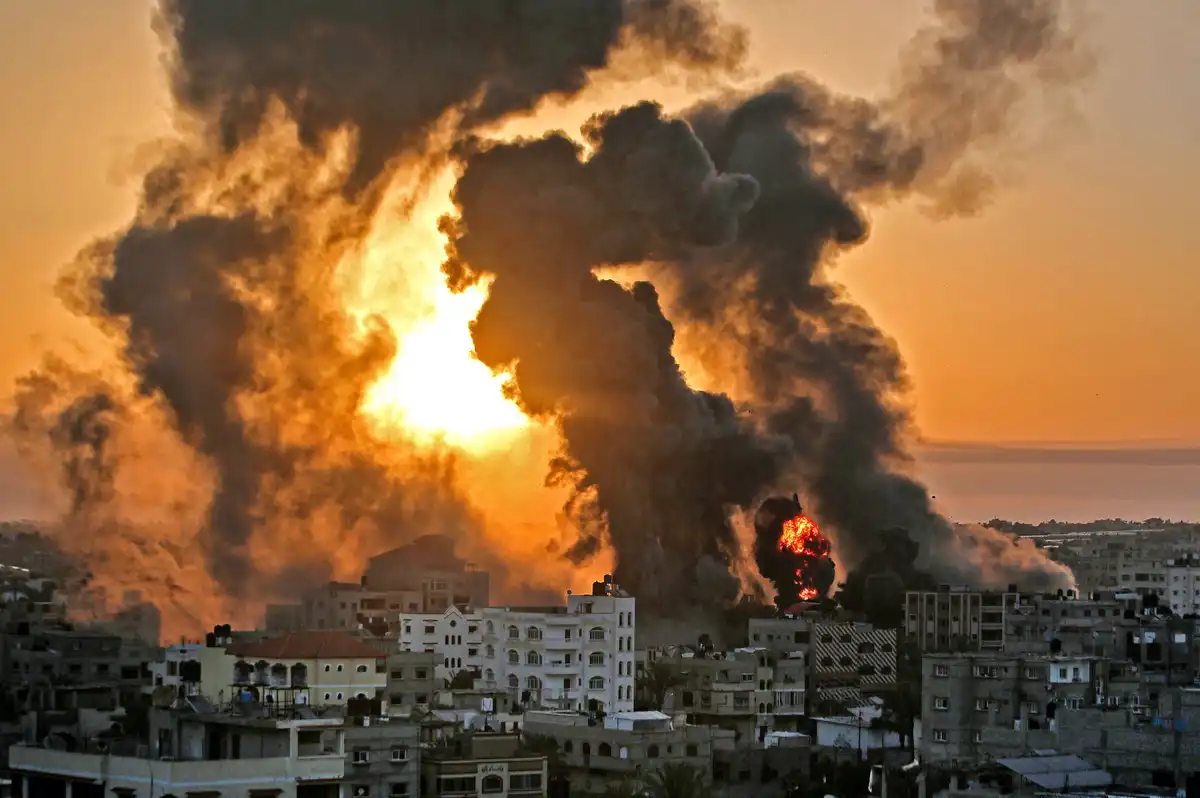
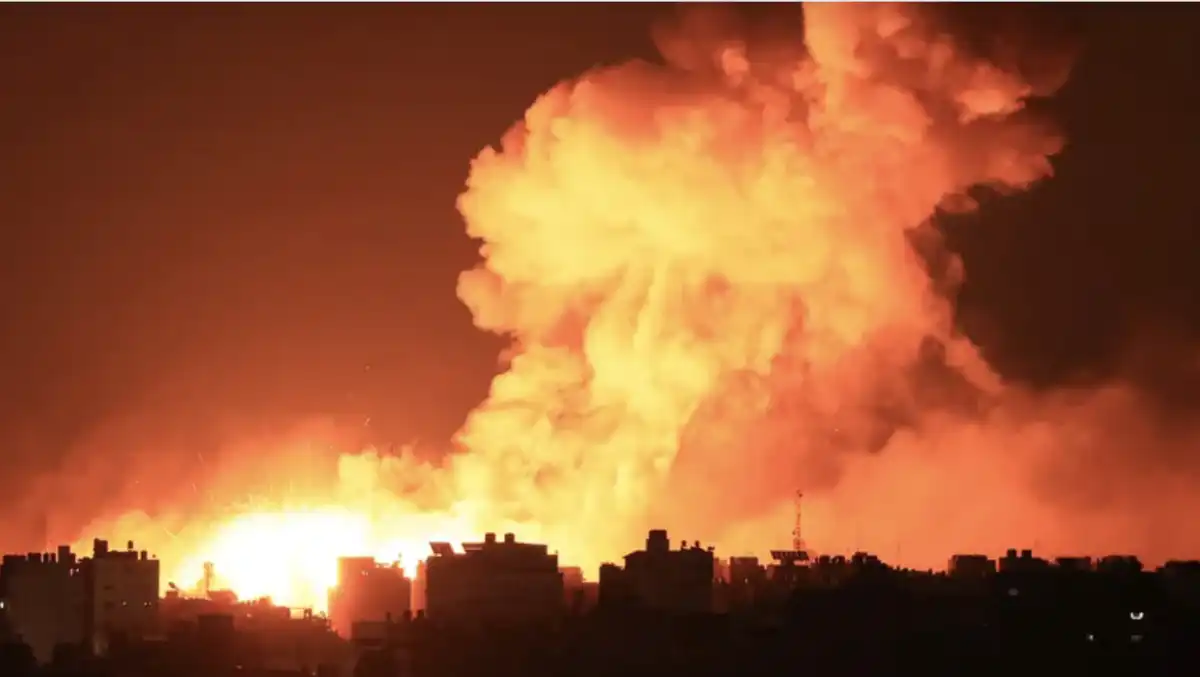
The Israeli occupation army resumed its war of extermination at dawn on Tuesday with a sweeping airstrike that killed at least 412 civilians, most of them children and women, and wounded 500 others, as a result of the intensive airstrikes on the Gaza Strip since dawn on Tuesday.

The Israeli occupation army claimed on Tuesday that it continues to bomb targets belonging to the Islamic Resistance Movement (Hamas) and the Islamic Jihad movement throughout the Gaza Strip.

The Israeli military claimed that the targets it bombed over the past few hours included militant cells, weapons depots, and other military infrastructure used by Hamas "to plan and carry out terrorist activities and posed a threat to IDF forces and citizens of the State of Israel."

Hamas is insisting on adhering to the original ceasefire terms of the agreement signed on January 16. The first phase of the agreement went into effect on January 19, and the second phase was supposed to enter early March. That phase included Israel's full withdrawal from Gaza and an agreement to permanently end the war in exchange for the release of the remaining living prisoners. While Israel signed the agreement, Israeli Prime Minister Benjamin Netanyahu has long insisted that Israel will not end the war "until Hamas's governing and military capabilities are destroyed." Accordingly, Israel has refused even to hold talks on the terms of the second phase, which was supposed to begin on February 3 with US support.

Instead, Netanyahu pushed for the first phase (which concluded on March 1) in exchange for the release of more Israeli detainees. The United States embraced Netanyahu's approach, and a new proposal from Trump's special envoy to the Middle East, Steve Witkoff, sought to achieve precisely that. Witkoff stated on Sunday that Hamas's response to the proposal was unacceptable.

Hamas had offered on Friday to release the remaining five American hostages, in line with what it had discussed during direct talks with Trump's hostage affairs envoy, Adam Boehler. Those talks collapsed after Israel leaked them to the press, prompting the Trump administration to abandon the framework by the time Hamas accepted it.

The Israeli occupation authorities threaten to intensify strikes on the besieged Gaza Strip unless Hamas resumes "real" negotiations.

PALESTINE

Tue 18 Mar 2025 5:32 pm - Jerusalem Time

Israeli Defense Minister: We will not stop until Hamas is eliminated and the hostages are returned.

Israeli Defense Minister Yisrael Katz said that "the rules of the game have changed" in the confrontation with Hamas, stressing that Israel will continue its war of extermination in the Gaza Strip "until all hostages are returned and the movement is completely eliminated."


Katz's remarks came during a field tour of the Israeli Air Force's Tal Nof base on Tuesday, following Israel's reversal of the ceasefire agreement and resumption of the war on Gaza, which has resulted in the deaths of 420 Palestinians in just hours.


Katz said, "I congratulate the IAF and the IDF on the unprecedented assassinations last night in Gaza, which were carried out based on the decision made by Prime Minister Benjamin Netanyahu and me, with the approval of all the security agencies."


He added, "Hamas must realize that the rules of the game have changed. If it does not immediately release all the hostages, the gates of hell will open on it, and it will face the full force of the Israeli army by air, sea, and land, until it is completely eliminated," he said.


Katz stressed that Israel "will not stop fighting until all hostages are returned to their homes and all threats to the residents of the south are removed."


By resuming its war on Gaza, Israel seeks to achieve three main goals. The first is to pressure Hamas to accept its terms in negotiations regarding a ceasefire and prisoner exchange. It also threatens to undermine the movement's rule in the Strip.


In addition, Israel is attempting to exert pressure on Iran and the Houthis amid the regional escalation. It is also working to prevent the rebuilding of the Qassam Brigades, Hamas's military wing, and weaken its combat capabilities.

PALESTINE

Tue 18 Mar 2025 4:40 pm - Jerusalem Time

Hamas mourns six of its leaders, including the prime minister of the Gaza Strip.

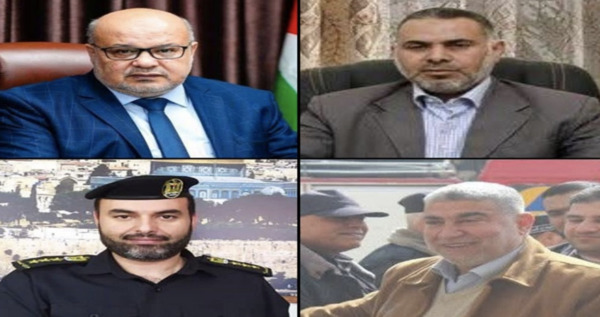
Hamas announced that its prime minister in the Gaza Strip, Issam al-Da'alis, and other leaders were killed in a series of Israeli airstrikes early Tuesday morning. The strikes were part of an Israeli escalation and the Netanyahu government's failure to implement a ceasefire agreement.


In a statement, the movement mourned the death of the head of government follow-up, Al-Dalis, along with the Undersecretary of the Ministry of Interior, Mahmoud Abu Watfa, the Director-General of the Internal Security Service, Bahjat Abu Sultan, and the Undersecretary of the Ministry of Justice, Ahmed Al-Hatta.


The movement also mourned the deaths of its political bureau members, Yasser Harb and Mohammed al-Jamasi, stressing that these martyrs worked "to serve their people, strengthen their security, social cohesion, and steadfastness on their land, and to achieve their aspirations to halt and end the Zionist aggression."


She explained that they were martyred "after being directly targeted by Zionist occupation aircraft, along with their families."


She stressed that "the assassination crimes carried out by the Zionist occupation against the movement's leaders, symbols of national action, and our people will not enable it to achieve its goals, nor will they break the will of our people."


Al-Dalis, who was a member of Hamas's political bureau in Gaza, was elected to his government duties in June 2021. In November 2023, Israel announced that it had bombed a Hamas building where al-Dalis and other leaders were present, claiming that they had been killed.


Israel vowed Tuesday to continue fighting in Gaza until the "return of the hostages" held by the movement. This followed airstrikes on the besieged enclave, the most violent since a ceasefire between the two sides took effect, resulting in the deaths of 413 people, most of them children and women.


For his part, Hamas leader Sami Abu Zuhri stressed that Israel is trying to "impose a surrender agreement" on the movement through the violent attacks it launched on the Gaza Strip, which have resulted in the deaths of hundreds. He accused the United States of being a "partner in the escalation."


Abu Zuhri said, "The occupation's massacres in Gaza aim to undermine the ceasefire agreement and attempt to impose a surrender agreement, writing it in Gaza's blood." He noted that the Israeli attacks have also resulted in hundreds of injuries, including dozens in critical and serious condition.


In a related development, UN Secretary-General António Guterres expressed his "shock" at the renewed genocidal war waged by Israel against the Gaza Strip, calling for respect for the ceasefire, according to a UN spokesperson.


"The Secretary-General is shocked by the Israeli airstrikes in Gaza and strongly appeals for respect for the ceasefire, the restoration of unhindered humanitarian access, and the unconditional release of the remaining hostages," spokesman Rolando Gomez said at a press conference in Geneva.


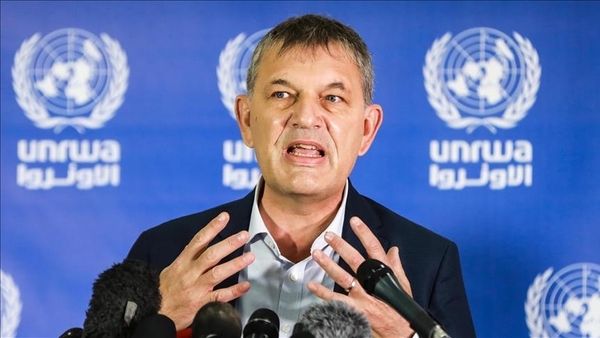
For his part, the Commissioner-General of the United Nations Relief and Works Agency for Palestine Refugees (UNRWA), Philippe Lazzarini, considered that the resumption of the war would fuel "hell on earth." He explained that "fueling hell on earth by resuming the war will only exacerbate despair and suffering."


In a post on the X platform, he stressed that "the ceasefire must be restored."

Earlier on Tuesday, UN High Commissioner for Human Rights Volker Türk expressed his shock at the Israeli strikes, calling for "an immediate end to this nightmare." He said, "The only way forward is to reach a political settlement in accordance with international law."


He added, "Israel's use of further military force will only exacerbate the tragedy of the Palestinian people, who are already suffering from catastrophic conditions." He continued, "This nightmare must end immediately. The hostages must be released immediately and unconditionally."


He stressed the need to "release all arbitrarily detained persons immediately and unconditionally," and the UN High Commissioner for Human Rights emphasized that "the war must end. We urge all influential parties to do everything in their power to achieve peace and prevent further civilian suffering."

PALESTINE

Tue 18 Mar 2025 4:22 pm - Jerusalem Time

Gaza under fire: More than 400 killed and thousands injured in Israeli raids on the Strip

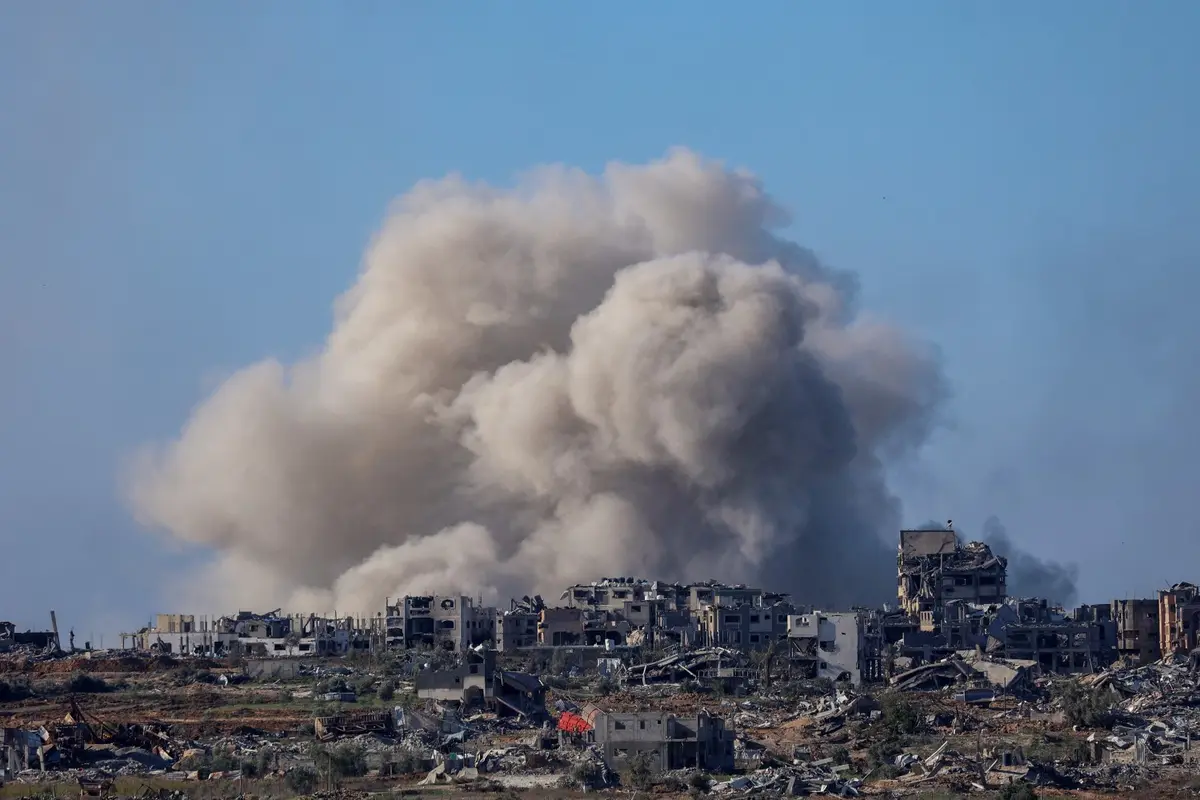
Nearly 1,000 people, including dozens of children and women, have been killed and injured across Gaza since the Israeli occupation announced Tuesday the resumption of its war on the devastated enclave. The escalation has included a major military assault on most areas of the Strip, targeting residents during the pre-dawn meal, displaced persons' tents, and schools housing hundreds of families.


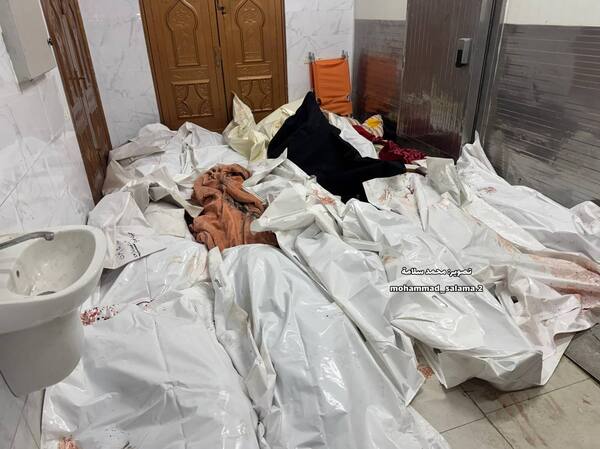
The Gaza Ministry of Health confirmed that 420 people were killed and more than 500 injured in Israeli airstrikes on several areas in the Gaza Strip, adding that "a number of victims are still under the rubble and efforts are underway to recover them."


Earlier, the government media office in Gaza confirmed in a statement that more than 322 people were killed and dozens more injured in the five hours of Israeli aggression, including entire families, some of whom were taken to hospitals.


The office of Israeli Prime Minister Benjamin Netanyahu announced early Tuesday morning the resumption of attacks on what it claimed were Hamas sites in the Gaza Strip. The Israeli Ministry of Defense confirmed that military operations would escalate gradually and with great force in the coming hours. The Israeli army has named its military operation against Gaza "Courage and Sword."


The Israeli Prime Minister's Office stated that Netanyahu and Defense Minister Yisrael Katz had directed the army to carry out intensive strikes against Hamas. The Israeli army, in a joint statement with the Shin Bet security service, confirmed that it was "targeting extensively the movement's sites in the Gaza Strip, based on directives from the political echelon."


ARAB AND WORLD

Tue 18 Mar 2025 3:51 pm - Jerusalem Time

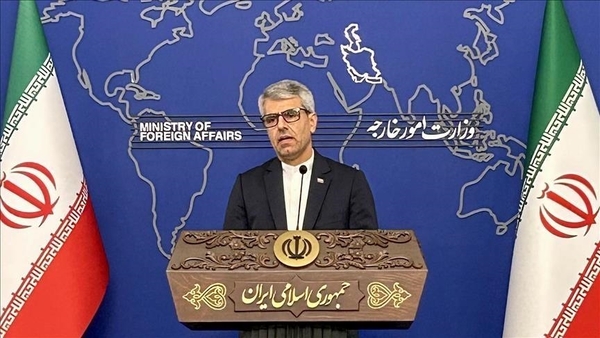
Iran condemns Israel's resumption of genocide in Gaza and holds Washington responsible

Iran strongly condemned Israel's resumption of attacks on the Gaza Strip, holding the United States "directly responsible for these attacks."


In a statement on Tuesday, Iranian Foreign Ministry spokesman Esmail Baghaei noted that the Israeli attacks on Gaza, which began early today, resulted in the deaths of hundreds of people, including women and children.


He added that these Israeli attacks constitute a "continuation of the crimes of genocide and ethnic cleansing" committed against the Palestinians.


The Iranian spokesman considered the United States to be "directly responsible for these attacks."


He also pointed out that the Islamic world also bears a special responsibility in preventing genocide against the Palestinians.


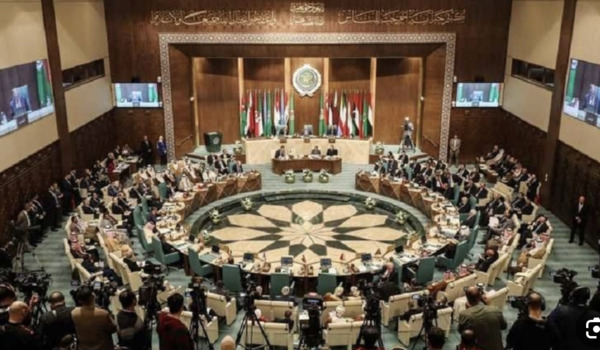
He called on the Organization of Islamic Cooperation to take "serious steps" against Israel.


At dawn on Tuesday, Israel suddenly and violently intensified its genocidal crimes against Palestinians, launching massive airstrikes across most areas of the Gaza Strip and targeting civilians during the pre-dawn meal, leaving hundreds dead, wounded, and missing within hours.


The Ministry of Health in Gaza reported that "404 martyrs and more than 562 wounded, including very serious cases," had arrived at hospitals "as a result of the multiple attacks and massacres perpetrated by the Israeli occupation since the early hours of this morning in the Gaza Strip."


ARAB AND WORLD

Tue 18 Mar 2025 3:32 pm - Jerusalem Time

US and Israel are considering expelling Gaza Palestinians to Syria.

CBS News reported that the United States and Israel are considering expelling Palestinians from Gaza to Syria to facilitate the ethnic cleansing of the Strip.


The report added that the United States and Israel are also interested in exploring the possibility of sending Palestinians to Somalia and Sudan, two war-torn countries. Somalia has denied receiving any contact from US and Israeli officials, while Sudan has not commented.


A source told CBS that the Trump administration has attempted to reach out to the Syrian Interim Government, led by Hayat Tahrir al-Sham, an al-Qaeda affiliate, regarding the idea of resettling Palestinians in Syria through a third party.


A source "in the region" told CBS that contact had been made with the government led by Hayat Tahrir al-Sham, although a Syrian government official denied any knowledge of the proposal from the United States and Israel.


President Trump has consistently called for the permanent evacuation of Palestinians from Gaza as part of his plan for a US "takeover" of the territory. Trump's calls have emboldened members of the Israeli government who have been calling for ethnic cleansing in Gaza and the establishment of Jewish settlements. Idit Silman, Israel's Minister of Environmental Protection, said last week that God had sent the Trump administration to facilitate these goals. "God sent us the American administration, and it tells us clearly—the time has come to inherit the land," she said.


Bezalel Smotrich, Israel's far-right finance minister, recently declared that a plan for ethnic cleansing in Gaza is "taking shape." He said the Israeli government will establish a new "immigration administration" to facilitate the ethnic cleansing. "If we remove 5,000 people a day, it will take a year," he said. "This is a huge logistical operation—not just the bus that takes them. We need to know who is going, to which country, what their ages are, their vocational training, and it's a huge operation, and we are preparing for it."


The Hamas-run Health Ministry reported on Tuesday that the Palestinian death toll has risen to 412, "most of them children and women," and more than 500 have been wounded in a series of violent airstrikes on the Gaza Strip since last night.


The Israeli occupation army claimed on Tuesday that it continues to bomb targets belonging to the Islamic Resistance Movement (Hamas) and the Islamic Jihad movement across the Gaza Strip.


The Israeli military claimed that the targets it bombed over the past few hours included militant cells, weapons depots, and other military infrastructure used by Hamas "to plan and carry out terrorist activities and posed a threat to IDF forces and citizens of the State of Israel."

ARAB AND WORLD

Tue 18 Mar 2025 3:10 pm - Jerusalem Time

Netanyahu informed the Trump administration in advance of his intention to resume the war on Gaza.

The American website Axios revealed on Monday that Israeli Prime Minister Benjamin Netanyahu informed the Trump administration of his intention to end the ceasefire it concluded with Hamas under the auspices of Egypt, Qatar, and the United States on January 15, 2025 (which entered into force on January 19).


The occupying Israeli state resumed its war on the besieged Gaza Strip with a series of intensive airstrikes against what it described as Hamas targets across the Strip overnight.


These raids come exactly two months after the signing of the Gaza ceasefire agreement, which ended on March 1. Netanyahu has refused to commit to the start of the second phase, which calls for the withdrawal of Israeli occupation forces from the entire Gaza Strip and preparations for the third phase, which concerns the reconstruction of Gaza.


It's worth noting that US President Trump has repeatedly shifted his position on the ceasefire and the fate of Gaza, stating on more than one occasion that he has no guarantees that the ceasefire will last. At other times, he has threatened to open the gates of hell on Gaza, threatening Gazans with "death" if Hamas does not release all detainees immediately by March 5.


On February 4, during his meeting with Netanyahu at the White House, Trump revealed his plans to seize Gaza, expel its residents, and turn it into the "Riviera" of the Middle East.


Last week, Trump's Middle East envoy, Steve Witkoff, put forward a proposal focused solely on the release of Israeli detainees (some of whom hold US citizenship) in exchange for a ceasefire lasting for a few more weeks, with no mention of the agreed-upon second phase.


Hamas rejected the American proposal. Hamas leader Osama Hamdan said that Witkov's proposal was limited to a prisoner exchange and did not address a ceasefire, opening the crossings, or ending the blockade. He emphasized that a return to zero was unacceptable.


Hamdan said that what is required is a return to the agreement concluded last January.


US envoy Steve Witkoff said on Sunday, March 16, that Hamas's proposal for a ceasefire is not suitable as a starting point for negotiations.


"The response we received from Hamas regarding extending the ceasefire in Gaza is completely unacceptable," Witkoff told CNN.


Witkov threatened Hamas, saying, "Hamas's chances are fading, and I advise them to look at what we did to the Houthis in Yemen and to be more realistic in the negotiations."


It is noteworthy that Israel has completely halted the entry of humanitarian aid, medicine, and water into the Gaza Strip since March 2. In response to a question from a Quds.com correspondent on Monday about the US administration's position on Israel's deliberate starvation of the Gaza Strip, which constitutes a war crime under international law, US State Department spokeswoman Tammy Bruce confirmed that her administration's position is that "Hamas bears responsibility for the tragedy in Gaza" and that the Trump administration fully embraces the Israeli position.

ARAB AND WORLD

Tue 18 Mar 2025 2:46 pm - Jerusalem Time

Saudi Arabia calls for an immediate end to the occupation's aggression and the protection of Palestinian civilians.

The Saudi Ministry of Foreign Affairs stressed the need for an immediate end to the killing, violence, and destruction perpetrated by the Israeli occupation in the Palestinian territories, emphasizing the importance of protecting Palestinian civilians from Israel's unjust war machine.


The ministry clarified, in a statement, that the Kingdom calls on the international community to assume its responsibilities and intervene urgently to put an end to these crimes and work to end the severe suffering endured by the Palestinian people.


The Kingdom reiterated its unwavering support for the Palestinian cause and the Palestinian people's right to live in dignity and security, calling for immediate international action to halt the escalation and protect innocents.

PALESTINE

Tue 18 Mar 2025 1:51 pm - Jerusalem Time

The Organization of Islamic Cooperation condemns the resumption of the occupation's aggression on the Gaza Strip.

The Organization of Islamic Cooperation (OIC) condemned the resumption of Israeli occupation forces' aggression against the Gaza Strip, which has resulted in hundreds of deaths, injuries, and missing persons, the majority of whom are children, women, and the elderly. The Organization considers this an extension of the war crime and genocide committed by the Israeli occupation against our people.


The organization held Israel, the occupying power, fully responsible for these ongoing crimes against the Palestinian people. It also called on the international community, particularly the UN Security Council, to assume its responsibilities by implementing an immediate cessation of Israeli aggression, opening the crossings, ensuring the delivery of humanitarian aid to all parts of the Gaza Strip, confronting attempts at annexation and the displacement of the Palestinian people from their land, and providing international protection for the Palestinian people.

PALESTINE

Tue 18 Mar 2025 1:16 pm - Jerusalem Time

Prime Minister: The crimes committed by the occupation require urgent action from the international community to stop them.

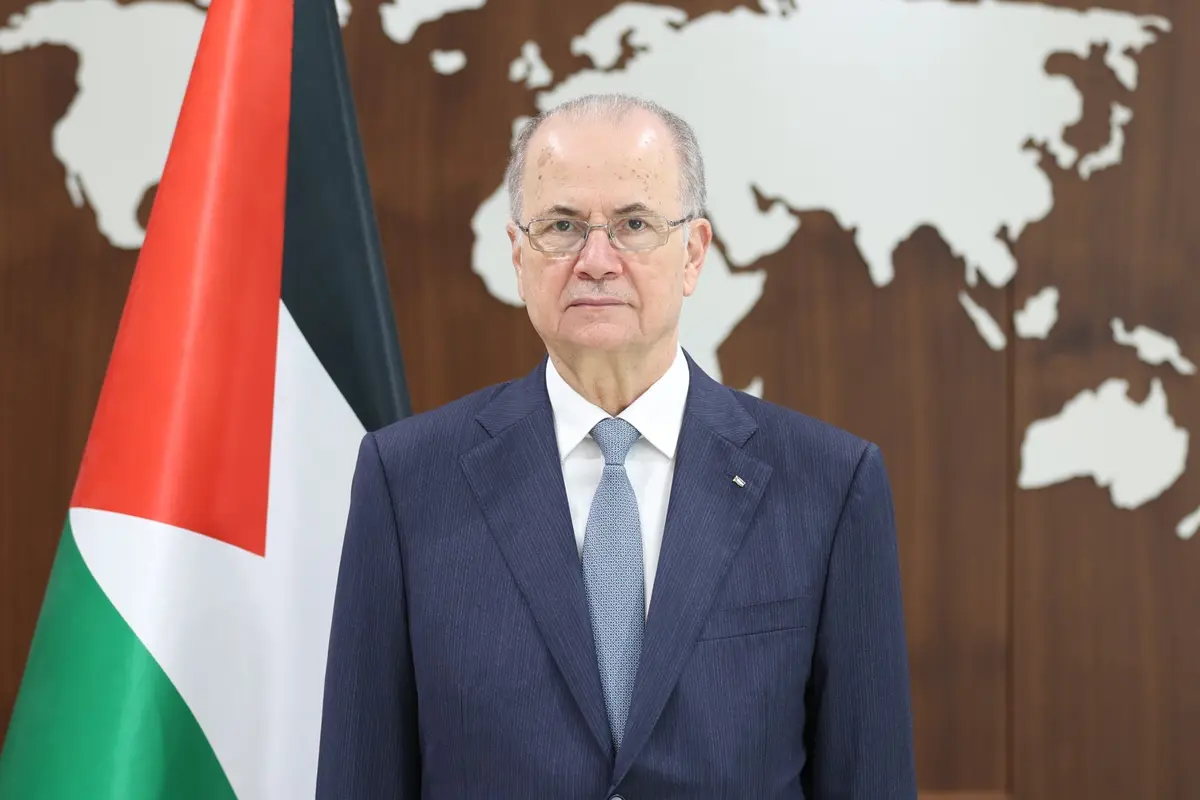
Prime Minister Mohammed Mustafa said that the crimes committed by the occupation forces in the Gaza Strip, and the targeting of civilians inside the tents, require urgent action from the international community to stop these crimes.


This came during the Prime Minister's speech at the beginning of the Cabinet session today, Tuesday.


Since dawn today, the Israeli occupation forces have committed a massacre against our people in the Gaza Strip, with the number of martyrs and wounded exceeding one thousand.

PALESTINE

Tue 18 Mar 2025 12:54 pm - Jerusalem Time

Lazzarini after the resumption of the war of extermination: Horrific scenes of civilians killed in Gaza

The Commissioner-General of the United Nations Relief and Works Agency for Palestine Refugees (UNRWA), Philippe Lazzarini, said that the violent Israeli bombardment of the Gaza Strip at dawn left horrific scenes of civilians killed, including children, calling for a return to the ceasefire agreement.


"Horrific scenes of civilians killed in Gaza, including children, after waves of violent Israeli bombing overnight," Lazzarini added in a post on his X account on Tuesday.


He explained that Israel's resumption of its genocidal war on Gaza "increases the suffering and despair," adding, "A ceasefire must be restored."


At dawn on Tuesday, Israel suddenly resumed its genocidal war on the Gaza Strip, with a major military escalation that encompassed most of the Strip and targeted civilians during the pre-dawn meal.


The Ministry of Health in Gaza reported that 326 Palestinian martyrs and more than 440 wounded, including those in "very critical" condition, had arrived at hospitals in the Strip, "as a result of the multiple attacks and massacres perpetrated by the Israeli occupation since the early hours of this morning in the Gaza Strip."


The ministry explained that there are still a number of victims under the rubble and efforts are underway to recover them.


This attack represents the largest violation of the ceasefire agreement brokered by Qatar, Egypt, and the United States last January.


This new aggression adds to a long series of Israeli attacks targeting the Gaza Strip, exacerbating the humanitarian tragedy and deepening the crisis facing Palestinians in Gaza under the ongoing siege and aggression.


Israel resumed its war of extermination amid an extremely difficult humanitarian and living situation, and a fuel shortage in all governorates of the Gaza Strip due to its closure of the crossings.

PALESTINE

Tue 18 Mar 2025 11:26 am - Jerusalem Time

Ben-Gvir: We welcome Israel's return to intensive combat under Prime Minister Benjamin Netanyahu's leadership.

Israeli Finance Minister and outgoing National Security Minister Itamar Ben-Gvir welcomed the resumption of war on the Gaza Strip, while Israeli Prime Minister Benjamin Netanyahu called for security consultations attended by the Defense Minister and security chiefs.


At dawn on Tuesday, Israel resumed its war on the Gaza Strip with a series of violent airstrikes that have so far resulted in hundreds of deaths, according to the Ministry of Health in Gaza.


Far-right minister Smotrich said he "continued to this point in the government despite his opposition to the deal (ceasefire agreement), and that we are more determined than ever to complete the mission of destroying Hamas."


Smotrich added that the operation is gradual, and that we have been planning for it in recent weeks since the new Chief of Staff, Eyal Zamir, took office. He said, "The new operation in Gaza will look different from what has been achieved so far, and we must re-mobilize with strength, faith, and determination until victory."


For his part, the Likud leader, who resigned from his position in protest against the ceasefire in Gaza, affirmed that the Jewish Power party welcomes Israel's return, under Netanyahu's leadership, to intensive fighting in Gaza.


In the hours following the start of Israel's surprise attack on the Gaza Strip early Tuesday morning, there were growing indications that the Otzma Yehudit party, led by Itamar Ben-Gvir, would return to the Israeli government.


With his main demand met, the resumption of fighting in Gaza on Tuesday morning, the path is now clear for Ben-Gvir and his Otzma Yehudit party to return to the government.


Ben-Gvir demanded that Prime Minister Benjamin Netanyahu rescind his directive not to hold discussions about the attack, in order to promote a return to government amid renewed fighting in Gaza.


However, Ben-Gvir complied with Netanyahu's instructions, and Otzma Yehudit decided this morning to impose a ban on dialogue. Party ministers are not speaking publicly at this stage, but he requested permission to speak on the matter.

PALESTINE

Tue 18 Mar 2025 11:10 am - Jerusalem Time

An Israeli prisoner was killed and two others were injured as a result of the violent Israeli aggression on the Gaza Strip.


An Israeli prisoner was killed and two others were wounded in Gaza, following the renewed Israeli aggression on the Gaza Strip, which began at dawn on Tuesday and has resulted in hundreds of deaths and injuries.


A Hamas leader told Al-Araby Al-Jadeed newspaper that an Israeli prisoner was killed and two others were injured among the victims of the Israeli bombing of Gaza.


The leader, whose name was not mentioned by the newspaper, confirmed that Netanyahu's main goal is to get rid of the Israeli prisoners.


He continued, "The movement agreed to US envoy Boehler's proposal, but was surprised by Witkoff's proposal."


He stressed that Hamas has implemented all its obligations since the beginning of the ceasefire agreement.


The Israeli occupation forces resumed their aggression on the Gaza Strip at dawn on Tuesday, in a blatant violation of the truce. Airstrikes targeted various areas across the Strip, killing at least 342 Palestinians and wounding hundreds more, on the 58th day of the ceasefire agreement.


In the latest developments on the ground, medical sources reported the deaths of more than 342 people, including 179 from Gaza City and the northern Gaza Strip—according to a preliminary toll—and the injury of dozens more as a result of Israeli airstrikes targeting several areas in the Gaza Strip.

PALESTINE

Tue 18 Mar 2025 11:06 am - Jerusalem Time

Israeli occupation continues its aggression on the city of Tulkarm and its two camps for the 51st day.

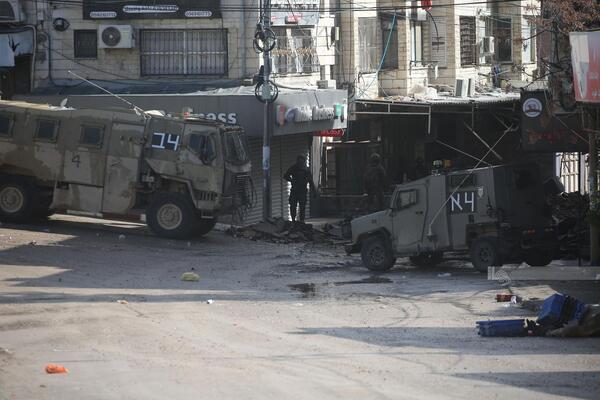
The Israeli occupation forces continue their aggression on the city of Tulkarm and its camp for the 51st consecutive day, and on the Nour Shams camp for the 38th day, amid military reinforcements, home demolitions, and the forced displacement of residents.


According to local sources, occupation forces continued last night to send military reinforcements, including heavy vehicles and bulldozers, toward the city and its two camps. Meanwhile, infantry units were deployed on the main streets, restricting the movement of vehicles and harassing civilians. They also fired sound bombs to terrorize residents.


This morning, Israeli bulldozers demolished homes and residential buildings in the Al-Gharifat area of the Al-Manshiya neighborhood in Nour Shams refugee camp. The demolition was part of a plan to build roads inside the camp and alter its geographic features, especially after residents were forcibly evacuated.


In the same context, local sources reported that occupation forces forced residents this morning to evacuate their homes in the Jabal al-Salihin neighborhood of Nour Shams camp, which has been subjected to a tight siege, accompanied by widespread raids and vandalism of homes, and threats to force residents to evacuate. The camp has become almost empty of its residents, after more than 12,000 refugees were displaced from it.


Meanwhile, Tulkarm camp has witnessed a massive exodus of the remaining residents of its neighborhoods on the outskirts, including Qaqun, Abu al-Ful, and Marbat Hanoun, after the occupation forced them to leave through threats and intimidation. Local sources reported that 200 families were displaced from their homes in the past two days due to the escalation of the occupation's aggression and its threats to residents to leave their homes and not return to them.


Occupation soldiers are also deployed extensively throughout all neighborhoods, raiding empty homes and turning them into military barracks and sniper positions. They are also raiding shops, businesses, and mosques, vandalizing their contents and seizing some of them.


Israeli occupation forces continue to seize several homes on Nablus Street, particularly those overlooking Tulkarm refugee camp, where their vehicles are positioned in the vicinity, amid strict measures restricting the movement of vehicles and civilians.


These attacks come amid the ongoing escalation by Israeli occupation forces in the city of Tulkarm and its two camps, which has resulted in the deaths of 13 civilians, including a child and two women, one of whom was eight months pregnant. Dozens more have been injured and arrested, and more than 24,000 people have been forcibly displaced from the two camps.


The aggression also caused widespread destruction to the infrastructure, including water, electricity, sewage, and communications networks, as well as homes, shops, and vehicles, which were completely and partially demolished, burned, vandalized, looted, and seized. The entrances and alleys of the camps were also closed off with earth mounds.

PALESTINE

Tue 18 Mar 2025 10:31 am - Jerusalem Time

The death toll from the aggression on the Gaza Strip since dawn today has risen to 326 dead

Medical sources announced on Tuesday that the death toll from Israeli occupation forces' bombardment of various areas in the Gaza Strip has risen to 326.


Medical sources reported that 326 dead, most of them children and women, have arrived at hospitals in the Gaza Strip so far. 660 citizens have been injured, and a number of victims remain under the rubble.


The occupation forces resumed their aggression on the Gaza Strip at dawn, after a hiatus of more than two months, launching a series of intensive airstrikes and firing shells at several areas in the Strip.


The office of Israeli Prime Minister Benjamin Netanyahu announced the resumption of the war on the Gaza Strip, and that its scope will gradually expand in the coming hours.


The resumption of aggression against the Gaza Strip comes amid fears of a worsening humanitarian situation in the Strip, given the ongoing blockade and the cut-off of medical and humanitarian supplies.


Since October 7, 2023, the occupying forces have launched an aggression against the Gaza Strip, resulting in the martyrdom of more than 48,572 citizens, the majority of whom were children and women, and the injury of 112,032 others, while a number of victims remain under the rubble.


PALESTINE

Tue 18 Mar 2025 10:08 am - Jerusalem Time

Families of Israeli prisoners in Gaza: The government chose to abandon the hostages.

The families of Israeli prisoners said Tuesday that by resuming the war of extermination in Gaza, the government has chosen to abandon our relatives in the Strip.


"The greatest fears of the families, the hostages, and the citizens of Israel have been realized," she added in a post on the X platform. "The Israeli government has chosen to abandon the hostages."


She continued: "We are shocked, angry, and horrified by the deliberate dismantling of the horrific process of repatriating our loved ones from Hamas captivity."


She pointed out that "returning to fighting before the release of the last of the abductees would come at the expense of the 59 abductees still in Gaza who could be rescued and returned."


She explained that "the Israeli government refused to declare the end of the war in order to implement the next steps in the agreement and return all hostages."


She considered that "declaring a return to war to return the hostages is a complete deception, as military pressure puts the hostages and soldiers at risk."


The families of the Israeli prisoners added: "We must return to the ceasefire. Many lives are at stake."


She called on US President Donald Trump to "continue to act as he has announced and acted to date, to release all hostages."


In a letter to the Israeli government, she said: "The families of the kidnapped children are demanding answers: Why aren't you fighting in the negotiating room? Why did you withdraw from an agreement that could have brought everyone home?"


The families of the Israeli captives added: "There will be no security, no victory, and no resurrection until the last captive returns to his homeland."


At dawn on Tuesday, 254 Palestinians, including children, were killed and more than 440 others injured, some critically, after Israel suddenly resumed its war of extermination in the Gaza Strip. The escalation involved a major military operation that swept across most areas of the Strip, targeting civilians during the pre-dawn meal.


This attack represents the largest violation of the ceasefire agreement brokered by Qatar, Egypt, and the United States last January.


With American support, Israel has been committing genocide in Gaza since October 7, 2023, leaving more than 160,000 Palestinians dead and wounded, most of them children and women, and more than 14,000 missing.

ARAB AND WORLD

Tue 18 Mar 2025 9:52 am - Jerusalem Time

White House: Anyone who seeks to terrorize Israel will face the gates of hell.

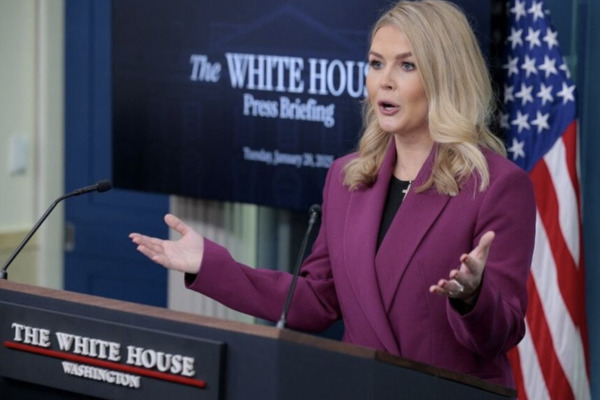
White House Press Secretary Caroline Levitt said Tuesday that Tel Aviv had consulted with the administration of US President Donald Trump regarding the expanded Israeli attack on the Gaza Strip early Tuesday morning.


"The Israelis consulted with Trump and the White House about their attacks on Gaza tonight," Levitt said in an interview with Fox News.


The memo also added what the US President previously said: "Hamas, the Houthis, Iran, and anyone who seeks to terrorize not only Israel but the United States as well will pay a heavy price... and the gates of hell will open upon them."


Trump previously issued a public warning using similar language, saying that "Hamas must release all prisoners or the gates of hell will open wide."


This massive Israeli attack on Gaza, launched early Tuesday morning, came after negotiations stalled over extending the first phase of the ceasefire agreement or moving to its second phase.


It also came hours after Israeli Prime Minister Benjamin Netanyahu held a meeting at the Ministry of Defense in Tel Aviv, where he made the decision to resume the war, informed Israeli sources told the Maariv newspaper.


Mahmoud Basal, a spokesman for the Civil Defense in Gaza, revealed this morning that "more than 220 people were transferred to hospitals in the Gaza Strip, the majority of them children, women, and the elderly, as a result of the Israeli aggression." He pointed out that "the occupation carried out more than 200 air raids and violent artillery shelling, and is still continuing the shelling," in raids unprecedented in scope and frequency since the truce between Israel and Hamas in Gaza began two months ago, according to Agence France-Presse.


PALESTINE

Tue 18 Mar 2025 9:37 am - Jerusalem Time

Gaza: Hamas leaders killed in Israeli airstrikes

Palestinian sources have revealed the names of several Hamas leaders killed in Israeli airstrikes on the Gaza Strip 


The victims are:


*Member of Hamas's Political Bureau, Issam Al-Daalis.


*Abu Obeida al-Jamasi, member of Hamas's political bureau and head of the emergency committee.


*Brigadier General Bahjat Hassan Abu Sultan, head of internal operations in Gaza.


*Mahmoud Abu Watfa, Hamas's Interior Ministry representative.


*Abu Omar Al-Hatta, the justice minister in the Hamas government.


Axios quoted an Israeli official as saying that the military kept the operational plan for striking Gaza highly secret and within a relatively narrow circle to surprise Hamas.


The official added that Hamas had been preparing in recent days to launch attacks against Israel and had taken steps to rearm.


For its part, Hebrew media reported that the Israeli airstrike included the assassination of mid-level military and political leaders in Hamas.

PALESTINE

Tue 18 Mar 2025 9:27 am - Jerusalem Time

Hamas: Israel has not fulfilled its obligations to mediators and is resuming its genocide in Gaza.

Hamas said early Tuesday that Israeli Prime Minister Benjamin Netanyahu had resumed his genocidal war, having failed to honor his commitments and fulfill his obligations to mediators regarding the ceasefire and prisoner exchange agreement, which he had reversed during his massive attack on the Gaza Strip.


"Netanyahu didn't just prevent food and medicine from entering Gaza, he also bombed and killed the children of Gaza while they slept," movement leader Izzat al-Rishq added in a statement.


He continued: "The occupier did not respect its pledges and did not fulfill its obligations to the mediators and the world."


He considered Netanyahu's decision to resume the war of extermination "a lifeboat for him from the internal crises," noting that this decision means "sacrificing the occupation's prisoners and sentencing them to death."


He called on Arab and Islamic countries and the international community to "take action to curb Israeli brutality and its war of extermination against civilians in Gaza."


He also called on the mediators to "reveal the facts about Netanyahu's reversal of the ceasefire agreement and hold him solely responsible for pouring oil on the fire in Gaza and the region."


Al-Rashq reiterated his movement's assertion that Israel "will not achieve through war what it failed to achieve through negotiations."


He called on the people of the Arab and Islamic nations to demonstrate in rejection of Israel's resumption of its genocide against the Palestinians in Gaza.


At dawn on Tuesday, Netanyahu resumed the genocide in Gaza with a massive, surprise airstrike that killed more than 190 Palestinians, including children.


According to local sources, the Israeli occupation forces directly targeted civilian homes, displaced persons' tents, and shelters.


The attack came after Netanyahu and Defense Minister Yisrael Katz instructed the military to act "forcefully" against the Gaza Strip, allegedly because Hamas had rejected offers it received from US envoy Steve Witkoff and mediators, according to a statement from Netanyahu's office.


Hebrew media reported on Thursday that US envoy Witkoff had presented an updated proposal to both sides stipulating the release of five Israeli prisoners in exchange for a 50-day ceasefire, the release of Palestinian prisoners from Israeli jails, the delivery of humanitarian aid, and the entry into negotiations on the second phase.


Hamas announced on Friday its acceptance of a proposal submitted by mediators, which includes the release of an Israeli-American soldier and the bodies of four dual nationals, as part of the resumption of negotiations for the second phase of the Gaza ceasefire and prisoner exchange agreement.


Netanyahu's office statement claimed that the army targeted Hamas targets in its attack, while vowing that "Israel will act against Hamas with increased military force from now on."


In turn, the Israeli occupation army and the General Security Service (Shin Bet) said in a joint statement: "Based on directives from the political echelon, IDF and Shin Bet forces are launching a large-scale attack in various parts of the Gaza Strip."


For its part, Hamas considered the attack in a statement "a resumption of the war of genocide and a coup against the ceasefire agreement."


In early March, the first phase of the 42-day ceasefire agreement in Gaza ended, while Israel evaded entering the second phase and ending the war.


Israel seeks to extend the first phase of the agreement, which entered into force on January 19, 2025, to release the largest possible number of Israeli prisoners without offering compensation or fulfilling the military and humanitarian obligations stipulated in the agreement.


In return, Hamas affirms its commitment to implementing the agreement, demands that Israel abide by all its provisions, and calls on mediators to immediately begin negotiations for the second phase, which includes an Israeli withdrawal from the Gaza Strip and a complete cessation of hostilities.