ARAB AND WORLD

Wed 15 Mar 2023 8:26 am - Jerusalem Time

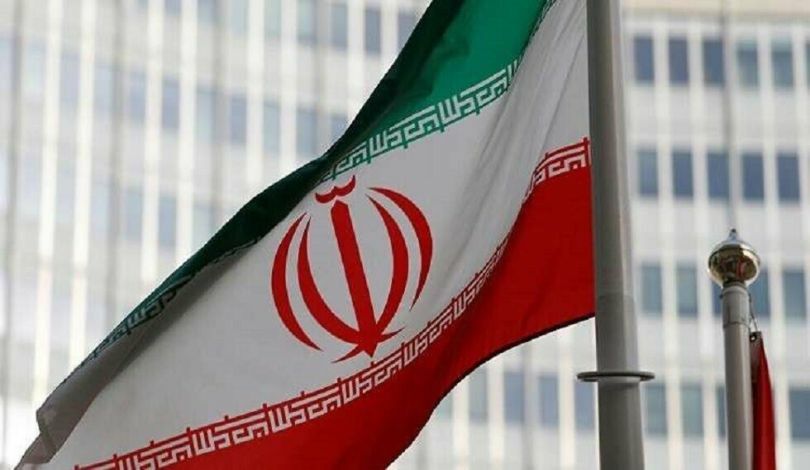
Iranian Foreign Ministry: There are "good" diplomatic moves to normalize relations with Bahrain

"Good" diplomatic steps are being taken towards normalizing Iran's relations with Bahrain , Iran's Foreign Ministry said (Tuesday).


The Iranian Foreign Ministry spokesman, Nasser Kanaani, made the remarks in an interview with the Iranian Arabic-language news channel ((Al-Alam)), where he expressed optimism that Iran will normalize its relations with Bahrain and other countries in the region.


Kanani stressed that the Iranian government is determined to improve relations with all countries in the region on the basis of common interests.


Speaking at a weekly press conference on Monday, Kanaani said that the recent detente between Iran and Saudi Arabia will have other positive regional effects, such as the rapprochement between Iran and Bahrain.


Today, media reports stated that direct talks are taking place between Iran and Bahrain regarding the restoration of bilateral relations, and the results are expected to be announced in the near future.


On Friday, China, Saudi Arabia and Iran announced that the latter two had reached a deal that includes an agreement to resume diplomatic relations and reopen their embassies and representations within two months.

PALESTINE

Wed 15 Mar 2023 8:24 am - Jerusalem Time

Gallant rejects a request to release two settlers involved in the Hawara incidents

The Israeli Minister of Defense, Yoav Gallant , rejected the request of 50 members of the Knesset affiliated with the government coalition, including ministers, to cancel the administrative detention of two settlers who were arrested after the Hawara events.


Gallant confirmed in a letter he sent to them in response to their letter that the level of danger attributed to them was very high and that they planned to commit additional acts of violence. He was also quoted by the Arabic-speaking Israeli Public Broadcasting Corporation.


Gallant added: "We must rely on the decisions and considerations of the security services."


He hinted that the activity of the extreme right is a disgrace to the entire settlement. As stated by the broadcaster.

ARAB AND WORLD

Wed 15 Mar 2023 8:23 am - Jerusalem Time

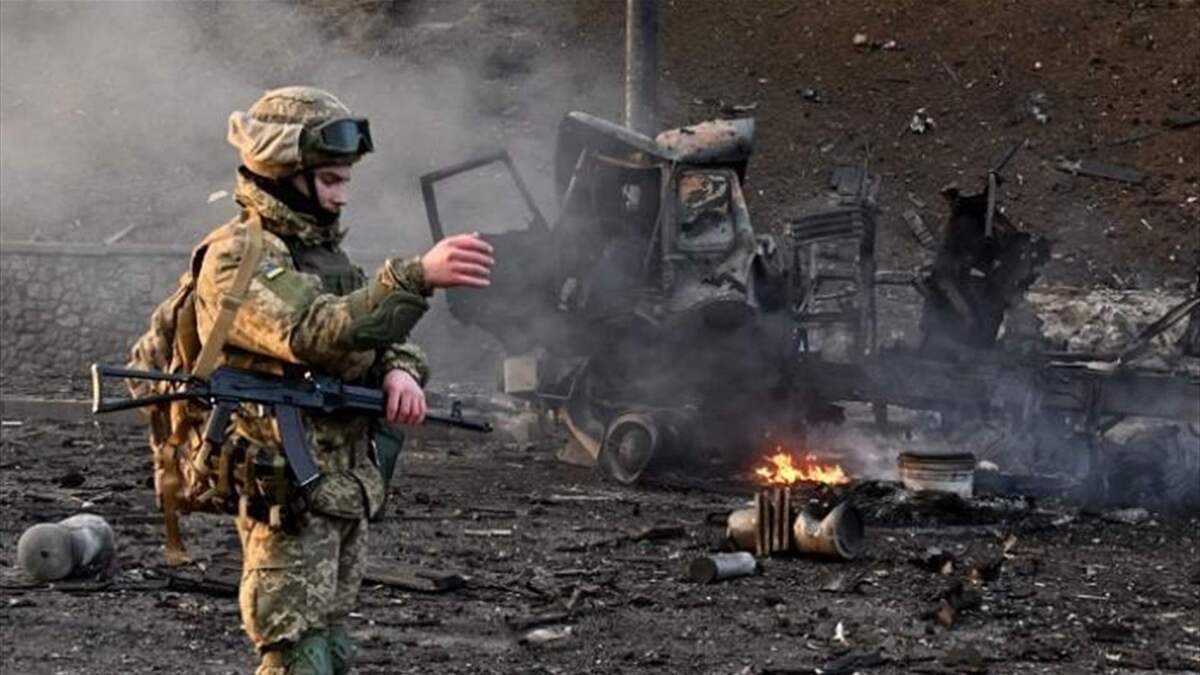
A munition containing white phosphorous was fired at a city adjacent to Bakhmut in eastern Ukraine

أُطلقت ذخيرة تحتوي على مادة الفوسوفور الأبيض الثلاثاء من مواقع روسية على منطقة غير مأهولة في مدينة تشاسيف يار في شرق أوكرانيا، وفق ما أفاد مراسلو وكالة فرانس برس.


نحو الساعة 16,45 مساءً (14,45 ت غ) أُطلق مقذوفان بفارق خمس دقائق على طريق في الضواحي الجنوبية لتشاسيف يار يربط المدينة بباخموت المجاورة التي تشهد أعنف معارك الغزو الروسي لأوكرانيا وأطولها أمدا.


وتلى صوت إطلاق المقذوفين دوي انفجار ذخائر أطلقت كرات صغيرة وحارقة تحتوي على الفوسفور الأبيض سقطت ببطء على الأرض.


وتسببت الكرات بحرائق في المساحات المزروعة على جانبي الطريق في مساحة تعادل حجم ملعب كرة قدم.


وتعذّر على فرانس برس تأكيد ما إذا كان الموقع المستهدف مركزا للقوات الأوكرانية، لكن شاحنة خضراء تحمل شعار صليب أبيض يرمز للجيش الأوكراني كانت مركونة على مقربة من المنطقة المحترقة.


وأقرب المنازل إلى أطراف المنطقة تبعد 200 متر.


والذخائر التي تحتوي الفوسفور هي أسلحة حارقة يحظّر استعمالها صد مدنيين، إنما يمكن استخدامها ضد أهداف عسكرية بموجب اتفاقية جنيف المبرمة في العام 1980.


تتّهم كييف موسكو بأنها استخدمت هذا النوع من الأسلحة مرارا منذ بدء الحرب، بما في ذلك ضد مدنيين، ما ينفيه الجيش الروسي بشدة.

PALESTINE

Wed 15 Mar 2023 8:19 am - Jerusalem Time

For the 30th day... the prisoners continue their disobedience against the prison administration

يواصل الأسرى في سجون الاحتلال الإسرائيلي، لليوم الثلاثين على التوالي، تصعيد خطوات العصيان ضد إدارة السجون، احتجاجًا على تطبيق الإجراءات التنكيلية بحقهم والتي أوصى بها الوزير المتطرف إيتامار بن غفير، وأولها التحكم في كمية المياه، وتقليص ساعات استخدام الحمامات المخصصة للاستحمام، في الأقسام الجديدة في (نفحة، وجلبوع).


وكانت إدارة السّجون أبلغت لجنة الطوارئ العليا للأسرى، أنها ستضاعف وتوسع من دائرة عقوباتها وتهديداتها في حال استمروا بخطواتهم الراهنّة، وعلى ضوء ذلك أعلنت الحركة الأسيرة وعلى قاعدة الوحدة، مضاعفة حالة الاستنفار والتعبئة بين صفوفها، حتّى موعد الإعلان عن الإضراب المفتوح عن الطعام.


يشار إلى أنّ لجنة الطوارئ أعلنت عن سلسلة خطوات نضالية ضد إجراءات (بن غفير)، تبدأ بالعصيان، وتكون ذروتها بإعلان الإضراب عن الطعام في الأول من شهر رمضان المقبل.


ويبلغ عدد الأسرى في سجون الاحتلال، نحو (4780)، من بينهم (160) طفلاً، و(29) أسيرة، و(914) معتقلًا إداريًا.

PALESTINE

Wed 15 Mar 2023 8:15 am - Jerusalem Time

The family of the prisoner, Khader Adnan, warns of his deteriorating health

The family of the prisoner, Khader Adnan , who has been on hunger strike for 38 days, warned of the worsening of his health condition, in light of the continuation of his strike, and the Israeli occupation’s disregard of his demands, stressing that he suffers from general emaciation and is unable to walk. The day before yesterday, Monday, he was brought in a wheelchair to visit the lawyer.


Randa Musa, the wife of the prisoner, Khader Adnan, told Al-Quds.com: “My husband started his strike when he was arrested on the fifth of last month, and he was transferred to a case, and not as usual when he was previously arrested to administrative detention, where an indictment was filed against him. She was tried in the past,” confirming that her husband, Khader Adnan, has begun a strike to demand his freedom, and he insists on striking until his demand is met.


According to his wife, this is his fifth strike, and he has continued his strike since his arrest. He is currently being held in isolation in Ramleh Prison, under difficult detention conditions. He only takes water, refuses food and supplies, refuses to undergo medical examinations, and the occupation bargains with him to drink water. and use of the bathroom.


The wife of the prisoner, Khader Adnan, confirmed that her husband cannot walk because of the strike and the deterioration of his health. Despite this, the occupation forced him to walk during a previous visit to the lawyer, and yesterday, Monday, he was brought in a wheelchair to visit the lawyer.


According to his wife, the prisoner, Khader Adnan, suffers from difficulty speaking and weak vision, and despite all that, he insists on striking until he gets his freedom, and his spirits are high.


The prisoner, Khader Adnan (44 years), from the town of Arraba, south of Jenin, was subjected, according to the Palestinian Prisoners Club, to systematic abuse, and to great pressure from the jailers and the occupation forces. This is accompanied by a continuous deterioration in his health condition, especially since he suffered from health problems before his arrest.


The prisoner, Khader Adnan, was arrested 12 times, and spent a total of about eight years in the occupation prisons, most of which were under administrative detention. He is married and has 9 children. He holds a bachelor's degree in economic mathematics.

PALESTINE

Wed 15 Mar 2023 8:13 am - Jerusalem Time

The occupation launched a massive campaign of arrests in the West Bank

شنت قوات الاحتلال الإسرائيلي، فجر وصباح الأربعاء، حملة اعتقالات واسعة في صفوف المواطنين بمناطق متفرقة من الضفة الغربية.


وبحسب مؤسسات الأسرى، فإن تلك القوات اعتقلت 22 مواطنًا على الأقل خلال حملة دهم وتفتيش واسعة.


واعتقل من بلدة سعير شرق الخليل، مأمون الفروخ، مجاهد الفروخ، أحمد الفروخ، رشاد جرادات، فيما اعتقل جبر البدوي من مخيم العروب شمال المحافظة، والمحرر سامي عطا الله من حرملة قرب بيت لحم.


وفي نابلس، اعتقل خليل منصور، وصهيب خرينو، وكلاهما من كفر قليل، ومحمد الأشقر، وأيهم أبو حية، وجهاد الأقرع من مخيم عسكر الجديد.


فيما اعتقل من جنين، عاصف الغريب من الزبابدة، ومصعب سوقية، ومحمد أبو سرية، ومحمد أبو عبيد، من المحافظة ذاتها.


وفي رام الله، اعتقل المحرر عبدالله الأردوني، والمحرر مهندي البرغوثي من دير أبو مشعل، وبراء برناط، وقسام ياسين، وجهاد ياسين من بلعين.


بينما اعتقل عبد الرحمن مرعي من قراوة بني حسان قرب سلفيت.

Wed 15 Mar 2023 8:06 am - Jerusalem Time

Wild elephant rescued from a muddy pond in Yunnan, China

An exhausted wild elephant was rescued Monday after it got stuck in a muddy puddle in Mengman Township in southwest China 's Yunnan Province, according to local border police.


Police at the border police station of Mengman Township in Xishuangbanna Dai Autonomous Prefecture, Yunnan Province, received a report Monday morning that a herd of wild Asian elephants were seen playing in a forest, but one of them fell into a muddy puddle.


A short video clip showed another elephant extending its hind leg in an attempt to reach the elephant stuck in the pond, as well as lying on the ground and removing mud from the pond with its hose. However, these efforts were unsuccessful and the trapped elephant was unable to climb the steep and slippery bank.


The police immediately reported the situation to the local government, forestry and grassland bureau as well as the forestry police brigade, and evacuated nearby residents before carrying out rescue efforts.


Equipment such as drones and excavators have been sent to the site.


At noon, the rescuers said, the elephant was still on the bank trying to remove mud from the pond, but to little effect.


Rescuers used an excavator to dig a passage, and the trapped elephant was finally able to get out.


Border police said the trapped adult elephant weighed about 2.5 tons. He returned to the nature reserve safe and sound, and joined the herd.


Wild Asian elephants, a key species in the rainforest, are under first-class national protection in China.


Thanks to strong efforts to protect the environment and wildlife, the number of wild Asian elephants in the country has grown to about 300, most of which are spread in Yunnan.

ECONOMY

Wed 15 Mar 2023 8:03 am - Jerusalem Time

The impact of the Silicon Valley bankruptcy on European banks is limited

The rating institutions, "Moody's" and "Standard & Poor's", considered on Tuesday that the turmoil in the US banking sector in the wake of the bankruptcy of the Silicon Valley bank should have a limited impact on European banks that follow a different regulation.


Financial markets were shaken earlier this week after the collapse of the Silicon Valley and Signature banks, which forced the US federal authorities to take measures to prevent the spread of bankruptcy contagion.


Moody's, which lowered its view of the US banking sector from stable to negative, said in a report that the structure of European banks limits their exposure to collapses in the US banking sector, as they deposit a larger share of their reserves with central banks.


The US-based institution added that debt securities constitute a smaller portion of the balance sheets of European banks compared to US financial institutions.


The report pointed to "a fundamental difference between the European and American systems that limit the effects across the two sides of the Atlantic, which is that European banks' holdings of bonds are less and their deposits are more stable and grew at a slower rate."


The institution stated that the Bank of England and the European Central Bank have developed better ways to obtain liquidity in the event of similar unrest.


Standard & Poor's credit ratings agency said the European banks it tracks and interest rates do not have the same economic model or funding sources as US banks, adding that it is unlikely to be exposed to much directly.


EU Economic Commissioner Paolo Gentiloni, French Finance Minister Bruno Le Maire and German Chancellor Olaf Scholz were among the European figures who reassured the markets of the continent's vulnerability to financial turmoil.

ARAB AND WORLD

Wed 15 Mar 2023 8:02 am - Jerusalem Time

Between the West, Russia and China... Africa is a victim of its resources

China and Russia are strengthening their presence in African countries through investments in infrastructure, which often impose more debts on the countries of the continent, which pay the price for the abundance of natural resources on their lands, in light of international warnings of the accumulation of debts on the poorest countries in the world.


"One out of every three infrastructure projects in Africa is set up by a Chinese state-owned company, and one in five is funded by a Chinese government bank," says Paul Nantulia of the African Center for Strategic Studies. "China is already involved in a sector that is in huge demand on the African continent," he adds.


This coincides with Western countries cutting funding for infrastructure projects on the continent, creating a gap in a highly strategic sector for the African Union.


"The Chinese saw this loophole and decided to invest in infrastructure," Nantulia told AFP.


Funding for infrastructure projects comes mostly in the form of loans.


During the Conference of the Least Developed Countries that was held in Doha under the auspices of the United Nations this month, the leaders of African countries expressed their dissatisfaction with the way developed countries dealt with their countries, amid UN warnings that the poorest countries are heading towards a debt crisis or even default.


Anna Borshchevskaya, a researcher at The Washington Institute, explains how this "debt trap" is set up, saying, "China provides loans for expensive infrastructure projects, but these projects usually fail. When countries cannot repay the loans, China controls the country's strategic assets." .


China rejects the accusation of practicing "debt trap diplomacy", denouncing what it sees as unfair criticism from its geopolitical opponents in the West who burden poor countries with huge debts.


"Partnerships are forged through friendship and goodwill," Chinese Foreign Minister Qin Gang said earlier this month.


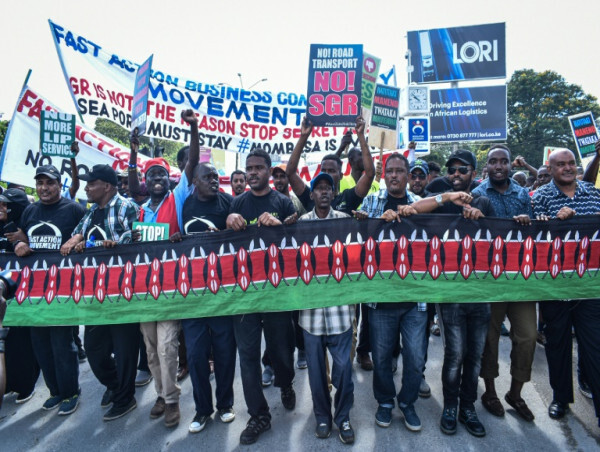
Chinese-led projects in Africa include the Standard Gauge Railway linking the Kenyan city of Mombasa to the Great Rift Valley, which cost five billion dollars and funded 90 percent of its construction by Beijing.


It is the largest infrastructure-related project in Kenya since independence and opened in 2017, knowing that China is the second largest lender to Kenya after the World Bank.


In December 2022, Tanzania signed a $2.2 billion contract with a Chinese company to build the last section of a railway aimed at connecting the main port with neighboring countries.


Developed countries have always sought to secure raw materials from developing ones, which is something that Paul Akiwumi, Director of the Africa and Least Developed Countries Program at the United Nations Conference on Trade and Development (UNCTAD), sees as "somewhat very positive in order to push forward the economy."


Indeed, some Chinese-financed assets are profitable and sustainable, notably the ports built in countries like Namibia and Nigeria. But the benefit was double for the Chinese, who "provide financing, carry out the construction process, and obtain maintenance contracts," which sometimes extend to 99 years, according to Nantulia.


He adds that Chinese-funded projects in the field of infrastructure are "designed to absorb Chinese labor", which means that they do not contribute much to reducing unemployment levels in Africa.


During a visit to Senegal in January, US Treasury Secretary Janet Yellen sought to stress that US economic strategy toward Africa was based on "mutual benefit."


"Countries should be wary of flashy agreements that may be opaque and thus fail to benefit the people they are purportedly designed to help," she said, alluding to China.


"This could leave countries with a legacy of debt, resource diversion and environmental destruction," she added.


Russia, Africa's main arms supplier, is also expanding on the continent through mining projects undertaken by Wagner, the private military group that has become party to conflicts in many countries, including Ukraine.


In January, the United States accused Wagner of "massive human rights violations and plundering of natural resources" in African countries.


The European Union also announced new sanctions against the Russian group for "violating human rights" in the Central African Republic, Mali, Sudan and Ukraine.


Wagner carries out mining activities in these countries as a "form of payment" for its services, according to Nantulia.


Nantulia explains, "Wagner operates in authoritarian environments that lack democracy and where corruption is a way of life ... because it realizes that it can do a lot without accountability." "We cannot find Wagner active in democratic environments," he added.


The debts of African countries are not limited to the Chinese and Russians. "About 50 percent of our debt (in Ghana) is owed to Western bond markets and multilateral agencies," says Ghanaian Tetteh Hormico of the African Trade Network.


Experts also point to the environmental ramifications of Chinese and Russian projects in Africa.


According to Borshchevskaya, China and Russia are known to "neglect (environmental rules) more than their Western counterparts."


"China is the largest emitter of greenhouse gases that contribute to climate change," she told AFP, while her "Belt and Road" initiative still "finances coal-fired power plants abroad... As for Russian mining projects, according to reports, they have caused high levels of toxic metal compounds." Groundwater sources, soil and plants are polluted.”


And the head of the "Center for Peace and Democracy Building in Liberia," Devestus James, stresses that these repercussions are "dangerous" for his country.


"Citizens are victims of their resources... erosion from mines pollutes drinking water... resources are also taken and exported," he told AFP.

OPINIONS

Wed 15 Mar 2023 5:54 am - Jerusalem Time

China: Masterstroke. And better luck for America and Israel!

Written by: Dr. Crimean Amani


Made in China: A Saudi-Iranian agreement.. A surprise of a heavy caliber in proportion to the weight of the combined forces.. The two countries that have been most incompatible and competitive in the last twenty years in the region of fluctuations and shifting sands of the "Middle East" have agreed to restore relations between them and exchange ambassadors within two months. The most important provisions of the agreement is the reactivation of the security agreement that was signed between Tehran and Riyadh in 2001 during the visit of former Interior Minister Prince Nayef bin Abdulaziz to Iran, and it constitutes the essence of cooperation between the two countries in combating terrorism, money laundering, border control and territorial waters, that is, everything It has to do with regional security. This is a strong confirmation that what happened in Beijing is serious and effective from the moment it was signed, and is not limited to formal diplomacy and grandiose rhetoric.


The three countries have a vital interest in this agreement, which was not born of the moment.. but the moment is Chinese par excellence.. two years ago, Saudi Arabia and Iran, within the framework of silent talks in Iraq.. China was able to understand the moment in which Iran and Saudi Arabia could meet on a common interest and strike its final blow For American arrogance and achieving a distinguished diplomatic victory, and proving that it is on the way to get out of the cloak of economic influence to the effectiveness of political influence in a region that the United States believed was a monopoly on it, leaving it and returning to it according to its need. Welcome to China, a regional player, and better luck for America and Israel!


Saudi Arabia, for its part, wants to end the war in Yemen, restore calm on its borders, and restore its prestige and position as a major regional power with influential extensions and relations with all countries. It is likely that the first outcome of the agreement will be to stop the Yemeni war and start preparing for the upcoming settlements there. Also, it is not surprising that boredom and disgust have afflicted the Saudis with the supremacy of the Americans and their continuous internal criticism of the policy of government inside Saudi Arabia whenever there is a disagreement in views on an issue between Washington and Riyadh, so what is the objection to opening up to other powers that are more observant and polite to the specificity of the Saudi situation?


As for Iran, which is tired of being hostile to everyone and has discovered that the zero-friends policy does not work, and that its continuation in fueling tensions in the surrounding countries and playing the role of a revolutionary threat to unrest in the region will only result in internal and external losses, in addition to that its current alliances are not enough with its explicit hostility to regional powers. A window like Saudi Arabia.


The agreement has critical dimensions in terms of ensuring future regional stability, because it is a golden opportunity to establish a new regime that depends on the cooperation of the forces in the region instead of the dangerous competition in which religion mixes with politics and spreads extremism, chaos and threats that affected weak countries in previous years. In addition, it prevents malicious countries such as Israel from feeding and fueling this competition, and proves that any country's attempt to draw new maps in the region is a very failed attempt, and that the policy of regime change does not work, and the most important thing is that it /will postpone/ at least the Israeli dream of normalization with Israel. Saudi Arabia.

OPINIONS

Wed 15 Mar 2023 5:54 am - Jerusalem Time

The Saudi-Iranian agreement is a step in the right direction

الاتفاق السعودي الايراني على إعادة العلاقات بينهما في كافة المجالات الدبلوماسية والاقتصادية والسياسية والامنية سيكون بكل تأكيد له نتائج ايجابية ليس فقط بين الدولتين العربية والاسلامية لحل القضايا العالقة بينهما، بل ايضاً سيكون لهذا الاتفاق انعكاسات ايجابية على القضية الفلسطينية التي ستعود كما كانت قضية الامة العربية والاسلامية الاولى والمركزية.


فعلى صعيد القضية الفلسطينية، فإن هذا الاتفاق سيساهم في تمتين العلاقات بين جميع المكونات السياسية والنضالية الفلسطينية ليس فقط مع الدولتين، بل وايضاً مع المحور الذي تمثله الدولتان أي مع كل من العراق وسوريا ولبنان ودول الخليج العربي قاطبة الى جانب اليمن.


وسيساهم ايضاً في حل الصراع في اليمن، والذي من المتوقع ان يكون من أبرز المواضيع التي سيتم معالجتها بين البلدين والذي سيعود بالنفع على القضية الفلسطينية، حيث ان الصراعات الداخلية في البلدان العربية سيتم حلها، وبالتالي التفرغ للقضية الفلسطينية.


كما ان الاتفاق سيؤدي لاحقاً الى اتفاقات مماثلة بين دول الخليج وايران، والتي حاولت امريكا واسرائيل خلق حالة من العداء بين العديد من هذه الدول وايران تحت ستار ان ايران ستستولي على هذه الدول خاصة البحرين، وهو ما قد يؤدي الى وقف اتفاقات التطبيع بين هذه الدول واستبدالها باتفاقيات مع ايران للدفاع عن أمن الخليج وأمن دوله قاطبة.


والاتفاق الثنائي وجه صفعة قوية ليس فقط لإسرائيل وانما أيضاً لأمريكا والعديد من الدول الاوروبية التي تجاري أمريكا في فرض الحصار على ايران واثارة القلاقل بداخله.


وكذلك فإن الاتفاق سيكون مقدمة لخروج العالم العربي من تحت السيطرة والهيمنة الاميركية، ويدعم التوجه الدولي المناهض لأمريكا من أجل انهاء سيطرتها على العالم من خلال القطب الواحد ونشر الديمقراطية وعلاقات حسن الجوار وإشاعة العدل في العالم بدل قانون المكيالين الذي تتبعه الولايات المتحدة الاميركية على حساب الشعوب واستقرار العالم.


فهذا الاتفاق ضربة قوية لكل قوى الظلم والعدوان وسيكون له انعكاسات على مجمل قضايا المنطقة والعالم وسيوحد الدول العربية والاسلامية في مواجهة تحديات المرحلة، وسيساهم في دعم واضح وجلي للقضية الفلسطينية وإفشال محاولات دولة الاحتلال حسم الصراع لصالحها وتصفية القضية الفلسطينية. كما ان هذا الاتفاق سيفشل الرهان الاسرائيلي بأن السعودية ستنضم لاتفاقات ابراهام التطبيعية.


وفي هذا السياق لا بد من الاشادة بدور الصين التي ساهمت في التوصل لهذا الاتفاق، والتي تدعم القضية الفلسطينية وتؤكد على ضرورة انهاء الاحتلال واقامة الدولة الفلسطينية وعاصمتها القدس الشريف. وبالتالي فإن الاتفاق هو خطوة في الاتجاه الصحيح والضروري كمقدمة لوحدة عربية – اسلامية كما كانت في السابق.

OPINIONS

Wed 15 Mar 2023 5:54 am - Jerusalem Time

Will the Netanyahu government push the Palestinians to return to the method of martyrdom bombing operations?

Written by Dean: Ahmed Issa
Easily and effortlessly, the observer of the bitter reality experienced by the Palestinian people, especially in the West Bank, including East Jerusalem, since Netanyahu formed his current government, which is described as the most right-wing in the history of Israel, concludes that most of the conditions and necessities for the Palestinians to resort to martyrdom operations to defend themselves, their dignity, their properties, and their sanctities, This government is systematically seeking to ripen these conditions
Security experts, especially Israelis, have divided these conditions into two parts, the first is objective, and the second is subjective. The first objective condition is related to the policies and procedures of the occupation, especially the attacks on holy places such as Al-Aqsa Mosque, the Ibrahimi Mosque and other Islamic and Christian places of worship.
The most prominent of these attacks was the massacre carried out by the terrorist criminal (Baruch Goldstein) from the settlement of Kiryat Arba, in the Ibrahimi Mosque at dawn on Friday, corresponding to the 15th of Ramadan in 1994, which resulted in the rising of 29 martyrs from kneeling while performing the dawn prayer, and wounding more than 150 others.
The second attack was on Al-Aqsa Mosque, when the opposition leader at the time, on September 28, 2000, guarded by hundreds of police and border guards, stormed the courtyards of Al-Aqsa Mosque, who opened fire on the worshipers who demonstrated in protest against this storming, which resulted in the injury of hundreds and the death of several A large number of martyrs, which was considered the beginning of the Al-Aqsa Intifada, which extended until 2005.
The second objective condition revolves around the ease of the occupation army and herds of settlers killing Palestinians, attacking their property and land, accelerating the pace of settlement, and the determination to kill the Palestinians' hope for liberation and the establishment of their independent state, even on part of Palestine.
As for the self-conditions, they relate to the Palestinians, and here they are a result, not a cause, and their motives are more defensive than offensive, and they relate to the personal decision of the person who carried out the martyrdom (martyrdom), and I do not reveal a secret here by saying that they were many in the nineties of the last century, then to the party supporting this person, which is here the Palestinian organizations. By providing what he needs to implement his pure self-decision to take revenge and defend the people, their sanctities, and their property, which means the convergence of the self-decision with the political decision of the supporting organization.
A study issued by Harvard University in 2007 on martyrdom operations shows that the Palestinians have carried out, since 1994, in which the Ibrahimi Mosque massacre was carried out, until 1999, a total of 20 martyrdom operations, for which Hamas and Islamic Jihad claimed responsibility.
The study added that the period from 2000, the year in which Sharon attacked Al-Aqsa Mosque, until 2005, witnessed a total of 142 operations, for which Hamas claimed responsibility by 39.9%, the Islamic Jihad movement by 25.7%, and Fatah by 25.7%. 26.4%, the Popular Front with 5.4%, and the Democratic Front with 2.7%. The operations that preceded the year 2000 resulted in the killing of 163 people, and the killing of 624 people in the period after the year 2000.
And if we compare what is happening in the West Bank since the beginning of this year by the current government through the army and settlers, we find that it is much more than what happened in the two previous periods referred to above, as this stage witnessed the Hawara Holocaust and the call for its removal from existence, as well as daily attacks from Settler gangs attacked Palestinian travelers on the roads, in addition to daily assaults on Al-Aqsa Mosque, and carrying out daily massacres against Palestinians in the West Bank, which have so far resulted in the death of 80 martyrs, in addition to the war declared by (Ben Gvir) against prisoners in Israeli prisons. This indicates that the objective conditions have reached an advanced stage of maturity.
And while it can be assumed that the mastermind of the Ibrahimi Mosque massacre missed the assessment that the attack on sanctities will be faced with major martyrdom operations, it cannot be assumed that this equation was absent from the strategic assessment parties when Sharon stormed Al-Aqsa Mosque, and it becomes naive to assume that this equation is absent from Strategic security assessments in Israel now, which makes it legitimate to assert that Israel is pushing the Palestinians to return once again to the method of major martyrdom operations through organized work to mature its objective conditions, especially since the young Palestinian generation has appeared since 2015, or with the outbreak of The Israelis called it a knife and trampling uprising that includes in abundance young men and women who would not have hesitated to replace knives and cars with explosive devices.
The foregoing means that the objective conditions for such a type of operation became mature not long ago, and it also means that nothing remained of the subjective conditions except the political decision of one of the organizations to begin with, which I argue is a matter of time if the process of ripening the objective conditions continues at the same pace.
As for why the current government closes its eyes and insists on continuing its attacks on the Palestinians without exaggerating the consequences of these attacks, even if it pushes them or some of them to carry out major martyrdom operations, it seems that it stems from an illusion that dominated the minds of its members that only with these attacks can victory be made against the Palestinians and achieve a decisive victory over them.
On the other hand, it explains the need of this government for this type of operation at the present moment due to its mistaken assessment that this type of operation may change the headlines of the newspapers and push the entire people to unite behind the government in its fight against (terrorism), in addition to the current government's miscalculation that this type One of the operations will re-label the Palestinians as “terrorists” at the level of world public opinion, especially since this label has begun to erode and world public opinion no longer listens to it much.
And about whether Israel will achieve its goals from that, the answer is certainly a big no, for several reasons, the most important of which is with regard to the internal situation, that the division in Israeli society is not fleeting and is no longer resolvable, especially after the leaders of this government called a high percentage of this. Society, including a high percentage of its senior officers and generals, described disobedient, rebels and terrorists. One of them even told them to "go to hell", which will not end the division and unite society behind the government in the fight against "terrorism", and perhaps hundreds of thousands of demonstrators protesting against the government and its measures will leave Last Saturday, corresponding to March 11, 2023, after the Tel Aviv operation, which Netanyahu described as complex, is the best proof of that.
With regard to international public opinion, failure will fall on the government's intentions, because the world is changing and the huge Israeli media machine is no longer able to market its narrative that it is fighting "terrorism". It is easy for it to erase this label, and the clearest indicator of that is evident in the monthly strategic assessment issued by the Israel Institute for National Security Studies in October 2015, showing that the number of times Israel was associated with the concept of apartheid in reports written in English during the period from 1967- 2000 has reached 54 times, and reached 1774 times in the period from 2001-2015. It is noteworthy here that this association has jumped fantastically in recent times, as Israel was branded with apartheid on the cluster network during the last two weeks of last February, more than ten million times. And about 12 million times during the month of January, according to the American (Semrush) application.

OPINIONS

Wed 15 Mar 2023 5:54 am - Jerusalem Time

A heavy political blow to Israel

Written by: Dr. Hany Akkad
The occupying state was building its policy of involvement in the Arab Gulf region on the basis of perpetuating tensions between the Arab Gulf states and Iran. Indeed, most of the agreements it signed in recent years, the essence of which was the "Abraham Accord", was out of the motives of demonizing Iran and portraying it as the common enemy of the countries of the region that wants to fragment these countries and dominate On the Arab waterways and spreads terrorism and instability everywhere as the big country that has the largest armed force in the region, Israel was as a spoiler country in the Middle East exploiting the state of war between Saudi Arabia and the Emirates on one side and Yemen on the other side to reinforce this perception until it resorted to many contracts Among the agreements to sell weapons and missiles to some Gulf countries, Israeli weapons, especially technology weapons, became the popular commodity in many Gulf countries, in addition to espionage technology and information gathering, for which special agreements were allocated for the exchange of information between Israel and the UAE, which were signed within the “Abraham Accord,” which allows Israel to know Every small and large in the region and draw a map of their interests on this basis.

Until recently, Netanyahu's statements were almost certain that Saudi Arabia had come close to signing an agreement with the occupying power, and every statement that was issued by Netanyahu about the approaching normalization with Saudi Arabia was matched by statements from higher levels in the Kingdom confirming that the Kingdom of Saudi Arabia would not conclude any normalization agreement with The occupying state before it ends its occupation of the Palestinian land and recognizes the right to self-determination for the Palestinian people and implements the two-state solution on the basis of the Arab peace initiative, the latest of which was the statement of the Saudi Foreign Minister Prince (Faisal bin Farhan Al Saud) in a joint press conference with the Russian Foreign Minister a few days ago on the importance of a just solution He considered the Palestinian cause in order to achieve stability in the Middle East, and considered, "The situation in Palestine is very disturbing, which makes it imperative for everyone to search for ways to restore the course of dialogue on the basis of the Arab Peace Initiative." Last January, in an interview with (Bloomberg TV) on the sidelines of the Davos conference in Switzerland, Prince Faisal bin Farhan said, "The agreement to establish a Palestinian state is Saudi Arabia's precondition for establishing formal diplomatic relations with Israel," and here he closed the door to more statements by Netanyahu, who then considered that Normalization with Saudi Arabia takes time.

The agreement between Saudi Arabia and Iran to restore full diplomatic relations and exchange ambassadors and representatives within two months, which came with Chinese mediation and was signed in Beijing, constituted a political blow to the Tel Aviv government, which considers Iran the greatest enemy of Israel and has been trying for years to establish a strategic defense alliance in the Arab Gulf region to confront Iran in the region. And opening horizons for its easy involvement in the region. The Israeli opposition considered this agreement a complete failure for Netanyahu's policy and his government, and it was considered a major security damage that would take years to repair, and at the same time it was considered a political victory for Iran in the region. . The truth is that this agreement constituted a heavy blow to Netanyahu's foreign policy and the so-called "reverse peace" strategy, even though a senior official in the Netanyahu government tried to mitigate the impact of this agreement on the road to normalization, and considered that this agreement would not affect the course of normalization with Saudi Arabia in The future, but I believe that this agreement will limit the besieging of the Palestinians and their integration into the “Abraham Accords” in the event that Saudi Arabia concludes a normalization agreement that Netanyahu was seeking, which means that this strategy received a difficult political blow that will limit Netanyahu’s persistence in bragging about his ability to sign more agreements Ending the conflict with the Arabs and thus more expectations and drawing plans to settle the conflict with the Palestinians in his own way.

The tour of (Lloyd Westin) the US Secretary of Defense to the region was due to the imminent signing of the Saudi-Iranian agreement and his meeting with Netanyahu, who dealt with this matter in detail, in addition to the change in the map of US defenses in the region, which may have come as a result of Washington's knowledge of the Saudi-Iranian rapprochement, so Netanyahu knows in advance that he has Some information about this agreement was not surprising, but Israel was unable to intervene to thwart this agreement and did not succeed in persuading Washington to play a greater role for this purpose, and this explains the statements of the White House administration, which considered the agreement as a test point for the next stage to restore security and stability to the region, and considered that "the more it is The better the relationship between Israel and its neighbors, the better for everyone." A political blow of a heavy caliber to Israel, not because of the confinement of the space for normalization and the diminishing opportunity to conclude a normalization agreement with Saudi Arabia in the future before the occupation ends, but rather because this agreement was prepared for Saudi Arabia to join a large and strong strategic alliance that includes Russia, Iran, Turkey, China and North Korea, and this also constitutes a shock to Washington, which failed during The last stage is to convince Saudi Arabia of better relations and to accept increased oil and gas production, which compensates Washington's loss of energy due to the Russian-Ukrainian war, and Saudi Arabia's refusal to provide the necessary financial support to cover some of the US expenditures on this war.

Netanyahu has no choice but to admit the failure of the "reversed peace" strategy and his inability to continue lying to the Israeli public, which has become frustrated with its government and is calling for the fall of the coalition that insists on transforming the state into a religious entity that does not believe in democracy and wants to employ all state institutions for the benefit of the ultra-Orthodox alone to become the rest The components of Israeli society are mere citizens with narrow basic freedoms that lack the ability to grow and prosper. Confronting the occupying power with this agreement may constitute one of the most important challenges to the Netanyahu government, which is reeling due to the internal crisis, and I believe that Netanyahu will not be able to lead directions to besiege this agreement in an effort to stop Iran's integration into the region and prevent drawing a new map for the Arab Gulf region in which Iran is the most important player and alternative vital to the occupation state's involvement in the region.

OPINIONS

Wed 15 Mar 2023 5:54 am - Jerusalem Time

Colonial decline

Written by: Hamada Pharaoh
The internal problems of the colony are exacerbated by the increase in the gap of disagreement and unarmed conflicts between the forces of Israeli society, between the forces of right-wing extremism with religious extremism on one side, and the forces of the center-right with the rest of the components of the political currents on the other.
The solidity and biases of the Palestinian Arab society are increasing with each other in the face of the racist colonial policies, whether in Areas 48 or Areas 67, despite the intra-disputes between the Palestinian parties and forces in the two regions.
The colony's status at the international level is declining, despite what it has achieved during the past few years of normalization breakthroughs with some Arab countries, through the misleading Ibrahimi title.
The differences and priorities advance between Washington on the one hand and the extremist colonial leadership on the other, as Washington finds that its priority is to highlight the Russian invasion of Ukraine politically and in the media, while working to extinguish hot flames anywhere in the world, so as not to overshadow what is happening in Ukraine, and for this reason The United States calls for calm in Palestine, and to freeze the tyrannical provocative measures.
The protest events inside the colony may be the most prominent, as they continue for the tenth week in a row, and the participating segments expand and begin to take a dangerous curve by the reserve officers, which is tantamount to unprecedented disobedience and rebellion in this form, and of this size, as the Palestinian political forces and Knesset members began to participate after hesitation Who poured it on the basis of “watermelon breaks some of it” to raise the slogan of participation and contribution to the protests, while taking care to raise the Palestinian slogans, especially “no democracy under or with the occupation.” A slogan that may be acceptable or attractive to the left and middle Israeli segments, as the majority of The protesters do not give importance to what is happening in Palestine, because the official opposition forces are Knesset representatives: Yair Lapid, Benny Gantz and Lieberman. They originally belong to the right-wing camp, although they are less extreme and more moderate than the parties to the government coalition and the leadership of its four parties: Netanyahu, Aryeh Deri, Moshe Gafni. , with Ben Gvir and Smotrich.
The colony bet on the success of the Washington administration to achieve a breakthrough that Netanyahu sought and eagerly sought, represented by breaking the barrier of estrangement with Saudi Arabia and normalizing relations with Riyadh, but his thoughts and aspirations were frustrated and failed, as the American administration failed to achieve Netanyahu's desire and ambition, but rather the events went contrary to what he wished and aspired.
Lieberman accurately described the situation of the colony, saying: "Israel is collapsing from within, and has become isolated from the outside." He accused Netanyahu and his team and his coalition of having brought the colony to a situation it had never seen before. He concluded by saying: "We are on a very dangerous and slippery slope, and Netanyahu must take responsibility and resign."
The Palestinians and their leadership, whether in 48 or 67, must be national vigilant and set priorities in their calculations, and their priorities must be: unity, alliance, and coalition in the 48 areas through the follow-up committee, and in 67 through the institutions of the Liberation Organization and its tools, the Palestinian Authority.

OPINIONS

Wed 15 Mar 2023 5:54 am - Jerusalem Time

Chinese diplomatic audacity to the test

Written by: Hamada Jabr

Chinese President Xi Jinping opened his unprecedented third presidential term, after the strong and ambitious president succeeded in canceling the constitutional article that limits the Chinese presidency to two terms as a maximum, by announcing his country’s success in mediating the restoration of diplomatic relations between the Kingdom of Saudi Arabia and the Islamic Republic of Iran, which were severed seven years ago. Chinese diplomatic efforts preceded Iraqi and Omani attempts to bridge views between Saudi Arabia and Iran during the past two years, but the need for a guarantor of the agreement made Beijing the best address for announcing it, and Beijing hosted the negotiating delegations of the two countries in the period between 6-10 March. The United States of America, which said it was aware of the Chinese efforts, welcomed the agreement, but seemed surprised by the speed of reaching it, and questioned Iran's commitment to it.
China, which does not miss an opportunity to assert its global role, and its eligibility as a pole rival to the United States of America, is trying to maximize its international presence by employing its diplomacy based on the exchange of economic benefits and non-interference in the internal affairs of countries, in contrast to the American diplomacy that is based on hegemony and coercion. China has picked up on the signals emanating from Saudi Arabia that indicate its strained relationship with the Biden administration, through Saudi Arabia’s failure to adopt the US position in the Russian-Ukrainian war, and its response to the Biden administration’s request from it to increase its oil production, whose high prices strained Americans’ pockets ahead of the midterm elections last fall. by reducing production. These signals encouraged China to present itself as a superpower looking to expand its influence on the basis of partnership with the countries of the region. Last December, Saudi Arabia hosted the Chinese president to hold three Arab, Gulf, and Saudi-Chinese summits, opening the door wide for Chinese investments in the region through its "Belt and Road" strategic initiative.
China, whose economy is thirsty for oil after the beginning of recovery from the "Corona" crisis, is also seeking to promote common economic interests with Saudi Arabia, which supplies China with about a fifth of its oil needs. In Al-Maqayel, to achieve its Vision 2030, Saudi Arabia needs the expertise of Chinese companies in several areas, including building infrastructure in projects such as airports, roads and bridges. China is Saudi Arabia's first trading partner for the last 5 years, and trade exchange between the two countries has increased nearly thirty times since 2000. Trade exchange between them has grown from about $3 billion in 2000 to about $90 billion in 2022.
As for Iran, whose economy is burdened and shackled by Western sanctions and has few friends, it signed a strategic agreement with China that extends for a quarter of a century, through which it opened to China influence over it that no one shares with it. Today, Iran seems more in need of its few partners such as China and Russia to enable it to resist Western sanctions that led to a historic decline in the value of its currency, especially with the widespread and ongoing popular protests since the killing of the young woman, Mahsa Amini, by the morality police during her arrest last September. Therefore, Iran has no choice but to show some flexibility to take steps towards freezing the activities of its arms against Saudi interests in the region.
On the other hand, the urgent priority that Saudi Arabia wants to achieve through this agreement with Iran is to get rid of the burden of its war in Yemen, and to provide some of the stability it needs to devote itself to the completion of giant projects in achieving its Vision 2030 and its endeavor to diversify the sectors of its economy. However, it appears that Iran's nuclear project, which Saudi Arabia opposes, is not included in the provisions of this agreement, perhaps relying on Israel to deal with this file. Israel seemed to be the biggest loser from this agreement. From the first moment of its announcement, Israeli opposition leader Yair Lapid said, "The Saudi-Iranian agreement is a complete failure and a danger for the Israeli government's foreign policy... It is a collapse of the regional defensive wall that we started building against Iran." Israel, which aspired to normalize its relations with Saudi Arabia to confront the common "enemy" Iran, may now not find what it can offer Saudi Arabia to normalize its relations with it.
The multiplicity, complexities and differences of viewpoints on issues of common interest between Saudi Arabia and Iran, and the regional rivalry between them, may make the choice of Chinese diplomacy to mediate the resumption of diplomatic relations between Saudi Arabia and Iran as its first diplomatic intervention in the region, a bold choice full of challenges and reasons for failure more than reasons for success. Therefore, Chinese diplomacy will be tested during and after the next two months, as the announced agreement specified the resumption of diplomatic relations between the two countries within a maximum period of two months. China should not be surprised by the failure of the agreement, as Iran may freeze the activity of its "ideological" arms in the region until better conditions crystallize that make it uninterested in continuing to abide by what was agreed upon or will be agreed upon with Saudi Arabia under Chinese auspices. Likewise, Saudi Arabia may back down from its pragmatic stance towards Iran's nuclear project, especially if Iran does not cooperate with Saudi Arabia's urgent priority to end the war in Yemen, or if the current US administration changes with one that is more cooperative with it and more assertive towards Iran, especially if a Republican president is elected in the US elections. Next year.
In any case, and whatever the fate of the Saudi-Iranian agreement, the Chinese initiative to end the war in Ukraine that it announced last month, despite the likelihood of not dealing with it by the Americans and therefore the Europeans and the Ukrainians, and its initiative to mediate between Saudi Arabia and Iran, are initiatives that enhance China's international presence, and indicate On China's determination and perhaps ability to create a new international order that challenges American unipolarity.

OPINIONS

Wed 15 Mar 2023 5:54 am - Jerusalem Time

democracy and occupation

بقلم : اسماعيل جمعة الريماوي
نتحدث عن الديمقراطية ومفاهيمها وقيمة الفرد وحقوق المواطن وكرامته وهي الديمقراطية بكل ما تعنيه من حرية واستقلال الفرد في بلده ووطنه اما في اسرائيل فالديمقراطية والاحتلال ضدان لا يجتمعان، ومثل هذه الثنائية كمثل الخير والشر والنور والظلمة، حيث لا يمكن لهذين المبدأين المتناقضين أن يجتمعا. الديمقراطية مبدأ يعتمد على حرية الإرادة، في الوقت الذي يمكن اعتبار الاحتلال قيدا على هذه الحرية. إن الديمقراطية لا يمكن أن تأتي عبر إذلال الشعوب وامتهانها أو الاستخفاف بها ومصادرة إرادتها .
في إسرائيل نتحدث عن ديمقراطية ليست مكتملة العناصر لأنها تحرم ملايين الفلسطينيين الخاضعين لسيطرتها من حقوقهم على جانبي الخط الأخضر, ومن هنا ناتي الى حالة الانفعال الشديد المحيط بهذه الإصلاحات القضائية الحاصلة في هذه الايام و بتأثيرها على المواطنين اليهود في البلد الذين يتمتعون فيه بحقوق ديمقراطية كاملة. وحتى لو وقعت هذه الاصلاحات ام لم تقع ، فستبقى إسرائيل ديمقراطية غير مكتملة تُمنَح فيها الحقوق على أساس العِرق والدين. أما إذا أقرت إسرائيل هذا الإصلاح القضائي، فإن هذا لن يؤدي سوى إلى إلغاء تطبيق العملية الديمقراطية على مجموعة مختارة من مواطنيها. ان احتدام الصراع بهذه الحدة بين أقطاب اليمين واليسار والوسط على السلطة، يفترض نظرياً دخول الشعب الفلسطيني الصراع والانحياز للأطراف التي تخدم مصالحه، وفي الحد الأدنى يفترض أن يكون الشعب الفلسطيني ضد القطب الأكثر خطراً وتطرفاً, لكن هذا يصطدم مع حقيقة أن أقطاب اليسار والوسط واليمين وأقصى اليمين يلتقون على استمرار الاحتلال والاستيطان وبناء جدار الفصل العنصري وتهويد مدينة القدس وغيرذلك من اجراءات احتلالية .

وبهذا المعنى فإن الشعب الفلسطيني يواجه طبقة صهيونية كولونيالية موحدة ونظام أبارتهايد موحد, يتصارع داخله علمانيون وأصوليون وقوميون يتعايشون بغطاء ديمقراطي داخلي يحافظ على التوازنات، ويقدم خارجياً بانه نموذج الديمقراطية الإسرائيلية، و حيث تعتبر إسرائيل الدولة الديمقراطية الوحيدة في الشرق الأوسط كما يقولون .

وكما نرى ان الاحتلال والطبقة الأحزاب الملتزمة بثقافة الاحتلال، أعادت صياغة المجتمع الإسرائيلي بروح استعلاء ديني وقومي، وبعدم احترام القانون الدولي وقرارات الشرعية الدولية، وبروح رفض أي نقد لجرائم الحرب والانتهاكات الفادحة، وبمعاقبة كل مدافع عن الحقوق الفلسطينية من منطلق حقوقي وسياسي وإنساني. بفضل ذلك وبسبب الدعم والتواطؤ الأميركي والدولي، أصبحت إسرائيل والشعب الإسرائيلي فوق القانون وخارج نظام المساءلة والنقد والعقاب.

في لحظة احتدام هذا الصراع الداخلي الإسرائيلي، حول الديمقراطية واستقلال القضاء، قد يحدث بعض التراجع، وقد تبرم صفقات، لكن الديمقراطية لن تتحقق مع بقاء الاحتلال ومنظومة قوانين الفصل العنصري، ثمة فرصة أمام الديمقراطيين الإسرائيليين لبدء استقطاب جديد داخل المجتمع الإسرائيلي ضد الاحتلال والنهب والعنصرية واضطهاد شعب آخر، هنا نقطة الالتقاء شديدة الأهمية مع الشعب الفلسطيني وهنا الباب الشرعي للديمقراطية .
وهنا تبقى واحة الديمقراطية في الشرق الاوسط و التي تحكمها وزارة اجرام وسوابق من وزير مدان بالاحتيال الى اخر متهم بالرشوة وخيانة الامانة الى ارهابي ومثير مشاكل والى وزير يدعو الى حرق حوارة ومحوها عن الوجود والى رئيس وزراء يسعى الى تحصين نفسه من دخول السجن عن طريق فرض قانون يحميه مدى الحياة , ومن هنا نرى معنى هذه الديمقراطية الاسرائيلية الزائفة والتي سقطت وبشهادة الاسرائليين انفسهم .

OPINIONS

Wed 15 Mar 2023 5:54 am - Jerusalem Time

How long will our people pay the price?

حديث القدس
لا يكاد يمر يوم دون سقوط شهداء او جرحى او معتقلين او عمليات هدم واعتداءات ومصادرة اراض وتخريب والمس بالمسجد الاقصى المبارك وغيرها الكثير الكثير من الجرائم التي ترتكب بحق ابناء شعبنا من قبل قوات الاحتلال وقطعان المستوطنين الذين يعيثون في الارض الفلسطينية فسادا، دون ان يحرك العالم ساكنا باستثناء اصدار بيانات الشجب والاستنكار التي باتت لا تسمن ولا تغني من جوع ما لم يتم تنفيذها على ارض الواقع ضد دولة الاحتلال الغاشم والذي يوغل في الدم الفلسطيني.
ان عمليات القتل والاغتيال التي تقوم بها قوات الاحتلال وقطعان المستوطنين بدم بارد لا يمكنها ان تتم بدون قرار من المستويين العسكري والسياسي في دولة الاحتلال ، التي تتمادى يوما بعد اخر في الجرائم التي ترتكبها بحق شعبنا والتي يندى لها جبين الانسانية ، وتعتبر جرائم حرب يحاكم عليها مرتكبوها، ولكن الولايات المتحدة حليفة دولة الاحتلال ومعها العديد من الدول الاستعمارية تحول دون فرض عقوبات على دولة الاحتلال وتشجعها على ارتكاب هذه الجرائم وتمدها بكل انواع الاسلحة والعتاد لمواصلة اعتداءاتها التي يدفع ثمنها ابناء شعبنا من دمائهم وحريتهم وحقوقهم المنصوص عليها في القوانين والاعراف الدولية.
وبات من المؤكد ان دولة الاحتلال لا تفهم او تستوعب ان شعبنا مهما كانت جرائمها ضده لا تزيده الا اصرارا على التمسك بحقوقه الوطنية الثابتة وغير المنقوصة وفي مقدمتها حق تقرير المصير واقامة الدولة الفلسطينية المستقلة وعاصمتها القدس الشريف شاء من شاء وأبى من أبى.
كما ان دولة الاحتلال المغرورة بقوتها العسكرية ، لم تستوعب بعد انه لكل فعل رد فعل مساو له في المقدار ومعاكس له بالاتجاه ، وان الدم الفلسطيني ليس رخيصا وان عمليات القتل والاغتيال التي تمارسها ستزيد من حدة الصراع ، وحالة العداء ، الامر الذي سيؤدي الى تواصل الرد الفلسطيني الشعبي على هذه الجرائم، والتي باستطاعة الاحتلال تفاديها من خلال اعترافه بحقوق شعبنا الوطنية وانهاء احتلاله بدلا من محاولات تأبيده، لتبقى جذوة الصراع موقدة ، وقد تؤدي في اية لحظة الى الانفجار الشامل الذي سيعم المنطقة والعالم.
فشعبنا لم ولن يستسلم او يرفع الراية البيضاء، وان حكومة الاحتلال الاكثر يمينية وتطرفا وعنصرية لم ولن يكون باستطاعتها حسم الصراع لصالحها ما دام شعبنا متمسك بحقوقه الوطنية ويدافع عنها بدماء ابنائه وما دام صامدا فوق ارضه، رغم كل الجرائم التي ترتكب ضده والتي سيكون مصيرها الفشل المحتوم.
ويبقى السؤال الهام وهو الى متى سيبقى شعبنا يدفع الثمن من دماء ابنائه الذين قدموا وما زالوا يقدمون الغالي والنفيس من اجل الحرية والاستقلال ؟!
ان ذلك برسم كل المسؤولين الفلسطينيين وكذلك كافة الفصائل المنضوية في اطار منظمة التحرير او التي في خارجها.

OPINIONS

Wed 15 Mar 2023 5:54 am - Jerusalem Time

The resumption of Saudi-Iranian relations... its effects on Middle East issues and their prospects

Written by: Wu Yihong

The two regional rivals in the Middle East, Saudi Arabia and Iran, from March 6 to 10, held extensive dialogues in Beijing for five days, mediated and sponsored by China, and finally reached an agreement on agreeing to resume diplomatic relations between the two countries, reopen embassies and representative offices of the two sides, and exchange Ambassadors within no more than two months.

The two sides pledged to "activate" the security cooperation agreement signed in 2001, as well as many agreements signed in 1998 related to economy, trade, investment, technology, science, culture, sports and youth.

The Saudi Minister of State, the Saudi National Security Adviser, Musaed bin Muhammad Al-Aiban, and the Secretary of the Iranian Supreme National Security Council, Ali Shamkhani, led the two delegations to hold dialogues in Beijing.

Chairman of the Office of the Foreign Affairs Commission of the CPC Central Committee and Politburo member Wang Yi held talks with them respectively, and presided over the opening and closing ceremonies of the dialogue.

The outcome of the Beijing-Saudi Arabia dialogue and agreement to resume diplomatic relations is not only good news for Saudi Arabia and Iran, but also great news for peace in the Middle East and even world peace.

Both Saudi Arabia and Iran expressed their gratitude to Beijing for its diplomatic efforts, and international public opinion fully applauded the achievement.

Why did it happen in China and why is China capable of it?

In fact, before coming to Beijing for peace talks, the leaders of Iraq and Oman mediated on numerous occasions and invited senior officials from Saudi Arabia and Iran to go to the two countries for peace talks.

Saudi Crown Prince Mohammed bin Salman immediately posted a tweet to express his congratulations after learning of the news of the two countries' decision to resume diplomatic relations, expressing sincere thanks to Iraq and the Sultanate of Oman for their tireless efforts that contributed to the success of the peace talks finally in Beijing.

Saudi Arabia and Iran chose Beijing as an ideal location for peace talks for three considerations:

First, the regional situation in the Middle East is changing. After the outbreak of the Russian-Ukrainian conflict, the status of the Middle East as a "middle ground" for global strategic competition became more prominent.

Against the backdrop of great power rivalry, relations between Middle Eastern countries show a trend of relaxation, including relations between the Muslim Brotherhood camp led by Turkey and anti-Muslim Brotherhood camps such as Saudi Arabia, Egypt and the United Arab Emirates.

Israel, the United Arab Emirates, Bahrain, Morocco and Sudan have signed agreements to normalize relations, while conflict between Saudi Arabia and other Sunni alliances and the Shiite group led by Iran has receded over the past ten years.

Therefore, it constitutes a new type of Middle Eastern system with sub-regional integration, the emergence of small multilateralism and "flexible multilateralism".

Second: China's strategic initiative accelerates Iran and Saudi Arabia's "going east" pace. In January 2016, Chinese President Xi Jinping paid a state visit to Saudi Arabia, Egypt and Iran.

This was a very important visit by the head of state of China in the new era, and it symbolized China's intention to participate in the governance of the Middle East.

Within seven years after Xi Jinping's visit to the Middle East in 2016, Saudi Arabia and Iran signed the "Belt and Road" cooperation document with China. The two sides have carried out in-depth cooperation in trade and energy fields as well as cooperation in digital economy, 5G network, space and other fields.

Third: As the credibility of the United States continues to decline in the countries of the Middle East, the strategic autonomy of the countries of the Middle East is increasing.

The strategic mutual trust between Iran, Saudi Arabia and China has been continuously deepened, and mutual support for the sovereignty, security and development interests of other countries has been strengthened.

In December 2022, President Xi Jinping paid a state visit to Saudi Arabia and attended the China-Saudi Arabia-China-Gulf Cooperation Council and China-Arab summits.

Last month, Iranian President Ebrahim Raisi paid a state visit to China at the invitation of President Xi Jinping. Saudi Arabia and Iran sent two delegations to Beijing for dialogue, which represents recognition and confidence in China's sincere position.

Fourth: the common concept and unified goal. For a long time, Chinese, Arab, and Persian civilizations have known each other along the ancient Silk Road, learned from each other, and helped each other in facing changing international situations.

Similar historical experiences, the same dream of development, and mutual trust and support have brought China and Arab countries closer together.

In December last year, President Xi Jinping pointed out during his meeting with Saudi King Salman bin Abdulaziz Al Saud and Saudi Crown Prince Mohammed bin Salman that China regards Saudi Arabia as an important power in the multipolar world.

Against the backdrop of profound and complex changes in the international and regional situation, the strategic and comprehensive nature of relations between China and Saudi Arabia has become more prominent.

China puts the development of relations with Saudi Arabia as a priority in its comprehensive diplomacy, especially its diplomacy in the Middle East, and is willing to work hand in hand with Saudi Arabia to achieve their national advancement, so as to upgrade the comprehensive strategic partnership between China and Saudi Arabia.

Saudi King Salman bin Abdulaziz stated that Saudi Arabia and China have made good progress in recent years in the field of strategic cohesion and cooperation in various fields, and that there is an important consensus between the two sides on many issues, and that China's interests are also the interests of Saudi Arabia.

For his part, when Iranian President Raisi held talks with President Xi Jinping in Beijing last February, he made it clear that the friendship between Iran and China has been tested and will become stronger with time.

As two independent major countries, the relationship between Iran and China is based on the spirit of mutual respect, and they are sincere strategic partners who deserve mutual trust.

Iran's determination to deepen and strengthen the comprehensive strategic partnership between Iran and China is unwavering and will not be affected by any changes in the international and regional situation. Global development cannot be achieved without global security.

Adapting to the deeply adjusted international situation in the spirit of unity, responding to complex and interwoven security challenges with a win-win mindset, eliminating the root causes of international conflicts, and improving global security governance are the concepts jointly advocated by the leaders of China, Saudi Arabia and Iran.

By adhering to this concept, China was able to mediate the resumption of diplomatic relations between Saudi Arabia and Iran and created a new situation in the relationship between the two countries.

When talking about the important results of the Beijing-Saudi-Iranian dialogue, Wang Yi revealed that the Beijing dialogue was based on the consensus reached by the leaders of China, Saudi Arabia and Iran, and President Xi Jinping had expressed support from the very beginning.

The dialogue has also become a successful practice for the active implementation of the Global Security Initiative. As a bona fide and reliable mediator, China has faithfully fulfilled its duties as the host country.

Wang Yi emphasized that the success of the Saudi-Iranian peace talks is of long-term significance. Convey the success of the dialogue in providing positive and clear signals to the troubled world at the present time.

First, in addition to the Russia-Ukraine conflict, there are many issues related to peace and people's livelihood in the world that require the attention of the international community and timely and appropriate handling by the relevant parties.

Secondly, no matter how complex the problem and how serious the challenge, as long as we conduct dialogue on equal terms in the spirit of mutual respect, we will surely find a solution acceptable to both sides.

Third, the Middle East belongs to the people of the Middle East, and the fate of the Middle East should be in the hands of the people of the Middle East. It is believed that the countries of the Middle East will enhance the spirit of independence, strengthen solidarity and cooperation, and work together to build a more peaceful, stable and prosperous Middle East.

This time, China contributed to the promotion of reconciliation between Saudi Arabia and Iran, which serves the stability of the situation in the Middle East, and will also provide solutions to other problems in the region.

The research report of the Emirati "Super Trend Research and Consulting Center" indicated that the decision of Saudi Arabia and Iran to resume diplomatic relations suggests that the policies and directions of the governments of the two countries have changed, as the two countries realized that they cannot continue in a state of competition and hostility, as calm and dialogue are the best ways for them and for all countries. region without exception.

Since 1979, Saudi-Iranian relations have been a barometer of political stability and security in the Middle East. Over the past few decades, political conflicts between Saudi Arabia and Iran have repeatedly and intensely unfolded at the level of the Sunni and Shiite sects of Islam, and each has built an alliance. Therefore, dialogue and reconciliation between Saudi Arabia and Iran provided successful examples of solving problems in Iraq, Lebanon, Syria, Yemen and other countries.

The essence of the agreement can be summarized as follows: By establishing respect for national sovereignty, non-interference in their internal affairs, and distancing political conflicts between religion and state, it paves the way for future development.

--The effects of the Saudi-Iranian agreement on regional issues

The resumption of diplomatic relations between Saudi Arabia and Iran will undoubtedly open the door for dialogue between the two countries to resolve fierce conflicts in the region, including the crisis in Yemen, which is a source of great concern to both countries.

Saudi Arabia entered the conflict with support for Iran's exiled opposition in 2015, while Iran supports the Ansar Allah group (Houthis), who seized the Yemeni capital, Sana'a, in 2014.

Diplomats have been searching for a way to end a conflict that has caused one of the world's worst humanitarian disasters and turned into a proxy war between Riyadh and Tehran. So the Saudi-Iranian agreement could boost efforts to end the conflict.

Houthi spokesman Mohammed Abdul Salam said the region "needs normal relations between the two countries" in the wake of the Saudi-Iranian agreement.

In parallel, the political crisis in Lebanon may witness a breakthrough in the context of the Saudi-Iranian deal. The country is plunged into an economic and political crisis due to the deep divisions between Iran and Saudi Arabia. Saudi Arabia and Iran can help Lebanon form a government and arrange the economic situation together.

In addition, a Saudi-Iranian deal could impede Israel's plans to form a regional alliance against Tehran in accordance with the wishes of the United States, which would reduce the risk of any potential conflict between Tehran and Tel Aviv spreading to other countries in the region. It may contribute to increasing cooperation between Riyadh and Tel Aviv to reach a solution to the Israeli-Palestinian conflict.

Increasing opportunities for economic and trade cooperation for the development and prosperity of the peoples of the entire region: The Saudi-Iranian agreement will help enable the two countries to activate trade and joint investment, both of which have great economic potential and large oil resources.

The settlement of the dispute between Saudi Arabia and Iran will undoubtedly help the countries of the region to contain the sources of funding for terrorist and violent organizations, contain terrorism and weaken its influence.

-- Possible factors affecting the success of the Saudi-Iranian agreement

There are a number of factors that could positively or negatively affect the normalization of relations between Saudi Arabia and Iran:

First, the commitment of Iran and Saudi Arabia to implement the terms of the agreement will be the most important factor for the success of the agreement. This may lead not only to the return of calm and resolving problems in the region, but also to various partnerships between Iran and the GCC countries, as well as the return of Iranian-Egyptian relations.

Second, the intervention of the great powers. This comes despite the United States welcoming the agreement and some asserting that it is commensurate with what US President Joe Biden made clear during his visit to Saudi Arabia and Israel that de-escalation, diplomacy and deterrence are among the most important pillars of his policy towards Iran.

However, the United States is concerned that the deal, which was signed under the auspices of China, could exacerbate conflict and polarization between Democrats and Republicans in the United States. The actual position of the United States and European countries will become an influencing factor in the future relationship between Saudi Arabia and Iran.

Third, the positions of the Arab countries on the agreement. Arab countries in the region welcomed the resumption of diplomatic relations between the Kingdom of Saudi Arabia and Iran, and considered this a step towards stability in the Middle East.

On the other hand, many Israeli sources expressed concern about the agreement. Believing that resolving the Saudi-Iranian dispute is not in Israel's interest, Israel seeks normalization with Saudi Arabia under the slogan of confronting the "enemy of Iran."

Saudi Arabia's resolution of its differences with Iran would also put it in a better position to face pressure from Israel and the United States to normalize relations with Israel.

--- Future prospects for the Saudi-Iranian agreement:

In the future, the agreement between Saudi Arabia and Iran will face the following scenarios:

First, the full resumption of bilateral relations: This is the most optimistic scenario, and it is also the hope of most countries in the region. In light of this situation, the crisis between the two countries and between Iran and most of the Arab countries began to fade away.

Secondly, the agreement led to the restoration of diplomatic relations between the two countries only for political and security coordination, but it did not achieve a comprehensive normalization of relations between the two countries.

Some Arab countries will only meet the door of dialogue with Tehran and limited cooperation in some security and economic issues. In this case, Israel and the United States will contribute to the continuation of Iran's hostile policy towards its neighbors, leaving the situation between Saudi Arabia, the Gulf states and Iran unchanged.

Third, Saudi Arabia and Iran are satisfied with the resumption of diplomatic representation and the establishment of a limited dialogue, without reaching a final settlement on the outstanding issues between the two countries, or addressing other regional issues. The relationship between Saudi Arabia and Iran will remain as it is, and relations between Arab countries and Tehran cannot be fully normalized.

Fourth, given the challenges of escalating external forces and various natural hazards such as epidemics, earthquakes, climate change, etc., it is in the interest of all actors in the Middle East to expedite the restoration of relations between Saudi Arabia and Iran to solve common problems in the region and the countries of the Middle East work together to deal with challenges and threats external.

The resumption of diplomatic relations between the Kingdom of Saudi Arabia and Iran is a good start, although there is still a long way to go before the full normalization of relations between the two countries. There may even be twists and turns and coordination of relations, and the selection of the interests involved will be complex and intense. But in any case, this is a fruitful pioneering step for China's diplomacy in the Middle East.

I finish

OPINIONS

Wed 15 Mar 2023 5:54 am - Jerusalem Time

There is hope despite the tragic situation and frustration

Written by: Hani Al-Masry


Seminars, conferences, and brainstorming sessions held by the Masarat Center and other centers and institutions recently, which dealt with the required strategy in confronting the Netanyahu government; There are many issues, ideas and thoughts, the most important of which is that it reflected the general Palestinian situation in terms of a state of dispersion, and the spread of types of disorientation, frustration, loss of confidence and lack of certainty in anything, despite the fascination with the steadfastness and resistance of the Jenin and Nablus camps, and the phenomenon of the Kataeb, including the Lions’ Den, which was confirmed once again. The Palestinian people are determined to carry the banner, wave after wave, generation after generation, but what causes anxiety, and even despair, is that it is a spontaneous and regional phenomenon that has not been generalized, and lacks the ideas and vision that guides it, the broad front that supports it, the strategy that guides it, and the unified leadership that guides it. led by. And because it faces an authority that it wants to eliminate or contain, it is therefore liable to be a new victim of division.

National project and options

We find disorientation in its clearest form when dealing with the national project, which is the most important issue. As we see a loss that appears when each person elaborates a national project according to his size, or according to the size of his faction, clan, city, or the place in which he resides, so many points of view spread; This adds a major obstacle to unity, and even coordination between the Palestinian factions. If the national project is unknown or disputed, how can it be achieved? Without an agreed upon national project, no unity can be established, and without unity no victory can be achieved.

In fact, the principle is that the national project is fixed, and it is not and should not be subject to change and alteration with changing conditions, circumstances and interests. What changes are the plans, tools and strategies adopted at each stage to reach it, and on the basis of striving to achieve the maximum that can be achieved in each stage, and then moving to The second stage, and so on, without abandoning the natural, legal and historical rights, and the major national goals.

Those with this point of view, which stems from the fact that the historical national project is fixed and unchanging, because it is based on the real and not the fake historical narrative, believe that the Palestinians are not required to present a new national project every year, or at every stage, but rather the original project remains the same until be achieved.

We need to revive the national project. As for what changes, it is the programs that are put in place to suit the different stages and circumstances, and are in harmony with the balance of power, variables, emerging data, and learned experiences. The national project with its basic pillars includes (complete liberation, the right of return, and self-determination for the entire Palestinian people). In the National Pact approved at the founding of the PLO, and then in the National Pact approved after the leadership of the revolutionary factions, especially the Fatah movement, for the PLO after the defeat of 1967 and the victory of dignity in 1968.

It is required to add a solution to the Israeli issue

The change/development that has occurred and could occur in how the Israeli question is resolved within this project; That is, the position of the Israeli Jews in the historical solution; It is no longer possible to ignore them, throw them into the sea, return them from whence they came, or deal with them as subjects and take tribute from them, especially after the majority of Israelis were born in the land of Palestine and are not responsible for what their fathers and grandfathers did, and for this reason the Palestinian revolution was proposed. The idea of establishing a democratic state after liberation and the defeat of the settler-colonial project, in which all citizens will live equally, regardless of whether they are Muslims, Christians, Jews, irreligious or atheists.

Likewise, the Charter must be reformulated in a manner that does not prejudice basic rights, by adding concepts that achieve freedom and social justice, equality between citizens, democracy with all its components, foremost of which is the separation and independence of powers, regular elections, respect for human rights and freedoms, respect for the rule of law, and a combination of tasks. Nationalism and democracy.

The imbalance in abandoning basic rights for the sake of incomplete rights, and the result is the loss of both

The imbalance began when basic rights and major goals were bypassed by violating the charter in order to obtain recognition of the organization as the sole legitimate representative, leading to an attempt to change it as one of the costs of searching for a settlement and achieving minimum rights, by sitting on the Palestinian seat at the negotiation and conference table. In light of the presence and increasing risks of eliminating the Palestinian factor in favor of Arab and non-Arab roles and alternatives.

Obtaining recognition of the role and representation has been given priority at the expense of rights, especially on the eve and in the aftermath of the signing of the Oslo Accords. There was a perception that since the government of Yitzhak Rabin recognized the PLO as its legitimate representative, the establishment of a self-governing authority on Palestinian land, and the return of the PLO’s leadership and cadres and factions to the homeland, this means an Israeli recognition of minimum rights, and this is not true at all. There is a difference between the two matters.

The perception also spread that there is a possibility of reaching a trade-off between the full goals and historical rights in all of Palestine, the right to self-determination for the entire Palestinian people, and the right of return for refugees, in exchange for the establishment of a state on the 1967 borders.

It turned out, and it was clear at the beginning to many, that this is a big illusion, as there is a big difference between this and that, so the organization was recognized until it was tamed, its claws and power cards removed, and disposed of as the embodiment of the national entity and the collective rights of the Palestinians, and pushed it to give up rights. As it is well known, this attempt ended in the disastrous situation we are in, which explains the widespread state of frustration, as full rights were waived without realizing the incomplete rights, even at a minimum, and the state did not embody, and the authority became eternally limited self-rule, and it is weakened Its role and its threat of collapse and dissolution if it is not integrated more and more fully into the Israeli security system, and the organization, which has become a structure devoid of content and role, is not preserved. The state was not practically embodied on the ground despite its declaration and the fact that it is a right that should not be subject to negotiations. Independence was not achieved. Rather, Israel is advancing on the path of imposing its sovereignty over all of Palestine. Where it accelerates the steps to annex the West Bank, especially areas classified (C).

A deep and bold revision and course change is required

In front of this miserable fate of the negotiation process and the Oslo Accord, and the division into two conflicting powers, the conflict between them has become overshadowed by everything else, and instead of criticism and self-criticism, a deep and bold review of the experience, drawing lessons and lessons, and acknowledging mistakes and sins and the danger of free concessions, harmful illusions, lost bets, recklessness and adventure And the need to radically change the path by returning to the original national project that embodied and stems from the unity of the cause, the land, the people, and the historical narrative... We find submission to individual, factional, regional, and factional interests, and ignorance, intellectual and cultural backwardness, and lack of vision of the changes that are taking place and that can happen.

The two-state solution and one state without defeating Zionism are two sides of the same coin

There are those who want to remain in the same vortex, or enter the issue into another vortex that is another aspect of Oslo, and this expresses itself by recognizing reality and adapting to it instead of working to change it, to the extent that some Oslo theorists and supporters have begun to say that the "two-state solution" is dead. And the alternative is:

Either accepting what the occupation offers, and taking something better than nothing, and better than the complete erasure of the Palestinian identity, role and rights, which is the survival of the current restricted authority that plays a functional role in favor of the occupation as a final solution under Israeli sovereignty, for fear of the collapse of the authority and the dissolution of local authorities or administrations instead Among them, under the pretext that the presence of a million settlers in the West Bank, completely eliminated the possibility of establishing a sovereign Palestinian state on the 1967 borders, with Jerusalem as its capital.

or accepting the other side of the Oslo coin, by proposing a one-state solution and accepting imperfect citizenship within the Jewish state; That is, not by striving to defeat the subjugating occupation colonial project and dismantling the racist system of privileges, but rather by promoting the benefits of Palestinians being citizens of the State of Israel; Because this over time can change the nature of the State of Israel, and make it a democratic state for all its citizens, or bi-nationalism, or what is a tactic to pressure for the revival of the two-state solution, despite the fact that 99% of Israelis refuse to grant citizenship and full rights to the Palestinians, and this means that The only issue for them is acceptance of the fait accompli and an authority subject to Israeli sovereignty.

The defect of those with these points of view lies in the fact that they consider what Israel is doing, and the facts that it plants on the Palestinian land, as giving the occupation a right and entailing obligations, as if they are final facts that are not subject to change or change, and they are facts that do not give the truth if they continue and are adapted to them. There is no possibility for a Palestinian state on the 67 borders, nor a Jewish state between the river and the sea without rights for the Palestinians, nor a single democratic state that is far from Zionism and its racist settler-colonial project. The citizen is of the second class, by imposing different regulations, until there is a suitable opportunity to displace the Palestinians, and whoever says that displacement is impossible, let him reflect on the significance of the Hawara Holocaust, and the settlers’ chant to displace the original owners of the country, as well as what came in the Trump deal of displacing the people of the Triangle to the West Bank, and let millions remember Syrians who migrated or were displaced inside and outside their country.

The wall that prevents displacement is a unified and effective Palestinian position, within a realistic, national, democratic vision and strategy, and a unified leadership with will, supported by a unified Arab position and unified global support, which are conditions none of which are available yet.

You can't take negotiations unless you can do without them

Based on the foregoing, one of the most important lessons learned from the history of the conflict, especially after the start of the settlement train after the October War in 1973, is that you cannot accept negotiations unless you were able to achieve them without them. Its forms, particularly the two-state solution, the one-state solution, and others, failed from the beginning, and were based on illusions. There was no Israeli partner for these solutions. Even during the golden age of Oslo, Shimon Peres and Yitzhak Rabin, the leaders of the “peace camp,” did not accept the establishment of A Palestinian state. Indeed, when the latter was asked before his assassination: What will you give the Palestinians in the final agreement? He replied: What does half of the West Bank mean? That is, the occupation remains, and Israeli sovereignty remains.

Despite the foregoing, it was not without merit to adopt a program to establish a national authority over any liberated area. Because there is a political and legal status for the lands occupied in 1967, different from the status of the rest of Palestine on which Israel was established, although it is part of the one Palestinian land, and this status was embodied in international resolutions rejecting the occupation and calling for its end, which differs from the status of Palestine as a whole. Where the world, even brothers and friends, recognized Israel, and did not recognize its occupation, and against the backdrop that there is a large majority of citizens (their original owners) in the West Bank and Gaza Strip compared to the minority of colonial settlers, in light of a global movement with the participation and support of the two international poles at the time, the United States and the Soviet Union And Arab support for negotiations and settlement is still casting its dark shadows until now.

The beginning of the decline was evident in the transition from the program of the National Authority to the Palestinian state without giving up full rights in the beginning, to the approval of Security Council Resolutions 242 and 338, which do not deal with the roots of the Palestinian cause, but rather with the effects of the June 1967 war, and then to the Oslo signing in which it was submitted. The Palestinian negotiator made major concessions in return for recognizing the organization and establishing a self-governing authority, and promised to negotiate for a period of five years to reach a final solution without agreeing on the content of this solution, including not releasing prisoners, nor referring to the Palestinian state, and therefore it is natural for him to reach the current outcome. Self-rule authority as a final solution, with a political and geographical division without any political horizon.

It is not possible without a comprehensive national advancement, and an appropriate change in the Arab, regional and international environment. The transition from the national independence approach to the one-state approach on the ruins of the colonial project; As this only leads to enabling the occupation to devour the West Bank more quickly and at lower costs, the main battle currently taking place is on the West Bank, and leaving the battle directly or being preoccupied with other battles does not strengthen the one-state option, but rather covers the one racist colonial state that Israel is establishing, from Through different legal and political regimes, between those that govern our people at home, those that govern Jerusalem, those that govern the West Bank, and those that govern the Gaza Strip through siege and aggression.

There are international political and legal achievements that are included in the international resolutions issued by the Security Council, the General Assembly, and the various agencies of the United Nations, including the World Organization for Human Rights, the Supreme Court of Justice, and the International Criminal Court. There is the international recognition of the State of Palestine as an “observer state” and the recognition of the Palestinian state by 140 countries. ; All this cannot be thrown behind us for nothing. Options are built and cannot be realized once they are presented. Until they are built, they need a great local, regional and international effort. This requires starting from dealing with reality to change it. Because jumping from it or submitting to it leads to dedicating it, not changing it.

University goals

Is there anyone who opposes setting goals such as: ending the occupation of the entire West Bank and Gaza Strip, the right of return and compensation, the right to self-determination, individual and national equality, the overthrow of apartheid, and the empowerment of Palestinians in the diaspora and places of refuge to preserve their national identity and defend their civil rights?

I do not believe, and these goals complement each other, and are consistent with the special tasks and the balance of power, and do not concede, but adhere to what unites all Palestinians.

Walking to achieve these goals in a parallel and simultaneous manner, and achieving one of them or making progress on this path, can serve the other goals, and whoever wants to place the achievement of independence for the State of Palestine as a stage on the path to a radical democratic solution, then he does not contradict those who oppose this goal in favor of adhering to the state The one that will be built on the ruins of the colonial, settler, occupation, substitutionary, racist project.

There is hope... be optimistic that you will find it

The crisis that Israel suffers from shows that its fate is inevitable as a result of it being a hostile entity implanted in the Arab region, which rejects it and will continue to reject it until it defeats it. It is not an ordinary, normal country, but embodies the colonial project that bears the seeds of its annihilation, but this will not be achieved in response to expectations or prophecies. Or myths about the demise of Israel in the past year or in the year 2027 or others, but rather as a result of the interaction of internal and external factors, and this could take ten years, twenty or fifty years, but what is certain is that the world is changing, the region is changing and Israel is changing, and the changes are not all in favor of the Palestinians And it is not in their favor alone, so they must change in a capable manner so that they can employ the Israeli, regional and international changes in their favour.

OPINIONS

Wed 15 Mar 2023 5:54 am - Jerusalem Time

An explicit Saudi awakening equation that is not late

معادلة ...

معادلة ...

Opinion Writer

Written by: Hamdi Farrag


It is not possible to read the Iranian-Saudi reconciliation in the Chinese fortress in isolation from the dramatic developments taking place in the world, which in their entirety lead to pulling the rug out from under the feet of global capitalism under the leadership of America, which has been the sole ruler of this world, and has been tyrannical, for more than half a century.

And if we cannot specify a specific day or an event in and of itself, a date for the start of this collapsing regression, then we can accumulate, merge and escalate towards a specific era that may extend to a decade or even two decades, as all major events in the world such as the collapse of the Soviet Union, for example, which does not It can be limited to the last Soviet president, Mikhail Gorbachev, and his qualitative book "Proestroika", or the destruction of the Palestine Liberation Organization by signing the Oslo Accords, or the fascism of Israel once Ben Gvir won its last elections three months ago.

Some may date the start of the countdown to the last evil empire in the world, to the economic crisis that struck America 15 years ago and exported it to Europe. Another may say that it is since Putin’s Russia annexed Crimea nine years ago, followed by the invasion of Ukraine a year ago, and a third may say that it is with the steadfastness of Syria. That semi-legendary resilience.

However, in achieving accumulation, integration and escalation, the reconciliation between Iran and Saudi Arabia in Beijing must and necessarily be read among this achievement. It was preceded, of course, by the three summits held in Riyadh at the beginning of the year with the Chinese president; A Saudi Gulf Arab, Syria was absent from it, but it was the most important attendee, as there were no fundamental differences between any Arab regime and another Arab regime, except to come down to the dictates of America against the regimes that oppose normalization with Israel, which reached America occupying Iraq and executing Its president is Saddam, and Europe occupied Libya and executed its president, Gaddafi, and the matter almost applied to Syria, Bashar Al-Assad. Is the deceit only fooling young minds that the Iranian-Saudi dispute was a Shiite-Sunni religious dispute? The dark days in the history of this nation have proven that it is possible to overcome the religious dispute between the Muslim and the Jew, and they concluded an “Abraham” deal with four Arab countries within days over a corpse Jerusalem is the first kiss of the Prophet of Islam without batting an eyelid.

It is a clear and frank Saudi awakening in which it turns its face this time from the American West to the Chinese East and from the past backward to the future forward, with sincere and sincere efforts, which are the efforts of China that Saudi Arabia did not recognize even though it is a superpower on the claim that it is communist (and Iran on the claim that it is Shiite). Except in the 1990s, this was accompanied by Saudi Arabia discovering that its real enemy is America, which claims to be its loyal friend, only to discover that it owns its interests first, second and tenth, and all that matters to Saudi Arabia is its oil, and it came to its former president Donald Trump to take half a trillion dollars in cash, No oil, in one day without forgetting her public insult and humiliation: If it were not for us, the kingdom would fall within days, and the king would have to pay us the price of his protection.

OPINIONS

Wed 15 Mar 2023 5:54 am - Jerusalem Time

war and peace

By: Gershon Baskin
I came of age politically in 1968. I was 12 years old. The primaries took place in the Democratic Party for the post of President of the United States. The civil rights movement was at its height and young Americans were taking to the streets against the war in Vietnam. My congressman was Allard Lowenstein who was the leader of the anti-war movement in Congress. Lowenstein was supporting Senator Eugene McCarthy of Minnesota for president. I met Lowenstein and spent a few weekends going door-to-door with him in my neighborhood. One of my neighbors sponsored an event for Senator McCarthy and I met him as well. I enlisted my father to lead me to anti-war demonstrations and civil rights events. On the weekends, my friend and I campaigned for McCarthy and Lowenstein at the largest mall on Long Island. I remember watching the news every night after the very idiotic and painful war in Vietnam. Most Americans had no idea how many young boys lost their lives in a war thousands of miles from their homelands. But every night, President Johnson or one of the pro-war right-wing candidates delivered rants and rants about the absolute, fundamental need for America to stand up to communism. Every night they reported thousands of enemy dead, and only a few American soldiers were killed. By the end of the war, 15 years after it began, about two million Vietnamese and about 60,000 American soldiers had been killed.
I am writing this article from Vietnam. The war here ended 48 years ago. America lost and the people of Vietnam “won.” I'm in North Vietnam and haven't seen any war memorials, but I'm sure there are. The locals we spoke to don't talk about war. You don't see the results of the war on the streets. It is part of the past and legacy of a nation that fought foreign invaders for freedom and liberation. Vietnam was liberated, but under the communist regime it is difficult to say that people are free. There are very severe restrictions on freedom of expression and association. Our local tour guide asked about the demonstrations taking place in Israel. He commented, "We haven't had any demonstrations against the government in Vietnam." It is illegal and unimaginable. However, since the mid-1980s and much more in the 1990s, economic reforms were carried out that opened up the economy. Old, inefficient co-operatives, especially cooperative farms, were closed, and private enterprise was encouraged. Now Vietnam is a manufacturing powerhouse. The government here recently made a decision that the new Vietnamese cars, Vinfast, manufactured here will be all electric.
Visiting the places I remember from the war days is a bewildering experience. My associations and memories of the names of those places are with death, destruction, and terrible suffering. Today, they are beautiful sites teeming with life, protected nature reserves, and tourist destinations for tourists from all over the world to enjoy what Vietnam has to offer. Life is normal. People are happy and work hard to provide themselves with the comforts that this world has to offer. It is not a rich country, but its economy is growing. There are many places in different stages of development and sometimes they remind me of some Arab villages and towns in Israel or in the West Bank. But the sharp difference is the lack of tension and the aura of peace. I cannot avoid thinking what our reality would look like if we enjoyed decades of peace. In particular, I cannot avoid thinking about how futile our continued war with the Palestinian people is and how much they suffer because we are unable to achieve peace.
There is no victor in war. The Americans lost the war in Vietnam, and so did the Vietnamese — on both sides. In Israel and Palestine, we continue to fight, hate and kill. Neither Israel nor Palestine will surrender, and neither the Israelis nor the Palestinians will leave. The futility of our conflict grows with each passing year, and the prospects for a peaceful solution that were on the table are more remote than ever. The war in Vietnam ended when a right-wing American president came to his senses, declared victory and got out of the war as quickly as possible.
The space between where we are and where we could be - moving toward peace is driving. Unfortunately, we in Israel and Palestine lack a leadership mature and intelligent enough to understand that neither Israel nor Palestine will win our war. We have no choice but to live together. We both have interests to protect our identity, culture, religion and rights. A solution to our conflict will only be found when both sides realize that we all have the same right to the same rights! No one has more rights than the other. With roughly equal numbers of Israelis and Palestinians living on the land, and millions of people, we must come to our senses and understand that if we are to create a future for our children and their children worth living for, we must begin the process of striving to live for our people, for our land rather than die For her. We need leaders to declare victory and end our conflict so that we can negotiate an end to the occupation and liberate Israel and Palestine from each other.

OPINIONS

Wed 15 Mar 2023 5:54 am - Jerusalem Time

The deportation of the released prisoner, Mounir Al-Rajabi, in implementation of the Israeli racist laws

Attorney Ali Abu Hilal *


The unprecedented attack of the Israeli occupation on the male and female prisoners has taken serious dimensions affecting their rights and freedoms that are guaranteed to them by all conventions and covenants, the rules of international international humanitarian law, and the principles of the International Bill of Human Rights. From the penalties of solitary confinement, psychological and physical torture, and other penalties inside prison that affect their basic rights and the rights of their families. Rather, penalties continue to be imposed on them after their liberation from prison after the expiration of their actual prison sentence, in violation of all human laws, which impose one penalty on Persons when they do an act punishable by these laws.
However, the occupation’s unjust Sharia and laws from start to finish, which distinguishes the occupation from other illegal regimes and entities, does not adhere to the principles and standards of human laws and laws, but rather embodies gross violations of the most basic human rights and principles, and this is what makes it pursue prisoners throughout their lives and impose more penalties on them and their families. As long as the occupation remains, and as long as the prisoners and their families survive.
It is the law of aggression and injustice practiced by the occupation against the Palestinian people and their legitimate national rights, especially their right to independence and self-determination, which guarantees them to live freely and with dignity in and from a land, let alone if it comes to the rights of prisoners and detainees.
And based on the occupation’s policy of practicing aggression, injustice and hatred against the prisoners, the occupation authorities deported the Jerusalemite prisoner Munir al-Rajabi (50 years) last week, after he spent 20 years in the occupation detention centers, to the city of Hebron, and did not enable him to return to his place of residence in the city of Haifa inside the 48 territories, just a week before his release date.
The decision to deport the freedman Al-Rajbi warns of the escalating dangers to the fate of hundreds of Jerusalemite prisoners and Palestinian prisoners from within the 1948 lands, especially with the racist laws approved by the current occupation government, which are the most extreme of all, as it began to convert all the crimes and systematic violations that it originally implemented into bills. And laws, including the law (withdrawing residency and nationality) from prisoners and liberated prisoners, and it is mentioned that the occupation forces arrested Al-Rajabi in 2003, and issued a decision to withdraw his Jerusalem identity in 2019, after he obtained it under the reunification of his family. Al-Rajabi called, from the place of his deportation in Hebron, to "rescue the prisoners from the laws of the occupation government and the extremist Itamar Ben Gvir, which seeks to displace the Palestinians from the 48 lands, expel the Jerusalemites from their land, and prevent them from moving, as well as seeking to enact a law that requires the execution of prisoners."
The Israeli General Assembly, the Knesset, had finally approved, on February 15, in the second and third readings, a bill to withdraw citizenship or residency, and to deport every Palestinian prisoner who receives financial aid from the Palestinian National Authority, with the support of 95 Knesset members and the opposition of 9 members. . The law allows the "Minister of the Interior" in the occupation government to revoke citizenship or residency from a person who was "convicted of a terrorist crime," as they described it, and who received financial allocations from the National Authority, and deport him to the West Bank or the Gaza Strip.
There is no doubt that the extreme right-wing occupation government, led by Netanyahu, Smotrich, and Ben Gvir, is continuing to enact and legislate racist laws against male and female prisoners, believing that these unjust and unjust laws, in violation of international humanitarian law, and the principles of the legal bill of human rights, may achieve the goals of the occupation in the judiciary. On the resistance of the Palestinian people to the occupation, and it may undermine the steadfastness of the male and female prisoners and all other detainees in the prisons of the occupation, as if the aggressive policy of the occupation, and its gross violations of the rights of our people and the rights of male and female prisoners, require new laws and legislations that allow it to commit crimes against our people.
For decades, the occupation has continued, since its usurpation and occupation of the Palestinian land, its crimes against our people and against the prisoners, including the commission of murders, executions, assassinations, massacres of civilians, arrest, torture, confiscation of land and settlement, destruction and demolition of homes, buildings and civilian objects, and the commission of Crimes of genocide and ethnic cleansing, desecration of Islamic and Christian sanctities, and other crimes of war and aggression.
And if the occupation committed these crimes with a legal license and with legislation it enacted for itself, from its institutions, and its legislative, judicial and executive bodies, then the occupation and its government would not gain any legal legitimacy for these crimes.
Rather, these racist and illegal legislations expose the racist and aggressive nature of the occupying government, which is hostile to the most basic human rights, in front of world public opinion, and before the international community, United Nations bodies, and all international, human rights and humanitarian organizations, and exposes the falsity of its claims, which it allows and promotes, that it is an entity Democratic and respects human rights. Despite the dangers of these racist laws and legislations, which violate the rights of our people, especially the male and female prisoners, and affect their freedoms and basic rights guaranteed to them by international humanitarian law and the principles of human rights, they will not affect their steadfastness and resistance to the occupation and its aggressive and racist policy.
* Lawyer and university lecturer in international law.

OPINIONS

Wed 15 Mar 2023 5:54 am - Jerusalem Time

Ukrainian war and long wars!

بقلم:دكتور ناجى صادق شراب


[email protected]
في أدبيات الحرب من السهل أن تبدأ الحرب لكن من الصعب أن تنتهى. والحرب تبدأ بقرار واحد وقد تنتهى بأكثر من قرار، وهذا ينطبق على الحرب الأوكرانية التي بدأت بقرار روسي للرئيس بوتين بدوافع كثيرة أبرزها أستعادة مجد الأمبراطورية الروسية حيث تسعى روسيا إلى الحفاظ على نفوذها في منطقة البحر الأسود ومضيق كيرتش. والنزعة القومية حيث ان المناطق الشرقية لأوكرانياتعد موطنا للأوكرانيين الناطقين بالروسية. وكما يقول المؤرخ ألأوكراني إيلي بوشاك:إن العلاقة بين روسيا وأوكرانيا وبين كييف وموسكو تشكل المشكلة ألأساس لتاريخ أوروبا الشرقية.
وبرغبة روسيا تغيير قواعد النظام الدولي من احادية القطبية الي متعدد الاقطاب .وبالمقابل الأطراف الأخرى المباشرة للحرب وتتمثل في الولايات المتحدة تسعى إلى إجهاض القوة الروسية والحيلولة دون منافستها لأحاديتها، وأوروبيا تحاول إستعادة قوة الناتو , بضم دول جديده مثل السويد وفنلندا. وهذه الدول اليوم تتحكم في نهايات الحرب وليس روسيا اوهذا ما يفسر لنا أحد الأسباب لإستمرارها. ولعل الخطأ الذي وقع فيه بوتين إعتقادة انها حرب لأيام قليلة يتم خلالها إسقاط حكم زيلنسكي وكييف التي تعتبرها روسيا أم المدن الروسية . اما مالا يتوقعه بوتين هذا الحراك ألأمريكي وألأوروبي، لتتحول هذه الحرب إلى حرب كونية في تداعياتها ، فلم تنجو دولة من آثارها الاقتصادية . ولعلها تكون من أكثر الحروب التي تترتب عليها خسائر كبيرة خلال عام واحد. فزادت الخسائر المالية عن 8-2 تريليون دولار تكفي لمعاجلة كل المشاكل الاقتصادية من فقر وكساد إقتصادي عالميا.وتجميد 300 مليار دولار روسي في البنوك الأوروبية كانت تدر أكثر من مائة مليار دولار على الخزينة الروسية.وأكثر من 100 الف قتيل روسي ومثلهم أوكرانيين.إلى جانب أكثر من 16 مليون لاجى أوكراني .وتدمير بنية الدولة كلها، وحاجتها اليوم لأكثر من 750 مليار دولار لإعادة إعمارها.وفقدانها حوالي 20 في المائة من أراضيها التي أحتلتها روسيا وتصر على بقائها بعد إستفتاء سكانها.وهذه الخسائر خلال عام واحد فكيف لو أستمرت الحرب عاما آخر؟ولوعدنا إلى الموقف الأمريكي الذي بات العامل الرئيس في إستمرار هذه الحرب وعدم توقفها ما أشار إليه السفير الفرنسي موريس غوردو والذي عمل مستشارا للرئيس شيراك من أن الرئيس الفرنسي كلفه إجراء إتصالات مع كل من موسكو وواشنطن عام 2006 لبحث إمكانية تسوية الأزمة بمنح حماية متبادلة لأوكرانيا من قبل ألأطلسي وروسيا. لكن الولايات المتحده رفضت الفكرة.. وهذا يؤكد لدينا مصداقية الفرضية التي تقوم عليها الحرب وموقف الولايات المتحدة الذي أكد عليه الرئيس بايدن في زياته المفاجئة لكييف وتصريحه لن نسمح لروسيا أن تنتصر في الحرب.ويقف وراء هذا الموقف ان هذه الحرب قد تقود روسيا لحرب على أقاليم أخرى.وإشكالية هذه الحرب ان الحروب الكبرى تحكمها توازنات القوة والقدرة على إستمرارها نظرا لتوفر الموارد والقدرات العسكرية والإقتصادية لديها، ونحن هنا أمام نموذج للحرب الكبرى بين روسيا وأمريكا وأوروبا تقوم أوكرانيا فيه بدور الوكالة فيها. وسبب آخر قدرة روسيا على الصمود في مواجهة العقوبات وتعويضا بالإنفتاح على دول آسيا وتصدير النفط والغاز وتغذية الروح القومية الروسية والإلتفاف حول الرئيس بوتين وتعليق المشاركة في معاهدة الأسلحة الإستراتيجية ستارت.وفي الوقت ذاته هناك دولا أستفادت من الحرب وخصوصا الصين والدول النفطية ودول الغاز كالدول العربية الخليجية وهو ما منح هذه الدول دورا أكبر للمساعدة في تخفيف تداعيات الحرب والإستعداد للتوسط لإنهائها. وقد تكون الصين بقوتها وقدرتها وعلاقاتها الأكثر إستفادة من الحرب وتاثيرا على روسيا ،وتفتح المبادرة التي أعلنت عنها الصين نافذة من التفاؤل لدبلوماسية الحل وتقوم على ركيزتين الأولى عدم جواز ضم ألأراضي بالقوة ، والركيزة الثانية إعتبار وتفهم للدواعي الأمنية الروسية لكن المعضلة هنا في الأقاليم التي ضمتها روسيا بعد إستفتائها..وتبدو هذه الحرب أمام اكثر من سيناريو، السيناريو القبرصي بتقسيم الأراضي وقيام حالة دولة للأقاليم التي ضمتها روسيا.وسيناريو إستمرار النزاع في إطاره القائم وإحتوائه جغرافيا. وسيناريو التسوية والحل الدبلوماسي وتبني إستراتيجية حفظ ماء الوجه لكل من روسيا وأكرانيا. وأستبعاد سيناريو النصر والهزيمة النهائية.ويبقى أن هناك وجها آخر لهذه الحرب لفهمها وتفسير تطوراتها وهو الجانب الحضاري والأيدولوجي العقيدي ، وهنا يبرز كتاب فو كومايا نهاية التاريخ الذي كتبه في أعقاب إنهيار الإتحاد السوفيتي.وتصديقا لمقولة المفكر الأمريكي هنتنجتون صدام الحضارات. وما قاله جوزيب بوريل سكرتير الشؤون الخارجية للاتحاد ألأوروبي:بأن أوروبا هي الحديقة الغناء وواحة الديموقراطية وما عداها سوى مساحات من ألأحراش وألأدغال تعيش بها الوحوش الكاسرة. وبالمقابل يقول الفيلسوف الروسي الأفضل لروسيا بأن لا تعيش في أوروبا ليكون شعبها غجرا في وسط القارة ألأوروبية، وألأفضل لها التوجه نحو الشرق أي أسيا. يبقى أن هذه الحرب قد غيرت من قواعد النظام الدولي القائم بالتحول نحو القطبية وسباق التسلح ودخول دول مهمة في هذا السباق مثل اليابان وألمانيا.وأن الولايات المتحده لم تعد تملك نفس عناصر الهيمنة الأحادية ، وهذا قديكون المفتاح لنهاية هذه الحرب قبل أن تتحول لحرب نووية الكل خاسر فيها وفي عصر اللايقين تبقى كل السيناريوهات قائمة.

Wed 15 Mar 2023 5:54 am - Jerusalem Time

"Everything Everywhere All at Once" is looking forward to winning the Oscars

Speculation arose hours before the Oscars , which will be held on Sunday, regarding the possibility that the very strange and unconventional comedy “Everything Everywhere All at Once” will win the most prominent awards, after the odds made it the favorite.


The academy that organizes the Oscars aspires for its ninety-fifth evening to succeed in attracting a large number of viewers, to follow perhaps the possible victory of this film, which was described as somewhat “crazy” and nominated for eleven awards, after achieving unparalleled success in cinemas. Its revenues amounted to one hundred million dollars.


The organizers also hope that the upcoming concert will contribute to turning the page on Will Smith's famous slap that disturbed the evening of last year, stole its lights, and captured the attention of the public and the media.


Combining action, comedy and sci-fi elements, “Everything Everywhere All at Once” tells the story of a laundromat owner (Michelle Yeo), exhausted by her administrative problems with the tax authorities, and suddenly drawn into a group of parallel worlds.


This Chinese immigrant, played by Michelle Yu, becomes humanity's last hope as she confronts a supervillain who threatens the entire "multiverse" and who turns out to be the alter ego of her depressed daughter.


In order to do this, she must use the powers of her various alternate lives, through strange worlds, in which some people, for example, have hot dogs instead of fingers.


The film won most of the cinematic awards that were distributed before the Oscars, thanks to its plot, which is based on poignant thoughts about family love, which was translated on the screen by a brilliant cast of mostly Asian members.


Hollywood Reporter writer Scott Feinberg noted, "Behind the film is a group of incredibly likable people."


However, the voting system for choosing the best film may be an obstacle to the film's expected dominance at the Oscars for weeks, as this system tends to punish highly polarized works, according to Feinberg.


And one of the Oscar voters revealed to AFP in this regard that some members of the Academy, especially the elderly, have reservations about the success of the film.


The voter said, asking not to be named, "It was a very bold and unique film, but it was not a traditional film (...) and therefore some may place it much further in the ranking."


This matter may be in the interest of the movie “Al Quiet on the Western Front”, which is based on a German novel in favor of the principle of peace, or open the door to victory for Tom Cruise’s popular movie “Top Gun: Maverick”, which finally contributed to reviving cinemas and returning viewers to the halls after pandemic crisis.


As for the competition between the actors, it seems much stronger. "I don't remember a year (...) when the competition was 'this fierce' in three of the four acting categories," Feinberg said.


The competition for the Best Actress award centers between Cate Blanchett, who is nominated for her role as an orchestra conductor in "Tar", and Michelle Yu, the heroine of "Everything Everywhere at Once", who may become the first Asian to win the title in this category.


In the Best Actor category, the battle is fierce between Brendan Fraser for "The Whale", Colin Farrell for "The Banshees of Enchantment" and Austin Butler for "Elvis".


So too is the Best Supporting Actress category, with Angela Bassett (Black Panther: Wakanda Forever), Jamie Lee Curtis (“Everything Everywhere All at Once”) and Kerry Condon (“The Banshees of Anarchy”) running close to winning.


Only Ki Ho Kwan, who was featured as a child in “Indiana Jones and the Temple of Doom” and remained forgotten by Hollywood for more than 20 years, seems almost confident of winning the Academy Award after anticipating the event by winning a number of other awards for his supporting role as a loving husband in “ Everything Everywhere All at Once".


Also hanging over the Oscars evening is the specter of Will Smith's famous slap to last year's party host Chris Rock, after he made a joke about his wife's baldness.


There will likely be some joking comments about the slap, but Oscars executive producer Molly McNearney is clearly trying to turn the page. "We will acknowledge the event (...) and move on to something else," she told reporters.


The Academy came under fire last year for allowing Smith to accept the award for Best Actor on Stage after slapping Chris Rock. After that, a decision was issued banning him from attending the party for ten years. Last year's incident prompted the Academy to form a "crisis team" that works behind the scenes as a precaution for all possibilities.


This year, the organizers are counting on the presence of the popular "Top Gun" and "Avatar" sequels in the competition to raise the viewership, and stop the decline that has been recorded in recent years.


Although viewership numbers have rebounded over the past year, interest in the Oscars has waned dramatically from its peak in the 1990s. In 1998, the number of viewers set a record, as 57 million watched the movie "Titanic" win eleven awards.


"This world is gone (...) but if the audience does not increase compared to last year, the academy will face a big problem," Weinberg said.

Wed 15 Mar 2023 5:54 am - Jerusalem Time

Iraq: An initiative to plant five million trees

Iraqi Prime Minister Muhammad Shia al-Sudani announced on Sunday the launch of an afforestation initiative to combat desertification and dust storms in the country, which suffers from the effects of climate change and water shortage.


Al-Sudani's announcement came during the Iraq Climate Conference, which will be held on Sunday and Monday in the city of Basra, in the far south of the country, in the presence of ambassadors and officials from the United Nations.


In a speech at the opening of the conference, Al-Sudani said that climatic changes represented by "high temperatures, scarcity of rain, and increased dust storms, along with a decrease in green spaces, have threatened food, health, environmental and societal security."


He pointed out, according to a statement issued by his office, that "more than seven million citizens have been affected by drought, and hundreds of thousands have been displaced because they lost their livelihoods that depend on agriculture and fishing."


Al-Sudani announced an initiative that includes "planting five million trees and palm trees in all governorates of Iraq, accompanied by the launch of a national guide for urban afforestation, for the first time in Iraq."


During the spring of 2022, Iraq witnessed dozens of dust storms that produced breathing problems in thousands of people who had to go to hospitals to receive treatment, and forced the authorities to temporarily close schools and public administrations and suspend flights.


Among the measures taken to reduce this phenomenon, the authorities talk about the establishment of green belts around cities, as a deterrent to dust storms.


Decades of conflict and mismanagement have severely affected the number of palm trees that once flourished in Iraq. In the past, palm forests surrounded major cities such as Baghdad and Karbala, but today their numbers have decreased or disappeared and were replaced by buildings.


With less rain, higher temperatures and increasing desertification, Iraq is one of the five countries most vulnerable to the negative effects of climate change in the world, according to the United Nations.


Iraq also suffers from an alarming decrease in the level of the Tigris and Euphrates rivers. Baghdad repeatedly accuses its neighbors Turkey and Iran of causing a decrease in the amount of water reaching its lands, especially because of their construction of dams on the two rivers.


Al-Sudani also announced the call "soon for a regional conference to be held in Baghdad," aimed at "enhancing cooperation and joint coordination, and exchanging experiences and programs among the countries of the region in confronting climate impacts."


In the year 2021, Saudi Arabia, Iraq's neighbor, announced a green initiative to plant ten billion trees on its lands within a decade, and 40 billion trees with other Arab countries.

Wed 15 Mar 2023 5:54 am - Jerusalem Time

Princess Iman, daughter of the Jordanian monarch, marries a young man of Greek origin

On Sunday evening, the wedding of Princess Iman, daughter of Jordan's King Abdullah II and Queen Rania, to Jamil Alexandre Termitos, who is of Greek descent, was held.


The official "Kingdom" channel broadcast the wedding ceremony that was held in the royal palace called "Jordan House" west of Amman, in the presence of King Abdullah II, his wife Queen Rania, and Crown Prince Hussein, in addition to a number of princes, princesses and family members of Jamil Alexandre Termitos.


Princess Iman wore a long and lacy wedding dress while carrying a white bouquet, while her husband wore a black formal suit.


Princess Iman, born in 1996, is the first daughter of King Abdullah and Queen Rania, and the second in the royal family arrangement after Crown Prince Hussein bin Abdullah II. She is a graduate of Georgetown University, USA.


As for Jamil Alexandre Termitos, he was born in the Venezuelan capital, Caracas, in 1994, and is of Greek descent.


He also holds a Bachelor's degree in Business Administration and works in the financial services sector in New York.


King Abdullah and Queen Rania have a second daughter, Princess Salma, born in 2000, and two sons, Prince Hussein, Crown Prince, born in 1994, and Prince Hashem, born in 2005.


Last Tuesday, Queen Rania held a henna ceremony for Princess Iman at the Husseiniya Palace in Amman, and the queen published some pictures and video clips from the ceremony through her official account on the Instagram site, where the bride appears in a white embroidered dress that she decorated with a golden belt.


And on the fifth of last July, the royal court officially announced the engagement of Princess Iman to Jamil Alexander Termoutis, in the presence of members of the royal family.

Wed 15 Mar 2023 5:54 am - Jerusalem Time

Russia launches the "Proton-M" rocket, carrying the "Loach-5X" satellite into space

Russia launched a Proton-M carrier rocket with Breeze-M as its upper stage on Monday, sending the Loch-5X relay satellite into space.


The Russian state space company, Roscosmos, said in a statement that the Proton-M rocket was launched from the Baikonur cosmodrome at 02:13 a.m. Moscow time (2313 GMT Sunday).


The upper stage has separated from the third stage of the "Proton-M" rocket and is currently placing the satellite in the specified orbit.


The multi-functional Russian satellite relay system Loach was put into trial operation in February 2016.

Wed 15 Mar 2023 5:54 am - Jerusalem Time

"Navalny" wins the Oscar for Best Documentary Feature

The Oscar for Best Documentary Feature was awarded on Sunday to the movie "Navalny", which tells of events related to the poisoning of the famous Russian dissident Alexei Navalny, who has been imprisoned for two years.


This investigative documentary, directed by Canadian Daniel Rohr, depicts the stages of Navalny's political rise, the assassination attempt that he survived, and his imprisonment at a later stage.


"And there is one person who could not be with us tonight: Russian opposition leader Alexei Navalny, who remains in solitary confinement for what he calls, and I quote correctly, Vladimir Putin's unfair war of aggression in Ukraine," Rohr said as he accepted the award.


Navalny has been in prison for more than two years, after he was arrested upon his return to Russia after he was subjected to a serious poisoning operation, which he accuses the Kremlin opposition of masterminding.


He was sentenced in March last year to nine years in prison on "fraud" charges that Navalny considers fabricated.


"My husband is in prison just because he told the truth," said the dissident's wife, Yulia, on Sunday. "My husband is in prison just because he defends democracy."


The documentary "Navalny", produced by "HBO Max" and "CNN Films", premiered on January 25, 2022 at the Sundance Film Festival.


The work won the Best Documentary Award in February 2023 at the British BAFTA Film Awards in London.

Wed 15 Mar 2023 5:54 am - Jerusalem Time

Pictures || Garbage piles up in the streets of Paris as a result of the sanitation workers' strike

Thousands of tons of rubbish have accumulated in the streets of the French capital, a week after the start of a strike by waste collectors to protest against the government's pension reform project, the Paris City Council announced Sunday.


Three incinerators outside the capital have stopped working, with rubbish bags piling up entire sidewalks and containers overflowing.


And the "Sitcom" agency responsible for household waste announced that it had changed the route of waste collection trucks to other storage and treatment sites in the area, while it had not yet resorted to the police.


Over the past week, city cleaners have been collecting rubbish from only half of Paris' districts. The strike affected some of the city's most prominent areas, such as Fifth and Sixth Avenues.


Areas where private companies are responsible for waste collection have not been affected.


According to the far-left Confederation of General Labor (CGT), waste collectors and drivers can currently retire at the age of 57, but they will have to work an additional two years under reform plans that still allow early retirement for people whose working conditions are difficult.


The Confederation notes that life expectancy for waste collectors is between 12 and 17 years lower than the average for the entire country.


The main measure of the reform is to raise the general minimum retirement age from 62 to 64, something many see as unfair to people who started working at an early age.


Wed 15 Mar 2023 5:54 am - Jerusalem Time

Horror movie "Scream 6" overthrows "Creed 3" at the top of the North American box office

The horror movie "Scream 6" succeeded in overthrowing "Creed 3" from the top of the North American box office, as its premieres during the past weekend generated revenues of $ 44.5 million, according to estimates issued Sunday by the specialized "Experience Relationships".


Preliminary numbers for showings from Friday to Sunday in the United States and Canada showed that the sixth part of the famous horror movie "Scream" achieved the best start in the history of the series produced by "Paramount", since its debut in 1996.


At that time, Wes Craven's film, who died in 2015, was able to revive this cinematic genre through a mixture of horror and self-irony, a recipe that "Scream" still adopts.


The terrifying New York character "Ghost Face" appears in this part, starring actress Courteney Cox, who has accompanied the series since its inception, while "Wednesday" star Gina Ortega also participates in it.


As for the movie “Creed 3”, which is the ninth part of the “Rocky” series, and the first in it without the participation of Sylvester Stallone, it fell to second place, with revenues amounting to $ 27.2 million.


The film deals again with the story of Adonis Creed, the son of Apollo, who returns from retirement to have a highly anticipated confrontation with an old friend. It is the first film directed by Michael B. Jordan, who simultaneously performs the main role.


In third place was the science fiction thriller "65", starring Adam Driver, with $12.3 million, followed by "Ant-Man and the Wasp: Quantumania" from the "Marvel" series, with $7 million. Then "Crazy bear" fifth, grossing $6.2 million.


Here are the remaining films in the top ten rankings at the North American box office this week:


6. "Jizzy's Revolution" ($5.2 million)
7. "Champions" ($5.2 million)
8. "Avatar: The Way of Water" ($2.7 million)
9. Demon Slayer: Kimetsu no Yaiba: To the Swordsmith Village ($1.9 million)
10. Puss in Boots: The Last Wish ($1.7 million)