





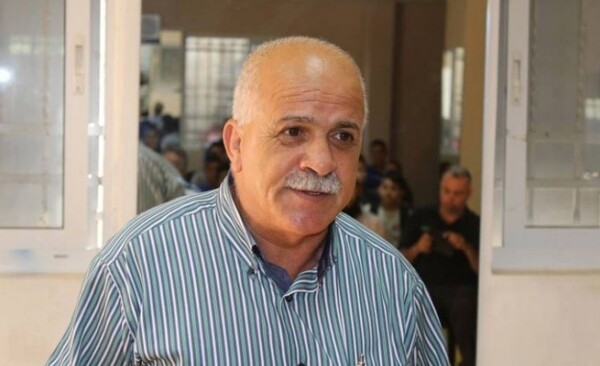
Crime and violence escalate only when there is a vacuum, a nurturing of this vacuum's persistence, an environment that allows its expansion, and the constant draining of society. This is not only for the purpose of social annihilation and the dismantling of our people's societal and national fabric there, but also beyond that, involving projects of expulsion and displacement, changing the demographic reality, and preventing the formation of an Arab national minority with its national and cultural characteristics. The occupation state, with its institutions and governments, views our people there as a "cancerous tumor" that must be eliminated, considering that our Palestinian people there, in any upcoming confrontation that might erupt on more than one front, pose the greatest danger to the occupation state because they exist and are digging into the heart of that state. Therefore, we witness settlement and Judaization projects being re-proposed, and what is happening to the Arabs of the Negev reveals the nature and danger of these Judaization plans, projects, and objectives. The crime and violence that have escalated unprecedentedly in the Palestinian interior -48-, especially after the October 7th/2000 uprising, have made decision-makers in the occupation state formulate their visions and strategies based not only on the "demographic" engineering of our people there, through the dismantling of the national and societal fabrics there, but also on adopting a policy based on pushing a significant portion of the population to emigrate and leave their land. In light of the growing and escalating crime, which our people realize is being fueled by some to keep its "cauldron" boiling and escalating, to divert the attention of our people's masses from focusing on demanding their political, national, economic, and social rights, by preoccupying them with how to protect their existence from this escalating violence and crime that is managed and supported and covered up by external parties, and is being carried out by local tools that are provided with protection and immunity from prosecution, arrest, and even trial, as this is not a political priority for the occupation state. The escalation of crime and the growth of violence in our Palestinian society -48-, which the extremist Minister Amichai Eliyahu commented on by saying, "Arabs kill each other," this extremist who called for bombing the Gaza Strip with nuclear bombs and wiping it off the map, is one of those who fuel violence and crime in our Arab society. The Arab and popular masses and political leaders moved in light of this significant escalation in these crimes and violence, which reached more than 252 murders in 2025. This movement, which constituted a major shift in how to confront these crimes and violence, through a continuous series of marches, demonstrations, popular protests, and sit-ins in squares and public places, even in front of the occupation's "Knesset" and the prime minister's headquarters, posed a major challenge to the occupation state and to organized crime gangs, which saw that they had to prove that all these forms of popular, political, and societal struggle, to uproot them and provide security and stability for Arab cities and villages, would be futile. The project and plan are larger and beyond those gangs, which are employed to serve the political projects of the occupation state, and therefore we have witnessed that these crimes have reached 43 crimes since the beginning of this year, and thus the goal is to create a state of despair, frustration, and loss of trust among the Arab masses there, and to put them before difficult choices, either to bow down and respond to the demands of those criminal gangs and mafias, or to seek protection from the occupation state, or to move towards individual salvation, by emigrating and leaving their land and property. The occupation state, if an operation occurs in the Palestinian interior – 48, carried out by any Palestinian from the West Bank, Jerusalem, or the Palestinian interior, as a reaction to the occupation's crimes against the Palestinian people, the occupation state mobilizes all its security and intelligence agencies and its army, in order to arrest the perpetrator/s, while the crimes and violence against our people, practiced by organized crime, which is supplied with weapons and black money, are overlooked and not prosecuted, in fulfillment of the extremist Minister Amichai Eliyahu's saying, "Arabs kill each other," and this serves our interests and does not constitute a burden on us, as it is one of our goals to dismantle Palestinian society. Organized crime cannot arise or move in a vacuum, and become entrenched and dominant, without an environment that nurtures it and allows it to expand, just like the rampant corruption in the Palestinian Authority, which affects its joints and institutions and finds incubators at the top of its political and security hierarchy. Leaving Palestinian villages and towns in the Palestinian interior without protection is intentional, and the occupation forces do not come to those cities and towns, except when they want to suppress our people's masses on the background of marches or protest demonstrations against the occupation's repressive and abusive policies and practices against our people or its prisoners. These forces and this army do not impose their laws on the networks of weapons and black money, which feed and finance organized crime gangs, and the message is clear to our people: your security is not our priority. The war waged against our Palestinian people – 48 – through chaos, weapons, and blood, is no different from the war of uprooting, expulsion, and displacement waged against our people in the Gaza Strip, the West Bank, and Jerusalem by force of arms and settler crimes. It is a war intended to "tame" the mind of our people in – 48 – to get used to this reality and coexist with it, and therefore it is necessary to rebel against this reality, a reality of slow attrition war and social annihilation, and the political stance required today is not limited to condemning the killing but points to the root of the problem, the direct responsibility of the occupation state for the spread of weapons and crime and the necessity of organizing our society politically and practically to extract its right to life and security.

OPINIONS
Sun 15 Feb 2026 11:25 am - Jerusalem Time
The occupation's political message to our people inside: Your security is not our priority
PALESTINE
Sun 15 Feb 2026 11:24 am - Jerusalem Time
Shocking confessions of an Israeli soldier: We commit killings and rapes in Gaza

A widely circulated video clip revealed horrific confessions made by a soldier in the Israeli occupation army, in which he admitted to committing grave violations, including killing and raping Palestinian civilians in the Gaza Strip. The soldier appeared in a live conversation via the 'TikTok' application with American content creator Jeff Davidson, speaking arrogantly about the practices of the Israeli forces during the ongoing war of extermination.
During the broadcast, the soldier displayed scenes of massive destruction in the area where he serves within the Strip, proudly pointing out that homes had been completely razed to the ground and no trace of them remained. When the American interviewer confronted him that the Israeli army was responsible for this devastation, the soldier answered in the affirmative without any hesitation or remorse for destroying civilian infrastructure.
The intensity of the discussion escalated when the soldier tried to justify targeting children by showing a picture of a child carrying a weapon, claiming that he found it in one of the demolished houses. YouTuber Davidson responded strongly, emphasizing that the presence of children defending themselves against an invading army never justifies killing or targeting them, holding the occupation responsible for the deteriorating situation in Gaza.
In a shocking moment, the soldier made obscene and dangerous statements, saying: 'We killed women and children,' and then coldly continued: 'And by the way, don't worry, we also rape them.' These documented confessions sparked a massive wave of anger and protest across social media platforms, where observers considered them conclusive evidence of war crimes committed.
Activists and human rights defenders affirmed that this live testimony reflects the doctrine of the occupation army and its soldiers' feeling of complete impunity from international punishment and accountability. Tweeters pointed out that the absolute political and military support provided by the United States and its allies to Benjamin Netanyahu's government is what encourages soldiers to boast about their crimes in front of cameras.
Analysts believed that the soldier's confidence in his speech stemmed from the absence of deterrent legal measures in previous incidents, which created an atmosphere that allows the repetition of these brutal acts. These confessions come at a time when the Israeli media machine is trying to improve its international image, but such clips reveal the true face of military operations in the Strip.
Bloggers stressed that the seriousness of the statements lies in their absolute frankness, which highlights the unspoken suffering of Palestinian civilians under the yoke of occupation. Human rights defenders demanded that this clip be used as a document of condemnation in international courts to ensure the prosecution of those responsible for these heinous crimes and to put an end to the policy of impunity.
In a related context, Human Rights Watch issued its annual report for 2025, which directly and explicitly accused Israel of committing war crimes and acts of genocide. The organization confirmed that what the Gaza Strip and the West Bank are witnessing represents systematic ethnic cleansing that has resulted in the martyrdom and injury of hundreds of thousands of Palestinians.
The international report clarified that the violations monitored during the past year occurred on an unprecedented scale in the modern history of the conflict, warning of the repercussions of international complicity. The organization stated that the international community's silence and the continued flow of weapons directly contribute to exacerbating the humanitarian crisis and expanding the scope of violations against unarmed civilians.
Human rights reports concluded that the confessions of field soldiers terrifyingly match the documentation carried out by international organizations on the ground. Voices are currently rising for the necessity of independent and transparent international investigations to determine the extent of sexual and physical crimes to which detainees and civilians in Gaza are subjected away from the eyes of cameras.
We don't just kill, we also rape them... Don't be surprised, there are no houses here, they have been razed to the ground.
PALESTINE
Sun 15 Feb 2026 11:24 am - Jerusalem Time
The Occupation approves a plan to register 15% of Area 'C' lands in the West Bank in a first step since 1967
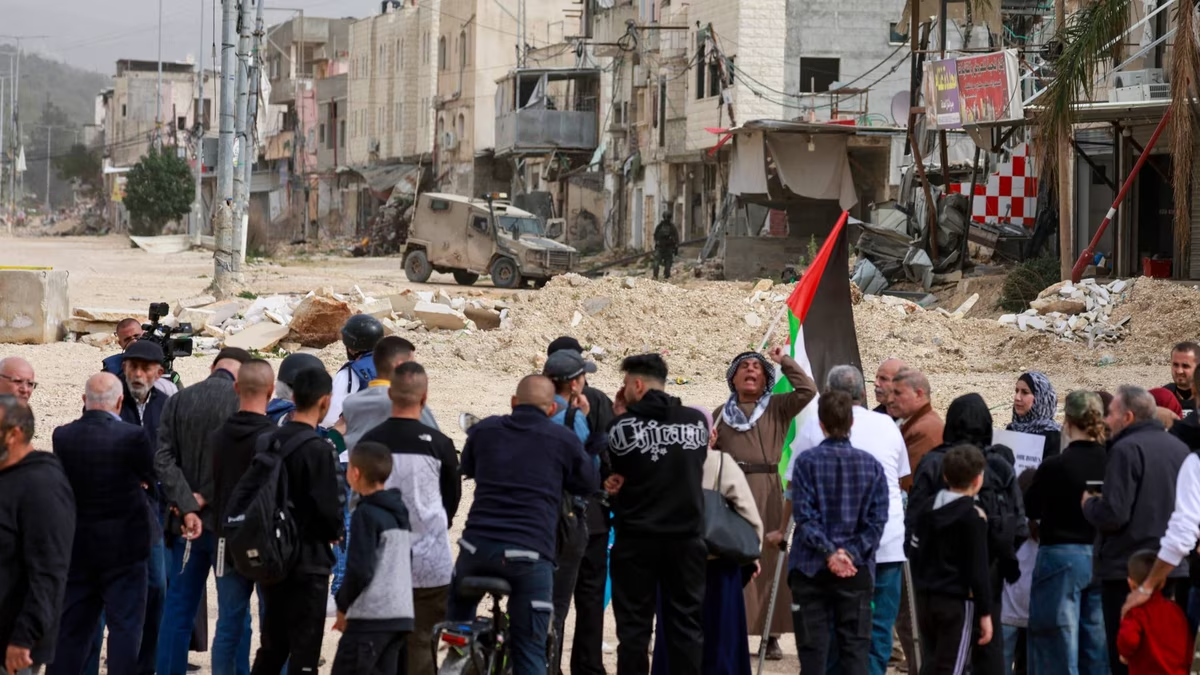
During its weekly meeting held today, Sunday, the occupation government is moving towards approving a step described as dangerous and unprecedented, which stipulates the immediate commencement of land organization and registration operations, known as 'Tabu', in various areas of the occupied West Bank. This initiative is considered the first of its kind since the occupation of the West Bank in 1967, as it directly aims to change the legal status of thousands of dunams and convert them into properties belonging to what is called 'state lands'.
The plan, led by the ministerial trio Yariv Levin, Bezalel Smotrich, and Israel Katz, sets a timeline extending until 2030 to register about 15% of the lands classified as (C). Through this measure, the occupation authorities seek to impose a new legal reality that allows them absolute control over any areas whose owners do not possess definitive proof of ownership, which opens the door for unprecedented settlement expansion under administrative cover.
Data indicates that these moves come in the context of a frantic race with the Palestinian Authority, as the occupation government accuses the Palestinian side of carrying out parallel documentation and organization operations in those areas. The new Israeli decision aims to thwart any Palestinian efforts to establish ownership, considering that the Palestinian move entrenches a field reality that violates the agreements signed between the two parties.
Procedurally, the commander of the Central Region in the occupation army will be tasked with overseeing the commencement of inventory and field survey operations, with the establishment of a specialized administration affiliated with the land registration authority. Legal circles in the occupation government estimate that completing this process comprehensively may require three full decades, given the historical and legal complexities that have accumulated for decades in the West Bank's land records.
This decision carries deep political dimensions, as observers see it as 'creeping annexation' that imposes Israeli sovereignty de facto without the need for a formal and internationally controversial political declaration. By incorporating the occupied lands into the Israeli 'Tabu' system, this geography is administratively and legally integrated with the system applied within the Green Line, undermining any future opportunities for the establishment of a contiguous Palestinian state.
On the economic and settlement front, land registration will provide what is called 'legal certainty' for settlers and settlement companies, facilitating sales, purchases, and infrastructure development. This measure will also enable settlers to obtain mortgage loans secured by these officially registered lands, which previously posed a legal obstacle to them due to unclear ownership records.
The occupation government claims that the purpose of this step is to end the legal stalemate and provide a clear regulatory framework for properties, but the reality indicates a desire to legitimize settlement outposts and facilitate the confiscation of communal lands. The conversion of thousands of dunams into 'state lands' with a legal stroke of a pen will inevitably lead to a radical change in the demographic and geographical map of the West Bank in favor of the settlement project.
In conclusion, this trend represents a dangerous escalation in the tools of Israeli control, where law is used as a tool to entrench the occupation and transform it into a permanent reality. With the implementation of this plan, Palestinian families will face enormous legal challenges to prove their historical ownership before the occupation courts, under a system primarily aimed at dispossessing them of their lands for the benefit of continuous settlement expansion.
This move means that the occupation, even in the absence of a formal political decision for annexation, is effectively imposing its legal and administrative sovereignty on the land through bottom-up sovereignty pathways.
OPINIONS
Sun 15 Feb 2026 11:24 am - Jerusalem Time
From Ahad Ha'am to Benjamin Netanyahu: The Ethical Vision of Ahad Ha'am and the Political Failure of Israel's Longest-Serving Prime Minister
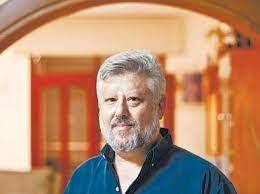

Israel today is undoubtedly a powerful state. It possesses immense military strength, advanced technology, and a resilience forged through decades of conflict. However, Israel suffers from a deep dysfunction — politically, ethically, and strategically. Israel, and we, the people of Israel, are trapped in a vicious cycle of fear, domination, and recurring wars, a cycle that produces neither security, legitimacy, nor hope.
This situation was not a surprise. More than a century ago, Ahad Ha'am (Asher Ginzberg), one of the most prominent Jewish Zionist thinkers, warned that if Jewish sovereignty were separated from Jewish ethics, it would undermine itself. Ahad Ha'am was not opposed to power, but he insisted that power be constrained by moral responsibility. Today, it is difficult to escape the conclusion that Israel has ignored this warning — and it is paying the price, a price that will continue to rise over time.
The gap between Ahad Ha'am's vision and the political reality that has taken shape over many years under Benjamin Netanyahu, Israel's longest-serving prime minister, is enormous. Ahad Ha'am presented a philosophy based on moral self-restraint, human dignity, and responsibility towards the other. Netanyahu, on the other hand, has overseen a political strategy based on a permanent state of emergency, the normalization of occupation, and the reduction of politics to security management, leading today to the illegal annexation of Palestinian territories.
This contradiction is not theoretical; it lies at the heart of the ongoing Israeli crisis.
Ahad Ha'am: Sovereignty as a Moral Test
Ahad Ha'am rejected the idea that Zionism was merely a reaction to antisemitism or a project for a state for its own sake. For him, Zionism was an ethical experiment. Jewish sovereignty was not the end of the road, but the beginning of a test. He wrote: “The state is not the beginning of salvation, but its test.”
In his famous 1899 essay, “The Truth from the Land of Israel,” Ahad Ha'am shattered the myth of the “empty land.” Like Jabotinsky later, he insisted that the Arab population in Palestine was real, deeply rooted, and would resist injustice. “The land is not empty; it is inhabited,” he warned, adding that mistreating the local population would ultimately destroy the moral legitimacy of the Jewish national project. This warning has proven painfully true.
For Ahad Ha'am, Jewish nationalism could only remain alive if it remained connected to universal human values. Power that abandons ethics does not strengthen Zionism; rather, it empties it of its content from within.
Netanyahu's Zionism: Power Without Direction
Prime Minister Benjamin Netanyahu represents the exact opposite approach. His political vision has been almost entirely shaped by the language of threat, deterrence, and personal political survival. Over many years in power, Netanyahu has transformed Israeli politics into a permanent state of emergency, where ethical questions are treated as irrelevant luxuries, and long-term political solutions are indefinitely postponed.
Netanyahu was clear in his rejection of Palestinian sovereignty. In 2015, on the eve of elections, he explicitly declared: “There will be no Palestinian state under my watch.” Despite his subsequent attempts to rephrase this statement for an international audience, his policies since 2009 have consistently reflected this position. The refusal to pursue a viable political solution was central to his leadership — and central to its failure. This path did not produce security but led directly to October 7, 2023.
Instead of viewing sovereignty as a moral responsibility, Netanyahu treats power as an end in itself. His speeches are saturated with historical trauma and existential fear. At the United Nations in 2012, holding up a cartoon of a bomb, he said: “History's lesson is clear: appeasement only brings more violence.” The message is constant: self-restraint is weakness, compromise is dangerous, and ethical thinking is naivety. With this approach, he corrupted an entire society.
Normalization of Occupation
Under Netanyahu's leadership, the occupation of the West Bank and Israeli control over Gaza are no longer temporary realities. They have become normalized, bureaucratized, and largely detached from ethical debate. Settlement expansion has accelerated, especially in the last two years, Palestinian political prospects have faded, and the two-state solution has eroded to the point of being unviable.
This is precisely what Ahad Ha'am feared. He warned that domination over another people would corrupt the occupier as much as it would provoke resistance from the occupied. Israel today is more militarized, more polarized, and more resistant to ethical criticism than ever before. The occupation is no longer discussed as a moral dilemma but managed as a technical and security problem. However, October 7 must teach us that this conflict cannot be “managed” — it was never manageable — but must be resolved.
Netanyahu refused to address the conflict constructively, repeatedly portraying it as inevitable. “We have no partners for peace,” he said in various forms, using Palestinian hostility to justify permanent control. This logic transforms political conflict into a permanent state and, according to his logic, exempts Israel from the responsibility of building a different future.
In July 2024, the International Court of Justice reached a conclusion that many Israelis had long avoided acknowledging: that the Israeli occupation has become permanent in nature, and therefore illegal under international law. The court ruled that Israel must end the occupation, dismantle settlements, and pay reparations, and that other states must not recognize or assist the illegal situation. Ahad Ha'am would have read this ruling as a result of moral collapse, not international bias or antisemitism, as in Netanyahu's usual emotional responses.
Gaza: The Failure of Power Alone
The bankruptcy of Netanyahu's approach is nowhere more evident than in Gaza. Years of blockade, repeated wars, and collective punishment have produced neither deterrence nor security, but despair, extremism, and endless cycles of violence.
Netanyahu publicly defended this policy. In 2018, he said: “Whoever wants to thwart the establishment of a Palestinian state must support strengthening Hamas.” This was not a slip of the tongue, but revealed a deliberate strategy: maintaining Palestinian division and permanent conflict to avoid any political solution.
Ahad Ha'am warned that power might temporarily suppress symptoms, but it would not erase grievances rooted in injustice. Power without a moral horizon does not resolve conflict — it tries to manage it indefinitely, at a heavy human cost on both sides, as we have witnessed over the past eighteen months.
The Erosion of Jewish Ethical Language
Perhaps the most dangerous legacy left by Netanyahu is the erosion of Jewish ethical language in Israeli politics. Calls for ethics, self-restraint, and universal human values are now portrayed as naive, foreign, or even treasonous. Zionism has been reduced to mere survival. And “Zionist responses” have come to mean acts of violence against Palestinians and land grabs.
Ahad Ha'am vehemently rejected this reduction. He saw that the strength of Judaism lay precisely in its ethical demand. He wrote: “Judaism is not confined to rituals, but is an ethical vision of the world.” Abandoning this vision in the name of power was, in his view, a betrayal of the revival of the Jewish nation.
Netanyahu, on the other hand, allied himself with messianic and extremist nationalist forces that openly reject universalism. Thus, Israel now speaks the language of power, while gradually losing its moral credibility — among its citizens, among world Jewry, and among its allies. And this is Netanyahu's crime against the Jewish people.
A Choice, Not Fate
Israel's situation is often presented as inevitable: a hostile region, an unrelenting enemy, and no choice but force. Ahad Ha'am rejected this determinism. He believed that nations choose their character, and that moral failure is not fate but a decision.
Netanyahu's leadership represents a choice: short-term political survival instead of long-term vision; conflict management instead of resolution; fear instead of responsibility. Israel today is militarily stronger than ever — but more isolated, divided, and morally exhausted than ever in its history.
The Unending Test
Ahad Ha'am did not oppose Jewish sovereignty, but he demanded that it be worthy of its name. He understood that power would come — and that when it came, it would test the Jewish people's ability to govern justly.
And this test is failing today.
The difference between Ahad Ha'am and Netanyahu is not between idealism and realism, but between ethical realism and political opportunism. One understood that justice is an asset of security and strategy; the other treats it as a burden.
Israel does not need another strong leader. Rather, it needs leadership that restores Zionism's moral backbone — leadership that understands that domination is not security, that occupation is not destiny, and that Jewish power without Jewish ethics is ultimately self-destructive power.
Ahad Ha'am presented this vision more than a century ago. Benjamin Netanyahu's long years in power have painfully demonstrated what happens when it is ignored.
Dr. Gershon Baskin, Middle East Director for the International Communities Organization, and Co-Chair of the Two-State Alliance.
PALESTINE
Sun 15 Feb 2026 11:24 am - Jerusalem Time
Coup against Oslo: New Israeli measures to impose sovereignty over Areas (A) and (B) in the West Bank

The Israeli occupation authorities recently launched a series of escalating measures in the occupied West Bank, aimed at changing the legal and political status quo that has existed for decades. These steps seek to extend control over vast areas of land classified within Areas (A) and (B), which were administratively under the Palestinian Authority according to signed agreements.
The new decisions included allowing settlers to directly own land in those areas, while abolishing the Jordanian legislation that previously regulated land ownership. Observers and Palestinians describe these moves as a 'creeping annexation' process aimed at imposing full Israeli sovereignty over what remains of the Palestinian geography in the West Bank.
Earlier this week, the Israeli government approved the expansion of oversight and enforcement powers to include Areas (A) and (B), giving its agencies the green light to carry out demolition and confiscation operations. This measure is a clear violation of the 'Oslo II' agreement signed in 1995, which granted Palestinians full or civil control over these areas.
Field data indicates that the occupation has exploited the international community's preoccupation with the ongoing war of extermination in the Gaza Strip since October 7, 2023, to intensify its aggressions. These aggressions varied between unprecedented settlement expansion, forced displacement operations, and the killing and arrest of citizens in various cities and villages of the West Bank.
For his part, the head of the Wall and Settlement Resistance Commission, Moayad Shaaban, affirmed that these decisions represent a radical coup against all previous international understandings. He explained in press statements that Benjamin Netanyahu's government seeks to fire the 'last bullet' at the Palestinian state project by destroying the foundations upon which the Oslo agreement was built.
Shaaban pointed out that the occupation has already begun direct intervention in archaeological sites located within Areas (A) and (B), attempting to annex them to the 'Israeli Antiquities Authority'. This trend means that waves of demolition and confiscation will no longer be limited to Area (C), but will extend deep into crowded Palestinian cities and towns.
The Palestinian official stressed that the ruling right-wing coalition in Israel has set a clear plan based on three axes: expanding settlements, legalizing illegal outposts, and giving Palestinians the choice between death or expulsion. He considered that international silence towards these practices encourages the occupation to proceed with its alleged biblical project.
In a related context, Khalil Tafakji, an expert in settlement affairs, explained that the current Israeli policy strategically aims to prevent the establishment of any independent Palestinian entity. He indicated that Israel has set aside the transitional provisions in Oslo and used administrative divisions as a tool to expand the influence of settlements.
Tafakji clarified that there is a huge gap between the built-up area of settlements and their 'sphere of influence' controlled by the occupation forces, with the latter exceeding 60% of the West Bank's area. He stressed that Palestinian popular steadfastness, despite its importance, needs clear political plans to confront this settlement encroachment that does not want any Palestinian presence.
As for political science professor Ali Al-Jarbawi, he presented a different reading of the fate of the Palestinian Authority, considering that Israel does not seek to completely end the Authority at the present time. Al-Jarbawi believes that the Israeli goal is to 'undermine' the Authority and turn it into an administrative tool that provides services to the population without having any sovereignty over the land.
Al-Jarbawi added that the occupation adopts a strategy of 'legal expulsion' when it is unable to carry out physical expulsion, by confining Palestinians to geographically fragmented enclaves. This plan aims to legally separate the population from the land and prevent any possibility of claiming political rights within one or two states.
Analyzes indicate that the recent Israeli decisions in the city of Hebron, and the transfer of municipal powers to the so-called 'Civil Administration', are a model for what will be generalized. Palestinian institutions are gradually being stripped of their powers in favor of settlers and Israeli military bodies, in an actual annexation process that does not await an official announcement.
Experts and officials called for the necessity of launching a comprehensive national dialogue that brings together all Palestinian forces to formulate a unified strategy away from traditional divisions over the feasibility of old agreements. The new reality imposed by Israel requires confrontation tools commensurate with the magnitude of the existential threat facing the Palestinian cause.
Sources concluded that Israel considers the West Bank to be the 'real arena of conflict', and deals with it as part of the alleged 'Kingdom of Judea and Samaria'. Accordingly, the legal and civil measures taken recently are not just fleeting decisions, but rather a decisive resolution of the conflict over the land and a final liquidation of any political horizon.
What is happening represents an actual coup and the firing of the last bullet at the Oslo agreement by targeting the areas that were described as Palestinian sovereignty.
ISRAELI AFFAIRS
Sun 15 Feb 2026 11:15 am - Jerusalem Time
Accusations against Netanyahu of inciting Trump against Herzog: A "sovereignty" crisis engulfs Israeli internal affairs
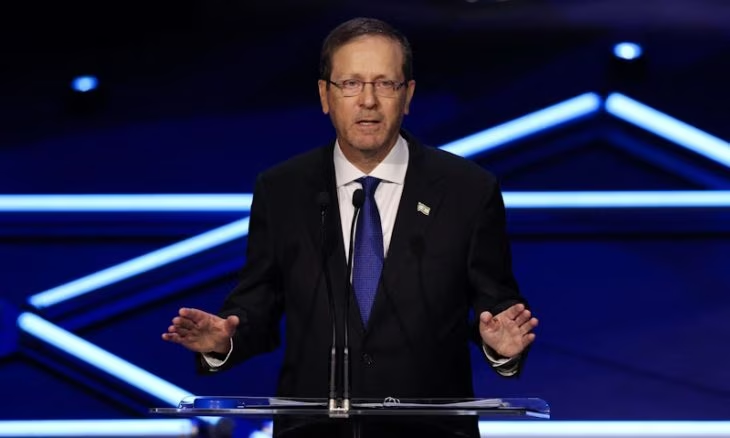
The intensity of political tensions within Israel escalated following the public attack launched by US President-elect Donald Trump on Israeli President Isaac Herzog. Circles close to the presidency directly pointed fingers at Prime Minister Benjamin Netanyahu, considering him the primary mover behind these external pressures aimed at securing a legal pardon in the corruption cases he faces.
Media sources reported that Herzog's office is in a state of shock due to Trump's statements, in which he described the Israeli President's stance as 'shameful'. Questions are currently circulating about the nature of the understandings between Netanyahu and Trump, and whether the latter received political promises in exchange for exerting this public pressure on the Israeli presidency.
Press reports stated that Herzog is currently awaiting official and direct clarifications from Netanyahu regarding his role in 'heating up' and inciting Trump. Those close to the President believe that the Prime Minister's silence or involvement in this incitement represents a stab at the sovereignty of the Hebrew state and the independence of its judicial and political decisions in the face of external powers.
In contrast, the Prime Minister's office quickly denied any connection to Trump's statements, emphasizing that the government does not interfere in pardon decisions, which fall within the President's prerogatives. However, this denial did not calm the opposition and political entities that saw a suspicious harmony between the timing of the American attack and Netanyahu's personal and legal interests.
Transportation Minister Miri Regev, close to Netanyahu, entered the fray by attacking Herzog in what was described as harsh language, stating that the President should be ashamed of delaying the pardon. Regev said that the circumstances the country went through after October 7 necessitated ending Netanyahu's legal cases to ensure political stability.
For his part, former Defense Minister Avigdor Lieberman criticized American interference in internal affairs, warning against sliding into complete dependence on Washington. Lieberman recalled the stance of former Prime Minister Menachem Begin, who firmly rejected any American dictates, emphasizing that the dignity of the presidency is a matter concerning every Israeli citizen.
On the analytical front, political observers warned that Herzog's submission to these pressures would turn Israel into something akin to a 'banana republic' whose decisions are managed from the White House. Analysts pointed out that undermining the prestige of the presidential office weakens state institutions and makes them hostage to external and internal political blackmail alike.
Sources explained that the current crisis revealed the depth of the rift between the political and presidential levels, where trust has been completely lost between the two parties. Observers believe that Netanyahu is seeking to exploit his close relationship with Trump to overcome legal obstacles that he failed to resolve through local legislative and judicial channels.
In a related context, Hebrew media sarcastically wondered whether Herzog would find himself forced to respond to Trump's demands to avoid further media and political attacks. These outlets considered that the current battle is not just a dispute over a judicial pardon, but a battle over the independence of Israeli decision-making in the face of the incoming American administration.
The reports concluded by noting that the pardon process may not be legally affected by Trump's statements, but it has put Herzog in an embarrassing position before public opinion. If he grants the pardon, he will appear to have succumbed to threats, and if he rejects it, he will face an early clash with the new American administration, on which Netanyahu is heavily relying.
If it turns out that Netanyahu is behind Trump's statements and that he incited him, this represents a serious crossing of red lines.
PALESTINE
Sun 15 Feb 2026 11:15 am - Jerusalem Time
Military reinforcements for the occupation in the West Bank and an arrest campaign affecting dozens
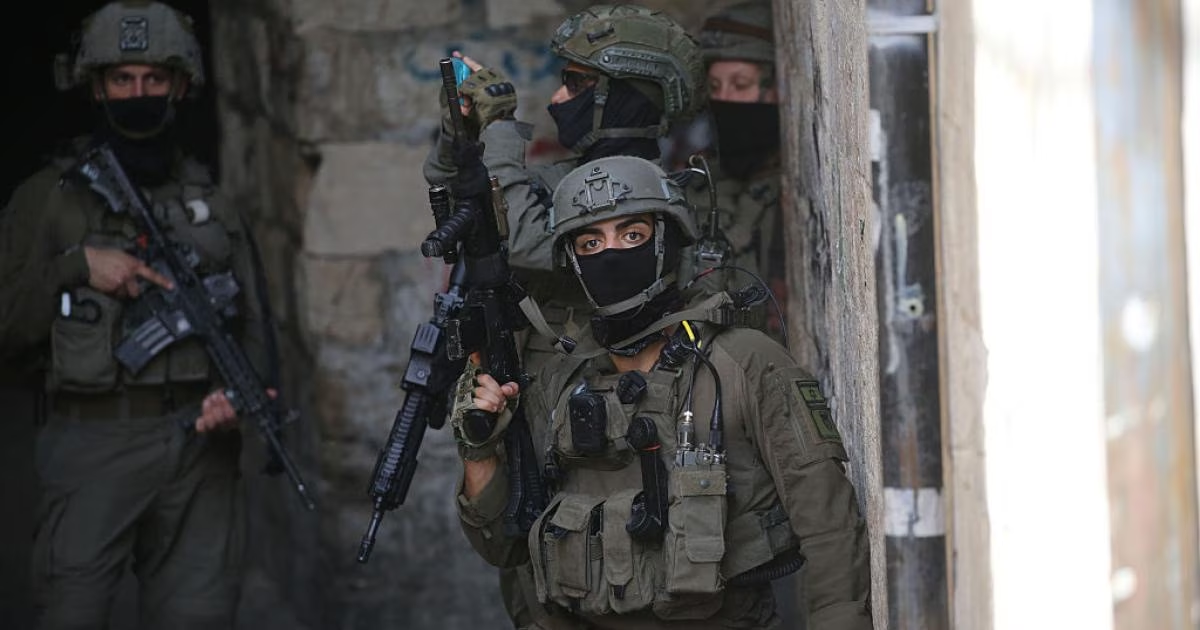
Hebrew media reports revealed orders from the Israeli occupation army command to deploy additional military units to various governorates of the occupied West Bank. These movements come in the context of intensive security preparations carried out by the occupation coinciding with the approaching holy month of Ramadan.
Sources reported that the tasks assigned to these units include carrying out preemptive arrests and expanding the scope of military deployment around illegal settlement outposts. The army will also intensify its presence on the main roads connecting Palestinian governorates to ensure the protection of settler movements.
In a related field context, occupation forces carried out a series of widespread raids at dawn today, Sunday, targeting several towns in Nablus governorate, resulting in the arrest of 12 citizens. The arrests were equally distributed between the towns of Asira al-Shamaliya and Beit Furik, located in the eastern part of the city.
Ramallah and Al-Bireh governorate witnessed similar military movements, where occupation forces arrested a child and a young man after raiding their homes in the village of Aboud and the town of Ni'lin. These raids involved thorough searches and destruction of the contents of the homes raided by soldiers.
In the town of Birzeit, north of Ramallah, a military force raided a student dormitory, conducting extensive searches and tampering with the belongings of its residents. Despite the intensity of security measures in the area, no arrests were reported among students during this raid.
As for Salfit governorate, the arrest campaign affected a citizen and his two sons after raiding their home in the town of Kafr ad-Dik and assaulting family members. Eyewitnesses confirmed that occupation soldiers deliberately destroyed furniture and private property in the house before withdrawing and taking the detainees to an unknown destination.
Jenin governorate was not immune to this escalation, as occupation vehicles raided the towns of Silat al-Harithiya and Deir Abu Da'if, and the villages of Bir al-Basha and Beit Qad. The forces raided and provocatively searched a number of homes, without these raids resulting in announced arrests so far.
Regarding settler attacks, extremist groups attacked Palestinian homes in Khirbet al-Hamma in the northern Jordan Valley under direct protection from the occupation army. Settlers began intimidating Palestinian families residing in the area in an attempt to pressure them to leave their lands.
Local sources reported that occupation forces arrested a citizen from the Jordan Valley area and detained him for several hours, during which he was subjected to physical and psychological abuse. The citizen was later released, with clear signs of assault on him as a result of the harsh treatment he received.
In another development, settlers severely beat a Palestinian young man in the Wadi al-Hajj Issa area, located between the villages of Aqraba and Jurish, south of Nablus. The assault occurred while the young man was on his land, which prompted the intervention of residents to repel the settler attack, who fled under the protection of army forces.
Additional military units will participate in arrest operations and securing settlement outposts and main roads in the West Bank.
PALESTINE
Sun 15 Feb 2026 11:15 am - Jerusalem Time
Legal Coup in the West Bank: Israeli Decisions to Legitimise Direct Settlement and Withdraw PA Powers

The Israeli Ministerial Committee for Political and Security Affairs (the Cabinet) has approved a series of dramatic decisions aimed at bringing about fundamental changes in the structure of land administration in the occupied West Bank. These steps, approved on February 8th, are intended to accelerate the pace of settlement expansion and facilitate settlers' control over Palestinian properties through new legal and administrative tools.\n\nThe new package included the annulment of the Jordanian Law, in effect for decades, which prohibited the sale of Palestinian lands and properties to Jews or unregistered local companies. Under this amendment, settlers can now directly purchase land in the West Bank as individuals, without the need to circumvent the law through the establishment of intermediary companies, as was previously the practice.\n\nIn a move that ends security and political oversight of real estate transactions, the Cabinet decided to abolish the requirement for prior approval to carry out purchase operations. This oversight system used to verify the authenticity of documents and prevent forgery, in addition to ensuring that individual settlement initiatives did not conflict with the general governmental policies of the Hebrew state.\n\nThe decisions also included declassifying land registers (Tabu) and opening them for public inspection, a measure that observers warned would facilitate the seizure of absentee properties or manipulation of private ownership. These registers were kept strictly confidential to protect the privacy of Palestinian owners and prevent the exploitation of legal loopholes by settlement associations that had lobbied for years to achieve this breakthrough.\n\nOn the ground, the Cabinet approved expanding the scope of work of the Civil Administration's enforcement agencies to include areas classified as (A) and (B), which are nominally under the civil administration of the Palestinian Authority. This decision gives the occupation authorities the green light to carry out demolition operations and halt construction in the heart of Palestinian communities, thereby bypassing the divisions of the Oslo Accords signed in 1993.\n\nSources reported that the new enforcement powers will focus on three vital areas: heritage and archaeological sites, environmental violations, and water issues. These pretexts allow Israeli bodies to intervene directly in Palestinian development projects and issue demolition orders under the guise of protecting archaeological sites or preventing environmental damage, thus reducing the area available for Palestinian urban growth.\n\nIn Hebron, the Council decided to withdraw licensing and construction powers in the Ibrahimi Mosque area and the vicinity of settlements from the Hebron Municipality and transfer them to the Israeli Civil Administration. This step is a direct violation of the Hebron Protocol signed in 1997, which grants the Palestinian Municipality exclusive rights to planning and construction within the city limits.\n\nThe transfer of powers in Hebron aims to enable the Israeli government to expand existing settlement outposts and establish new settlement units without the need for approval from Palestinian authorities. This decision also facilitates construction changes in the Ibrahimi Mosque and its surroundings, which had faced continuous legal and administrative opposition from the Hebron Municipality and human rights organizations.\n\nIn parallel, the Cabinet decided to establish a special directorate to manage 'Rachel's Tomb' site in Bethlehem, with independent government budgets allocated for its development. This step aims to strengthen religious and political control over sensitive sites in the heart of Palestinian cities, similar to the municipal committee previously established to manage settler affairs in Hebron with direct funding from the Israeli Ministry of Interior.\n\nDefense Minister Yoav Gallant and Finance Minister Bezalel Smotrich, in a joint statement, indicated that these decisions aim to remove "bureaucratic obstacles" that have persisted for decades. The ministers considered these steps to reshape the legal reality in the West Bank in a way that serves the settlement project and makes it difficult to reverse these measures in any future political settlements.\n\nThese trends reflect a shift in the Israeli approach towards the West Bank, where temporary military orders are being replaced by structural legal changes that approach the concept of "creeping annexation." Since the West Bank is not subject to official Israeli sovereignty, the implementation of these decisions will be through military orders issued by the regional commander under direct guidance from the political level.\n\nThe decision also included reactivating a government mechanism for land purchase through the "Government Property Officer" in the West Bank, an apparatus that operates in parallel with the Israel Land Authority. This step revives practices that were common in the 1970s and 1980s, as the Hebrew state now seeks direct purchases from Palestinians through official and public channels.\n\nLegal experts warned that the abolition of oversight on real estate transactions would open the door wide to fraud and forgery in the absence of legal protection for original owners. Most land transactions in the West Bank occur under complex circumstances, often under economic or security pressures, making the abolition of the "purchase permit" a tool to legitimize illegal seizure.\n\nThese decisions come at a time when the Knesset is witnessing parallel moves to legislate laws expanding Israeli archaeological oversight in Palestinian Authority areas. It appears that the Israeli government has chosen the direct executive path through the Cabinet to accelerate the imposition of facts on the ground without waiting for the completion of lengthy legislative procedures in parliament, thereby deepening the already exhausted Palestinian sovereignty crisis.\n\nThese decisions seek to remove obstacles that have existed for decades; thereby reshaping the legal and civil reality in the West Bank.
PALESTINE
Sun 15 Feb 2026 11:14 am - Jerusalem Time
Occupation pushes 'commando' units into West Bank as part of preemptive arrest campaign

Hebrew media sources revealed that instructions have been issued by the leadership of the occupation army to deploy special 'commando' units to reinforce military operations in various West Bank governorates. This move comes amid escalating field tensions since the beginning of this year, as the occupation's security apparatus seeks to intensify its grip on Palestinian cities and refugee camps through elite units.
Press reports, quoting military sources in 'Yedioth Ahronoth', stated that these movements are part of a broad security plan aimed at carrying out 'preemptive' arrest campaigns. Through these raids, the occupation seeks to undermine any opportunities for field escalation or popular activity as the holy month of Ramadan approaches, which the security system considers a period of high security sensitivity.
The so-called 'Judea and Samaria' division has already been reinforced with additional elite units that have begun carrying out night and dawn raid missions in several areas. These units work in coordination with forces deployed in the field to accelerate the pace of reaching desired targets and expand the scope of operations to include areas that were not within the direct daily targeting circle.
In addition to the 22 battalions currently deployed throughout the West Bank, the army leadership is considering deploying additional units and intensifying military presence at major checkpoints. This plan particularly focuses on roads leading to the occupied city of Jerusalem, with the aim of tightening the noose on the movement of Palestinian citizens and preventing worshippers from reaching the blessed Al-Aqsa Mosque.
Since the beginning of 2026, the West Bank governorates have witnessed an unprecedented wave of raids that have targeted dozens of Palestinians in their homes. These campaigns focused on the northern camps and southern villages, where they were accompanied by violent field confrontations amid continued strict movement restrictions and increasing settler attacks protected by occupation forces.
In a related context, the occupation's concerns are growing regarding the possibility of military supplies or 'arms smuggling' across the borders and through the 'Green Line'. These fears have prompted the security apparatus to tighten technological surveillance and use advanced monitoring methods at all crossings, in an attempt to prevent the growing capabilities of the resistance in the cities of Nablus, Jenin, and Tulkarm.
This scene, bristling with military reinforcements, indicates that the West Bank is heading towards a highly dangerous and sensitive phase in the coming weeks. With the intertwining of field military pressures and continuous provocations, the Palestinian street faces a real test of steadfastness in the face of this assault aimed at breaking the will of popular and field resistance.
Military movements come as part of an intensive security plan aimed at carrying out preemptive arrest campaigns to contain any potential escalation as Ramadan approaches.
PALESTINE
Sun 15 Feb 2026 11:14 am - Jerusalem Time
Due to Israel's participation... European Broadcasting Union cancels 'Eurovision Tour' events for Eurovision Song Contest

The European Broadcasting Union (EBU) has officially announced the cancellation of the 'Eurovision Tour' events associated with the 2026 Eurovision Song Contest, amid a growing wave of protests against Israel's participation in the upcoming edition. In a statement, the EBU confirmed that this decision came as a result of continuous pressure and widespread objections due to the genocidal war waged by the occupation in the Gaza Strip, which complicated the organizational landscape of the international competition.
Recent days have witnessed an escalation in the official stances of several member states, with five countries – Spain, the Netherlands, Ireland, Iceland, and Slovenia – announcing their complete boycott of the competition. Sources indicated that this collective withdrawal made it impossible to proceed with organizing the tour, which was planned to be one of the largest promotional events in the contest's history, and was scheduled to begin after the official competitions next May.
For his part, Eurovision Song Contest Director, Martin Green, stated that the organizers faced unprecedented challenges that prevented the implementation of the planned arrangements, noting that the team and producers made significant efforts to overcome obstacles but to no avail. Green added that the focus will now be on trying to salvage the 70th edition of the competition scheduled to be held in the Austrian capital, Vienna, despite the sharp division caused by Israeli participation.
The roots of the crisis date back to the 95th General Assembly of the European Broadcasting Union held in Geneva last December, where it was approved to allow Israel to participate despite popular and official demands for its exclusion. This decision sparked widespread anger in European artistic and cultural circles, prompting the public broadcasters in the five aforementioned countries to take a decisive stance by withdrawing in solidarity with the victims in the Palestinian territories.
It is worth noting that the Eurovision Song Contest has faced increasing pressure since last year to adopt a stance similar to what it took towards Russia after its crisis with Ukraine. However, the EBU's insistence on including Israel has put the competition in a moral and organizational dilemma. Artistic circles are awaiting the outcome of events in Vienna next May, amid expectations of continued field protests and additional withdrawals that could threaten the continuity of the competition in its usual form.
We made a difficult decision to cancel the European Tour due to unexpected challenges that we were unable to overcome.
OPINIONS
Sun 15 Feb 2026 11:14 am - Jerusalem Time
When Education Becomes the Last Line of Defense for the Homeland

In a national moment fraught with anxiety, I listened with deep interest – not as a fleeting protocol – during a visit that brought me together with the Minister of Education, Dr. Amjad Barham, and the Undersecretary of the Ministry, Dr. Basri Saleh, to a frank and open discussion about the reality of education in Palestine. The conversation was neither cosmetic nor defensive, but a direct confrontation with a question many avoid: Are we still managing education, or are we managing a crisis?
What I concluded is that our educational crisis is not merely administrative, nor solely union-related, nor exclusively financial. We face a structural gap between the student's right to education and the teacher's right to a salary and professional dignity. The imbalance begins when one of these rights becomes a tool to pressure the other. Education should not be reduced to a salary item, just as the teacher should not be asked to bear the burden of financial collapse alone. The issue is deeper: it is an equation of national balance.
Let's speak in numbers before emotions. In Palestine, there are about 1.4 million male and female students in schools, within approximately 3,200 schools, supervised by nearly 62,000 male and female teachers. In the West Bank alone, the number of public school students exceeds 600,000. Any disruption in the regularity of education does not affect an institution; it affects society as a whole.
When attendance turns into two or three days a week, we lose approximately 40–50% of the actual instructional time. This is not a gap in the timetable, but a gap in the future of the economy, in societal awareness, and in the youth's ability to endure. A school is not just a roof and walls; it is a daily social contract between the state and society.
Amidst this scene, a fundamental conviction emerges: the school principal is the pivot point. They are the true leader within the institution, educationally and ethically. But we demand leadership from them without providing them with sufficient tools. We place them in confrontation with societal anger, union pressure, and administrative complexity, then demand that they perform miracles. We cannot place a leader on a burning front without clear powers and solid institutional support.
In light of the disruption and instability, talking about a perfect, complete program becomes unrealistic. What is required is to manage a "smart minimum" of education: strict focus on basic skills – Arabic, English, Mathematics, Science – especially in the early grades. Saving the basics is saving the cognitive structure of an entire generation.
Among the practical proposals to reduce losses is to utilize experienced retirees and volunteers with a sense of national duty to support classroom and extracurricular activities, without infringing upon the rights of regular teachers. Palestinian society historically has not abandoned its school when it felt it was in danger, but volunteering must be organized and framed, not emotional improvisation.
As for higher education, the picture is no less sensitive. We have more than 220,000 university students distributed among over 50 higher education institutions. Universities primarily rely on tuition fees for funding. With delayed salaries or partial payments, thousands of families become unable to pay installments. Here, the student does not just lose a lecture; they lose an entire life path.
The cost of salaries for the education sector reaches tens of millions monthly, as the cost of one academic semester alone can be about 40–45 million shekels in salaries. In a chronic liquidity crisis, the regularity of education becomes dependent on limited and threatened financial capacity.
But we must put things in their broader context: we manage education under occupation. An occupation that controls resources, restricts movement, deducts revenues, and keeps the economy in a state of permanent fragility. In such a reality, traditional solutions are not enough. An exceptional situation cannot be confronted with ordinary tools.
Here, the importance of creative solutions emerges. One of the important steps taken by the Ministry, under the guidance of its minister, is to reactivate the payment of tuition fees for children of public employees in universities. This is not a grant or administrative luxury, but a proactive intervention to protect thousands of students from academic failure. Protecting university students is not a social service; it is a direct investment in social stability and the preservation of human capital. And under occupation, every student we protect from dropping out is a form of quiet civil resistance.
Creativity in managing education under occupation means financial flexibility that protects students from interruption, supportive community partnerships for schools, reordering priorities towards basics, empowering school leadership, and reforming university governance by defining leadership terms and preventing the reproduction of positions without renewal or accountability.
Moreover, the discussion about strikes must be managed with a cool head. The right to unionize is legitimate, but when it turns into an uncontrolled tool, the student is the first loser. Restoring legitimacy through transparent elections and renewing mandates restores the balance between legitimate pressure and national responsibility.
There is a cultural dimension that cannot be ignored. When education transforms from a national mission into a temporary negotiating file, we lose our compass. In previous intifadas, the school was a symbol of steadfastness, and today it must remain so. The teacher who sees the student as their child, the principal who sees their school as a trust, and the ministry that seeks creative solutions despite scarce resources – these form the real line of defense.
Let's be frank: if we lose the regularity of education for years, we will face a deep knowledge gap, higher unemployment, greater emigration, and more dangerous societal fragility. The issue is not academic, but societal security and national stability. Education in Palestine is not a budget item, but a field of daily steadfastness. And if we lose the school, no national speeches will compensate us for that. Managing educational survival is not an option, but a sovereign duty that cannot be postponed.
PALESTINE
Sun 15 Feb 2026 11:13 am - Jerusalem Time
Annexation the Israeli Way.. Sovereignty Without Declaration and Occupation Without a Name

No need to worry, everything happening in the West Bank is merely “security procedures.” Tanks entering Jenin in broad daylight are nothing more than an armored love letter, and soldiers' strolls in Nablus are an existential threat that doesn't warrant all this mobilization. Demolishing homes in Jerusalem is just a delicate application of the law, and displacement in Tulkarm is merely urban reorganization. Daily arrests are a democratic fitness exercise, checkpoints around Ramallah are traffic improvements, and Israeli flags planted on hills or in some villages are seasonal decorations reflecting the spirit of the holiday. This is roughly the language we are meant to understand what is happening. Israel is annexing the West Bank, or “managing” it very tightly, to the extent that a Palestinian needs permission to breathe between one checkpoint and another. It doesn't impose sovereignty, but fully exercises it without bothering itself with an official declaration. Why the rush? As long as reality is shaped daily on the ground, and as long as the international community contents itself with statements of condemnation and deep concern, there is no need for a historic speech in the Knesset to declare what already exists. Annexation in its classic form requires a political decision, and perhaps diplomatic noise. Modern annexation, however, is more elegant: a settlement expanding here, a bypass road cutting through a hill there, a checkpoint turning from temporary to permanent, an incursion repeated until it becomes routine, and a house demolished because its owner did not obtain a permit he knew in advance would not be granted. This is how sovereignty is built… with administrative calm. In Jenin, tanks enter to confirm that the “occupation ended” years ago, as we were told. In Jerusalem, homes are demolished in the name of the law, because the law is a very flexible entity when it comes to Palestinians. In Tulkarm, people are displaced for vague security reasons, as Israeli security is an elastic concept that encompasses everything, from a child throwing a stone to an entire city punished for breathing outside the required rhythm. As for talk of a two-state solution, it is a protocol paragraph revived when needed at international conferences. On the ground, there is one state that exercises everything: control over crossings, water, sky, land, movement, and economy. The other party? An extended municipal administration with stripped sovereignty, whose primary task is to control the rhythm of the street until the “final arrangement,” which is not called annexation, is completed. The funny thing is that all of this happens without an official declaration, as if Israel is telling the world: we don't have to embarrass you with a clear decision, we will annex quietly, and you continue to talk about a political horizon. We engineer the geography, and you formulate the statements. We plant flags, and you plant the vocabulary of “calm” and “de-escalation.” In the West Bank today, the bulldozer has become a negotiating tool, the checkpoint has turned into an actual border line, and the military patrol into a daily definition of the meaning of sovereignty. The question is no longer: Is there annexation? But rather: What remains outside this gradual annexation? It is an occupation without a name, sovereignty without declaration, and annexation without an official speech. A project that advances step by step, while the Palestinian is asked to act as if nothing has changed, and to wait for negotiations that might return to him what no longer exists. Perhaps in the end, Israel will officially declare annexation, but by then the declaration will be merely a symbolic celebration of what has already been achieved, for maps are not drawn in speeches, but on the ground, where they are rewritten every day, with a dark irony that needs no commentary.
OPINIONS
Sun 15 Feb 2026 11:13 am - Jerusalem Time
Christian Zionism: A Reading of "Christ in the Rubble"

On January 11, 2024, as I watched the International Court of Justice hearings broadcast live, presenting evidence of genocide in Gaza to the world, a quote from Reverend Dr. Munther Isaac's sermon "Christ in the Rubble" was cited. His book, released afterward, is a theological-ethical material inseparable from the political moment, directly confronting it. This book is not merely a religious reflection in wartime, but a call against "negative hope" and against the silence of churches when justice becomes a political burden. Isaac explains that Christian Zionism is not just a misreading of the Bible, but a political ideology serving the interests of major powers, and how the "theology of love" has transformed into a theology that justifies occupation, proposing that Christian Zionism provides a "divine mandate" for apartheid policies. The danger lies in sanctifying political crimes, making criticism of the occupation, in the eyes of some, "criticism of God's will." Reverend Munther calls for confronting this ideology not only through politics but by offering an "alternative theology." How can Palestinians (Muslims and Christians) work together to present a counter-narrative to Christian Zionism in international forums? And what is the role of "theology of the rubble" in awakening the conscience of the global church? Isaac begins by deconstructing Christian Zionism as an imperial theology, not an innocent religious reading. Christian Zionism, as he shows, has provided a theological cover for Israeli policies through the selective employment of sacred texts, granting religious legitimacy to occupation, settlement, and violence before a wide Western audience. In confronting this theology, Isaac presents a central metaphor: "theology of the rubble"; where the concept places the church before an existential question: How can one believe in a God who stands with the victim, while its institutions remain silent in the face of genocide? Isaac does not hesitate to approach the most sensitive questions: anger at God. In the context of genocide and collective suffering, anger is not presented as a loss of faith, but as a moral cry and a radical questioning of divine justice in a world that allows such injustice. Here, faith transforms from reassurance into responsibility, and from submission into spiritual resistance. The book also addresses the intertwining of religion with modern militarism, including military artificial intelligence, and the role of some evangelists in justifying this intertwining. When tools of war are clothed in religious discourse, and killing is presented as "moral defense," technology becomes an extension of the theology of violence, not merely a neutral tool. This analysis confronts the reader with a shocking truth: modernity has not abolished religiosity but has re-produced it with more lethal tools. The book is credited for not ignoring the human suffering of any party. The first chapter recounts the horrific stories of the October 7 attacks and the subsequent response, which reached the level of genocide. This chapter highlights the magnitude of the tragedy and the pain and psychological trauma it left on Israeli victims. Then I move on to analyze the genocide that unfolded in Gaza. In chapters two and three, it is explained in detail that this war did not begin on October 7. I review the broader context extending over seventy-seven years since the establishment of the state of Israel, along with the closer context of the siege imposed on Gaza for the sixteen years preceding that date. These chapters also explain the Nakba — the ethnic cleansing of Palestine that began in 1948 — and argue for the importance of understanding Israel as a settler-colonial entity and an apartheid system. Also, the siege imposed on Gaza as the necessary context for any accurate understanding. Chapter four delves into key factors that enabled this genocide and the continued Western support for it: colonialism in its political and economic dimensions and control over the narrative, racism, and theology — especially Christian Zionism. Chapter five details the positions of a number of influential pastors, Christian politicians, theologians, church leaders, and various denominations regarding the ongoing genocide. These positions ranged from calls for peace to justification of violence, or ignoring atrocities through silence, while some merely called for peace without any real pressure or concrete action plan. Chapter six highlights the voices of Palestinian Christians, especially the "Christ in the Rubble" initiative and the sermons delivered during Christmas and Lent, which confronted the silence of the Western Church. In chapter seven, he shares his experience in pastoral work during the genocide, explaining the theology behind "Christ in the Rubble," and offers a reading of the meaning of the cross as an expression of God's solidarity with humanity in its pain and suffering. Finally, chapter eight builds on the words quoted from his sermons, which were cited before the International Court of Justice, and issues a clear call to the church to act. This chapter also reviews the forms of solidarity that emerged from around the world, showing how a new interfaith community was formed, bringing together people from multiple faith traditions to call for an end to the war. Isaac identifies three factors that enabled the genocide and the continued Western support for it: colonialism in its political and economic dimensions and control over the narrative, racism, and theology, especially Christian Zionism. He exposes the silence of Western churches, their justification of violence, or their contentment with calls for peace without real pressure tools. The book culminates when it reclaims the voice of Palestinian Christians, not as a "forgotten minority," but as an authentic part of this place and its history. To be both Palestinian and Christian means facing double marginalization: from the occupation, and from a Christian world that ignores your existence. The presence of these Christians dismantles the narrative that tries to portray the conflict as a religious war between Jews and Muslims, and returns it to its true essence: a struggle over land, rights, and dignity. Christ in the Rubble is a brilliant work, and a moral, theological, and political call all at once. A book that does not leave the reader neutral, nor allows them to take refuge in silence. Reverend Munther Isaac, the father and the human, employs all his intellectual and spiritual tools to document crimes, and to address the world in the language of divine justice, not the language of interests. It is no coincidence that this work has garnered the attention of major universities and global public opinion. This is a book worth reading, not because it offers comfortable answers, but because it asks the questions that have long been ignored. For in a time when genocide is sanctified, silence becomes betrayal… and the word becomes an act of resistance.
PALESTINE
Sun 15 Feb 2026 11:12 am - Jerusalem Time
Al-Mutlaa Hospital.. 75 Years of Medical Leadership and Ambitious Plans for Cancer Treatment
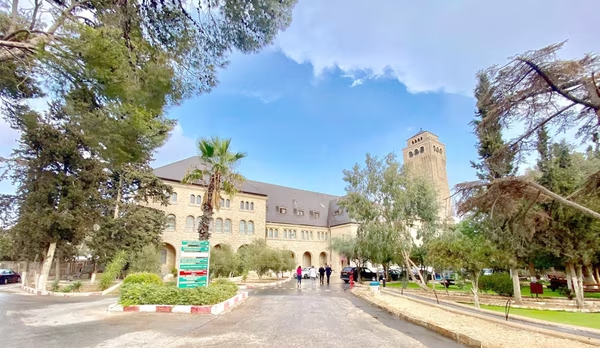

Dr. Hani Abdeen: From treating refugees to a national reference in oncology and bone marrow transplantation. Dr. Fadi Al-Atrash: We are elevating our quality services for Palestinian patients despite increasing difficulties. Palestinian hospitals in Jerusalem constitute a fundamental pillar of the Palestinian health system, playing a pivotal role in providing advanced specialized services to thousands of patients from Jerusalem, the West Bank, and the Gaza Strip. The role of these hospitals is not limited to providing treatment; it extends to training medical staff, contributing to the development of health policies, and preserving national identity in the city amidst complex political and economic challenges. Al-Mutlaa Hospital \"Augusta Victoria\" stands out as one of the most important of these institutions, due to its precise specializations, particularly in the treatment of tumors, blood diseases, bone marrow transplantation, and elderly care. For decades, it has served as a reference center for Palestinian patients and a primary destination for complex cases requiring advanced medical care within a professional and humane environment that respects patient dignity and privacy. \"Y\" met with Dr. Hani Abdeen, the Medical Director of the hospital, and Dr. Fadi Al-Atrash, the Executive Director of the hospital, to shed light on the medical and health services and their development, medical and clinical education, and the training of future cadres for the Palestinian health system, in addition to the challenges and financial crisis affecting it, and its future plans. Establishment after World War II Abdeen began his speech by saying: Al-Mutlaa Hospital was established in 1950, after World War II, and in its early days, it was the main headquarters for treating Palestinian refugees after the Nakba. It developed in multiple areas until 1996, when it faced a funding crisis due to a defect in the support provided by UNRWA, which affected the continuity of service provision. He added: After the arrival of the Palestinian Authority in 1994, and the presence of the Palestinian Ministry of Health as an official reference, the hospital was no longer the only accredited entity for treating refugees, which necessitated a review of its strategy and the development of its services to meet the needs of the Palestinian community as a whole, both refugees and others. The hospital's location necessitated adopting an integrated, not competitive, policy Abdeen pointed out that the hospital's location on the Mount of Olives, about half a kilometer from Al-Makassed Hospital, necessitated adopting an integrated, not competitive, policy, so that complementary services to those provided by Al-Makassed are developed, and duplication in specializations is avoided. He explained that among the most prominent areas the hospital focused on was the development of cancer and blood disease treatment services, in addition to establishing a dialysis center for children, as at that time there was no Palestinian center treating children with chronic kidney failure. The integrated infrastructure for tumor treatment was also established, including radiotherapy, chemotherapy, and palliative care, in addition to updating the necessary medical equipment. Later, a bone marrow transplant unit was established for adults and children, especially thalassemia patients, where the success rate in this field reached about 98%, which is a very high rate. Enhancing Clinical Medical Education Medical Director Abdeen affirmed that the hospital did not only develop therapeutic services but also worked to enhance clinical medical education, recognizing the urgent need to prepare specialized health cadres locally, instead of relying on external scholarships. The hospital obtained recognition from the Palestinian Board in oncology, hematology, and radiotherapy specializations, and also received recognition from the Arab Board, making it the only hospital in Palestine accredited in palliative care. Abdeen explained that palliative care is concerned with alleviating the pain of patients who have reached advanced stages of cancer, improving their quality of life, and providing humane care that preserves their dignity, in addition to educating families on how to deal with the patient, with the possibility of receiving home care whenever possible. He pointed out that the hospital pays increasing attention to scientific research in the field of oncology and works to integrate medical research as an essential part of staff training, in cooperation with local universities, especially Al-Quds University, which contributes to the development of scientifically based treatments that serve Palestinian patients. Commemorating World Cancer Day through media campaigns and readable and visual materials Regarding awareness activities, Abdeen explained that the hospital is keen to commemorate World Cancer Day through media campaigns and readable and visual materials, in addition to launching awareness podcasts. It also organizes special events for breast cancer and operates a mobile clinic that travels to areas of Jerusalem and its suburbs, the West Bank, refugee camps, and remote and medically marginalized areas to conduct early examinations, especially mammography, with the aim of early detection before the disease worsens. Dr. Abdeen clarified that the mobile clinic also includes a diabetes clinic, which provides its services in Jerusalem and the West Bank, including Bethlehem, Qalqilya, Tulkarm, Hebron, and Masafer Yatta, by educating patients and providing treatment and medical guidance. Future Plans Regarding future plans, Abdeen affirmed that the hospital aspires to expand cancer patient services, so that all examinations are available in one place, without the patient having to move between different institutions. Plans include opening an endoscopy center (gastroscopy, colonoscopy, and bile duct endoscopy), due to the prevalence of colon and intestinal cancers and the need for early detection. Abdeen added: The hospital also seeks to develop elderly care services, given the increasing need for intermediate care between hospital and home, for patients who require long-term medical and nursing follow-up. In addition, the hospital intends to expand clinical research to study the effect of drugs on Palestinian patients, especially since most global studies are conducted on communities that differ in their lifestyle and diet from the Palestinian community. Medical Director Abdeen concluded his speech to "Y" by emphasizing that these plans require financial support and stability, expressing his hope that the hospital will be able to continue developing its services to serve patients and enhance its position as a reference medical center in Palestine. The main challenges are in three axes In turn, Dr. Al-Atrash began his speech to "Y" by saying: The hospital is a very strong and ancient institution, capable of enduring conditions and standing firm in the most difficult ones. And that this stage is one of the most difficult stages the institution has gone through since 1996. Al-Atrash pointed out that the main challenges facing the hospital are in three main axes: First: The general situation and geopolitical changes that affect the ability of staff and patients to access Jerusalem, in light of increasing Israeli procedures and requirements in terms of permits, licenses, and others. Second: The ability of patients to access Jerusalem, which is the most important problem, as it requires facilitating the issuance of permits and providing transportation, including buses coming from Hebron, Nablus, Ramallah, and other cities, in addition to providing the possibility for patients to stay in the vicinity of the hospital, as was previously practiced, especially for Gaza patients. Third: The financial crisis and the accumulation of debts on the Palestinian Authority as a result of the general economic situation, and the inability to pay bills in full on a monthly basis, as only partial amounts are paid by the Ministry of Finance, which is not enough. He pointed out that the hospital management is in continuous contact with donors and works to strengthen advocacy efforts to mobilize support for Jerusalem hospitals, especially Al-Mutlaa Hospital. He also noted another challenge, which is the limited specialized expertise supporting the hospital's development, but the institution is working to build and develop internal competencies, through education and training, to serve future plans. The financial crisis affected the speed of hospital development He explained that the financial crisis has indeed affected the speed of the hospital's development, and the ability to receive patients during certain periods, and has also affected the implementation of some developmental, service, and social programs. He stressed that without the financial crisis, the hospital's ability to expand and spread would have been much greater. Regarding Gaza patients, Al-Atrash explained that before the war, about 30% of patients referred to Al-Mutlaa Hospital, or to the Jerusalem hospital network in general, were from the Gaza Strip. However, since the beginning of the war, no patient has been referred from the Strip. Demand for restoring the referral pathway for Gaza patients He affirmed that the hospital demands the restoration of the natural and historical medical referral pathway for Gaza patients to Jerusalem and West Bank hospitals, due to its psychological and medical importance, as patients receive treatment in a familiar environment consistent with their culture, and the distance is shorter and their return to Gaza is easier. He pointed out that a number of patients who were in Jerusalem before the war and completed their treatment have already been returned, in coordination with Palestinian, Israeli, and international parties, after the ceasefire. Strict oversight in the context of attempts to erase national identity Regarding whether health institutions in Jerusalem are targeted, Al-Atrash said: Palestinian health institutions in the city, like other institutions, are subject to strict oversight, in the context of attempts to erase Palestinian identity. He affirmed that these institutions seek to remain in Jerusalem and serve the Palestinian people, as they are a backbone of the Palestinian health system, not only by providing services but also through advocacy, developing expertise, and contributing to shaping health policies. He explained that the Jerusalem hospital network includes six main institutions: Al-Mutlaa Hospital, Al-Makassed, the Red Crescent, St. Joseph, the Eye Hospital, and Princess Basma Institution, which have been in existence since 1997. The network works to coordinate efforts among its members, discuss common challenges, and demand support as a unified network, in addition to playing a role in advocating for the rights of Palestinian patients in Jerusalem, the West Bank, and the Gaza Strip. He affirmed that the network enjoys wide recognition from donor countries and is considered a partner in supporting the health needs of the Palestinian people. It continues to receive support from the European Union and from American entities, in addition to support from some Arab countries, especially the Gulf states, which has contributed to its continued operation despite difficult circumstances. Jerusalem hospitals are essential in the Palestinian health system Al-Atrash pointed out that Jerusalem hospitals are among the essential institutions in the Palestinian health system, and have graduated and trained a large number of doctors and experts, and are active partners in shaping health policies in cooperation with the Palestinian Ministry of Health. As for Al-Mutlaa Hospital's future plans, Dr. Al-Atrash explained that the hospital's strategic plan aims to consolidate its position as a scientific beacon in the Palestinian health system, especially in oncology, hematology, bone marrow transplantation, and elderly care. Plans include developing oncology surgery services, strengthening bone marrow transplantation programs, expanding elderly care services, and introducing new services to ensure the sustainability of the hospital as a pivotal health institution in Jerusalem and Palestine. In his message, Al-Atrash called on patients to seek treatment in Jerusalem hospitals, emphasizing that they not only provide treatment but also respect human dignity and privacy, and provide a level of care not available elsewhere. He also called on official Palestinian bodies to continue supporting the Jerusalem hospital network, not only through statements but through practical steps on the ground. He called on the international community to continue its support to ensure the survival of these institutions, given their significant role not only in the health field but also in preserving Palestinian identity in Jerusalem.
PALESTINE
Sun 15 Feb 2026 8:10 am - Jerusalem Time
Mladenov: Disarming Gaza a prerequisite for sustainable peace and preventing renewed conflict

Nikolay Mladenov, Director-General of the 'Peace Council,' stressed that disarming armed factions in the Gaza Strip has become an imperative demand that cannot be overlooked at the current stage. Mladenov considered this measure to be the only guarantee against sliding back into comprehensive military confrontations, noting that continued armament means the situation remains in a state of permanent fragility.
The international official explained that maintaining the status quo directly contributes to prolonging the humanitarian crisis experienced by the residents of the Strip. He affirmed that any genuine endeavor to achieve comprehensive and just peace must pass through clear channels for dismantling the military capabilities of the factions, within a vision that enjoys broad international consensus to end the continuous tension.
Regarding implementation steps, Mladenov preferred to adopt a policy of secrecy and not disclose the precise details of the proposed strategy to achieve this goal. He attributed this stance to the sensitivity of the current field conditions and the multitude of political variables, emphasizing that disclosing plans at this time could hinder diplomatic efforts being made away from the spotlight.
The Director-General of the Peace Council expressed his hope that the concerned parties would show great understanding for this cautious diplomatic stance, especially since the primary goal is to prevent the situation from exploding again. He indicated that intensive efforts are being made behind the scenes to calm the situation and establish pillars of stability, which requires a calm political environment away from media escalation.
Mladenov revealed the existence of an integrated 'framework' recently agreed upon between a group of international mediators and the United States of America. He described this framework as representing a practical and realistic roadmap aimed at transitioning the Strip from a state of conflict to a state of permanent stability, calling on all parties to immediately begin implementing the agreed-upon provisions without delay.
These statements come amid increasing international pressure aimed at transforming the Gaza Strip into a demilitarized zone, as part of a major deal looming on the horizon. This comprehensive deal is supposed to include vital issues such as the reconstruction of what was destroyed by the war and the lifting of the economic blockade imposed on the population, to ensure a dignified and stable life in the future.
Disarming militants in the Gaza Strip has become an urgent necessity and an indispensable option to ensure no return to war.
PALESTINE
Sun 15 Feb 2026 8:10 am - Jerusalem Time
Lazzarini warns of systematic Israeli efforts to liquidate 'UNRWA' and destroy its services

The Commissioner-General of the United Nations Relief and Works Agency for Palestine Refugees (UNRWA), Philippe Lazzarini, affirmed that the Israeli occupation authorities continue to exert systematic political pressure aimed directly at eliminating the agency. Lazzarini warned that these moves threaten the vital services on which millions of Palestinian refugee families in various operational areas depend.
The UN official described the humanitarian situation in the Gaza Strip as still tragic, noting during his participation in the Munich Security Conference that the residents there are deprived of the most basic necessities of life. He explained that civilians struggle daily to survive amidst the ongoing war of extermination and the widespread destruction of essential facilities.
Lazzarini highlighted the educational catastrophe in the Strip, stating that children in Gaza have not been able to attend school for more than two consecutive years. He stressed that the continued operation of UNRWA is an urgent necessity to provide healthcare and primary and secondary education, which are fundamental rights that Israel seeks to undermine by targeting the agency.
The Commissioner-General pointed out that Israeli violations of international law included the demolition of the agency's headquarters in occupied East Jerusalem, which he considered a dangerous precedent. He added that these actions fall within a broader plan to end the institutional presence of the United Nations in the occupied Palestinian territories and change the demographic and legal reality.
Regarding the situation in the West Bank, Lazzarini warned of the escalating settler violence and the systematic seizure of Palestinian lands with the support of the occupation authorities. He called on the international community to take urgent action to shed light on these practices before they lead to a complete undermining of the chances for achieving a two-state solution in the future.
Lazzarini recalled international legal obligations, referring to the International Court of Justice's affirmations of Israel's obligation to cooperate with UNRWA and other UN organizations. He considered the storming of UN headquarters a blatant violation of diplomatic immunities, calling on Arab Gulf states to increase their financial and political support to counter Israeli harassment campaigns.
These statements come at a time when relief work faces unprecedented legislative challenges, after the Israeli Knesset approved a law prohibiting UNRWA's activities and preventing official communication with it. This legislation sparked a wave of international condemnation, with Britain and ten allied countries demanding the opening of crossings and an end to the demolitions that affected the agency's facilities last month.
On the other hand, field reports documented that ministers in the occupation government, including Itamar Ben-Gvir, directly incited the destruction of UNRWA properties. The agency continues to provide its services to millions of refugees in Gaza, the West Bank, and occupied Jerusalem, despite all the field and legal obstacles imposed by the occupation to disrupt its humanitarian role.
Israel continues its political pressure to eliminate UNRWA, and we witnessed the demolition of our headquarters in occupied East Jerusalem.
PALESTINE
Sun 15 Feb 2026 8:09 am - Jerusalem Time
Trump's Peace Council: A Diplomatic Cover for War Arrangements and Entrenching the Occupation in Gaza

Doubts are escalating regarding the true feasibility of the first anticipated meeting of the so-called 'Peace Council' in Gaza, scheduled to be held in Washington under the patronage of US President Donald Trump. Observers believe that the political scene is dominated by an atmosphere of preparation for striking Iran and moving towards a comprehensive regional confrontation, which fundamentally contradicts the declared claims of seeking a peaceful settlement in the Palestinian territories.
In an indication of the nature of upcoming trends, Israeli Prime Minister Benjamin Netanyahu was absent from the arrangements for this council, content with sending his Foreign Minister Gideon Sa'ar to attend Thursday's February 19 meeting. This absence reflects a lack of genuine Israeli desire to respond to any political arrangements that might impose restrictions on the occupation army's field movements in the Gaza Strip.
On the ground, the occupation authorities continue to obstruct the provisions of the first phase of Trump's plan, especially regarding the opening of the Rafah crossing in both directions. Despite the superficial agreements on managing the crossing with European and Palestinian presence, the reality proves the control of occupation officers over the movement of individuals, where travelers are subjected to meticulous abuse and interrogation, with the assistance of local militias linked to the occupation to impose control.
Statistics indicate a suffocating humanitarian crisis, with about 80,000 Palestinians registering their names on lists of those wishing to return to their homes in Gaza, while more than 20,000 injured and sick await the opportunity to leave for treatment. However, the entity imposes arbitrary conditions that prevent the return of those who left the Strip before the outbreak of the war in October 2023, in a clear attempt to reduce the number of Palestinians within the Strip.
Events have proven the falsity of American and Israeli bets on what is called 'voluntary displacement,' as Washington was shocked by the massive Palestinian turnout to return despite the destruction of their homes. Although the war destroyed about 90% of the infrastructure and houses, adherence to the land remained the strongest Palestinian response to the extermination and displacement schemes that targeted a quarter of a million people, between martyrs and injured.
On the military front, the issue of disarming the resistance emerges as an absolute priority in the second phase of Trump's faltering plan, with US envoy Steve Witkoff and Jared Kushner seeking to impose this condition. According to international reports, the plan aims to gradually disarm the factions, making this a prerequisite for starting reconstruction operations or the withdrawal of occupation forces from populated areas.
These plans face structural challenges, as the resistance relies on local manufacturing within tunnels and workshops, making its monitoring or emptying its stores almost impossible by traditional means. Moreover, the countries nominated to participate in the 'international stabilization force' show great apprehension about entering into direct confrontation with the faction fighters, whose number the occupation estimates at about 20,000 fighters.
In a related context, the occupation authorities handed over combat equipment and modern vehicles to local militias, including the 'Abu Shabab' group, to act as an alternative security arm in areas such as Rafah. This step aims to create internal strife and provide security cover for the occupation, while Israeli forces remain entrenched over more than 60% of the Strip's area, ignoring hundreds of violations of the ceasefire agreement.
As for the West Bank, the scene is no less dangerous, as the final chapter of the actual annexation plan is being implemented by transferring land and building powers to the occupation's civil administration. This coincides with the arming of hundreds of thousands of settlers who launch daily attacks against Palestinian villages, amid international silence that contents itself with hollow condemnation statements that change nothing of the reality.
In conclusion, it appears that the 'Peace Council' is nothing but a camouflaged sign for a real war council aimed at liquidating the Palestinian issue and entrenching the occupation. The facts on the ground, from the Judaization of Jerusalem and incursions into Al-Aqsa and the destruction of Gaza, confirm that the region is heading towards new rounds of conflict, and that American promises of establishing an independent Palestinian entity are nothing but illusions to pass Israeli hegemony projects.
What is happening is not cooking up peace, nor providing opportunities to obtain some rights, and renewed wars are closer than a fingertip, making the Peace Council merely a camouflaged sign for a real war council.
PALESTINE
Sun 15 Feb 2026 8:09 am - Jerusalem Time
Dead and wounded in intense Israeli raids targeting the north and south of the Gaza Strip

A number of Palestinian martyrs and wounded fell this Sunday morning, following a series of air raids carried out by Israeli occupation aircraft on various areas in the Gaza Strip. These field developments come amid continued Israeli violations of the ceasefire agreement in effect since last October 10, which put an end to a two-year war of extermination.
In the southern Strip, field sources confirmed the martyrdom of four citizens as a result of a direct targeting by an Israeli drone in the Al-Maslakh area, west of Khan Yunis city. The sources explained that 'quadcopter' aircraft fired heavily in the vicinity of the operation, which hindered the arrival of ambulance crews to transport the injured, who remained bleeding at the targeting site for a long time.
As for the northern Strip, four other Palestinians were martyred as a result of shelling carried out by an Israeli drone targeting a gathering of citizens and a tent sheltering displaced people in the Al-Faluja area. This attack coincided with air raids and intense artillery shelling that targeted the Sheikh Zayed area and Jabalia camp, with the participation of military helicopters that fired heavily at citizens' homes.
Saturday witnessed a similar escalation that resulted in the injury of four Palestinians, including two girls and an elderly man, by bullets and shells from the occupation army in various areas of the Strip, especially in the Al-Manshiya area in Beit Lahia. These repeated attacks reflect the fragility of Israeli commitment to international understandings sponsored by regional and international parties within initiatives to end the conflict.
For its part, the Hebrew media claimed that army forces spotted five fighters emerging from a tunnel opening in the Beit Hanoun area north of the Strip and dealt with them. Channel 12 Hebrew claimed, quoting military sources, that initial estimates indicate the killing of four of these fighters, noting that the military operation in that area is still ongoing.
These breaches deepen the wounds of the Gaza Strip, which is still recovering from the effects of the two-year war that left more than 72,000 martyrs and 171,000 wounded, according to official statistics. That war caused the destruction of nearly 90% of the infrastructure and residential facilities, making daily life for residents extremely difficult and complex.
On the international level, the United Nations estimates the cost of rebuilding what the Israeli war machine destroyed at about $70 billion, at a time when residents face enormous challenges in securing shelter and basic services. Observers fear that these continuous breaches will lead to a complete collapse of the ceasefire agreement and a return to comprehensive confrontation.
The injured are still at the bombing site, and ambulances cannot reach them due to heavy firing from quadcopter aircraft.
PALESTINE
Sun 15 Feb 2026 8:09 am - Jerusalem Time
9 Palestinians killed in a series of Israeli raids and targeting in the Gaza Strip

The Gaza Strip witnessed a new field escalation on Sunday, resulting in the martyrdom of 8 Palestinians in air raids and artillery shelling that targeted various areas in the north and south of the Strip. The Israeli attacks focused on the city of Khan Yunis and the Al-Faluja area, leading to casualties among civilians and displaced persons in those areas, which suffer from a tight siege and continuous targeting.
In details of the field massacres, medical sources at Nasser Hospital confirmed the arrival of the bodies of 4 martyrs who died as a result of Israeli shelling targeting areas outside the deployment range of the occupation army's vehicles south of Khan Yunis city. This coincided with a direct targeting of displaced persons' tents in the Al-Faluja area north of the Strip, where sources at Al-Shifa Hospital reported the martyrdom of 4 other citizens who were inside one of the targeted tents.
For its part, the Israeli occupation army announced the killing of a Palestinian, claiming he crossed the so-called 'Yellow Line' in the northern area of the Gaza Strip, alleging that the young man posed a threat to the forces stationed there. This incident comes amid the continuation of ground military operations, which include the demolition of residential blocks and the destruction of infrastructure in the border and internal areas of the Strip.
Regarding injuries, medical teams at Al-Awda Hospital recorded the injury of a child with varying wounds as a result of gunfire by occupation forces targeting displaced persons' tents in the Netzarim area in the central Strip. Nasser Medical Complex also received two injured people who were wounded by Israeli fire in areas located in the central and western parts of Khan Yunis city, indicating the expansion of random targeting against civilians.
Field sources reported that the occupation army carried out extensive demolition operations of residential buildings in the eastern areas of Khan Yunis, Rafah, and Gaza cities, accompanied by intense air raids. These operations aim to create buffer zones and destroy what remains of citizens' homes in areas where Israeli military vehicles repeatedly penetrate.
In the northern Strip, ambulance and emergency sources stated that an Israeli 'quadcopter' drone fired live ammunition directly at citizens in the Al-Manshiya area of Beit Lahia town. This attack resulted in a Palestinian being moderately wounded, and he was immediately transferred to Al-Shifa Medical Complex in Gaza City to receive the necessary treatment amid a severe shortage of medical capabilities.
These bloody developments come at a time when occupation forces continue to tighten their military grip on all axes of the Gaza Strip, with continued targeting of shelters and areas that the occupation claims are 'safe'. Reports from hospitals confirm that the pace of injuries and martyrs is constantly escalating as a result of concentrated shelling on displaced persons' gatherings and populated homes.
4 Palestinians were martyred in the occupation's shelling of a displaced persons' tent in the Al-Faluja area north of the Strip, amid continued targeting operations and demolition of buildings in the area.
PALESTINE
Sun 15 Feb 2026 8:09 am - Jerusalem Time
Peace Council Sets Next March as Date to Begin Disarming Factions in Gaza

Sources within what is known as the 'Peace Council' revealed the outlines of the timeline for the new American vision for the Gaza Strip, with next March (Adar) set as the target date to begin disarming Hamas. This step comes within the framework of political arrangements aimed at ending military manifestations in the Strip, in preparation for a new transitional phase supervised by international and regional parties.
The launch of this process is directly linked to a Palestinian 'technocrat' government assuming its full administrative and security powers in Gaza, to be the sole civilian authority managing public affairs. According to sources, the plan aims to permanently remove the movement's military system, and ensure it does not return to influence political or field decisions in the next phase.
On the ground, reports indicated that the occupation authorities have already begun preparing a 'local alternative' by supplying Palestinian militias in the Strip with advanced combat and logistical equipment. These preparations included modern rifles and 'Toyota Land Cruiser 2026' four-wheel-drive vehicles, in an effort to enable these elements to impose a new security reality consistent with the standards of the proposed deal.
Security assessments indicate that the city of Rafah, south of the Strip, will be the 'first laboratory' for implementing disarmament procedures and imposing public tranquility. This area is currently under the influence of local armed groups, which are seen as a key pillar in the project to build the 'new Palestinian city' promoted by the American administration as a model for economic reconstruction.
For his part, US President Donald Trump adopts a vision based on transforming conflict hotspots in Gaza into areas of economic attraction and huge investment projects. Those in charge of this plan believe that economic prosperity and transforming the Strip into a commercial center is the primary guarantee to prevent the return of military tensions and achieve what they describe as 'absolute superiority' and permanent stability in the region.
Transforming conflict zones into giant economic projects is the only guarantee for achieving absolute superiority and sustainable stability.
ANALYSIS
Sun 15 Feb 2026 8:08 am - Jerusalem Time
Academic Analysis Deciphers 'Trump's Madness': Calculated Strategies for Control and Personal Gain

International press reports have highlighted President Donald Trump's behavioral methodology, considering what appears publicly as narcissistic actions or outrageous demands to be, at its core, a well-crafted strategy. Writer Tom Rogers, in an article published by 'Newsweek' magazine, pointed out that Trump follows a consistent pattern through which he aims to extract personal gains in every issue he raises. This behavior, which defies traditional norms, is not merely temper tantrums, but rather a tool to impose absolute control over the American political scene.
This analysis is based on a critical reading of an upcoming book titled 'The Ten Commandments of Trump,' authored by Professor Jeffrey Sonnenfeld, a professor at Yale University and one of the foremost experts in leadership management. The book provides a precise academic dissection of the approach Trump uses to subdue his political opponents and reshape public opinion. The author believes that understanding these behavioral mechanisms is essential to comprehending how Trump manages crises and major deals.
Sonnenfeld's insights gain particular credibility given his long and unique relationship with Trump, which began with a sharp media rivalry over 'The Apprentice' program. Despite their disagreements, Trump expressed admiration for the professor's intelligence to the extent that he previously offered him the presidency of 'Trump University,' an offer that was rejected. This close proximity allowed the author to observe Trump closely and conclude that his actions are not random but rather an 'organized mechanism' applied in various contexts.
Among the ten strategies identified by the book, Trump's aggressive negotiation tactics stand out, which Sonnenfeld describes as a 'punch to the face.' Unlike traditional diplomacy that seeks to build trust, Trump begins any dialogue with a shocking stance or an extreme demand aimed at disrupting the psychological balance of the other party. This initial intellectual terrorism forces the opponent to make concessions they would not have considered under normal circumstances.
When Trump retreats slightly from his initial extreme demand, the negotiating party feels a sense of relief or illusory victory, while Trump has already achieved his real goal. This tactic ensures he secures massive deals on his own terms, while keeping opponents in a state of perpetual confusion. This method is a cornerstone of his dealings with political leaders and businessmen alike.
As for the second strategy, it concerns the creation of public awareness, known as the 'sleeper effect' or continuous repetition until belief. In this context, Trump relies on making certain claims, even if they lack validity, and repeating them with excessive confidence and unwavering certainty. Over time, these falsehoods begin to penetrate media circles and his supportive audience until they transform into undeniable facts.
This approach ultimately exhausts the public's ability to distinguish between truth and fiction, giving Trump the power to reframe reality to align with his agenda. By controlling the media narrative, he is able to neutralize objective facts and replace them with a version of reality that serves his immediate political interests. This tactic is one of the most dangerous tools he uses to manipulate public opinion.
The 'I alone can fix it syndrome' serves as a third strategy to reinforce his image as an epic hero who possesses magical solutions unavailable to others. Trump uses exaggerated preferential language to describe his achievements, attempting to make himself the center around which all national success revolves. This institutional narcissism drives him to try to directly link every public achievement to his personal name, reinforcing his superiority complex.
The article points to real-world examples of this behavior, such as Trump's condition that the historic Pennsylvania Station be renamed after him in exchange for approving its refinancing. This tendency to 'gild everything' and stamp it with his name reflects a deep desire to immortalize his personal legacy at the expense of public institutions. It is a strategy aimed at merging national identity with his personal identity in the minds of citizens.
Rogers believes that understanding these 'commandments' is the only way to decipher what appears to some as a state of madness or psychological instability. Trump is, in fact, a brilliant 'engineer of chaos,' who uses psychological and social rules to impose his control over others. His seemingly reckless actions are actually precisely calculated steps within a political chess game always aimed at enhancing his influence.
Sonnenfeld's upcoming book does not merely observe situations but provides a framework for understanding the future of American politics under Trump. If these behaviors are calculated strategies, then dealing with them requires entirely different tools than traditional political ones. Analysts warn that ignoring this methodology could lead to further erosion of democratic and institutional norms.
The analysis also addresses how Trump always succeeds in turning crises that might end any other politician's career into opportunities to boost his popularity among his solid base. By portraying himself as a victim of a 'corrupt' system, he uses the strategy of repetition to convince millions that an attack on him is an attack on them. This emotional connection makes it difficult for legal or logical facts to penetrate the wall of loyalty he builds.
In conclusion, the article asserts that Trump's 'method of madness' has redefined the concept of political leadership in the modern era. Instead of striving for consensus, Trump thrives in an environment of polarization and conflict, using his psychological tools to ensure he remains in the spotlight. Reading this methodology has become an urgent necessity for anyone seeking to understand the profound transformations in the international landscape.
Sources indicate that this type of academic analysis contributes to revealing the mechanisms by which politics is currently managed in Washington. With the approaching release of Sonnenfeld's book, observers expect it to spark a wide debate about the limits of personality and narcissism in public service. What some see as madness, others see as the pinnacle of political cunning in the 'post-truth' era.
What appears on the surface as madness or random actions from Trump are, in reality, calculated strategies aimed at achieving personal gains and imposing absolute control over the political scene.
PALESTINE
Sun 15 Feb 2026 8:08 am - Jerusalem Time
Injuries and widespread raids.. The occupation escalates its aggression on West Bank towns

Various areas of the occupied West Bank witnessed, on Saturday evening, a new escalation in the attacks by the Israeli occupation forces, resulting in injuries among Palestinian citizens. Medical and local sources reported that the occupation army intensified its raiding and incursions in the governorates of Nablus, Salfit, and Ramallah, coinciding with the continuation of systematic repressive policies against the residents.
In Bethlehem Governorate, the Palestinian Red Crescent Society announced that it had received a report of a citizen being shot by the occupation in the village of Husan, located west of the city. The society confirmed that army forces prevented medical teams from reaching the site of the injury to provide necessary first aid, which falls within the occupation's policy of obstructing humanitarian work.
In the city of Tulkarm, north of the West Bank, medical teams were able to transport a young Palestinian man to the hospital after he was shot with live ammunition in the foot area. The injury occurred near the Nazlet Issa military checkpoint north of the city, where occupation soldiers opened fire at the young man without clear justification, leading to his transfer for urgent treatment.
In the central West Bank, occupation forces stormed the village of Al-Mughayyir, northeast of Ramallah city, where they carried out a widespread campaign of abuse against the residents. Local sources stated that the soldiers detained a number of citizens and severely beat them, and also raided homes and commercial shops, causing destruction, amidst intense firing of sound bombs and toxic gas.
Nablus Governorate was not immune from these incursions, as occupation vehicles penetrated the towns of Aqraba and Burin, south of the city. Occupation soldiers fired a barrage of tear gas canisters towards citizens' homes, causing suffocation cases, in a move aimed at intimidating residents and imposing strict restrictions on their daily movements.
In a related context, the occupation army stormed the town of Kafr ad-Dik, west of Salfit city, where forces spread in the main streets and closed vital entrances to the town. Soldiers stopped passersby and interrogated them on the spot, which led to traffic obstruction and created a state of tension among citizens who face continuous restrictions.
These field developments come amid an escalating pace of Israeli violations in the West Bank since October 7, 2023. Observers and Palestinians believe that these attacks, which include killing, displacement, and settlement expansion, pave the way for official plans aimed at annexing large parts of the West Bank and imposing occupation sovereignty over them.
Official data indicate that the toll of the Israeli aggression in the West Bank has reached record levels, with at least 1,112 Palestinians martyred and about 11,500 others injured. Arrest campaigns have also targeted about 22,000 citizens, amid the ongoing war of extermination waged by the occupation on the Gaza Strip and its repercussions on all Palestinian territories.
Occupation forces prevent ambulance crews from reaching an injured person in Husan village, west of Bethlehem.
PALESTINE
Sun 15 Feb 2026 8:08 am - Jerusalem Time
Including an 11-year-old child.. Horrific testimonies of occupation soldiers' assault on children in the village of Al-Mughayyir

Palestinian child Mahmoud Fouad Abu Alia, 11 years old, revealed horrific details of his arrest and assault by Israeli occupation forces in the village of Al-Mughayyir, northeast of Ramallah. Sources reported that a military force consisting of five soldiers stormed a commercial store where the child was present to buy his needs, violently dragging him and taking him to an unknown location amidst a state of terror that prevailed in the area.
Child Mahmoud described the moments of abuse he was subjected to inside the military vehicle, indicating that the soldiers severely beat him on his face and all over his body. He added in his testimony that the assailants used rifle butts to hit him on his back, while ordering him to remain completely silent and preventing him from screaming or expressing his pain throughout the detention period, which lasted for about an hour.
The suffering did not stop at beatings and detention, but extended to include a direct threat to his life after his release at the eastern entrance of the village. The child confirmed that a settler who was in the area fired live bullets at him immediately after he was left by the occupation soldiers, which amplified the state of psychological shock and fear he experienced during that harsh experience, reflecting the reality of childhood in the occupied territories.
For his part, Fouad Abu Alia, the child's father, explained that his son suffered injuries and bruises that even adults could not endure due to the excessive violence used against him. The father indicated that the family immediately took Mahmoud to the hospital for necessary medical examinations, where reports showed clear bruises in various parts of his body, stressing that targeting children in Al-Mughayyir village has become a repeated and systematic policy.
In a related context, the store owner, Ataf Abu Alia, who witnessed the incident, confirmed that the soldiers entered the store suddenly and dragged child Mahmoud without any justification or pretext. The witness explained that the child was not doing anything but buying some simple necessities, but four soldiers pounced on him and began physically assaulting him in front of those present before dragging him to the military jeep stationed outside.
This incident comes at a time when data from Palestinian prisoner institutions indicate an escalation in the targeting of minors, with at least 350 children held in occupation prisons. These numbers are part of a larger toll exceeding 9,000 prisoners living in difficult detention conditions, amidst human rights warnings that the arrest of children is becoming a tool to intimidate Palestinian society and break its will.
International and local human rights reports confirm that the occupation authorities annually arrest between 500 and 700 Palestinian children, who are then brought before military courts that lack the minimum standards of international justice. Psychologists warn of the deep and long-term effects of these violations on an entire generation of children who are deprived of their most basic rights to safety, play, and education.
My right is to live in peace and play, but the Palestinian child does not live his childhood.
ISRAELI AFFAIRS
Sun 15 Feb 2026 8:08 am - Jerusalem Time
Trump and Netanyahu agree to escalate 'maximum pressure' against Iran coinciding with negotiations
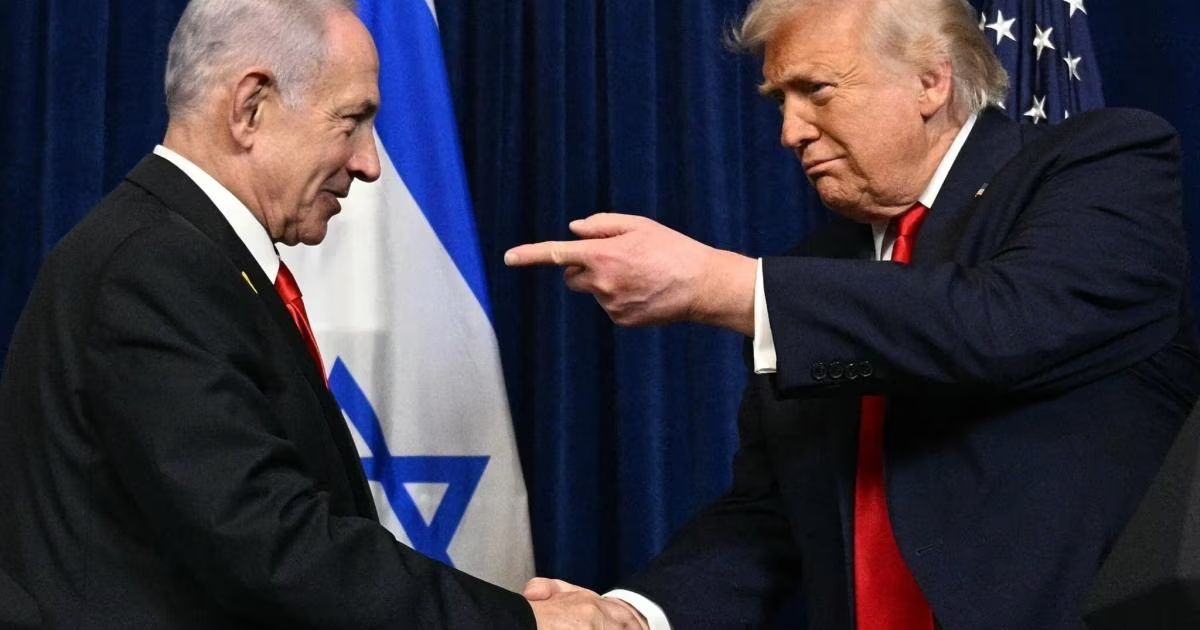
Informed sources reported that US President Donald Trump and Israeli Prime Minister Benjamin Netanyahu reached common understandings during their recent meeting in Washington, which stipulate intensifying economic and political pressures on Iran. This approach comes in conjunction with ongoing negotiation rounds, in an attempt to impose a new reality that forces Tehran to make fundamental concessions.
Media reports stated that the two sides agreed to activate the 'maximum pressure' policy with full force, with the aim of pushing Iran to finally abandon its nuclear ambitions. A US official confirmed that the administration is dealing with the Iranian side with complete realism, stressing that the ball is now in Tehran's court, and that no agreement that does not guarantee real and strict conditions will be accepted.
During the meeting, an in-depth discussion took place regarding the possibilities of reaching a new nuclear agreement, with Netanyahu expressing great skepticism about Tehran's intentions. The Israeli Prime Minister was quoted as telling Trump that concluding an agreement with the Iranian regime is impossible, considering that Tehran will not respect any commitments it signs, which reflects the gap in assessing diplomatic feasibility.
In contrast, President Trump expressed cautious optimism about the possibility of reaching a settlement, indicating his desire to give the diplomatic path one last chance to consider the results. Trump clarified that he would closely monitor developments before making final decisions regarding the nature of the future relationship with the Iranian nuclear file and its regional implications.
For their part, the US President's envoys, Steve Witkoff and Jared Kushner, who attended the meeting, stated that historical experiences make reaching an agreement extremely complex. However, they indicated that the negotiations are making relative progress, awaiting the Iranian response to the American demands that will be presented to Trump for decision.
Estimates in Tel Aviv indicate that Washington may move in the next phase to impose severe economic sanctions targeting countries that continue their commercial dealings with Tehran. This political path is accompanied by strengthening the American military buildup in the region, including sending additional aircraft carriers as a clear deterrent message.
Media sources attribute Trump's change in tone towards hinting at regime change and setting a final deadline for negotiations ending next month, to Netanyahu's direct influence on shaping the American position. Political circles are awaiting Senator Lindsey Graham's visit to Israel, where Tel Aviv seeks to leverage his influence to reinforce hardline approaches against Tehran.
On another note, concern prevails in Israeli circles about the convening of the 'Peace Council' in Washington in mid-February, with the participation of high-level Qatari and Turkish figures. Israel fears that these meetings may affect Trump's vision and present a different narrative to the Israeli position regarding Iranian threats in the region.
On the ground and politically, the parties are preparing for the second round of US-Iranian negotiations in Geneva next week, amid Tehran's insistence on its right to enrich uranium. These talks are taking place in an atmosphere charged with military movements and escalating political pressures aimed at shaping the features of the next phase in the Middle East.
It is impossible to conclude an agreement with Iran, and even if you sign an agreement with it, it will not respect it.
PALESTINE
Sun 15 Feb 2026 8:08 am - Jerusalem Time
Palestinian-Turkish agreement to supply Gaza Strip with 20,000 mobile housing units

Dr. Ali Shaath announced reaching a strategic agreement with Turkish Foreign Minister Hakan Fidan, aimed at addressing the escalating housing crisis in the Gaza Strip resulting from widespread destruction. The agreement stipulates providing the Palestinian National Committee for Gaza Management with approximately twenty thousand mobile housing units 'caravans' as a first batch within a massive relief project. This step seeks to provide dignified housing alternatives for thousands of families who lost their homes during previous periods, helping to restore social stability in the most affected areas.
Shaath clarified that the understandings with the Turkish side have moved beyond the theoretical framework and effectively entered the implementation phase, with specialized teams beginning to complete all necessary logistical arrangements. These arrangements include preparing a sea bridge to transport these housing units from Turkish ports towards the region, with a focus on accelerating the shipping pace to ensure an urgent response to the pressing needs of displaced persons before humanitarian crises related to weather conditions worsen.
In a related context, the established plan includes securing safe and organized entry routes for these housing units into the Gaza Strip through coordination with relevant international parties. These efforts aim to ensure that housing aid reaches the most needy groups directly, according to field survey lists conducted by the competent authorities. These movements reflect the National Committee's ability to manage complex service and humanitarian files with high efficiency in cooperation with regional partners.
It is worth noting that this project represents a link in a series of efforts aimed at restoring life to the affected areas in the Strip and alleviating the burden of forced displacement. This batch is expected to be followed by other steps to strengthen temporary and permanent infrastructure, amidst ongoing discussions with multiple international parties to contribute to the reconstruction file. Through this agreement, the Turkish side affirms its continued humanitarian support for the Palestinian people in facing current challenges.
Discussions with the Turkish side have effectively moved to the implementation phase to secure dignified shelter for thousands of families.
ISRAELI AFFAIRS
Sun 15 Feb 2026 8:07 am - Jerusalem Time
Broadcasting Authority: Trump's attack on Herzog may hinder efforts to pardon Netanyahu
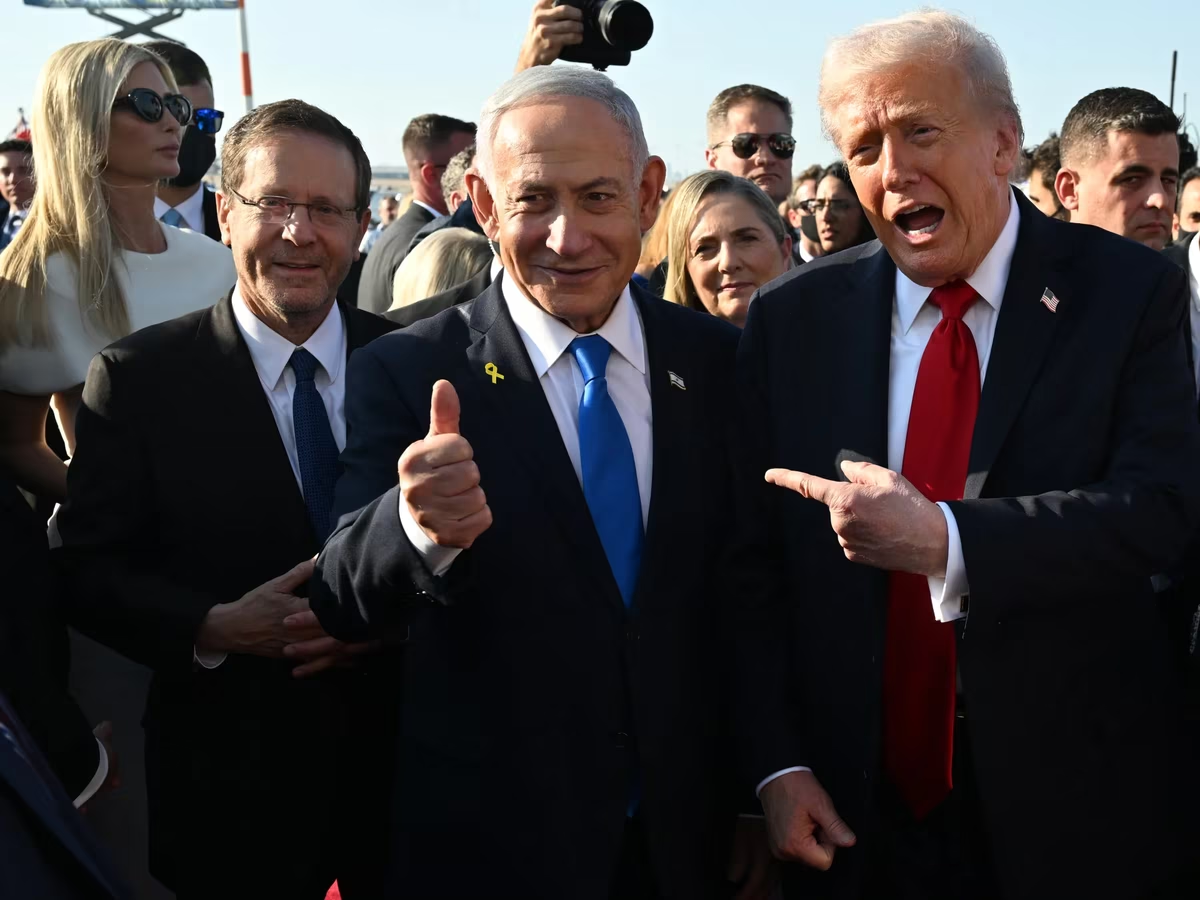
Official media sources reported today, Saturday, that the public attack launched by US President Donald Trump on his Israeli counterpart Isaac Herzog may cast a negative shadow on Benjamin Netanyahu's presidential pardon file. The sources explained that these public pressures may reduce the chances of the prime minister obtaining a legal exit from his ongoing trial, especially in light of the political and legal sensitivities surrounding this thorny issue.
Trump had sharply criticized Herzog after meeting Netanyahu at the White House last Thursday, considering that the Israeli president should be ashamed for not using his powers to grant a pardon to Netanyahu. The latter faces serious charges including fraud, bribery, and breach of trust, at a time when his allies in Washington are pushing to permanently close these judicial files.
For his part, Israeli President Isaac Herzog quickly responded to these statements, confirming that the issue of the pardon is still under careful legal review. Herzog stressed that the final decision will be made based on professional and legal standards, away from any internal pressures or external dictates, in a clear indication of his rejection of direct American interference in judicial sovereignty.
Reports indicate that Trump has moved from secret and written requests to direct public attacks, which may have completely counterproductive results. Observers believe that this approach may push Herzog to demonstrate the independence of the presidency and be strict in the conditions for a pardon, to avoid appearing subservient to American desires before an Israeli society divided on this issue.
According to the analyzes received, Trump's statements are largely consistent with the narrative promoted by Netanyahu and his entourage, which claims that the prosecutions are political targeting. It appears that the US President wanted to provide political support to Netanyahu at a low cost, especially after the latter failed to achieve tangible accomplishments in major regional files such as the Iranian file during his last visit to Washington.
Netanyahu faces charges in three major corruption cases, where the prosecution in Case 1000 accuses him of receiving valuable gifts in exchange for facilities for businessmen. Case 2000 relates to negotiations with a newspaper publisher to obtain positive coverage, while Case 4000 deals with providing facilities to a telecommunications company in exchange for media support, issues that have shaken Israeli society for years.
Netanyahu had submitted an official request to Herzog last November for a pardon, but he stipulated not admitting guilt or retiring from political life. This position represents a major legal obstacle, as Israeli law does not allow the president to grant a pardon unless the accused admits the charges against him, which Netanyahu has completely rejected since the start of his trial.
In addition to internal crises, Netanyahu faces increasing international pressure as he is wanted by the International Criminal Court on charges related to war crimes. Trump's intervention at this time further complicates the diplomatic scene, as this intervention is seen as a precedent in normalizing blatant American interference in internal judicial affairs, which may strain institutional relations between Tel Aviv and Washington.
Herzog should be ashamed of himself for not granting a pardon to Netanyahu, who is on trial for fraud and bribery.
PALESTINE
Sun 15 Feb 2026 8:07 am - Jerusalem Time
International demands to activate the second phase of the Gaza war ceasefire and recognize the Palestinian state

Sigrid Kaag, a member of the Executive Council stemming from the Gaza Peace Council, stressed the urgent need to immediately implement the second phase of the ceasefire agreement in the Strip. Kaag explained during her participation in a dialogue session at the Munich Security Conference that the success of this step primarily depends on the availability of international political will and the necessary pressure to ensure adherence to the agreed-upon provisions.
The international official warned of the catastrophic consequences of the continued cycles of armed conflict, for which innocent civilians in Gaza are increasingly paying the price. She indicated that the international community is called upon to act seriously to end this humanitarian suffering, considering that the collective failure to protect the most vulnerable groups necessitates a radical transformation in the mechanisms for dealing with the Palestinian issue.
Regarding thorny issues, Kaag called for caution in dealing with the clause on disarming the Hamas movement, describing it as the most complex clause in the second phase of the agreement. She justified this position by linking weapons to people's dignity and lives in the current circumstances, emphasizing that the implementation of this clause must be subject to the discretion of the Executive Council members to ensure its application at the appropriate time, away from the desires of the conflicting parties only.
Kaag affirmed that the establishment of an independent Palestinian state is an inherent right guaranteed by international law and UN resolutions, and not a grant or 'prize' offered in exchange for certain political behaviors. She categorically rejected using this right as a tool for intimidation or as a 'carrot' in the negotiation process, calling for empowering Palestinians to lead their political path themselves to build a sustainable state away from guardianship or conditions.
For his part, Saudi Foreign Minister Prince Faisal bin Farhan outlined a roadmap for the next phase, starting with an immediate ceasefire and ensuring the stability of the Strip. Bin Farhan stressed that the top priority lies in launching comprehensive reconstruction operations, to be a starting point for a clear and irreversible political path that guarantees the right of the Palestinian people to self-determination and the establishment of their state.
The Saudi minister explained that sustainable peace in the Middle East will only be achieved through the establishment of an independent Palestinian state. He pointed to a growing international conviction that peaceful coexistence requires respect for the national and political rights of Palestinians, affirming the Kingdom's support for the '20-point plan' aimed at ending the conflict and achieving regional stability.
In a related context, Norwegian Foreign Minister Espen Barth Eide revealed diplomatic moves led by his country in coordination with Saudi Arabia and Arab and European parties to recognize the Palestinian state. Eide explained that this approach aims to recognize Palestine without waiting for the final results of the stalled negotiations, in order to break the political stalemate and ensure that the current war does not end without a comprehensive solution.
The Norwegian minister strongly criticized reliance on bilateral negotiations that have proven their failure over the years, especially in light of the continuous obstruction by Benjamin Netanyahu's governments. Eide considered that granting Israel veto power over Palestinian rights has become a major obstacle to peace, which necessitates proactive international action to impose a new political reality that ends the historical conflict.
Establishing a Palestinian state is a right for Palestinians, not a prize granted in exchange for certain behavior, and it should not be used as a tool for intimidation in negotiations.
ISRAELI AFFAIRS
Sun 15 Feb 2026 8:07 am - Jerusalem Time
Official Data Reveals: Over 50,000 Soldiers in the Occupation Army Hold Foreign Nationalities
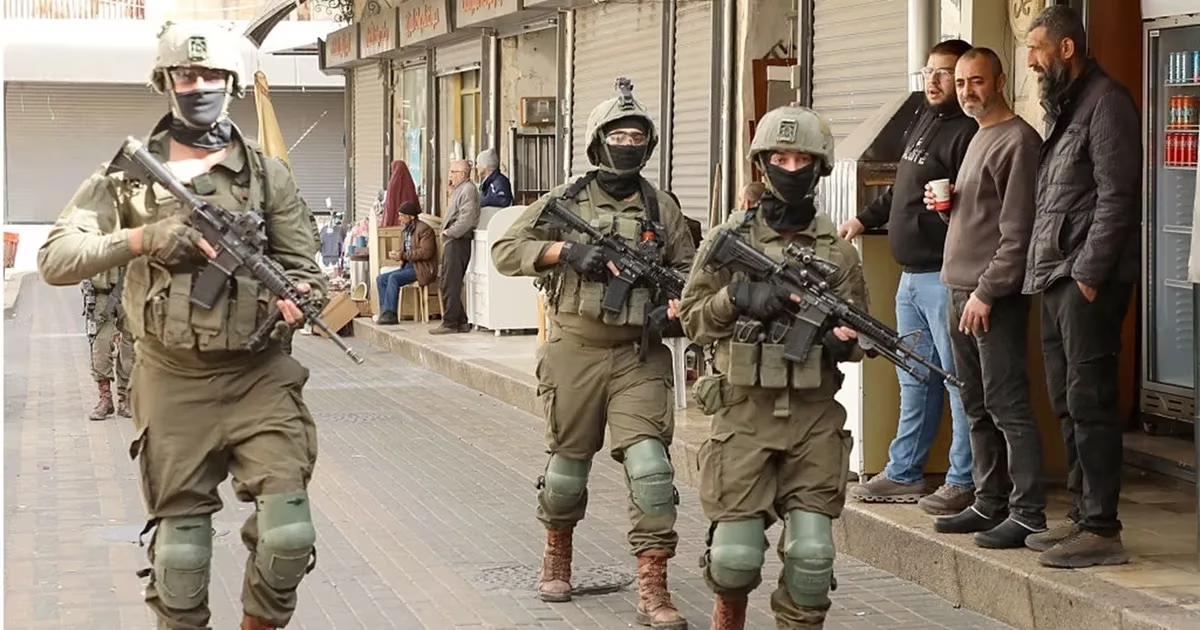
Recent official data, revealed by Hebrew media sources on Saturday, showed that approximately 50,632 soldiers in the Israeli occupation army hold at least one foreign nationality in addition to their Israeli nationality. This revelation came based on data provided by the army in response to a request submitted by the 'Hatzlacha' association, which specializes in transparency and freedom of information, highlighting the extent of international overlap in the human composition of the military establishment.
The American nationality topped the list of foreign nationalities within the army by a wide margin, with 12,135 soldiers holding it, followed in second place by French nationality with 6,127 individuals. Russian nationality came in third with 5,067 soldiers, reflecting the diversity of origins and backgrounds from which fighters in various military units of the occupation hail.
The announced list also included large numbers of European nationality holders, with more than 3,000 soldiers holding German nationality, and a similar number holding Ukrainian nationality. Statistics also recorded the presence of more than a thousand soldiers for each of the British, Romanian, Polish, Canadian, and Ethiopian nationalities, while the remaining numbers were distributed among various international nationalities around the world.
In a striking detail regarding the multiplicity of legal loyalties, the data indicated that 4,440 soldiers hold two additional foreign nationalities, while 162 soldiers possess three foreign nationalities in addition to Israeli. Sources clarified that this information, requested in March 2025, represents the first time such precise details have been disclosed, despite the army's refusal to clarify the distribution of these soldiers between regular forces and reserve forces.
These figures come at a time when military estimates indicate that the regular army strength is about 170,000 soldiers, while the reserve system includes between 400,000 and 460,000 personnel. These statistics raise questions about the commitments of these soldiers to their home countries, especially in light of potential international legal prosecutions against foreign nationals participating in military operations.
This is the first time the army has revealed in detail the distribution of foreign nationalities among its personnel.
PALESTINE
Sun 15 Feb 2026 8:07 am - Jerusalem Time
Gaza Management Committee Conditions Its Success on Full Powers, Hamas Expresses Readiness to Hand Over

The head of the National Committee for the Management of the Gaza Strip, Ali Shaath, linked the committee's ability to carry out its tasks and responsibilities to the necessity of granting it comprehensive and undiminished administrative and civil powers. Shaath affirmed that the committee cannot perform its work efficiently and with full independence without real empowerment on the ground, emphasizing that this path is the only guarantee for achieving the desired goals in the difficult transitional phase the Strip is undergoing.
Shaath considered in his statements that this empowerment represents the main gateway to opening horizons for serious international support for the extensive reconstruction operations needed by the afflicted Strip. He also indicated that the presence of an empowered administrative authority would create suitable conditions for the complete withdrawal of Israeli occupation forces, paving the way for the restoration of normal daily life for the residents who have suffered from the ravages of war and siege.
Regarding the political references the committee will rely on, Shaath clarified the importance of aligning upcoming moves with international frameworks and proposed plans, including US President Donald Trump's twenty-point plan. He also stressed the necessity of adhering to UN Security Council Resolution 2803, to ensure legal and international cover that supports the committee's legitimacy and facilitates its dealings with external parties and donors.
For its part, the Hamas movement responded quickly to these proposals, with movement leader Basem Naim affirming full commitment to facilitating the national committee's tasks and ensuring its success in all areas of the Strip. Naim announced the movement's immediate readiness to hand over all governmental and civil institutions and bodies to the committee, in a step aimed at unifying administrative authority and alleviating the living burdens on citizens in Gaza.
The head of the committee described the statements issued from within the Strip regarding the readiness to hand over institutions as a positive and pivotal step in halting the accelerating humanitarian deterioration. He explained that joint coordination to ensure the unimpeded flow of humanitarian aid is the top priority at present, in parallel with developing executive plans to begin restoring infrastructure and vital facilities that have been extensively damaged.
In conclusion of his statements, Shaath issued an urgent appeal to international mediators and all concerned parties for the necessity of swift action to address outstanding issues and overcome obstacles that may hinder the committee's work. He affirmed that the humanitarian reality in Gaza can no longer tolerate any procrastination or delay, indicating that the committee will work with the highest standards of transparency and accountability to ensure rights reach their owners and achieve the desired stability.
The Palestinian people cannot tolerate further delay, and we are committed to performing the mission with a spirit of responsibility and the highest degrees of transparency and accountability.
PALESTINE
Sat 14 Feb 2026 3:15 pm - Jerusalem Time
National Committee for Gaza Administration Welcomes Readiness of Forces to Hand Over Public Institutions

The National Committee for the Administration of the Gaza Strip expressed its great welcome of the statements and positions issued from within the Strip, which showed full readiness to hand over all public institutions and facilities to the committee. The committee affirmed in an official statement that this step directly serves the interests of the Palestinian citizen and contributes to creating an atmosphere that enables it to exercise its administrative responsibilities during the upcoming phase.
Informed sources indicated that Hamas and the rest of the Palestinian forces have shown tangible openness towards the committee's work, expressing their readiness to facilitate a smooth and organized transfer of tasks. Observers believe that this consensus paves the way for the committee to play its full role in managing the transitional phase that the Strip is undergoing, ensuring the continuity of essential services for the residents.
The committee considered that the announcement of readiness for the transfer of administrative authorities represents a pivotal station in the course of its work as a transitional administration, and provides a real opportunity to halt the escalating humanitarian deterioration. It stressed that preserving the steadfastness of citizens who have faced severe suffering throughout the past period is at the core of its priorities during the current and future phases.
In a related context, the committee clarified that it cannot effectively and efficiently carry out its tasks unless it is granted full administrative and civil powers, in addition to the necessary police powers to maintain security and order. It affirmed that these requirements are essential to ensure the implementation of its plans aimed at rehabilitating vital facilities and providing public services without bureaucratic or security obstacles.
It is worth noting that the National Committee for the Administration of the Gaza Strip was formed last January as an independent technocratic body comprising 15 members of Palestinian competencies, headed by Ali Shaath. Its establishment came in response to UN Security Council Resolution 2803, and within the framework of the 20-point plan proposed by the US administration to end the conflict and begin reconstruction operations.
The committee operates under the direct supervision of the Peace Council, chaired by the United States, and with follow-up from High Representative Nikolay Mladenov to ensure the implementation of international commitments. The plan aims for the committee to take over the daily and civil affairs, including the health, education, and municipal sectors, and the distribution of humanitarian aid, leading to a comprehensive reconstruction phase.
These transitional arrangements seek to pave the way for the return of a unified Palestinian authority to manage the affairs of the West Bank and Gaza Strip under one umbrella. International and local parties hope that the committee will succeed in overcoming the current challenges and transforming these understandings into a tangible reality that ends the suffering of the Strip's residents and establishes a new phase of stability and development.
The announcement of readiness for an organized transition represents a pivotal station for us to begin exercising our duties as the transitional administration of the Strip, and a real opportunity to halt the humanitarian deterioration.