






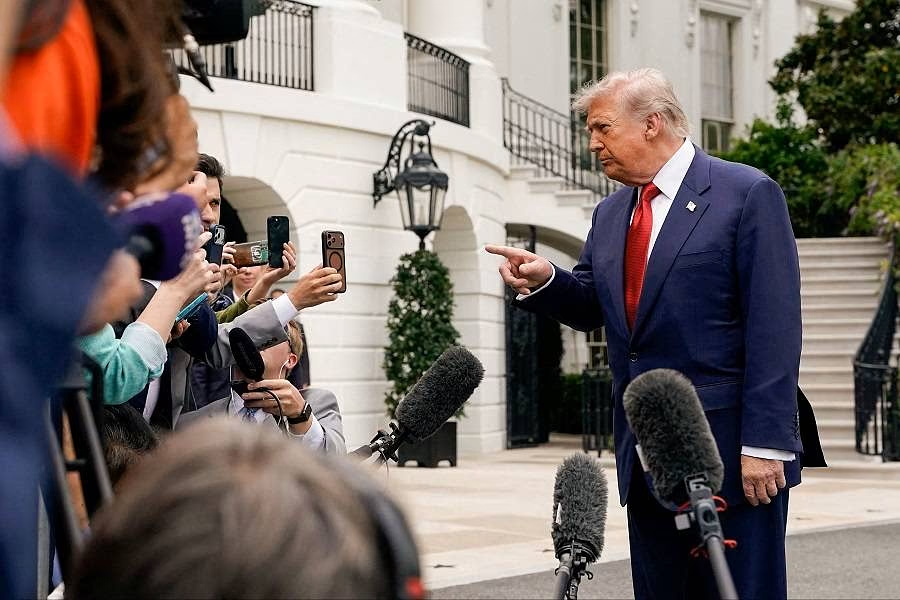
The fragile Memorandum of Understanding between the United States and Iran has entered a dark tunnel, with de-escalation efforts now in jeopardy following renewed hostilities and mutual accusations of reneging on commitments. US President Donald Trump explicitly announced the end of the preliminary ceasefire agreement, stating that Tehran does not respect the understandings reached recently.
Tensions escalated with hints from the US administration about the possibility of imposing military control over the Strait of Hormuz, the most important waterway for global energy trade. This escalation puts an end to short-term hopes that emerged with the signing of a 14-point Memorandum of Understanding last month, which aimed to stop the war and open maritime passages.
For its part, Tehran quickly blamed Washington for the crisis, with Iranian Foreign Ministry spokesman Ismail Baqaei accusing the United States of pushing the agreement to the brink through continuous violations. Iran believes that recent American moves represent a retreat from promises made during indirect negotiation rounds sponsored by regional parties.
The Strait of Hormuz stands out as a focal point for both field and legal conflict, as Tehran interprets the terms of the memorandum as an acknowledgment of its right to fully manage the waterway. In contrast, Washington completely rejects this interpretation, asserting that the agreement obliges Iran to facilitate the safe passage of commercial vessels without imposing any restrictions or fees.
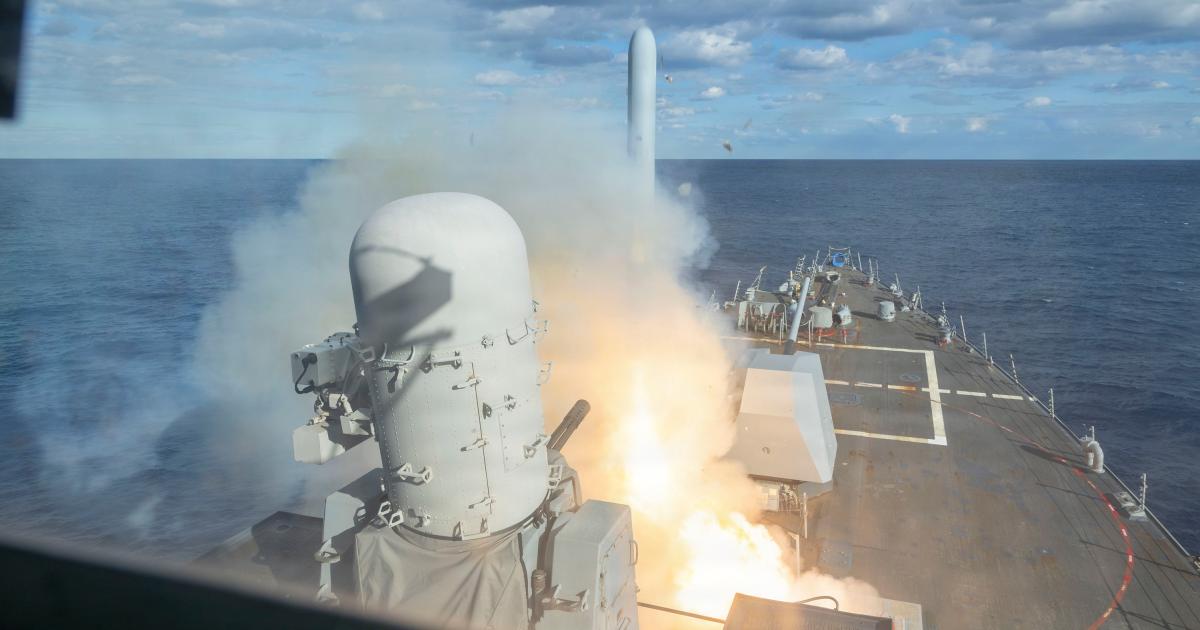
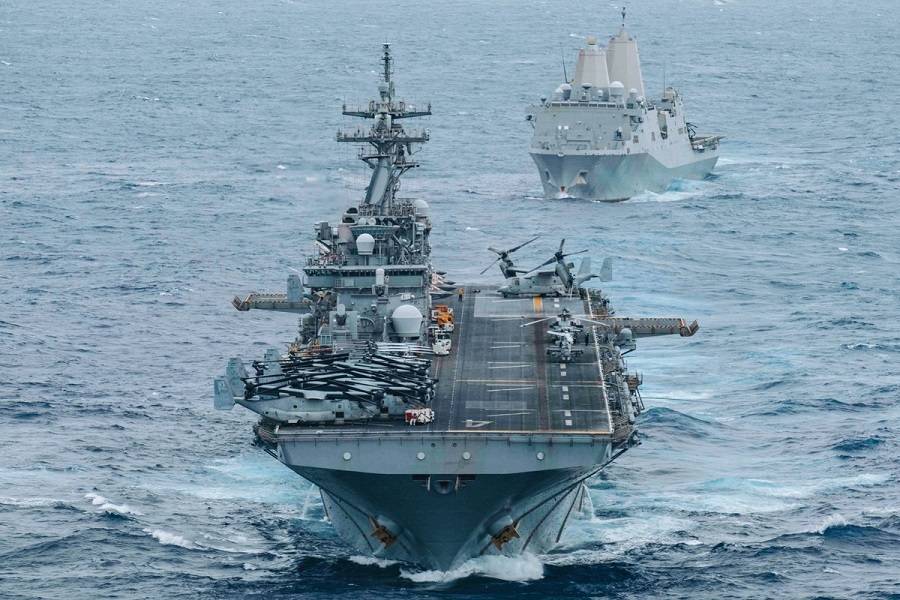
The field witnessed a practical translation of this dispute, as Iranian forces fired on commercial ships, claiming they deviated from approved routes, leading to the renewed closure of the strait. The US Navy responded by confirming that the southern shipping lanes remain open, warning against any attempts to disrupt the flow of global oil and gas.
The economic crisis returned to the forefront after Washington's decision on July 7 to cancel Iranian crude export licenses, which Tehran considered a fatal blow to Article 10 of the agreement. The memorandum had promised broad exemptions, including banking and insurance services, as a lifeline for the Iranian economy, which has been exhausted by long-standing sanctions.
The frozen assets file further complicated the scene, especially concerning six billion dollars held in Qatari accounts. While Tehran insists on its absolute right to dispose of these funds, US Vice President J.D. Vance announced that Washington and Doha would oversee their expenditure to ensure they are used only for humanitarian goods.
Regionally, Iran linked the stability of the agreement to the situation in Lebanon, with Iranian Parliament Speaker Mohammad Bagher Ghalibaf considering Israeli military operations in southern Lebanon a violation of the spirit of the understandings. Tehran believes that the ceasefire must be comprehensive to include the fronts where its allies have been engaged since last March.
Pakistani mediation is striving to defuse the explosion, with Islamabad issuing urgent appeals to both parties to return to the negotiating table and fulfill their signed commitments. However, the absence of direct communication channels and mutual distrust make the mediators' task almost impossible at present.
Political analysts pointed out that the ambiguity surrounding the drafting of the Memorandum of Understanding was a major reason for its rapid collapse, as thorny issues such as the nuclear program were left for later stages. This interpretive vacuum allowed each party to adopt a narrative that served its political and field interests at the expense of regional stability.
The Carnegie Endowment for International Peace believes that the memorandum is facing an existential crisis that requires an urgent secondary agreement to restore order. Experts affirmed that the fragility of the agreement reflects the depth of fundamental differences that previous meetings failed to address, making the region vulnerable to a new wave of military escalation.
History repeats itself in the eyes of observers, as the current situation recalls Trump's previous withdrawal from the nuclear deal in 2015, reinforcing Iranian suspicions towards any American promises. This legacy of distrust casts a shadow over any future attempt to build a sustainable security framework in the Gulf region.
Amidst these developments, the fate of international navigation in the Strait of Hormuz remains suspended between Iranian threats of closure and American vows of military control. This waterway, through which a fifth of global energy supplies pass, represents the fulcrum in any potential confrontation that could transcend the boundaries of political conflict into a direct clash.
In conclusion, it appears that the sixty-day deadline set by the memorandum for reaching a final agreement will pass without any significant diplomatic breakthrough. With no specific dates for new negotiation rounds, attention is turning to the field, which is now dictating the pace of stalled politics.
Trump: The preliminary agreement is over because Iranian officials are not adhering to what they negotiated, and we will control the Strait of Hormuz.
Share your opinion
Imminent Collapse of Washington-Tehran Memorandum of Understanding: The Struggle for Control of Hormuz Revives the Specter of War