






The conflict between the United States and Iran has entered a new phase characterized by a Cold War dynamic since last April's truce, with the Strait of Hormuz becoming a primary arena for undeclared strategic movements. These developments come amid both parties' efforts to exert mutual pressure in complex negotiation tracks concerning navigation security and energy flows.
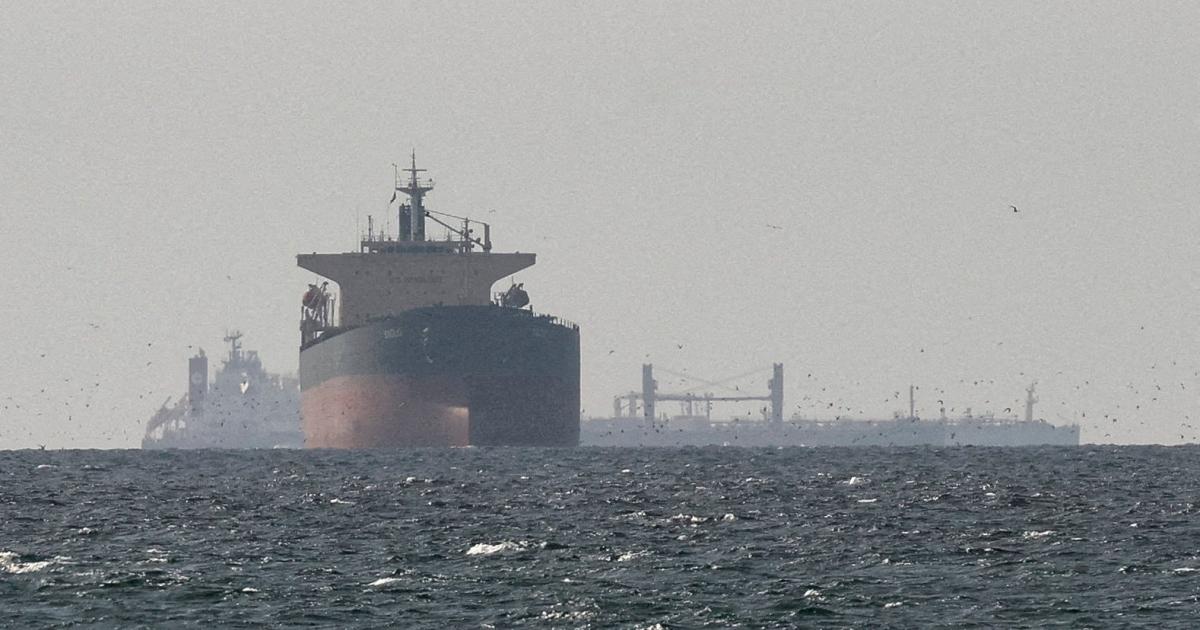
Investigative data revealed Washington's execution of an operation dubbed the "Covert Passage," aimed at securing alternative routes for oil tankers away from strict Iranian oversight. US President Donald Trump announced that this secret mission successfully helped approximately 200 vessels, carrying nearly 100 million barrels of oil, safely cross the Strait.
Timely data indicates that the operation effectively began in early May, coinciding with the suspension of what is known as the Freedom Project. US officials later confirmed in statements that their forces successfully moved dozens of ships out of the sensitive area within a few weeks without causing media uproar or direct confrontation.
Investigations relied on tracking maritime traffic through open sources, where MarineTraffic data showed an unusual pattern in tanker movements. This pattern involved ships disappearing from international tracking radars upon entering the Strait, before reappearing in the waters of the Gulf of Oman.
Intensive naval activities were concentrated in two strategic areas: off the coast of Fujairah port in the UAE and near Sohar port in Oman. Sources reported that these locations became safe gathering points for reorganizing maritime convoys and offloading cargo away from direct threats in the heart of the Strait.
Sentinel satellite images reinforced these hypotheses, showing large gatherings of ships on specific dates in June. These images suggest that the ships were undergoing precise protection and guidance operations by US forces deployed in the region to secure navigation lanes.
The tactics used in the operation included disabling Automatic Identification Systems (AIS), a technical means that prevents accurate tracking of a ship's path. The forces overseeing the operation also resorted to conducting ship-to-ship oil transfers at sea to distribute logistical risks and facilitate passage.
Specific tanker names such as G Dream and Atokos appeared on lists that experienced disruptions in navigation broadcast signals during the first week of June. Experts believe that this signal manipulation was part of a deception plan aimed at confusing the naval operations rooms of the Iranian Revolutionary Guard.
The operation was not without field military tensions, as a US Apache helicopter was reportedly targeted by an Iranian drone near the Omani coast. Observers believe this incident represents the peak of escalation linked to Tehran's attempts to thwart US bypass operations of its naval influence.
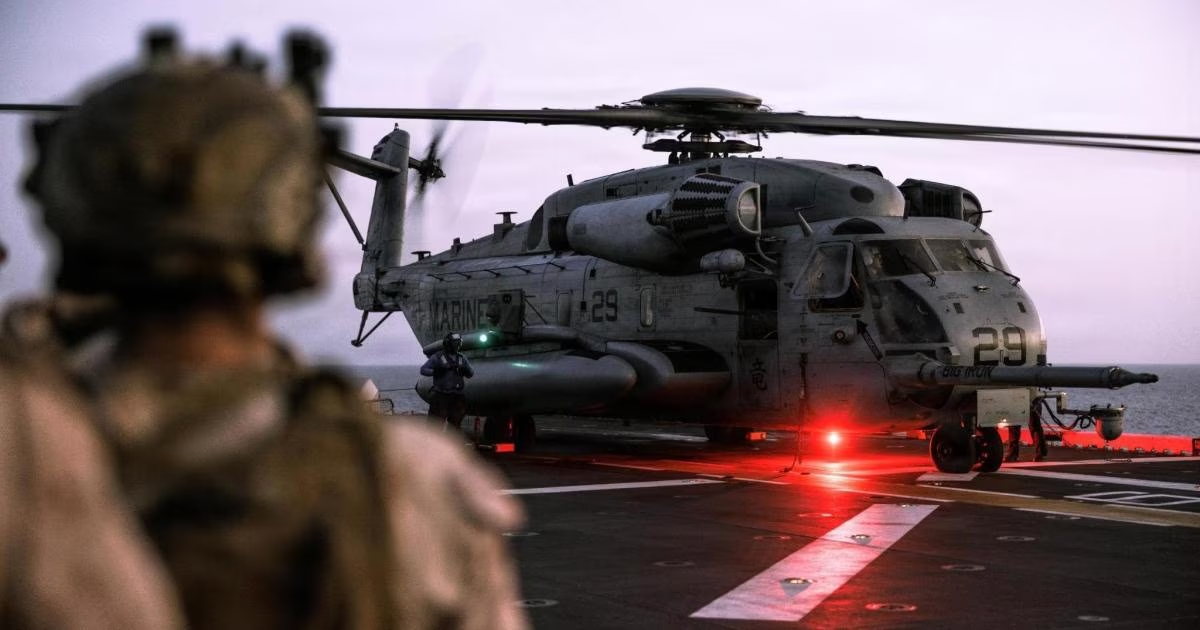
Washington used a combination of drones and attack helicopters in this mission to provide continuous air cover over the tanker routes. This military coordination helped create relatively safe corridors, despite the high risks involved in navigation in one of the world's most tense regions.
Technical reports documented nine ship-to-ship cargo transfers in one day near the coast of Sohar, indicating the enormous logistical effort. These operations continued at an escalating pace throughout June, with intensified activity in locations considered outside direct Iranian control.
The tactics employed by US forces in this operation resemble methods typically used by shadow fleets to circumvent international sanctions. However, the difference here lies in the objective: securing global trade and ensuring the flow of oil to international markets amid threats of closure or detention.
Satellite images taken in late June showed continued cargo transfer activity in the Fujairah and Sohar areas, confirming the permanence of this alternative route. It appears that the United States has decided to adopt this approach as a long-term strategy for dealing with security challenges in the Strait of Hormuz.
In conclusion, the Covert Passage operation reflects the complexity of the naval conflict between Washington and Tehran, where navigational technology intertwined with military power. This mission remains a testament to the shifting balance of power in the region and the increasing reliance on secret operations to secure major economic interests.
US forces carried out a secret mission to help stranded ships bypass Iranian control in the Strait of Hormuz and enable them to cross safely.

Share your opinion
Behind the Scenes of the Covert Passage: How Washington Managed Oil Transit in the Strait of Hormuz?