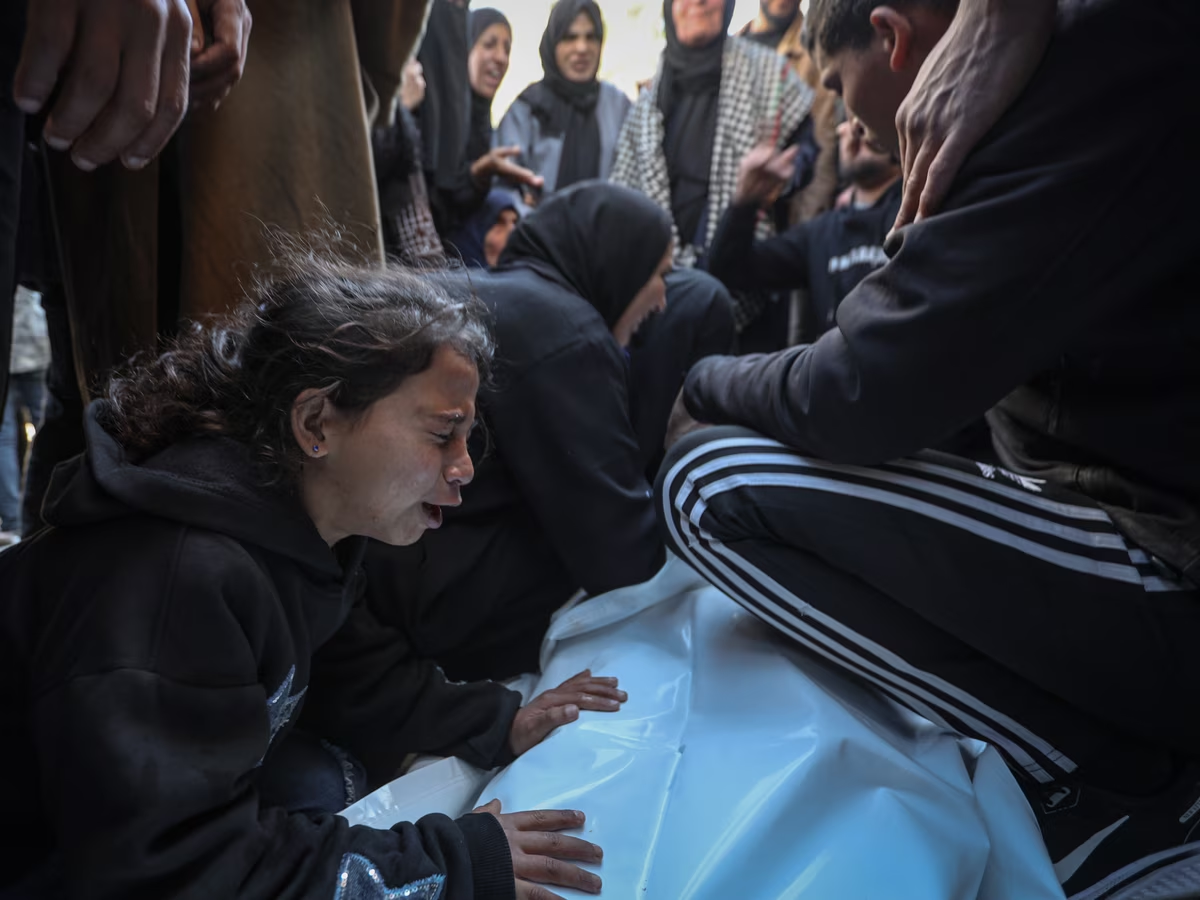







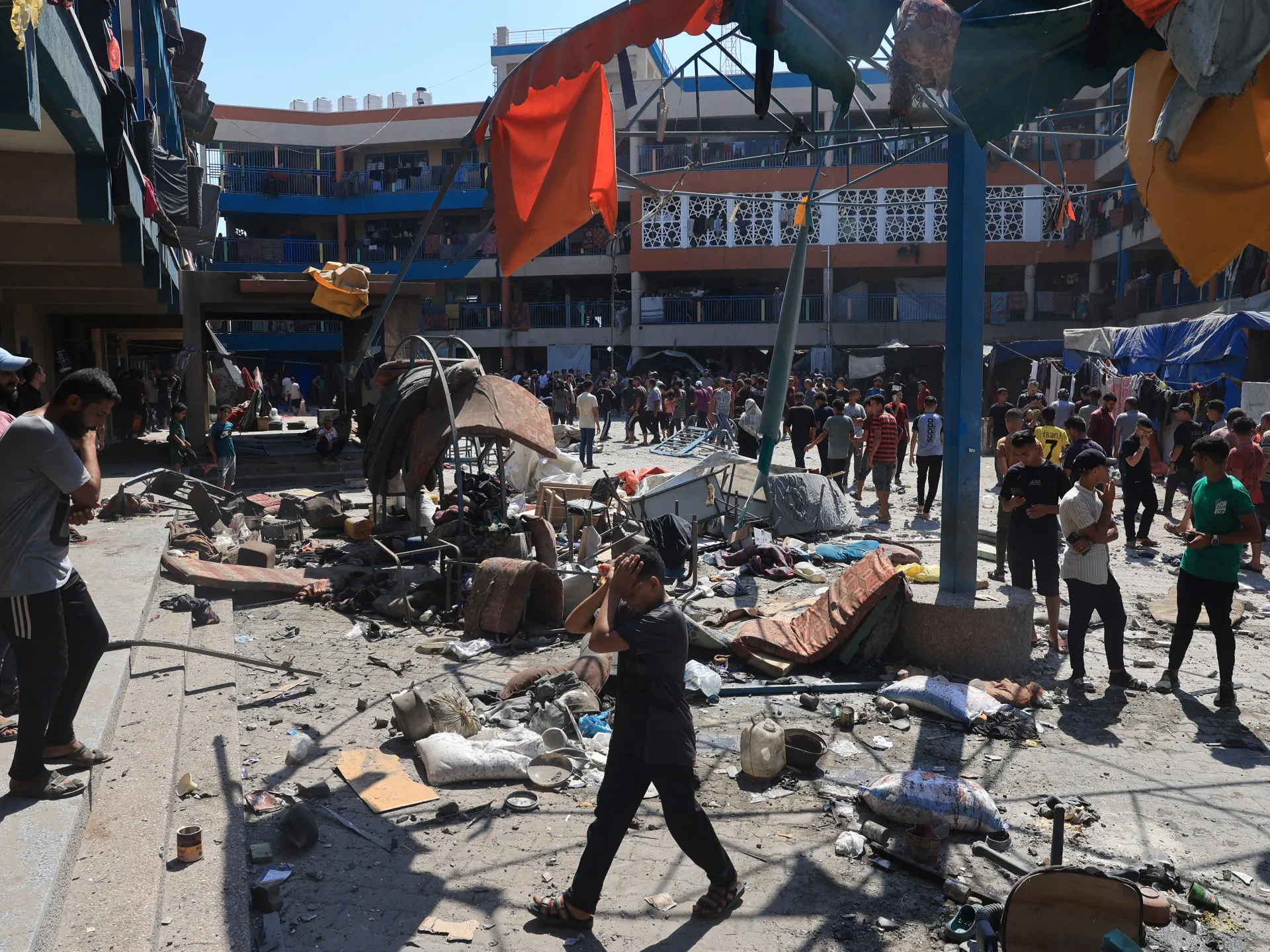
The residents of the Gaza Strip commemorate the passage of a thousand days since one of the most violent bombing and destruction campaigns witnessed in modern history, as this period has turned into a daily narrative of pain and loss. The Strip, with an area of 365 square kilometers, has been subjected to intense military operations in which the occupation army used a deadly arsenal of weapons, leading to the almost complete destruction of infrastructure.
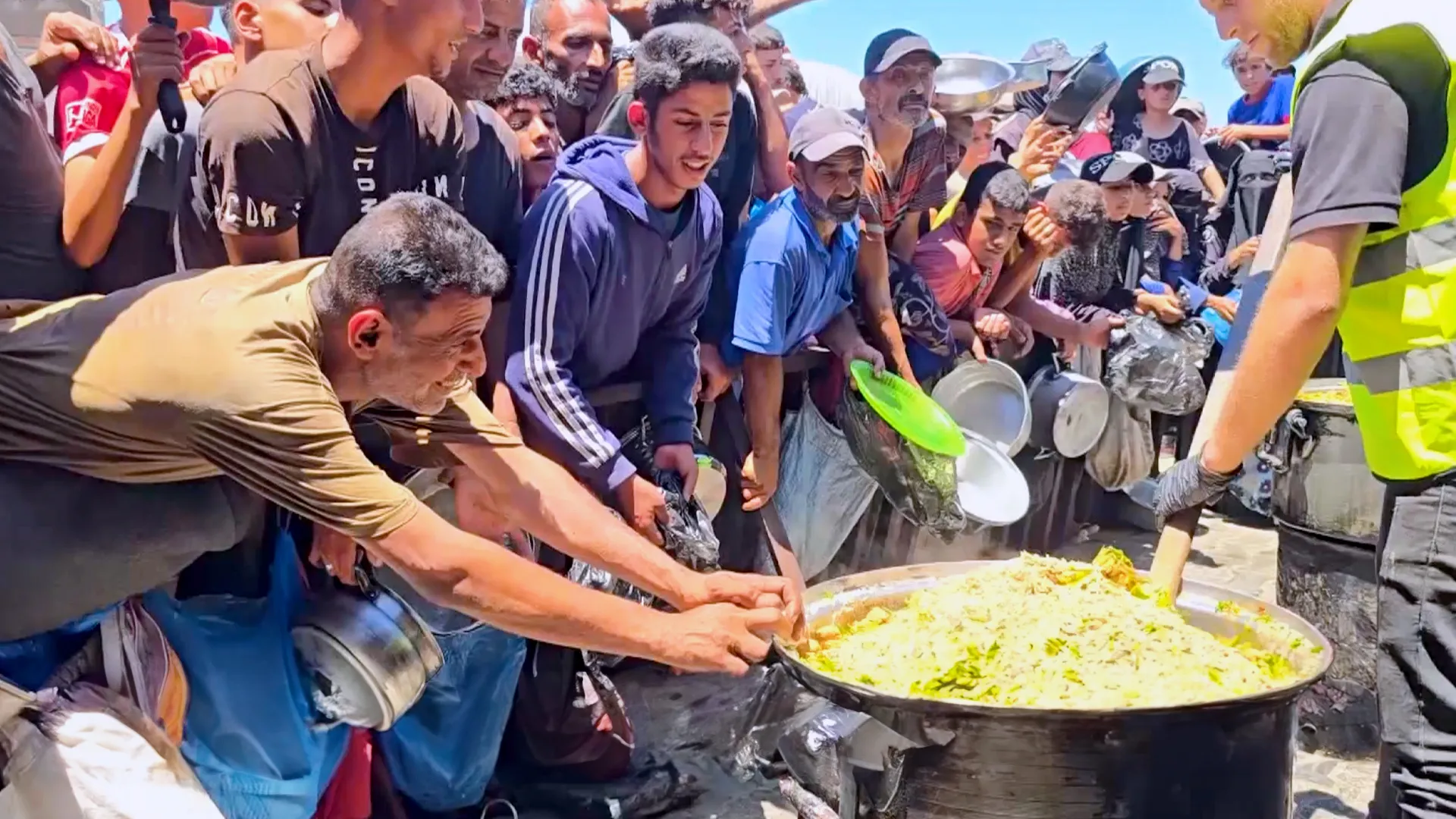
Gaza residents described these days as 'heavy as mountains,' where numbers are no longer just silent statistics, but have turned into living stories of displacement, hunger, and deprivation. This phase has reshaped the details of daily life for more than two million Palestinians, pushing them to harsh limits of resilience and brokenness simultaneously under the weight of the continuous siege.
On social media platforms, Palestinian accounts were flooded with a torrent of posts documenting this heavy phase, with comments ranging from shock to anger at the continued international silence. Many resorted to narrating their harsh daily lives under bombardment, in an attempt to document the crimes committed against them and ensure that the victims who perished during these long days are not forgotten.
Writer and political analyst Mustafa Ibrahim affirmed that the passage of a thousand days of the war of genocide reflects the continuation of systematic killing without any deterrent international action. Ibrahim pointed out that suffering has turned into a heavy daily routine, in light of an almost complete absence of personal and collective security for all residents of the besieged Strip.
For his part, activist Ahmed Hamdan considered that this period was not just fleeting time, but a thousand days of targeting children, women, medical and educational staff. He added that the occupation deliberately destroyed schools, hospitals, and residential neighborhoods, revealing the extent of the humanitarian tragedy experienced by the Strip in full view and hearing of the entire world.
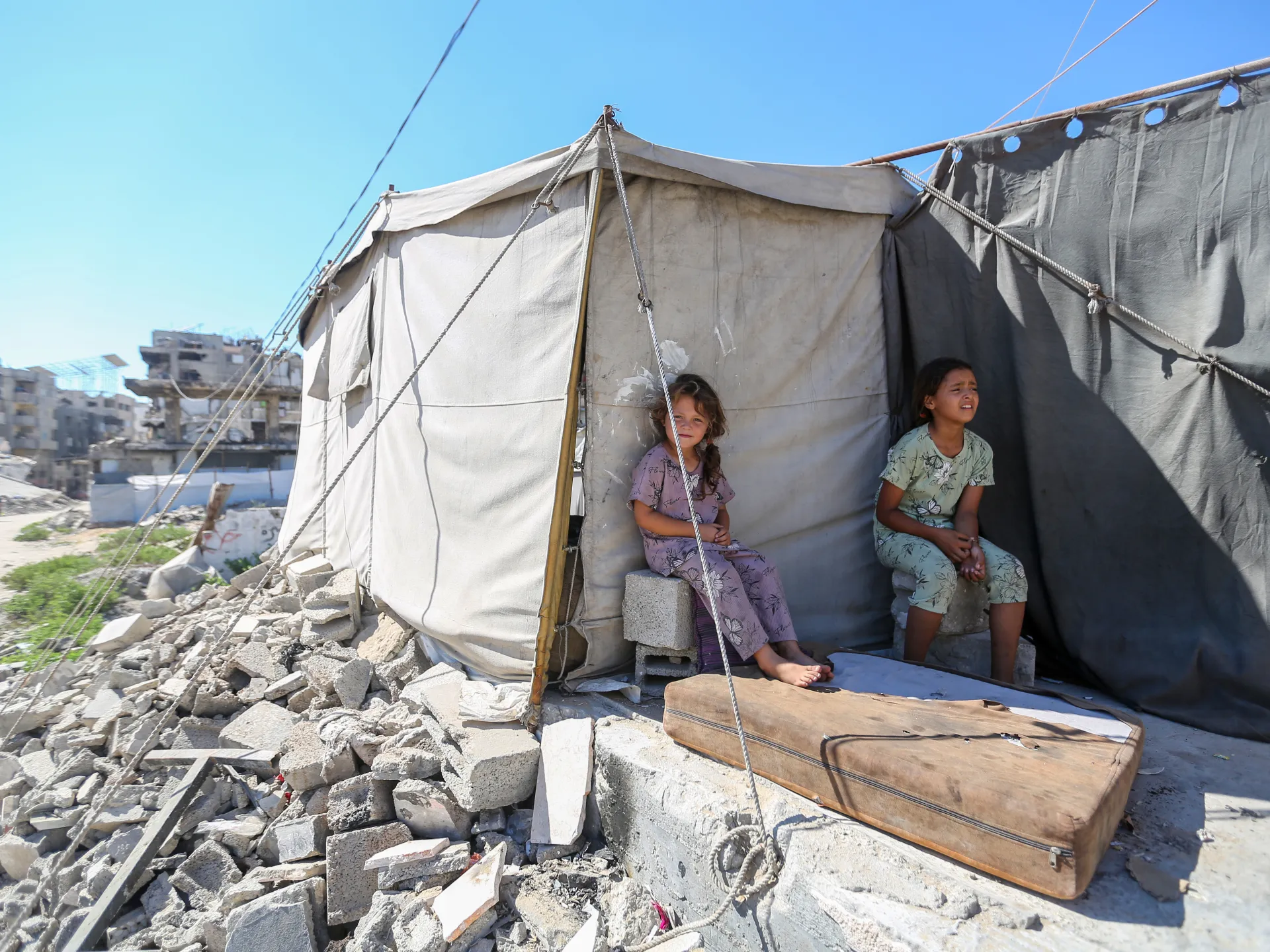
In the same context, activist Mohammed Al-Jabour explained that the past thousand days are an extension of an endless series of thirst and living in dilapidated tents under the weight of repeated displacement. Al-Jabour affirmed that what Gaza is experiencing today represents an unprecedented tragedy in contemporary human history, where civilians face death at every moment.
Journalist Ibrahim Muslim described what is happening as a 'continuous brutal genocide' that is one of the most heinous crimes in modern times, noting that the news has not changed since day one. The scene still boils down to targeting unarmed civilians as they search for a sip of water or a loaf of bread to feed their children among the rubble of homes.
Activist Ibrahim Abu Zour pointed out that the passage of this huge number of days means nothing but the continuation of the crime without any clear horizon for its end or stopping the bleeding. Abu Zour believes that Gaza is still living in the heart of the storm, where bombardment renews and the scope of destruction expands with every new morning that passes over the residents.
Activists spoke about how the number '1000' falls like a stone on the Palestinian memory, summarizing a time of pain unlike any other time humanity has known. They added that seasons passed to the rhythm of bombardment, while winds pass over the rubble to whisper over the bodies of martyrs who perished without anyone in this world paying attention to them.
The scene in Gaza remains open to the same tragedy; renewed displacement and unextinguished fear, where every minute that passed left a broken heart or a demolished home. Homes have turned into rubble and tents into temporary graves, while children grew up to the sounds of warplanes instead of school anthems, and some were martyred before knowing the meaning of life.
Activists stressed that the fundamental question is no longer about when the genocide will stop, but about how the world has become accustomed to seeing these daily scenes without action. They considered that international silence was not just neutrality, but an actual partnership in the crime being committed against a people being annihilated in front of cameras for a thousand days.
Observers believe that Gaza's steadfastness throughout this period will be recorded in history as a moral test in which the international community, which boasts of human rights values, failed. Gaza was not alone because of its weakness, but because the world chose to be weaker than facing the bitter truth, and contented itself with watching while massacres against innocents continued.
Bloggers bitterly wondered if the world truly understands the meaning of spending a thousand days under constant bombardment, hunger, and deprivation of the most basic necessities of life. They added that the days passed as if they were a thousand years of pain, wondering if anyone still hears the moans of children and the cries of mothers in the alleys of the destroyed camps.
In conclusion, local sources confirmed that the continuation of the war throughout this period reveals the extent of complicity and abandonment suffered by the Palestinian people in the Gaza Strip. Despite thousands of victims and massive destruction, it seems that the blood of civilians no longer stirs the global conscience, leaving Gaza to face its fate alone in the face of the killing machine.
A thousand days are not just a period of time, but a thousand days of killing, displacement, hunger, and targeting all elements of life in Gaza.

Share your opinion
A Thousand Days of Genocide.. Gaza Documents the Memory of Blood and Displacement Under the Weight of the Siege