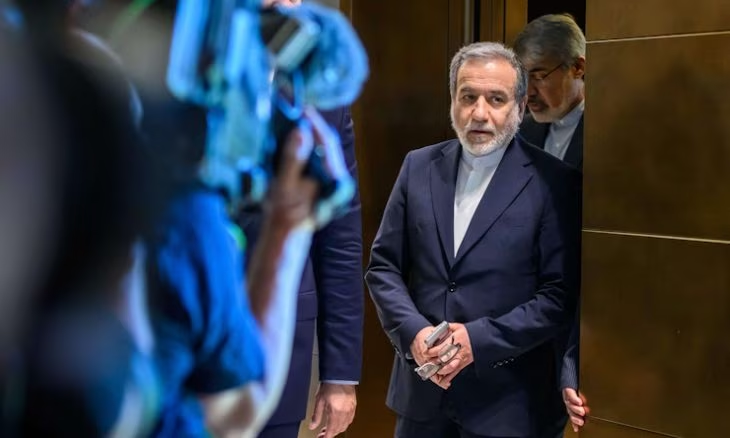







Iranian Foreign Minister, Abbas Araghchi, issued fiery statements via the 'X' platform, affirming that Tehran would not hesitate to respond immediately and strongly to any threat targeting its people or leadership. Araghchi considered that the current US administration is now obliged to rein in its allies in Tel Aviv, describing them as 'pets' that need to be tamed.
The head of Iranian diplomacy warned that any Israeli transgression of American orders would be met with a firm Iranian reaction aimed at 'disciplining them'. These statements come at a time when the region is witnessing escalating tensions, coinciding with intensive diplomatic efforts in the Qatari capital, Doha, to de-escalate.
In a related context, informed sources revealed that a new round of indirect technical talks between Tehran and Washington began in Doha on Tuesday evening. These meetings aim to establish executive mechanisms for the provisions of the memorandum of understanding signed last June to end the conflict in the Middle East.
Sources reported that the current discussions primarily focus on two thorny issues: the release of frozen Iranian assets abroad and the regulation of navigation in the Strait of Hormuz. Technical delegations from both sides are participating in these sessions, which are being conducted through mediators from Qatar and Pakistan to ensure no direct friction occurs.
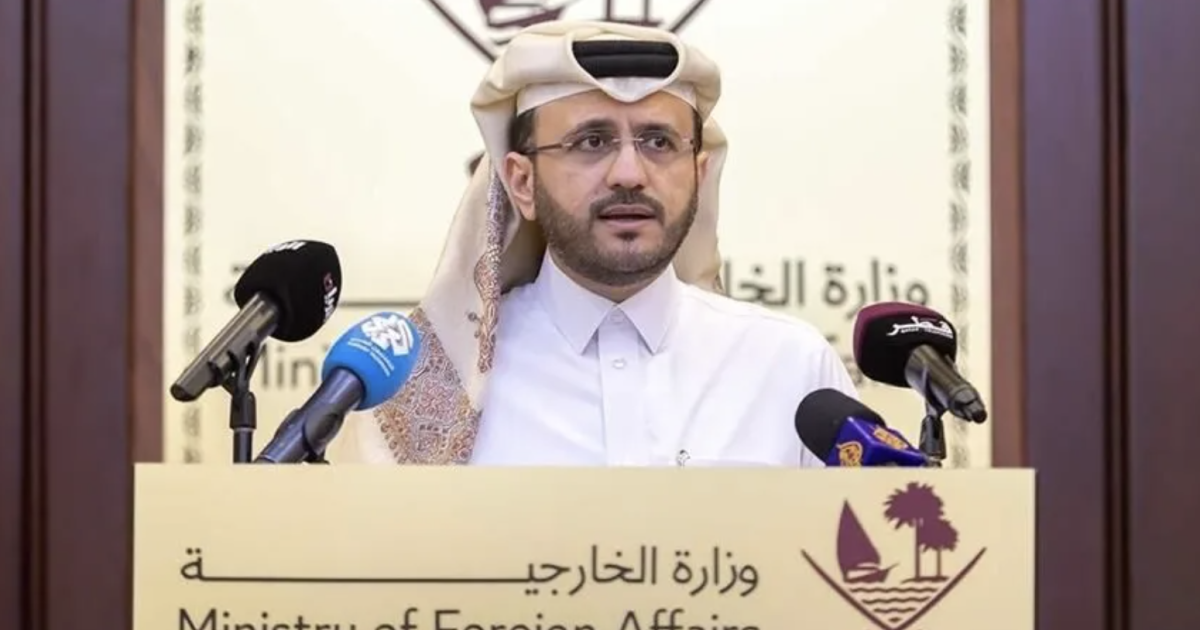
Doha witnessed high-level diplomatic movements, where US envoy Steve Witkoff and Jared Kushner, son-in-law of President Donald Trump, met with Qatari Prime Minister Sheikh Mohammed bin Abdulrahman Al Thani. The meeting focused on laying the necessary foundations for the technical sessions, despite the direct non-participation of the US political delegation in those sessions.
From the Iranian side, Deputy Foreign Minister Kazem Gharibabadi heads the team of experts participating in the negotiations, where he held intensive meetings with Qatari officials. Gharibabadi affirmed that the current focus is on reviewing the implementation of the interim agreement reached at the previous summit in Lucerne, Switzerland.
Diplomatic sources clarified that the technical talks seek to build on the progress made in previous rounds, with a focus on the precise details of the memorandum of understanding. These details include timelines for lifting the blockade on Iranian ports and resuming oil exports normally without legal or military obstacles.
Despite these movements, Iranian Foreign Ministry spokesman, Ismail Baghaei, stressed the exclusion of any direct contact with US officials at present. Baghaei affirmed that Tehran would not hold any direct negotiation meetings at any level, preferring indirect diplomatic channels through mediators.
The memorandum of understanding signed on June 17 included provisions for a ceasefire on various fronts ablaze in the region. It also stipulated the need for continuous negotiations to reach a final and comprehensive agreement within a timeframe not exceeding 60 days, extendable with the consent of both parties.
Reports indicate that the meetings in Doha also addressed the ceasefire in Lebanon, emphasizing the importance of stabilizing it to ensure regional stability. Mediators seek to create a safe environment that allows for the implementation of the economic provisions of the agreement, including Tehran's recovery of a large portion of its frozen funds.
Regarding the field situation, Iran insists that the security of the Strait of Hormuz is linked to the lifting of economic sanctions imposed on it. Tehran considers that freedom of navigation must be reciprocal, which constitutes a cornerstone in the ongoing technical talks between experts from both sides.
Observers believe that Araghchi's sharp statements aim to strengthen Iran's negotiating position and send reassuring messages to the domestic audience that negotiations do not mean compromising military deterrence. These statements also reflect the extent of the trust gap between Tehran and Tel Aviv, despite the existence of a diplomatic path with Washington.
Qatar and Pakistan play a pivotal role in bridging viewpoints, as envoys work to convey technical proposals between closed rooms in Doha. These efforts aim to avoid any misunderstanding that could lead to the collapse of the initial understandings reached in Switzerland weeks ago.
The biggest challenge facing these negotiations remains the extent of commitment of the field parties to cease hostile operations, especially in light of mutual threats. International circles are awaiting the results of this technical round, which may pave the way for the announcement of a broader agreement that ends the ongoing tension in global energy corridors.
The US President has committed the United States to taming its pets in Tel Aviv, and if they disregard their master's orders, Iran will teach them a harsh lesson.
Share your opinion
Araghchi Threatens Israel with 'Iranian Discipline' as Doha Talks Address Frozen Assets and Hormuz