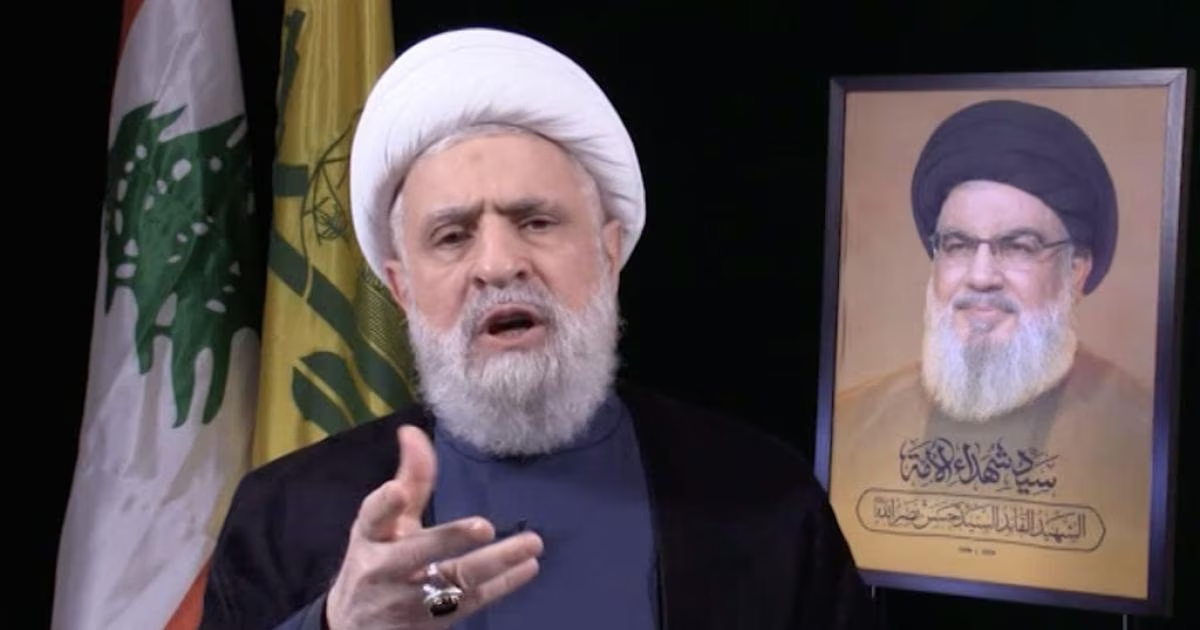







Hezbollah's Secretary-General, Naim Qassem, emphasized in a televised speech broadcast on Sunday that any future ceasefire agreement cannot grant the Israeli occupation freedom of movement within Lebanese territories. Qassem considered that accepting such a condition would mean legitimizing aggression under the guise of de-escalation, which is completely and utterly rejected by the resistance.
Qassem clarified that some circulating proposals attempt to impose an equation that stipulates the silencing of Hezbollah's weapons in exchange for Israel's free hand in killing and battlefield advancement. He affirmed that this logic does not represent a cessation of hostilities, but rather a continuation of aggression in another form that the party will not accept, regardless of the field or political pressures.
In his definition of a ceasefire, the Secretary-General pointed to the necessity of a complete halt to Israeli military operations in the air, land, and sea. He also stressed that any agreement must include a halt to systematic demolition operations and the termination of the Israeli military presence in all areas occupied during the recent incursion.
On the ground, Qassem described the continued presence of occupation army forces on Lebanese territory as 'impossible' and unsustainable. He categorically rejected Israeli talks about establishing security or buffer zones within Lebanese borders, considering them an infringement on national sovereignty that is indivisible.
Qassem affirmed that the responsibility for preserving Lebanese sovereignty and protecting its borders primarily rests with the Lebanese army, which enjoys cooperation and coordination from all relevant parties. He called for strengthening the military institution's role in extending state authority and preventing any future Israeli violations of recognized international borders.
In a related context, Qassem urged the Lebanese government to benefit from regional diplomatic channels, specifically the recent Iranian-American memorandum of understanding. He called for the necessity of addressing and developing Lebanese relations with Tehran, similar to what the United States and other Arab countries are doing in the search for regional stability.
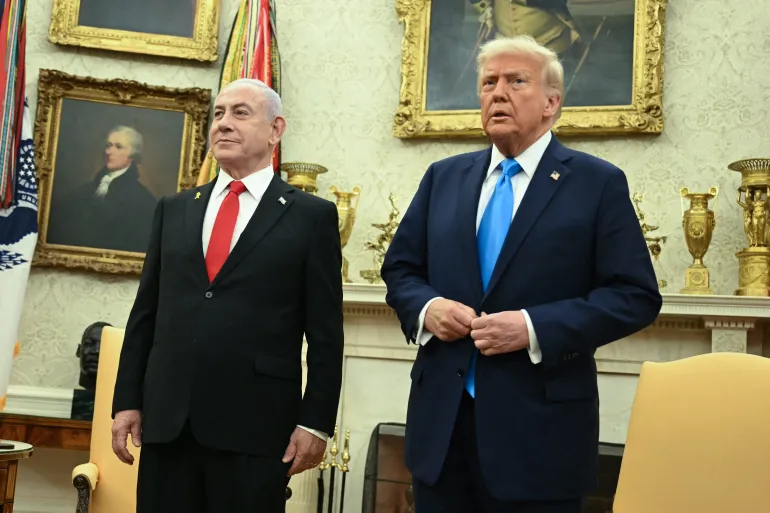
These positions come in response to repeated statements from occupation leaders, where Israeli Prime Minister Benjamin Netanyahu vowed to continue controlling what he described as the 'security strip'. Tel Aviv insists on remaining in the areas of incursion to ensure the security of northern settlements, which is categorically rejected by official Lebanon and the resistance.
Qassem's speech coincides with intensive diplomatic activity in Switzerland between Washington and Tehran, following the signing of the 'Islamabad Understanding' aimed at ending the broader war. Despite this understanding, the continued fierce fighting in southern Lebanon threatens to undermine efforts to reach a comprehensive and sustainable de-escalation.
Iran and the United States had reached a 14-point understanding in mid-June, mediated by Pakistan, to end regional conflicts. This understanding came into effect after electronic signing by Presidents Pezeshkian and Trump, including provisions for opening the Strait of Hormuz and lifting the naval blockade on Iran.
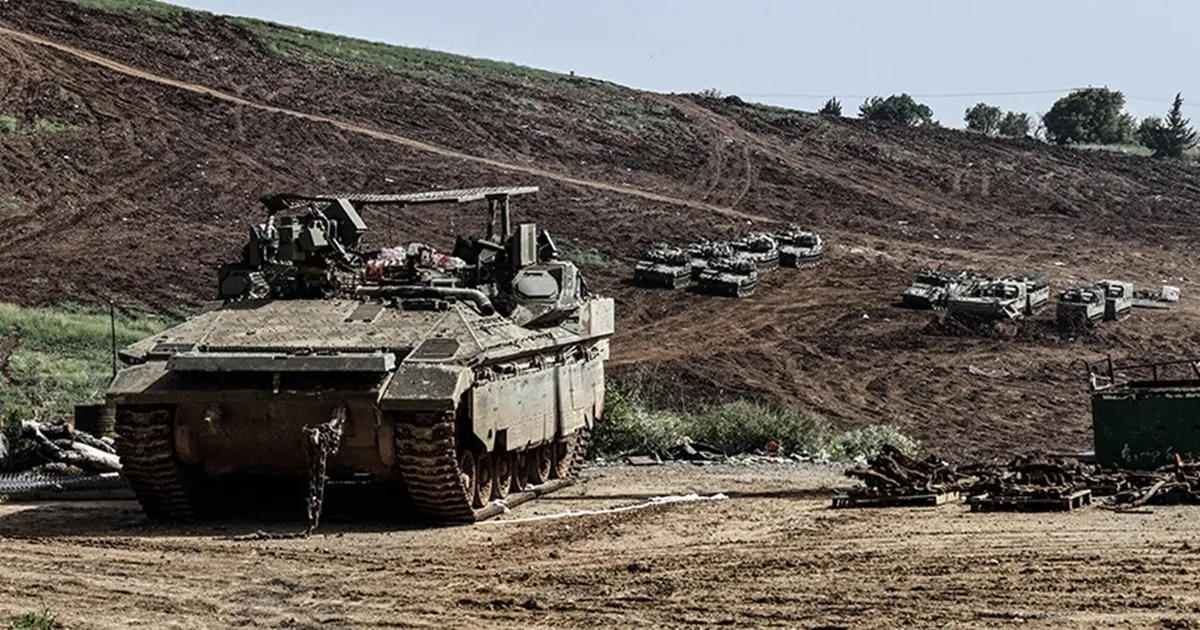
On the ground, Israeli forces continue their operations in what they call the 'Yellow Line', a strip ten kilometers deep inside Lebanese territory. This incursion began in early March and has caused widespread destruction in border villages and attempts to establish permanent military outposts for the occupation.
Statistics from the Lebanese Ministry of Health indicate that the ongoing aggression since March 2026 has led to the martyrdom of more than 4,100 people and the injury of thousands. The intense shelling and ground incursion have also caused the displacement of more than a million Lebanese from their villages and towns, creating a worsening humanitarian crisis in the country.
A fifth round of direct talks between Lebanon and Israel, under international patronage, is scheduled to begin next Tuesday, despite Hezbollah's repeated rejection of them. The Lebanese authorities seek in these negotiations to separate the Lebanese file from other regional tracks to ensure a complete and rapid Israeli withdrawal.
There is no such thing as a ceasefire with freedom of movement for Israel; this represents a continuation of aggression, not a cessation of it.
Share your opinion
Naim Qassem Rejects Israeli 'Freedom of Movement' and Affirms: Occupation's Stay in Lebanon is Impossible