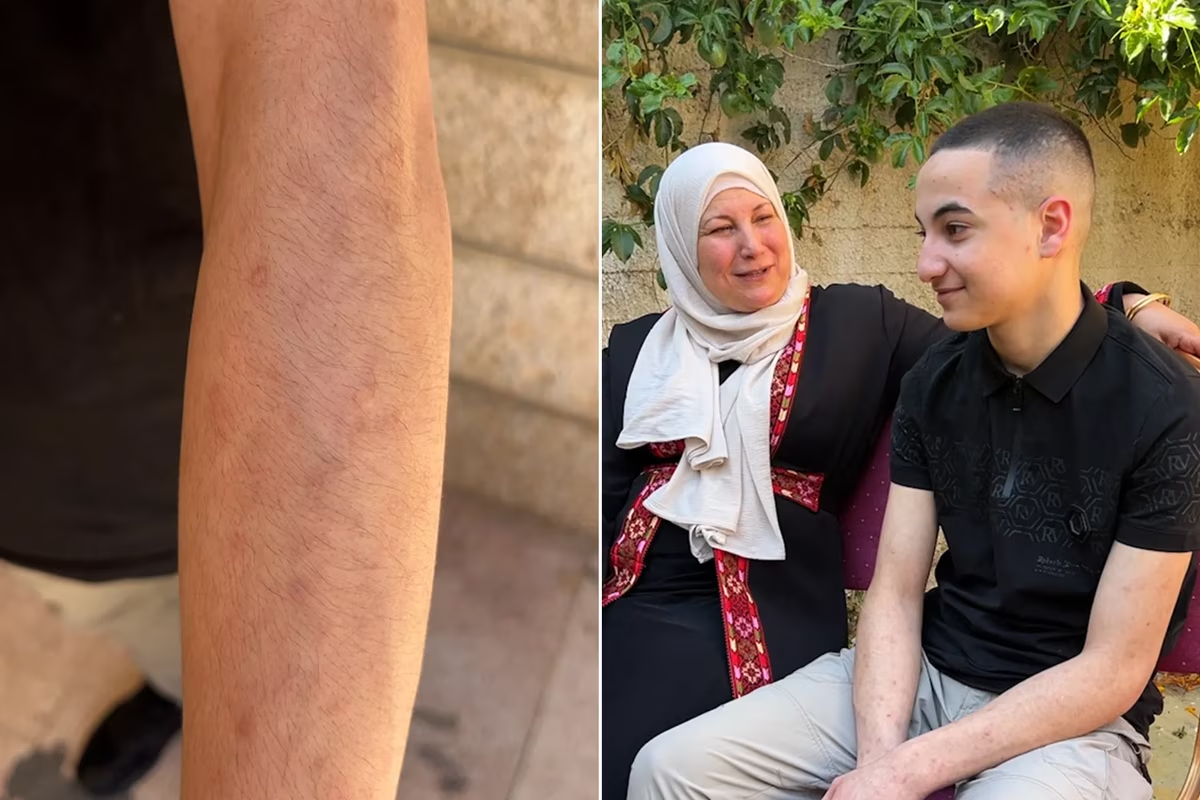







The Israeli occupation authorities released Palestinian boy Ismail Mahlis from Al-Ram town, north of occupied Jerusalem, after he spent about 20 months behind bars. Mahlis emerged from Ofer Prison with a frail body and clear signs of exhaustion, to recount harsh details of the suffering experienced by boys and children in the cubs' sections.
Ismail's journey of suffering began on October 15, 2024, when occupation forces raided his family's home and took him to interrogation centers. The boy, who was then no more than fourteen years old, was then transferred to Ofer Prison, located west of Ramallah city, to begin a long chapter of isolation and abuse.
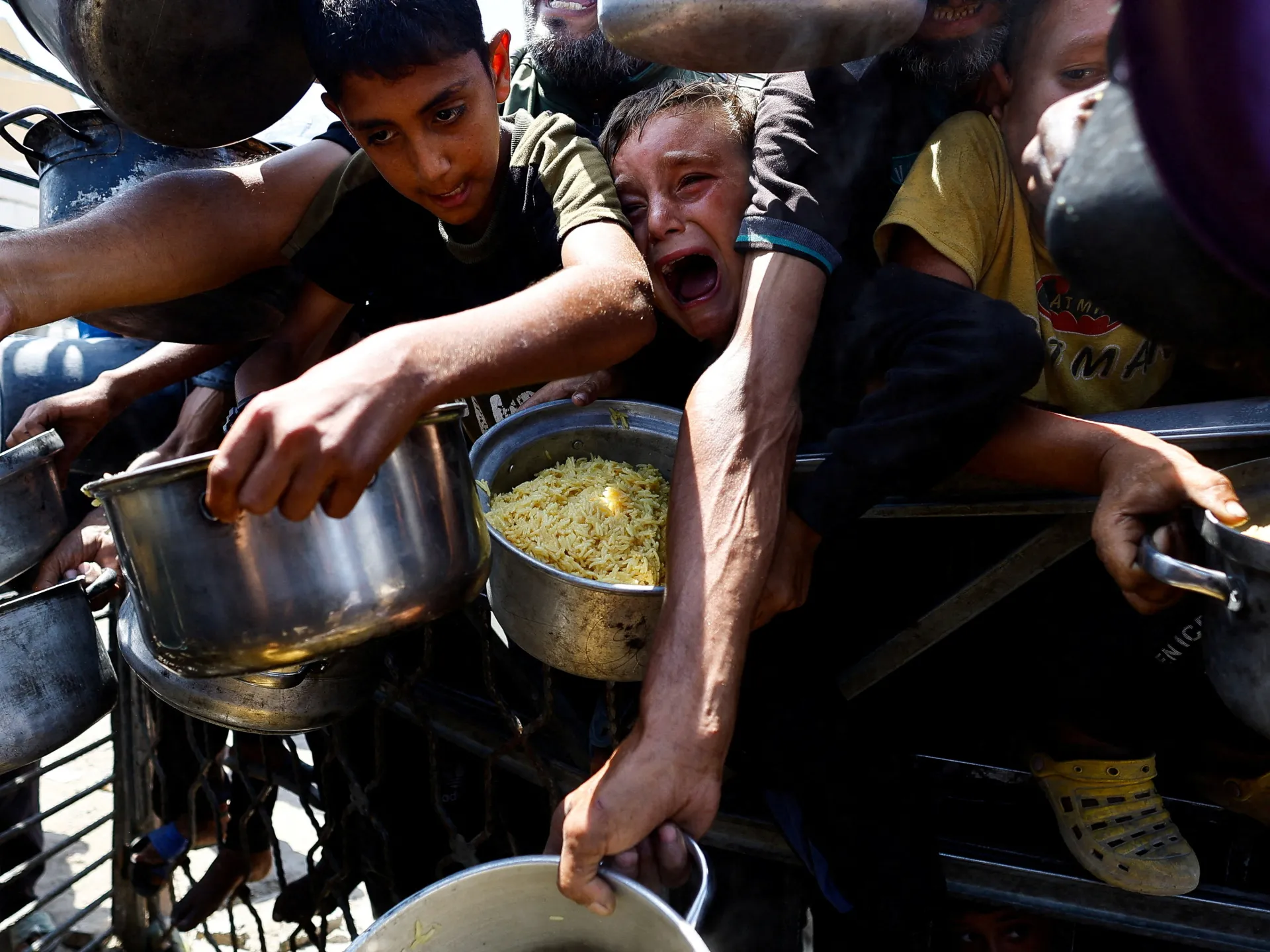
Mahalis described the conditions inside the cubs' section as extremely difficult, where the prison administration deliberately provides very meager amounts of food to young prisoners. He confirmed in his testimony that the meals provided are often unfit for human consumption, and mainly consist of small quantities of often spoiled rice.
In addition to malnutrition, prison cells suffer from an almost complete lack of general hygiene, with no clean water available for showering. Sources reported that child prisoners are deprived of regular showering, which leads to a worsening of health conditions and the spread of skin diseases among detainees due to overcrowding.
Since the outbreak of the aggression on the Gaza Strip, the prison administration has tightened its repressive measures, preventing child prisoners from going out to the outdoor area known as 'Al-Fawra'. This internal siege has increased the psychological and physical pressure on the boys who spend their entire day inside closed and overcrowded rooms.
The Ofer Prison administration employs daily abusive methods, including removing mattresses and blankets from prisoners from early dawn until afternoon, to force them to remain without rest. Daily counts are also conducted three times in a humiliating manner, where children are forced to sit on their knees or face walls for long hours.
Mahalis revealed the presence of about 197 child prisoners in the section where he was held, distributed among 22 cramped rooms that are not large enough for their numbers. He pointed out that the age groups inside the prison include very young children born in 2011 and 2012, who are subjected to the same harsh treatment received by adults.
The released boy confirmed that the current occupation policy does not differentiate in beating and abuse between a child and an elderly man, as the privacy previously granted to the cubs' sections has disappeared. He explained that repression and assault operations have become a daily routine practiced by prison guards against all detainees without exception or regard for international laws.
For her part, Ismail's mother, Intisar Shawamreh, expressed her shock at the condition her son was in after two years of forced absence. She said that her son entered prison as a child and left it as a young man burdened with worries, stressing that she lived months of constant anxiety about his fate amid the lack of news and continuous violations.
The Mahlis family hopes that their son will be able to regain his normal life and complete his education, which was interrupted due to detention, despite the deep psychological effects. This testimony comes at a time when statistics from prisoner institutions indicate the presence of about 9,500 Palestinian prisoners, including 360 children who face similar conditions to what Ismail recounted.
There are children born in 2011 and 2012, who were too young and should not be in prison, but should live their childhood.
Share your opinion
With a frail body and a harsh testimony... A Jerusalemite boy recounts the horrors of 20 months in occupation prisons