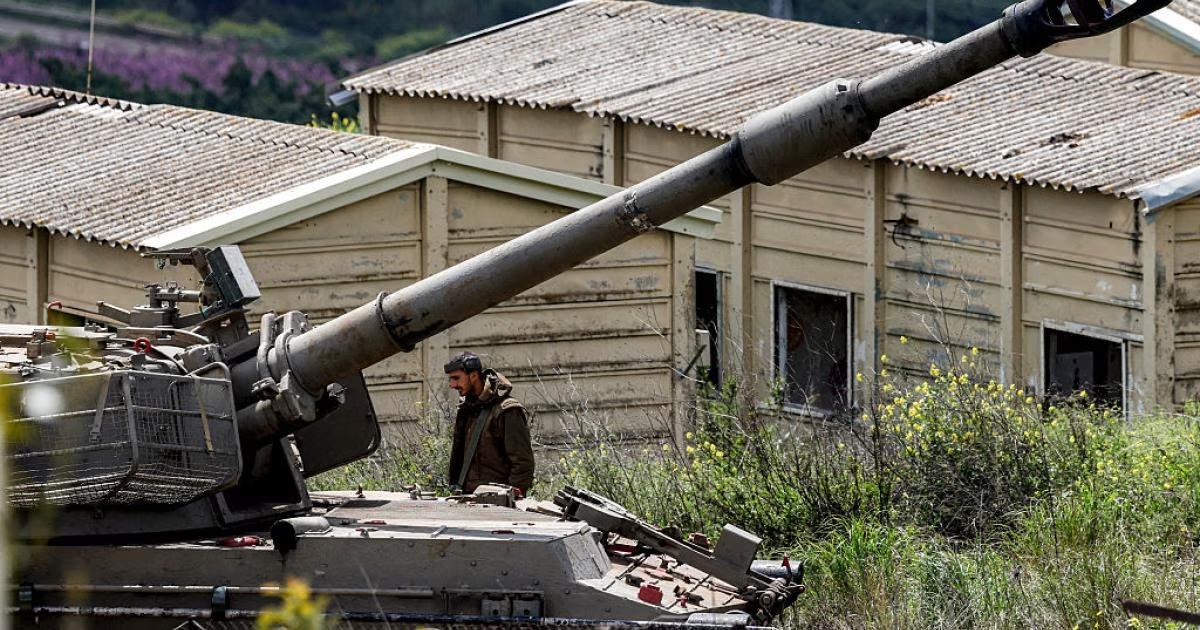







Mutual military attacks resumed in the border areas of southern Lebanon, where an Israeli drone targeted a 'van' type vehicle on the road between the towns of Hadatha and Haris in the Bint Jbeil district. This attack coincided with artillery shelling around the town of Rihan, amid intense low-altitude drone flights over the villages of Zahrani, Baalbek city, and the Beqaa region in the east of the country.
On the other side, field sources reported that the Israeli army launched interceptor missiles from the Metulla area towards targets deep inside Lebanese territory. Israeli authorities did not sound sirens in the border settlements, justifying this by stating that the operations were offensive and directed towards Lebanese territory and did not pose a direct threat to residential areas inside.
For its part, the Israeli army announced that its forces were subjected to a series of attacks during Monday night, including rocket barrages, anti-tank missiles, and suicide drones. Military sources confirmed that these attacks did not result in any casualties among soldiers, but they reflect escalating tension in the contact areas.
Israeli forces also carried out four preemptive strikes targeting what they described as 'threat factors' that were moving near their deployment sites in southern Lebanon. The occupation usually uses this term to justify targeting individuals or movements suspected of approaching the front lines it controls within Lebanese territory.
Field data indicates that the pace of current operations, although less intense than before the recent understandings, represents a clear return to a policy of limited targeting. Hezbollah claimed responsibility for carrying out several military operations targeting Israeli army movements stationed within Lebanese territory.
Recently, the scope of Israeli targeting has expanded to distances exceeding three kilometers from the front line controlled by the occupying forces. This expansion raises serious concerns among observers about the possibility of the situation sliding towards a wider confrontation if the existing rules of engagement continue to be violated.
On the political front, Israeli Prime Minister Benjamin Netanyahu blocked hopes of an imminent withdrawal, stressing that Tel Aviv does not intend to evacuate the areas it currently controls in the south. Netanyahu emphasized that maintaining what he called 'freedom of military action' within Lebanon is a fundamental pillar of Israel's security strategy for the next phase.
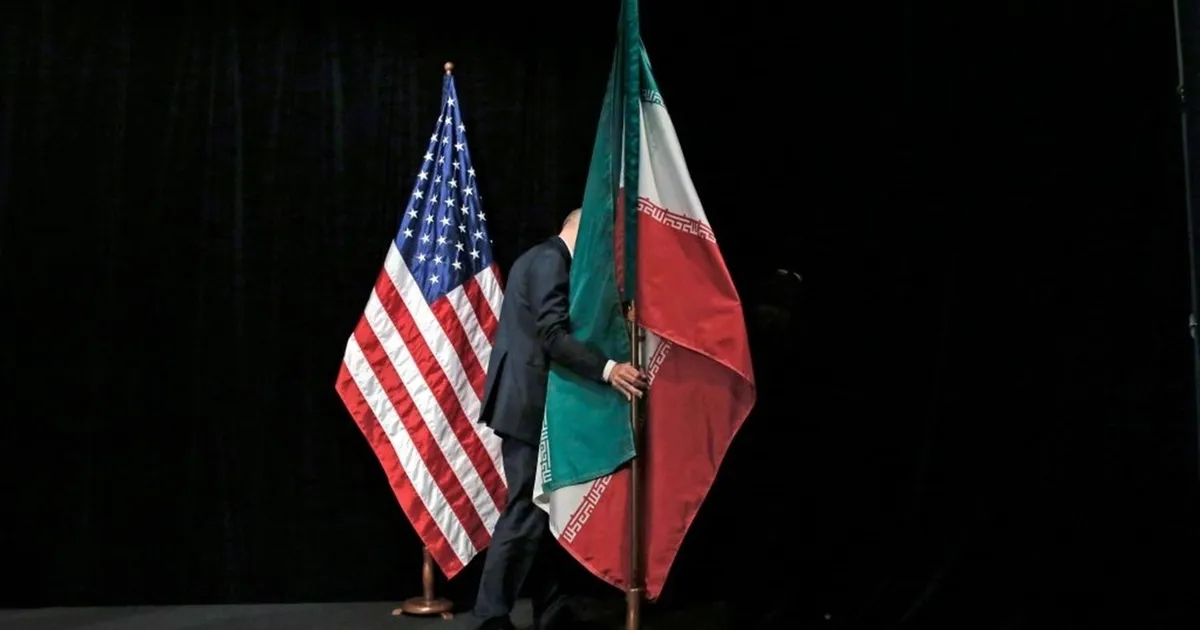
Netanyahu clarified that these hardline positions were clearly communicated to the US administration, claiming that Washington showed understanding for Israeli security requirements. These statements come at a sensitive time, coinciding with international attempts to solidify understandings related to the recent US-Iranian agreement that included multiple regional issues.
In the absence of the full text of the new agreement being published so far, the limits of mutual commitments and implementation mechanisms remain vague and unclear to those concerned. The US administration faces increasing pressure to prevent the collapse of fragile understandings, especially since the Lebanese file was strongly present behind the scenes of the negotiations that preceded the announcement of the comprehensive calm.
Israel does not intend to withdraw from the areas it occupies in southern Lebanon, and maintaining freedom of action within Lebanese territory is a top security priority.

Share your opinion
Field escalation in southern Lebanon and Netanyahu insists on military presence