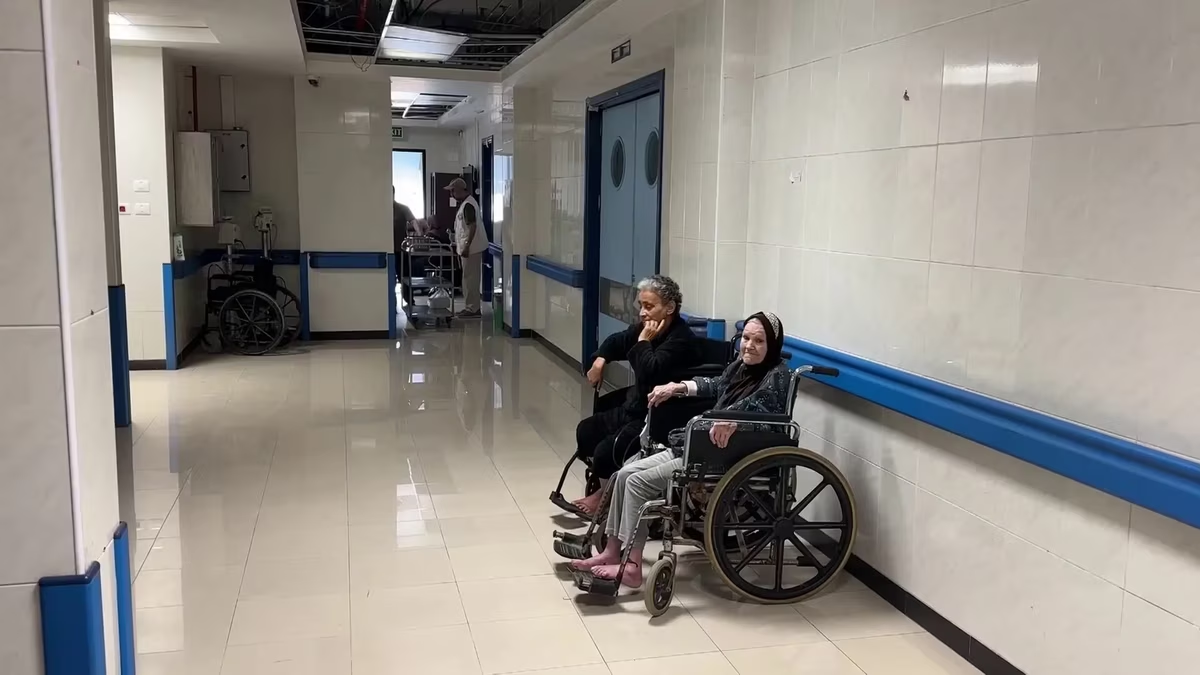







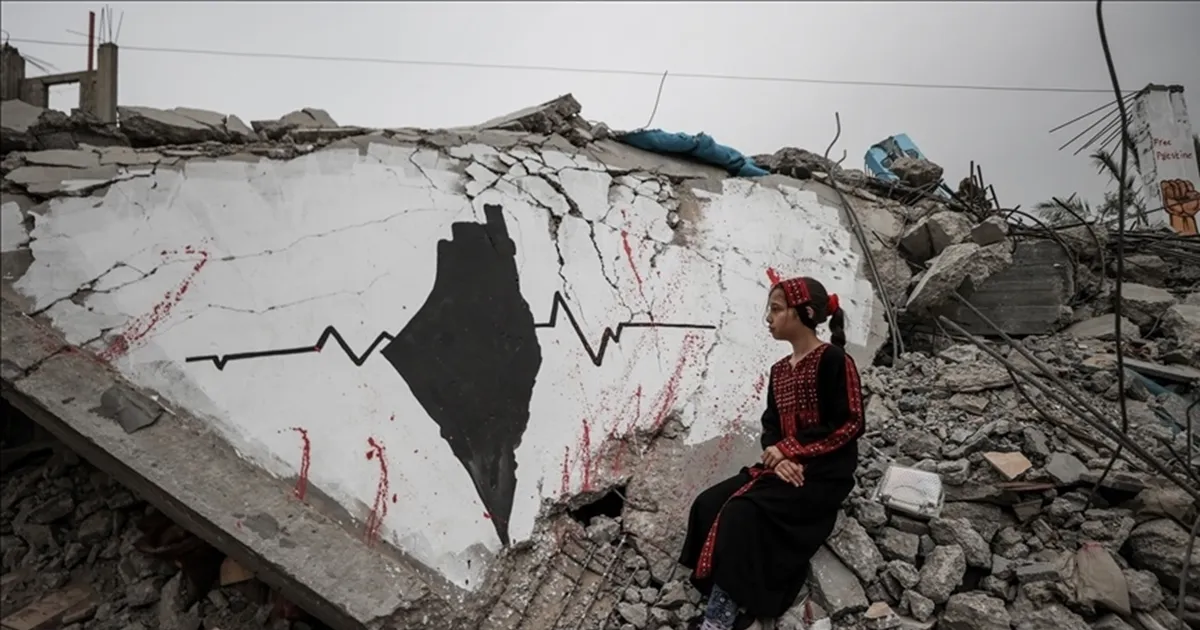
This year, the annual commemoration of the International Day for Awareness of Elder Abuse coincides with a tragic reality experienced by the elderly in the Gaza Strip, where they find themselves caught between the hammer of forced displacement and the anvil of losing their homes. This group, which spent decades building their lives, is now witnessing the demise of their memories under the rubble of homes destroyed by the ongoing Israeli war, which has exacerbated their isolation and their psychological and physical suffering.
In a field tour by journalistic sources from within the section dedicated to caring for the elderly, the effects of destruction and displacement on their daily lives were clearly visible, after the residents were forced to move from their original center in the city of Al-Zahra to a cramped temporary headquarters inside Al-Wafa Hospital. This transfer came as a result of the severe damage to the main center, making care provision a difficult task under conditions not prepared to receive critical cases.
Ashraf Hamada, head of the elderly department at Al-Wafa Hospital, confirmed that medical and administrative staff are making strenuous efforts to provide health and living services around the clock despite the lack of resources. Hamada explained that the war has left deep scars on the souls of the elderly who spent long months in a state of constant terror and deprivation of the most basic necessities for a dignified life.
Hamada revealed a painful statistic indicating the death of more than 20 elderly men and women during the months of the war, not only due to direct targeting, but also as a result of the bitter cold, extreme fear, and the repercussions of the bombing that targeted their centers. These numbers reflect the fragility of this societal segment whose weak bodies are no longer able to withstand the harshness of the deteriorating humanitarian conditions in the shelters.
The head of the department described the displacement journey he undertook with the elderly as arduous and fraught with dangers, as they moved from the city of Al-Zahra to Deir al-Balah in the central Gaza Strip before temporarily settling in the current location. This repeated movement, and the accompanying severe shortage of food and medicine, led to a deterioration in the general health of many residents and an exacerbation of their chronic diseases.
The center's administration faces successive logistical and financial crises, as it suffers from extreme difficulty in providing specialized medicines and appropriate meals for the elderly. The working staff also continues to perform their humanitarian duties despite salary cuts and limited available resources, which places additional pressure on the quality of services provided in this exceptional circumstance.
The current headquarters in Al-Wafa Hospital is considered a temporary solution that lacks the open spaces and recreational facilities necessary for the psychological health of the elderly, which increases their feelings of loneliness and depression. The cramped space also hinders the movement of medical staff and limits the ability to accommodate additional numbers of elderly people who have lost their breadwinners or homes during military operations.
In a moving testimony, one of the displaced elderly women recounted how her life transformed from travel and lively family gatherings to living in a cramped room awaiting the unknown. She bitterly expressed the loss of all her belongings and family photos that represented her personal history, confirming that her home, which she dreams of returning to, has turned into a pile of rubble due to the bombing.
These stories embody a collective reality for Gaza's elderly, where the loss is not limited to material aspects but extends to include the loss of a sense of security and social belonging. With the continuation of the war, the dream of returning home remains the only driving force for what remains of hope in their souls, despite many of them realizing that the places they knew no longer exist on the map.
More than 20 elderly men and women lost their lives during the war due to cold, fear, and the repercussions of the bombing that targeted their shelters.


Share your opinion
Under the Rubble of Memories.. Gaza's Elderly Face the Harshness of Displacement and Loss of Care on Their International Day