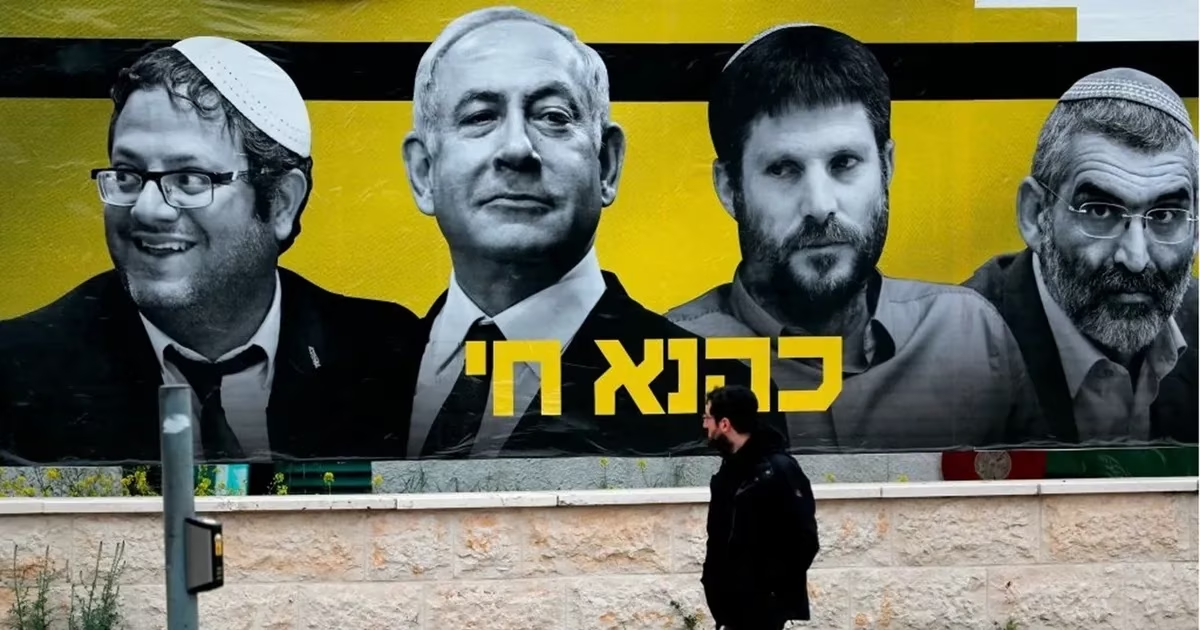







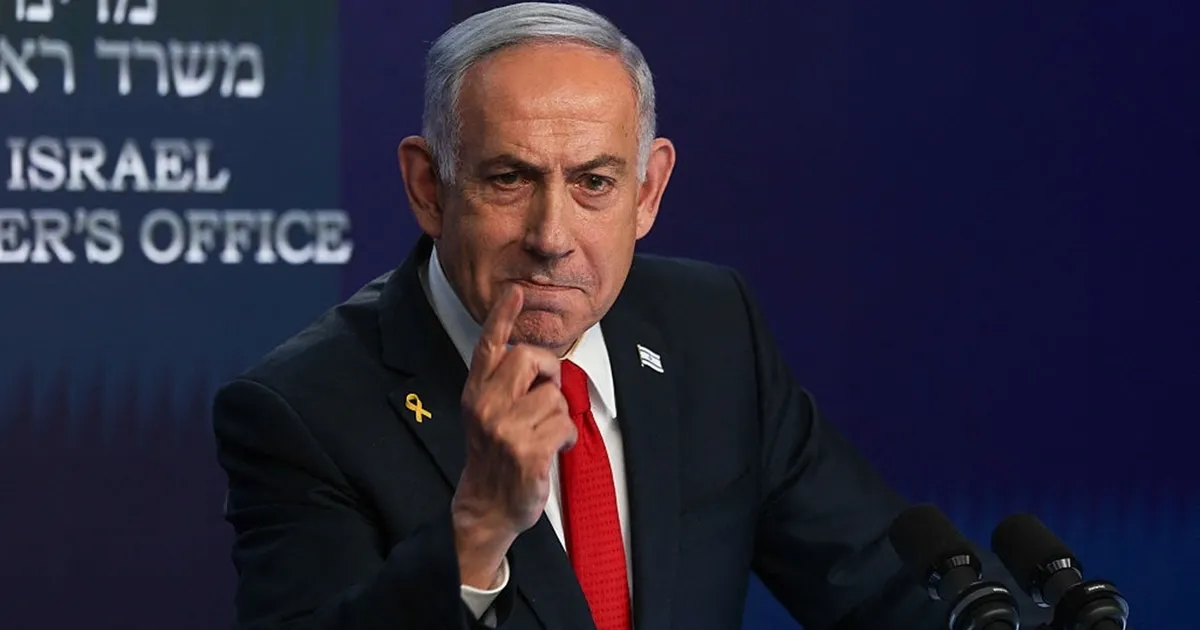
Since the launch of de-escalation paths and interim agreements in the Gaza Strip, it has become clear that Israeli Prime Minister Benjamin Netanyahu does not view a truce as a step towards peace. Rather, he sees it as a tactical tool to reframe the terms of the conflict in a way that serves his political survival amidst the successive internal crises he faces.
Netanyahu is well aware that a definitive cessation of military operations would necessarily open the doors to legal and popular accountability for past failures. Thus, in his view, the negotiation table has transformed from a means to reach a comprehensive settlement into an arena for political maneuvering and buying time against both his opponents and allies.
Recent months have witnessed a recurring pattern of Israeli negotiating behavior based on modifying previously agreed-upon terms. Whenever parties approach fundamental understandings, new demands emerge concerning the disarmament of the resistance or radical changes in long-term security arrangements in the Strip.
These new demands, according to informed sources, aim to complicate the negotiating landscape and create obstacles that are difficult to overcome in the foreseeable future. By doing so, Netanyahu ensures the continuation of a state of 'no-war, no-peace' that provides him with political cover to remain in office without making substantial concessions.
A political reading of this approach reveals an Israeli attempt to shift the discussion from a ceasefire to a redefinition of post-war Gaza's reality. Netanyahu insists on transforming the Strip into a completely demilitarized zone, ignoring reconstruction efforts and the urgent humanitarian needs of the population.
This strategy relies on what is known in crisis management as the policy of 'raising the bar of demands' to justify any future failure in talks. By linking urgent humanitarian issues with complex security matters, the occupation seeks to hold other parties responsible for the faltering international and regional efforts.
This behavior cannot be separated from the nature of the right-wing ruling coalition in Tel Aviv, which rejects any end to the war without achieving 'complete victory.' Netanyahu finds himself forced to balance the pressures from his extremist ministers with increasing international pressures, making procrastination his only available option.
Despite this intransigence, recent reports indicate that the international community is beginning to lose patience with the strategy of prolonging the war. There is a growing conviction that military operations are no longer achieving tangible strategic objectives, but rather complicating regional and international situations.
International mediators continue to push for de-escalation and a transition to implementation phases, confirming progress on most technical points. However, additional Israeli conditions remain the biggest obstacle preventing these understandings from becoming a tangible reality on the ground.
The upcoming scenarios oscillate between three main paths: the first is the continuation of 'organized postponement' which keeps negotiations open without results. This path allows Netanyahu to maintain a delicate balance between his coalition's demands and external pressures through partial implementation of some clauses.
The second scenario is the imposition of a gradual settlement under the weight of real American and international pressures that Netanyahu may not be able to resist. In this case, he may be forced to accept painful concessions if the political and military cost of the current bleeding in Gaza increases.
The third and most dangerous scenario is a return to comprehensive military escalation whenever negotiations approach a final decisive moment. This option aims to reshuffle the cards again, but it carries the risks of a regional explosion whose repercussions Israel may not be able to contain.
Ultimately, Netanyahu is betting on time as a key ally to postpone major obligations and reproduce the terms of negotiation. However, historical experiences prove that procrastination can turn from a means of achieving gains into a strategic burden that tightens the noose around its perpetrator.
The fundamental question facing the region is not just about when the war will end, but about the moment Netanyahu will lose the ability to maneuver. The continuation of internal and external pressures may ultimately lead to the collapse of the postponement policy, putting everyone before the obligations of an enforced peace.
Netanyahu does not treat the truce as a station to end the war as much as he views it as a tool to manage the conflict and reshape its terms.
Share your opinion
Netanyahu's Political Maneuver: Truce as a Strategy to Prolong the War