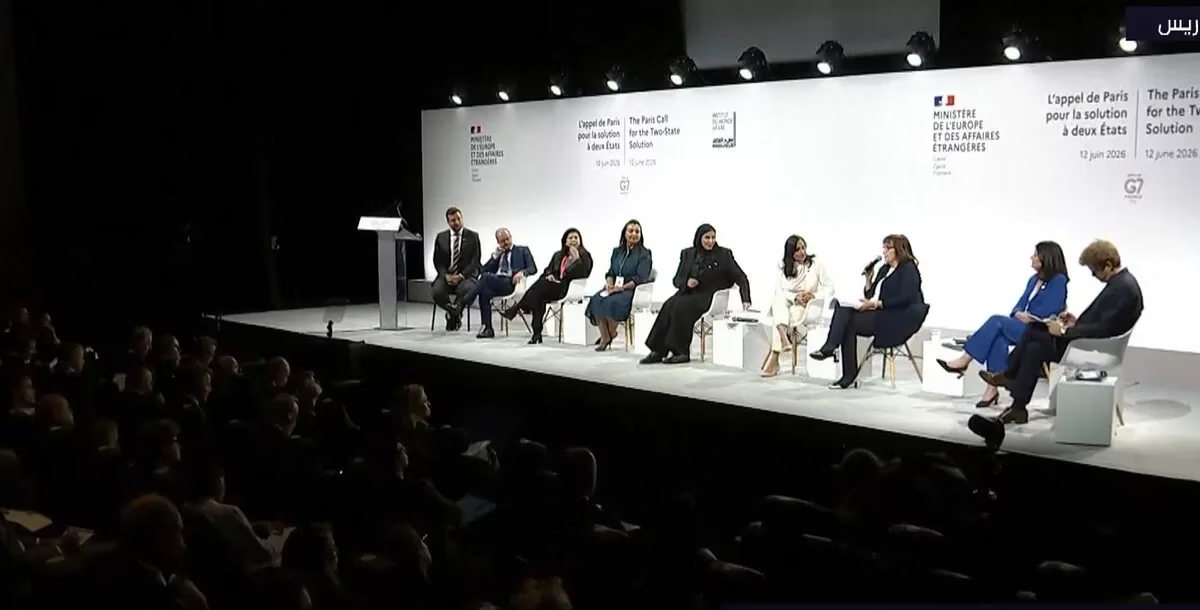







The French capital, Paris, hosted the 'Paris Call for a Two-State Solution' conference on Friday, in an international diplomatic move aimed at breaking the deadlock surrounding efforts to resolve the Israeli-Palestinian conflict. The conference saw broad participation from foreign ministers and high-level officials from dozens of countries, alongside civil society organizations, while the United States and Israel were notably absent from the discussions.
The conference concluded its work by adopting a comprehensive political document called 'A Call to Action,' which includes eight key points outlining a roadmap for the next phase. These points prioritized the demand for a permanent and immediate ceasefire in the Gaza Strip and the initiation of reconstruction efforts, emphasizing the necessity of a complete halt to settlement construction in the occupied territories and fundamental reforms in the Palestinian governance system.
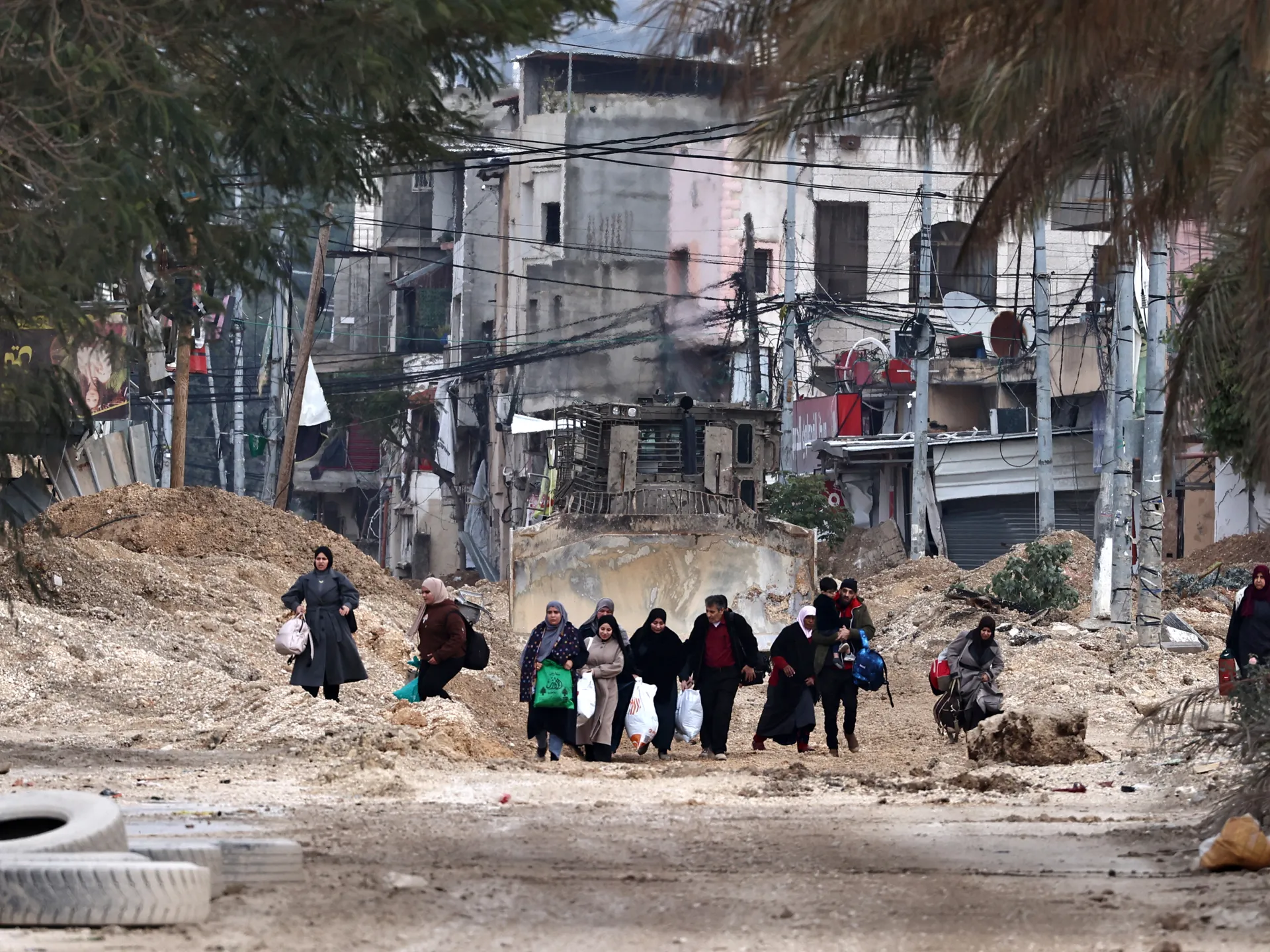
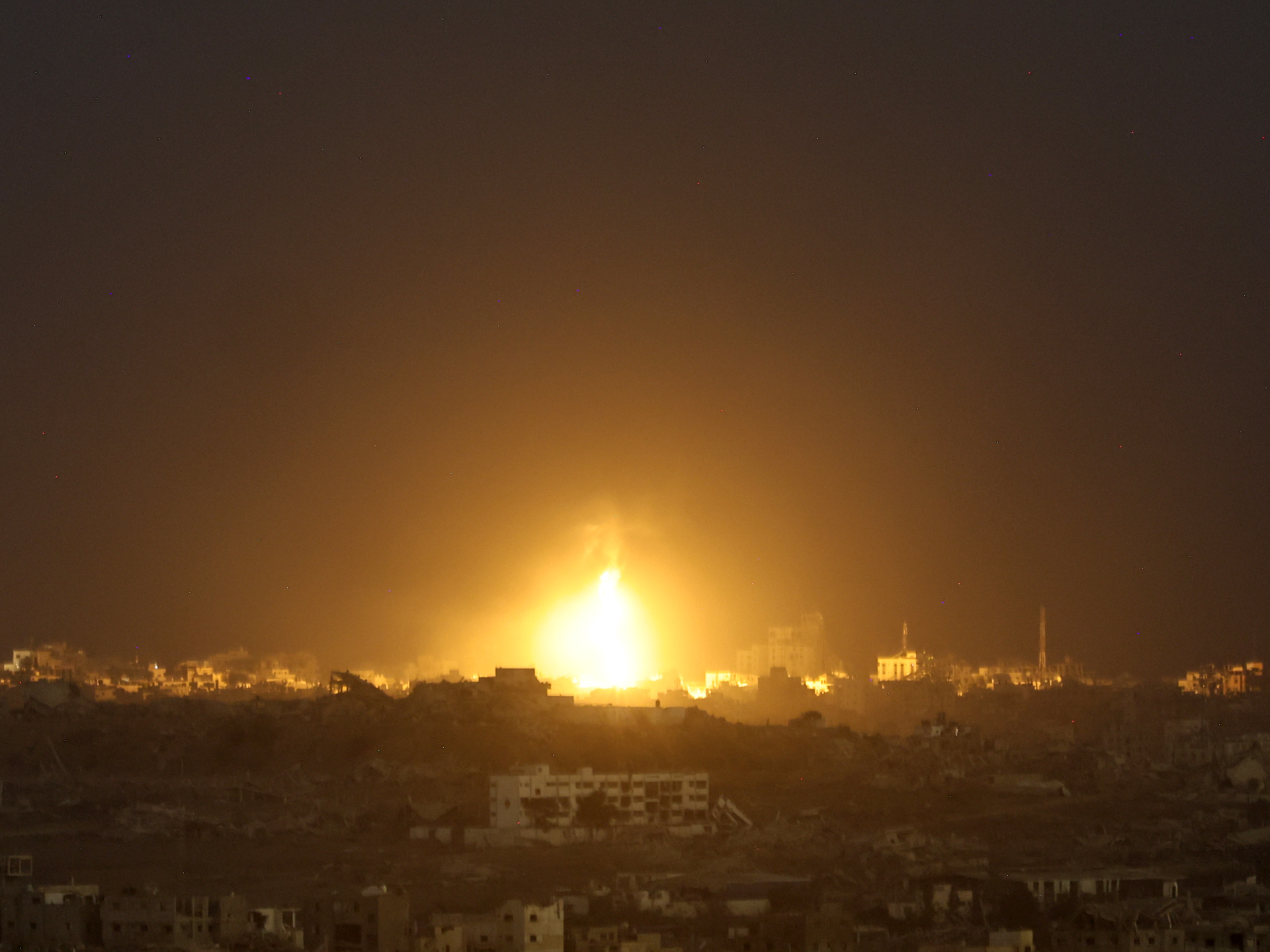
The action plan emanating from the conference warned that the region continues to suffer from a severe division, describing the Gaza Strip as devastated and the West Bank as being under the weight of settler terrorism and de facto annexation. Participants affirmed that settlement expansion and threats directed at the Palestinian Authority represent real obstacles that undermine the possibility of an independent Palestinian state in the near future.
The final document indicated that the window for a two-state solution remains open but is rapidly narrowing due to continued violence, insecurity, and the psychological trauma experienced by both Palestinians and Israelis. These recommendations are scheduled to be presented to the G7 leaders during their upcoming summit in the French Alps early next week to ensure the issue is placed at the top of the international agenda.
For his part, French Foreign Minister Jean-Noël Barrot affirmed that holding Palestinian elections represents a necessary starting point for strengthening the democratic path and enabling the Palestinian state to exercise its sovereign responsibilities. Barrot clarified that France's recognition of the Palestinian state falls within a strategic vision aimed at achieving historical reconciliation and lasting peace in the region.
In a related context, French diplomatic sources stated that the conference seeks to address the political paralysis on the ground, emphasizing that the second phase of the Gaza ceasefire agreement has not yet begun. The sources called on the international community to devise practical solutions that ensure the unimpeded flow of humanitarian aid, expressing strong condemnation of Israeli actions in the West Bank that violate international law.
In turn, the EU's High Representative for Foreign Affairs, Kaja Kallas, described the French initiative as a source of hope in a difficult time, affirming that civil society must be a genuine partner in international diplomacy. Kallas considered that peacebuilding cannot succeed without a strong popular and civil base that supports the proposed political solutions.
Regarding financial support, Canadian Foreign Minister Mélanie Joly announced a new humanitarian aid package for Palestinians, covering health, food, and shelter sectors. She also revealed Canada's joining an international coalition with Australia and Britain to establish an 'International Peace Fund,' coinciding with the imposition of new sanctions on extremist settlers who commit violence in the West Bank.
In the same context, the Canadian Prime Minister affirmed that his country would allocate $100 million to support Palestinians in Gaza and the West Bank, stressing that stability would not be achieved without addressing the humanitarian catastrophe. During his meeting with French President Emmanuel Macron, he praised Paris's leading role in pushing for the recognition of a Palestinian state as a step to protect the two-state solution option.
For its part, the State of Qatar reiterated its full support for the political process, with Minister of State for International Cooperation, Mariam Al-Misnad, affirming that peace requires a change in mindset and the creation of an environment that rejects hatred. Al-Misnad stressed that human dignity and fundamental rights such as education and health are the true pillars upon which any future peace agreement must be based.
In an impactful intervention, Andorra's Foreign Minister, Imma Tor Faus, described the current humanitarian situation in the Gaza Strip as a 'moral stain' that requires urgent international action. She announced her country's full support for the recognition of the State of Palestine, with a focus on empowering women and youth to be the driving force for peacebuilding and ending the bloody conflict.
The representative of Mexico called during the conference for the necessity of abandoning military solutions that have proven ineffective in achieving security, urging the lifting of all restrictions on the entry of relief aid. She affirmed that a permanent ceasefire is the primary demand that cannot be bypassed to begin any serious political dialogue that ends the suffering of civilians.
At the level of civil activism, Israeli activist Iyad Nisan called for giving younger generations a leading role in shaping the future, noting that the current generation did not experience the Oslo Accords and needs a new vision. Nisan stressed the importance of renewing democratic life on both sides and holding accountable leaders who obstruct peace and coexistence paths.
Finally, Palestinian activist Nevin Sandouka warned of the danger of escalating hate speech and extremism that attempts to hijack the peace narrative, affirming that security is inseparable from dignity and prosperity. Sandouka called on the international community to ensure sustainable funding for civil initiatives through the International Peace Fund to counter settler violence and displacement policies in Jerusalem and the West Bank.
The humanitarian situation in Gaza represents a moral stain on the conscience of the world, and the solution cannot be military but through a comprehensive political path.


Share your opinion
Paris Conference on Two-State Solution Approves Action Plan to End Gaza War and Halt Settlements