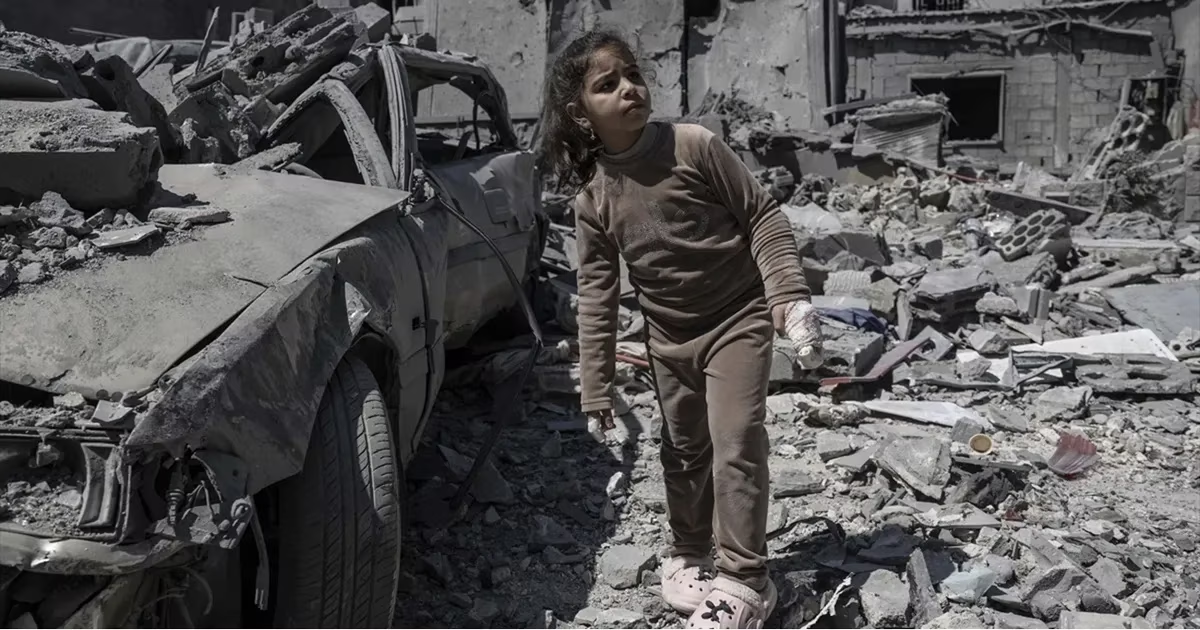







The American-Iranian confrontation is once again dominating the regional scene, placing Lebanon at the heart of a geopolitical equation that exceeds its limited capabilities. The geopolitical nature that has characterized this country has made it a permanent arena for the clash of international interests, posing an existential challenge to protect its sovereignty.
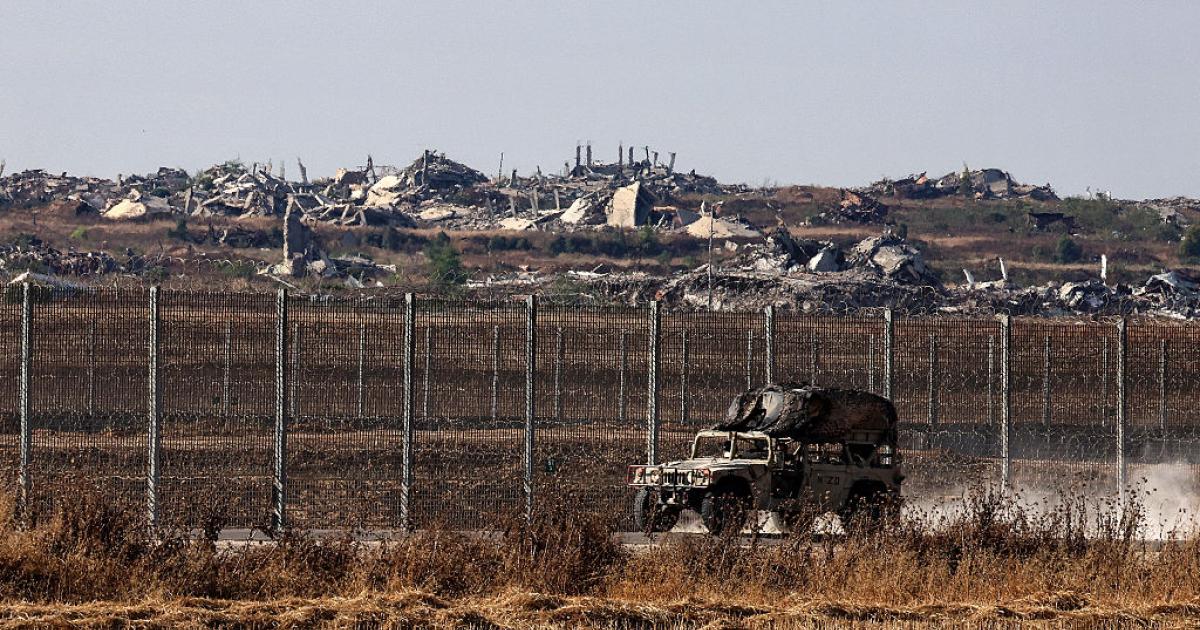
Lebanon enters this critical phase in an unprecedented state of fragility due to accumulated financial and economic crises over many years. The deep social repercussions and the material and human losses in southern Lebanon make any slide towards regional escalation a threat to what remains of the state's foundations.
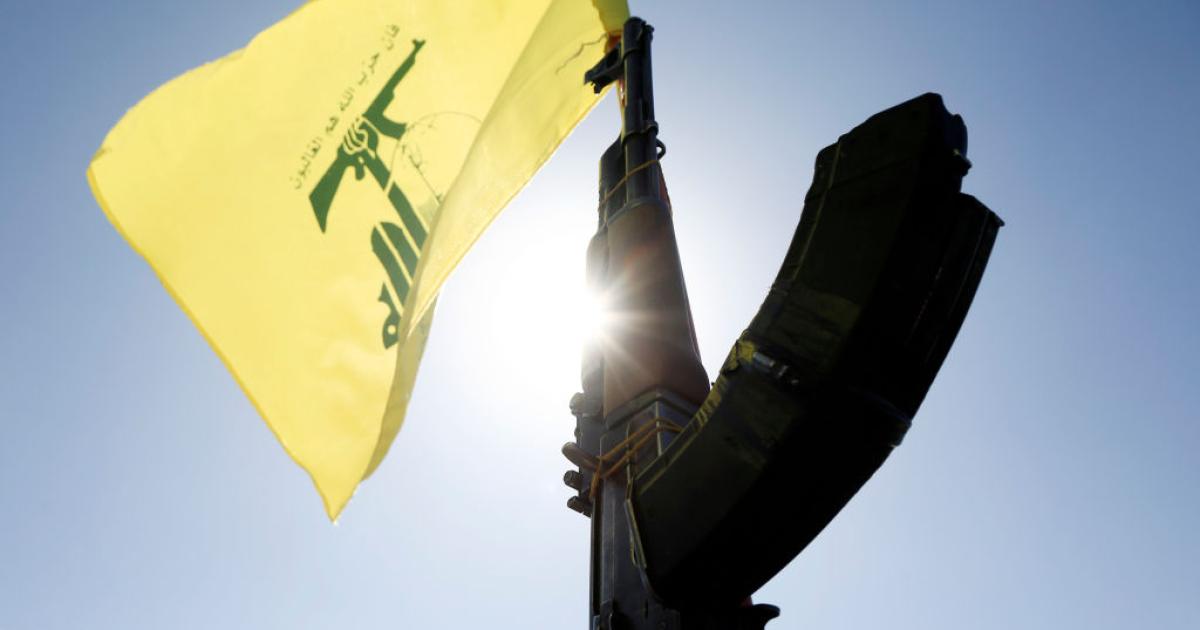
Domestically, political division remains sharp regarding Hezbollah's position in the regional conflict and its military role. While one current views the party as a cornerstone of deterrence against Israel, other forces demand that the decision of war and peace be confined to the official state institutions.
Despite this political divergence, a common denominator emerges among various Lebanese factions: the categorical rejection of entering a comprehensive war. A society exhausted by monetary and living crises is no longer able to bear new waves of displacement or additional destruction affecting its infrastructure.
In contrast, declared international positions towards Lebanon appear to be below the level of field challenges imposed by rapid developments. Major powers content themselves with verbal statements of support for Lebanese sovereignty without providing real guarantees to prevent repeated Israeli aggressions on Lebanese territories.
Lebanese people feel that the international community's commitment to their country's stability is a theoretical goal lacking effective implementation mechanisms on the ground. This void in international guarantees leaves the Lebanese arena exposed to the security and political calculations of the warring parties in the region.
For its part, Israel deals with regional escalation from a perspective that mixes national security with internal political and electoral calculations. This approach makes Lebanon vulnerable to becoming part of equations that are not necessarily related to what happens on its soil, but rather to what Israeli balances demand.
The complex reality raises a fundamental question about who can extricate Lebanon from its 'hostage' status to conflicting regional projects. The answer to this question seems linked to the extent of the Lebanese people's ability to produce a genuine national consensus on defining the country's supreme interest.
Liberation from the logic of 'open arenas' requires rebuilding Lebanese state institutions and strengthening their ability to manage sovereign files. This also necessitates Arab and international support that goes beyond media statements to tangible economic investments and political guarantees that protect stability.
The fundamental dilemma is that international parties view Lebanon's stability only from the perspective of their own interests. This places the greatest burden on local forces to reduce the ability of external actors to use the Lebanese arena as a platform for settling regional and international scores.
Past decades have depleted Lebanon's human and economic resources as a result of continuous wars and endless conflicts. The country has borne costs beyond its capacity at a time when the region was undergoing major transformations and a comprehensive redrawing of power and influence balances.
The urgent question today is not about Lebanon's ability to withstand a new confrontation, but about the international community's readiness to recognize its right to neutrality. Lebanon has already paid the highest price in terms of its stability and the blood of its children throughout the long years of conflict in the Middle East.
Observers believe that regional stability necessarily requires protecting Lebanon from sliding into the abyss of future wars. Turning the country into a permanent arena of conflict is no longer a sustainable option, especially in light of the economic collapse affecting all aspects of daily life.
Ultimately, Lebanese crises remain closely linked to the roots of the conflict in the region, foremost among them the Palestinian issue. Without addressing these roots, Lebanon will remain vulnerable to the security and political tremors imposed by constantly changing regional balances.
Lebanon has already paid its highest share of the costs of conflicts, and the region's interest requires its neutralization from future wars.
Share your opinion
Lebanon in the Eye of the Regional Confrontation: Is it Paying the Price for the American-Iranian Conflict?