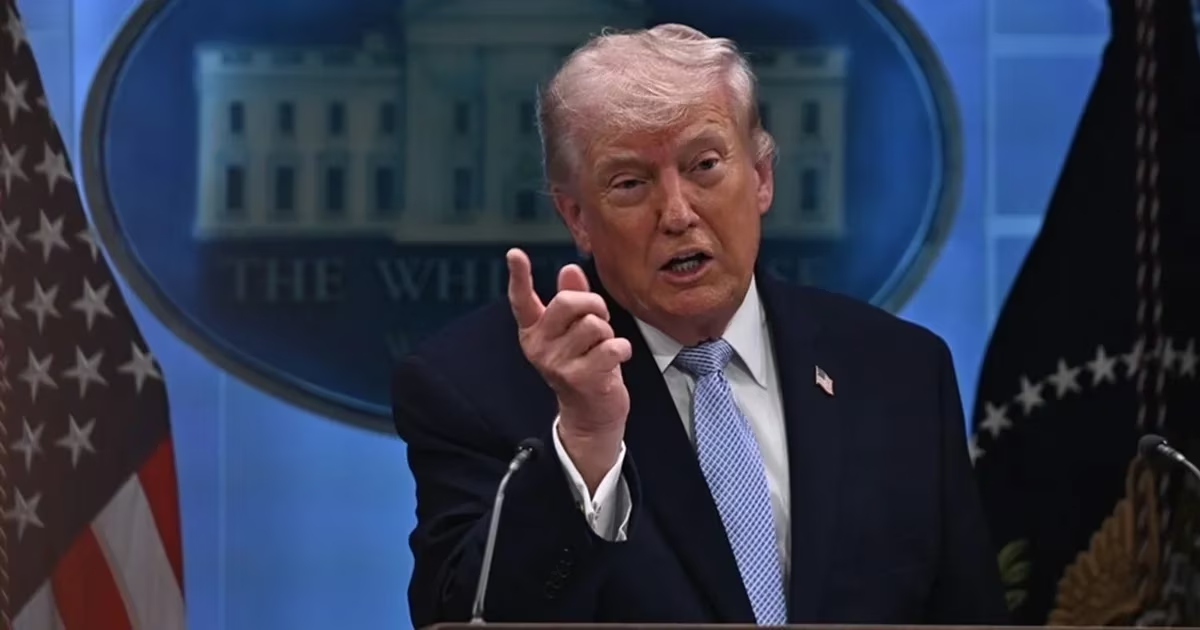







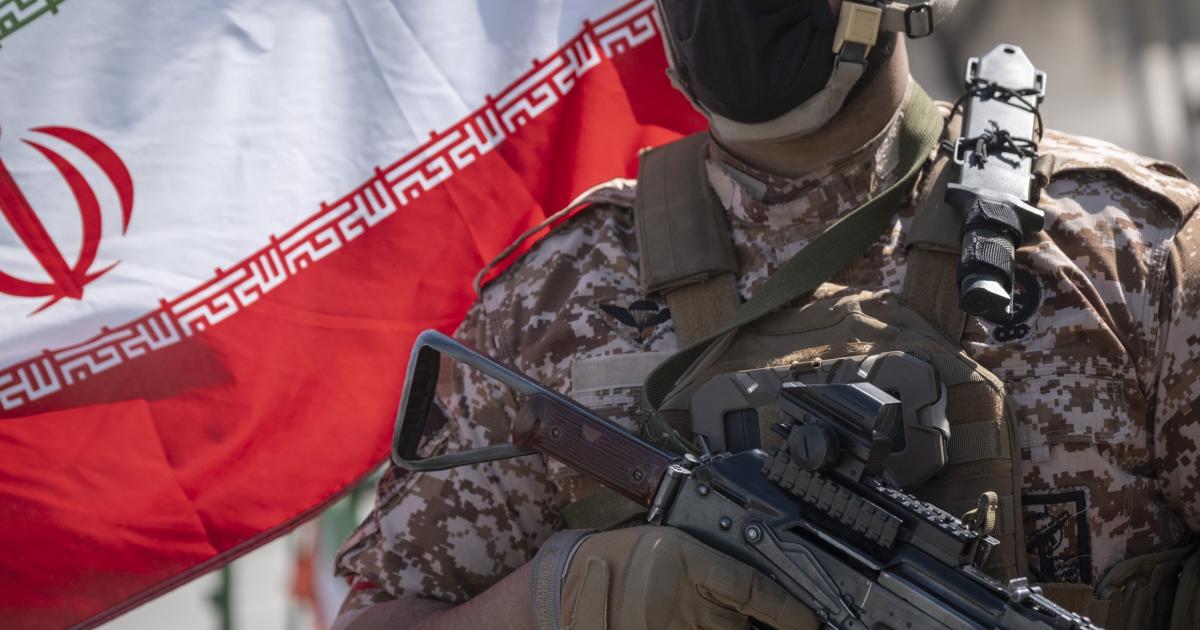
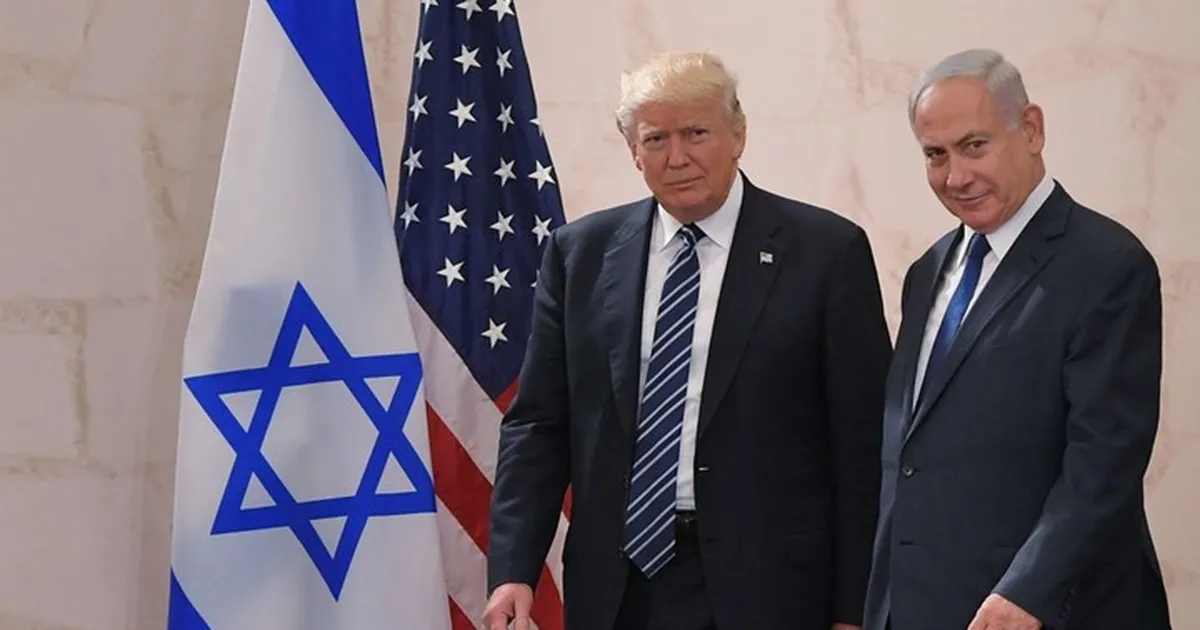
US President Donald Trump finds himself today confronting a bitter reality: the failure of his promises to end the conflict with Iran. After his announcement on May 23rd of an imminent historic agreement, the cannons continue to speak instead of the diplomats. The situation on the ground indicates a continuous exchange of fire between American and Iranian forces, putting the credibility of the US administration to the test before local and international public opinion.
The military escalation took a dangerous turn last week, when an Iranian drone attack targeted Kuwait International Airport, causing severe damage to the vital facility. The matter did not stop there; last Sunday, Iran launched ballistic missiles towards the occupying state, which quickly responded militarily, further igniting the interconnected regional fronts.
At the heart of this crisis, the closure of the Strait of Hormuz stands out as the most dangerous economic weapon used by Tehran, as traffic there has almost completely stopped, except for very limited passages. This closure threatens the lifeline of about 20 percent of global oil supplies, prompting analysts to warn of a historic jump in prices that could reach $150 per barrel if the blockage continues until next July.
Domestically, Trump faces pressure from the hardline wing of the Republican Party, where former Secretary of State Mike Pompeo led a campaign of criticism against the leaked terms of the proposed agreement. Pompeo considered that offering financial concessions to Tehran represents a repetition of the 'sin' of the 2015 agreement concluded by Barack Obama, an agreement that Trump has long ridiculed and described as weak and shameful.
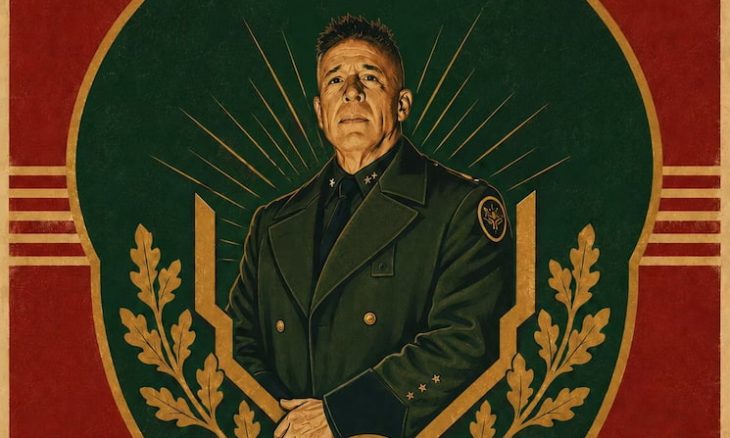
The White House's response to these criticisms came sharply from Communications Director Stephen Cheung, who publicly attacked Pompeo, considering that he knows nothing about the art of silent negotiation. However, it seems that these right-wing pressures have paid off, as Trump retracted his initial offer and presented a tougher counter-offer, leading to the freezing of current negotiations and their reaching a dead end.
Iranian demands seem impossible for the Trump administration, as Tehran stipulates the immediate release of $12 billion of its frozen assets in exchange for reopening the Strait of Hormuz. It also demands an additional $12 billion as a goodwill gesture during a sixty-day negotiation period to discuss its nuclear file, which puts Trump in an embarrassing position before his electoral base, whom he promised 'maximum pressure.'
Trump clearly avoids any large-scale ground military involvement, justifying this by his desire not to repeat Jimmy Carter's failed experience in rescuing hostages in 1980. This caution reflects the president's desire to avoid 'nuclear dust' and the human and political costs of open wars, but at the same time, it leaves him stuck in a status quo characterized by continuous attrition with no horizon for a solution.
In an attempt to escape reality, Trump sometimes resorts to the virtual space, where he has repeatedly posted posts imagining a complete Iranian surrender and the signing of 'brilliant victory' documents. These wishes clash with a reality on the ground that proves that the superior air power of the United States and the occupying state has not yet succeeded in forcing the Iranian regime to submit to extreme American conditions.
Analyzes indicate that Trump faces the same dilemma that previous presidents faced in Vietnam and Afghanistan: that military superiority does not necessarily mean political victory. The Iranian regime views this conflict as an existential battle, which gives it a greater ability to withstand blows and strategic patience, applying the saying 'You have the watches, and we have the time.'
The American economy continues to show resilience, especially in the stock market, which gives Trump room to maneuver and promote his economic successes despite military failure. But this resilience is threatened with collapse if global oil reserves continue to run out, as 'Oxford Economics' warns that the ability to withstand the closure of the strait has very short time limits.
Trump has cornered himself by demanding 'unconditional surrender' from Iran, while using limited military tools that are insufficient to change regimes. This contradiction between ambitious goals and available means has given Tehran an opportunity to control the global scene by controlling energy flows, turning a barrel of oil into an international political pressure tool.
Experts believe that the best scenario Trump can aspire to now is to return to square one, i.e., accepting conditions similar to the Obama agreement from which he withdrew. This exit would require paying huge sums of money under different names, which could be described as the 'most expensive retreat' in Trump's political career, as he would be forced to buy stability at a high price.
The harsh experience in the Gulf may push the American president to reconsider the feasibility of launching new wars or intervening in complex conflicts in the Middle East. Wars that begin as 'short adventures' often turn into long-term attrition, especially when the adversary faces an existential threat that makes him willing to sacrifice everything for survival.
Ultimately, the question remains open as to who will cry first in this confrontation. While Trump bets on his economic strength and his ability to promote, Iran bets on the factor of time and geography. The inevitable result so far is that the world is paying the price of this conflict from its energy security and regional stability, awaiting a deal that may not come soon.
War is not just a targeting operation, and victory is not necessarily achieved by those who have the largest number of bombs; will is more important than weapons.
Share your opinion
Trump's Dilemma in the Gulf: A War Without Exit and Stalled Negotiations Under the Weight of Oil