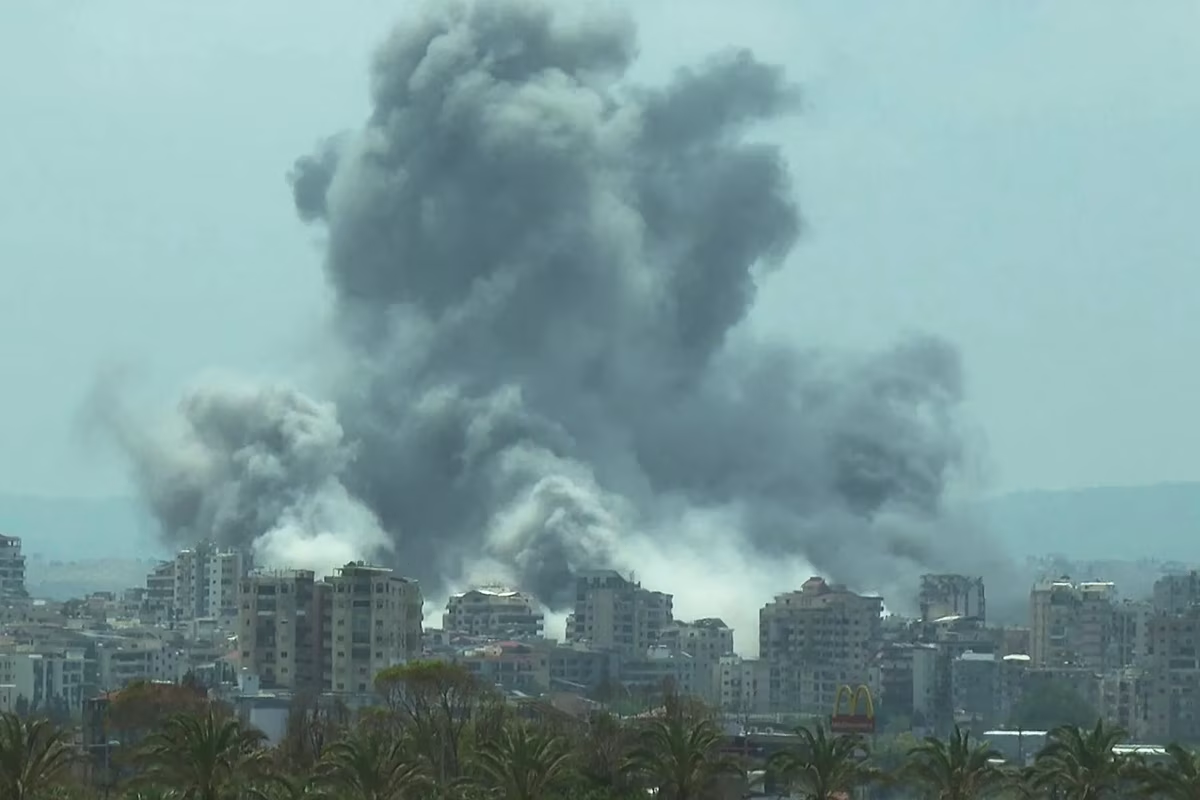







Israeli military operations in South Lebanon are escalating, moving beyond direct military objectives towards a broader strategy that observers describe as "diaspora." This policy aims to dismantle the resistance's supportive environment by turning villages and towns into uninhabitable areas, forcing residents into permanent displacement away from their borders.
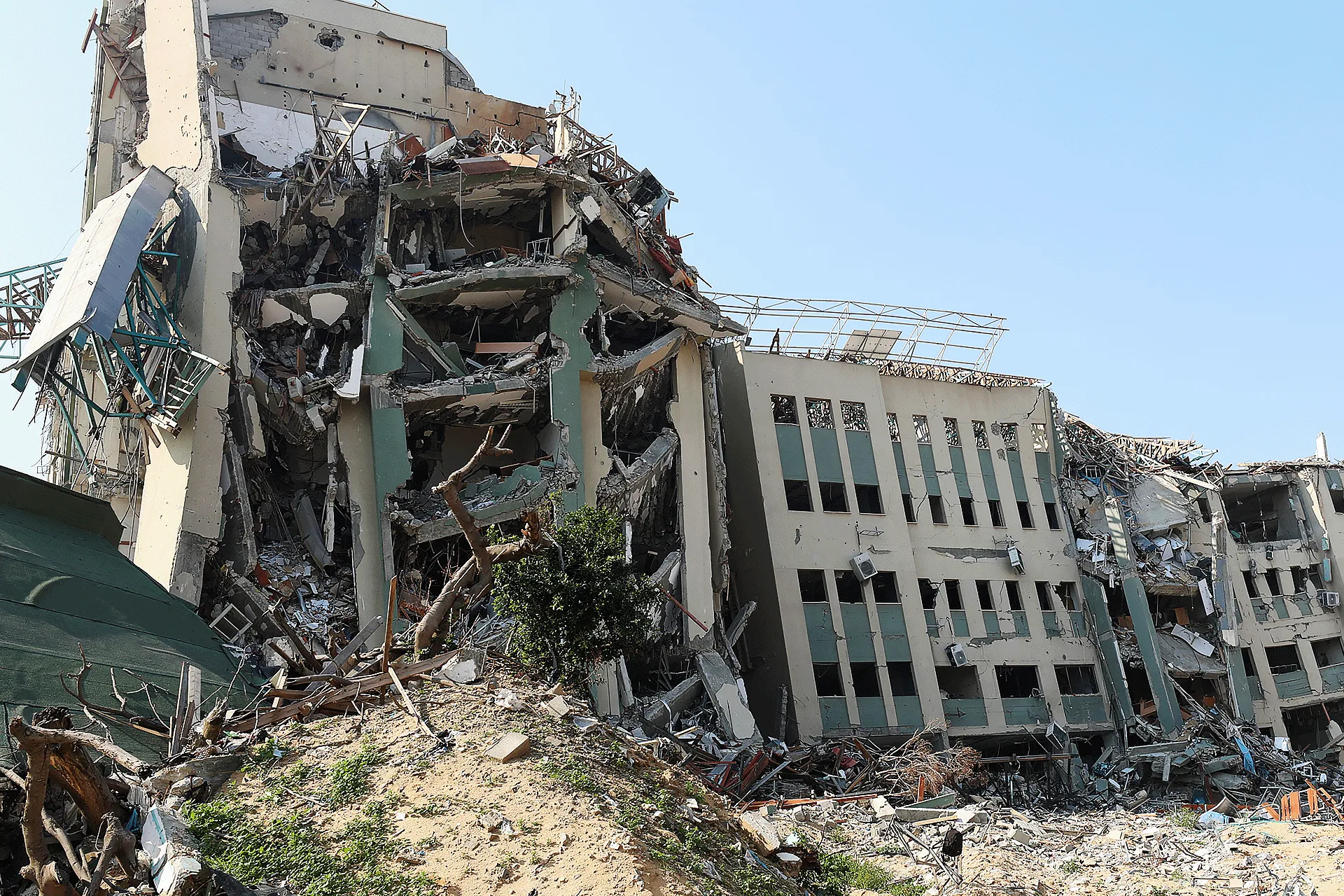
Sources reported that the Israeli army has moved from targeting military infrastructure to a phase of "urban annihilation." This strategy relies on encroaching on land and destroying vital centers in major cities like Tyre and Nabatieh, to impose a new geographical reality that prevents the return of normal life to those areas in the foreseeable future.
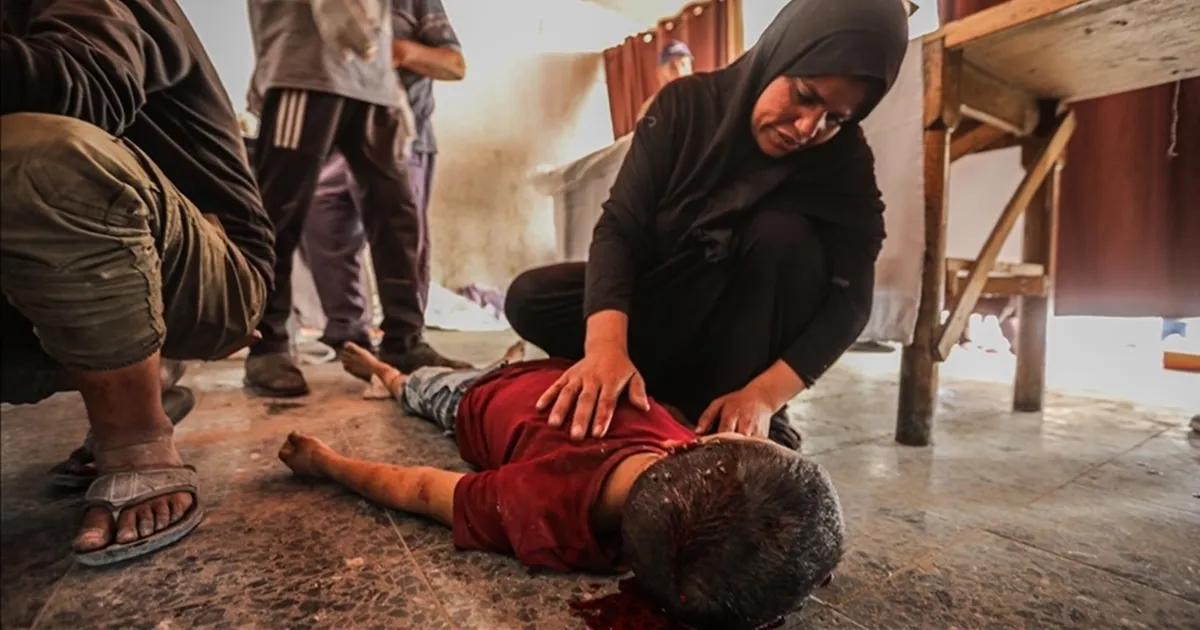
Data indicates that forced displacement has reached approximately 1.2 million people, amid continued intensive raids that have left thousands dead and wounded. Military experts believe that Israel is implementing a "scorched earth" policy extending from south of the Litani River to areas north of Zahrani, to secure a wide buffer zone.
Israeli evacuation warnings include vast areas, reaching one-fifth of Lebanon's total area, reflecting a desire to create long-term demographic change. This measure aims to reduce civilian population density, giving the Israeli army greater freedom in military operations without international political or media restrictions.
Political analysts believe that the goal of displacing southern residents is to create sectarian tensions and imbalances in Lebanon's fragile demographic structure. The displacement of large numbers from a specific social component to other areas could ignite internal conflicts over resources and infrastructure, which Israel is banking on to turn public opinion against the resistance.
In contrast, the resistance is adopting a counter-plan based on social and material support to maintain the cohesion of its supportive environment. Relief and compensation networks are working to strengthen the resilience of the displaced and prevent temporary displacement from turning into a permanent break with the land, considering that staying and returning represent a form of civil resistance.
On the ground, military sources confirm that the displacement has not led to the collapse of the resistance's organizational structure, but rather has increased the fighters' determination to wage a war of attrition. The resistance is currently using advanced technologies, including fiber-optic suicide drones, to thwart Israeli attempts at entrenchment in border villages.
Concerns are growing that Israel is seeking to establish a permanent buffer zone, similar to previous experiences in Gaza and Syria. This trend could turn South Lebanon into a continuous conflict zone, as local residents refuse to give up their right to return to their homes despite the massive destruction that has affected thousands of housing units.
Recent studies have shown that popular support for the resistance in the Shiite community remains strong despite immense economic and psychological pressures. Local opinion polls have shown general rejection of any proposals related to disarmament or surrender to Israeli projects that target the demographic existence of Lebanese components.
Observers believe that Israel is banking on the "rubble doctrine" to make civilians pay a heavy price for their support of the resistance. By destroying the southern suburbs and large parts of the Beqaa, Tel Aviv is trying to send a message that the cost of popular support for the resistance will be the loss of shelter and permanent stability.
On the other hand, experts believe that the decisive factor in this conflict is the Lebanese society's ability to adapt to successive crises. Historical experiences since 1982 prove that military force alone is not enough to break the will of peoples if the social environment maintains its basic cohesion and its ability to rebuild.
There is a real fear in Lebanese political circles that the continuation of the war will change Lebanon's sectarian and political landscape. The absence of a unifying national project to confront these dangers makes the country vulnerable to external interventions that may exploit the refugee crisis to impose specific political agendas that serve Israeli interests.
Informed sources confirm that the resistance has succeeded over the past four decades in building closed communities that are difficult to penetrate militarily or politically. This strong organizational structure is what prevents the success of the Israeli diaspora strategy in achieving its ultimate goals of dismantling the party from within through popular pressure.
Ultimately, the Lebanese scene remains open to all possibilities in light of a major war that transcends regional borders. While Israel is banking on time and military pressure, the resistance is banking on exhausting the enemy on the ground and the steadfastness of its popular base to thwart the project of displacement and permanent occupation.
Israel seeks to create a demographic vacuum that helps it target any human movement and restrict the movement of resistance fighters.


Share your opinion
The "Diaspora" Strategy: Will Israel Succeed in Dismantling the Popular Support Base for the Resistance in Lebanon?