







Warnings have recently escalated regarding the repercussions of any attempt to change the arrangements of the Hashemite Guardianship over Al-Aqsa Mosque and the Islamic and Christian holy sites in occupied Jerusalem. This issue is considered one of the most sensitive in the Palestinian-Israeli conflict, as the Jordanian role is based on a long historical and religious legacy enshrined by international political and legal agreements.
Political circles affirm that the Hashemite Guardianship represents a fundamental stabilizing factor that enjoys broad Palestinian, Arab, and Islamic acceptance, and it is the guarantee to prevent the region from sliding into wider religious conflicts. Observers believe that any infringement on this status will open the door to unprecedented tensions affecting the future of the Holy City and its position amidst volatile regional circumstances.
Reports indicate that Washington, despite its traditional recognition of Jordanian guardianship, is witnessing moves by pro-Israel factions aimed at undermining this historical arrangement. These moves coincide with approaching elections in the United States and Israel, where political leaders seek to gain advantages by playing the holy sites card.
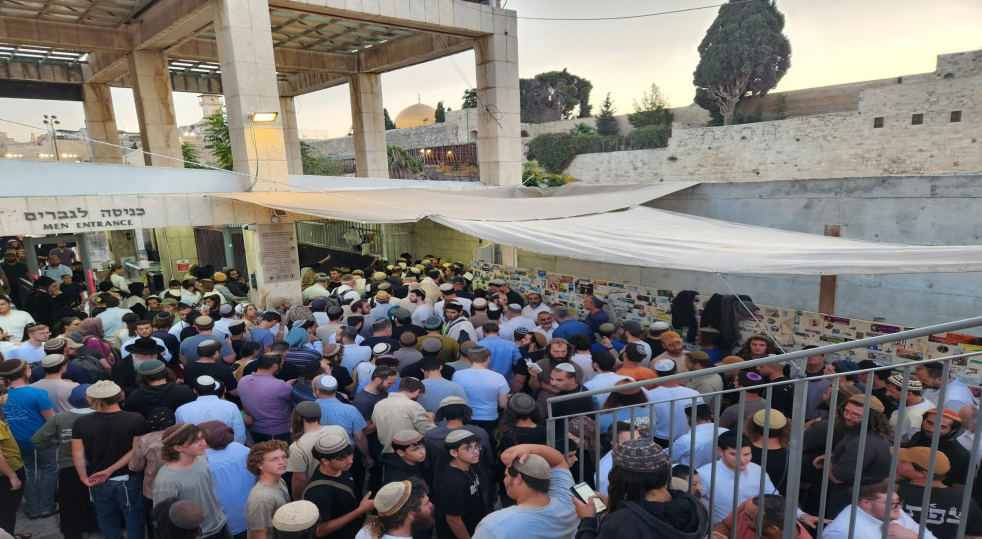
Within Israel, Prime Minister Benjamin Netanyahu allows extremist ministers in his government, such as Itamar Ben-Gvir, to carry out repeated incursions into Al-Aqsa Mosque in an attempt to impose a new reality. This policy is reminiscent of Ariel Sharon's provocative visit in 2000, which then led to the outbreak of the Second Palestinian Intifada and completely changed the political landscape.
The history of Hashemite patronage of the holy sites dates back to the family's roots, which undertook the protection of pilgrims in Mecca and Medina for a thousand years, before this responsibility shifted to Jerusalem in the early twentieth century. This guardianship began with a religious pledge of allegiance to Sharif Hussein bin Ali in 1917, then a political pledge in 1924, linking the family's identity to the patronage of Al-Aqsa Mosque.
King Hussein bin Talal maintained this close connection even when the administrative and legal disengagement from the West Bank was announced in 1988, explicitly excluding the holy sites and endowments. This exception was made in full coordination with the Palestinian leadership at the time, to ensure that no sovereign vacuum would be exploited by the Israeli occupation authorities.
This status was legally reinforced in the 1994 peace treaty, and then through a historic agreement signed by King Abdullah II with Palestinian President Mahmoud Abbas in 2013. This agreement granted the Jordanian monarch the right to exert all legal efforts to protect Al-Aqsa Mosque and its courtyards, considering it an indivisible and unshareable place.
On the ground, the Islamic Endowments Department, affiliated with the Jordanian Ministry of Endowments, is the primary driver for managing religious affairs in East Jerusalem. The department is the largest employer of Palestinians in the city, contributing to supporting the steadfastness of Jerusalemites and strengthening the local economic sector in the face of restrictive policies.
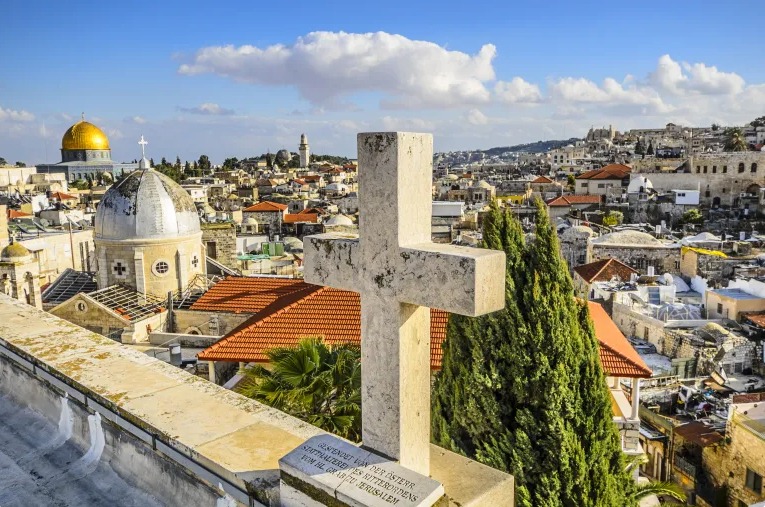
King Abdullah II directly funds major restoration projects in Al-Aqsa Mosque and the Dome of the Rock, in addition to the Church of the Holy Sepulchre, reflecting the comprehensiveness of the guardianship for both Islamic and Christian holy sites. This role is widely appreciated by church leaders who describe the Hashemite Guardianship as a 'safety valve' for the Christian presence in Jerusalem.
Concerns have recently emerged about plans led by Christian Zionists in the United States aimed at stripping Jordanian powers and granting them to other parties or subjecting them to full Israeli sovereignty. These extremist views ignore international laws that consider East Jerusalem occupied territory, and push towards a religious confrontation that may not be contained.
Analysts believe that attempts to link the holy sites issue to regional normalization paths, such as the Abraham Accords, clash with a firm Saudi and Arab stance that links peace to the establishment of a Palestinian state. The 2002 Arab Peace Initiative still constitutes the basic reference that rejects bypassing legitimate Palestinian rights in the Holy City.
For Jordanians, the Hashemite Guardianship is a red line and a fundamental pillar of national identity, as the people and leadership reject any compromise on this role. Palestinians also categorically reject the idea of involving other countries in the administration of the holy sites, adhering to the current arrangement as a bulwark against expansionist ambitions.
Islamic history, starting from the Pact of Umar signed by Caliph Umar ibn al-Khattab, established the values of tolerance and the protection of places of worship for all religions in Jerusalem. Today, Jordan follows this approach by promoting coexistence and protecting the existing 'status quo' that guarantees freedom of worship and prevents the Judaization of historical landmarks.
In conclusion, the Arab and Islamic world remains united behind the Jordanian role in Jerusalem, warning that any 'political fire' targeting Al-Aqsa could change the region's history forever. Guardianship is not just an honorary title, but a legal, religious, and historical responsibility that stands against attempts to liquidate the Palestinian issue.
Tampering with the Hashemite status quo in the holy sites of Jerusalem is likely to put the region and the world on a collision course instead of ushering in an era of peace and coexistence.

Share your opinion
Hashemite Guardianship over Jerusalem's Holy Sites: A Historical Legacy in the Face of Political Undermining Attempts