






In a scene that encapsulates the recurring tragedy of displacement, women from South Lebanon emerged carrying their children and fragments of crumbling homelands, fleeing from a war machine that distinguishes not between home and playground. These children, unaware of the complexities of politics or military maps, now embody the concept of homeland in their mother's embrace, the only place that still makes them feel safe amidst the desolate paths of displacement and the hastily abandoned homes, leaving behind details of an entire life that may never return.
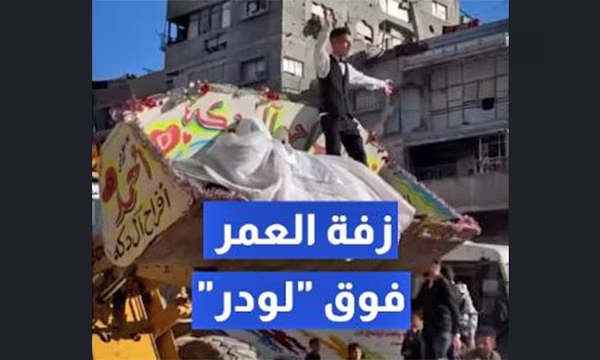
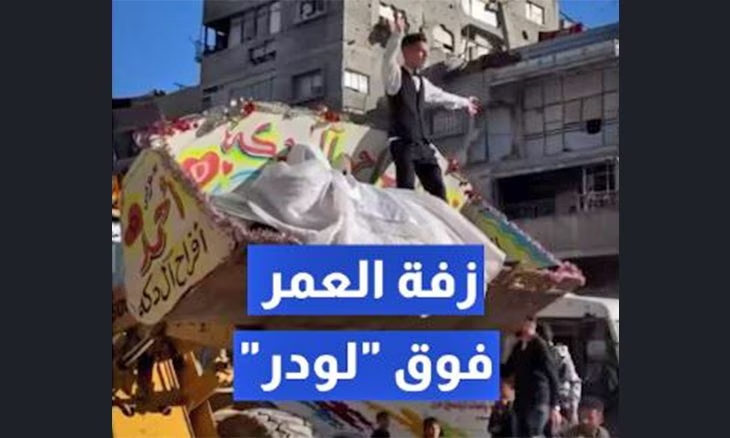
On the other side of the pain, specifically in the Gaza Strip, a different image of resilience emerged; where bulldozers accustomed to clearing rubble became platforms for weddings. There, a bride in her pristine white dress was paraded atop a massive bulldozer 'scoop', in a surreal scene that breaks the intensity of the gray color dominating the shattered city. This joy was not merely a traditional celebration, but a cry in the face of annihilation, and an affirmation that the will to live is capable of snatching moments of happiness from the jaws of catastrophe.
Connecting the suffering of the displaced mother in Lebanon and the resilient bride in Gaza reflects the unity of pain and destiny in the region. Wars that steal the innate sense of security always fail to strip away the inner dignity of humanity. While civilians and children pay the highest price for war decisions, clinging to life, whether by protecting a child or holding a wedding amidst the ruins, remains the greatest human miracle that proves the human heart is stronger than all tools of destruction.
Gaza does not dance because it does not hurt, but dances because it hurts so much; joy amidst death transforms into a small miracle.
Share your opinion
Between the Alleys of the South and the Rubble of Gaza.. Mothers Carry Nations and Weddings Defy Annihilation