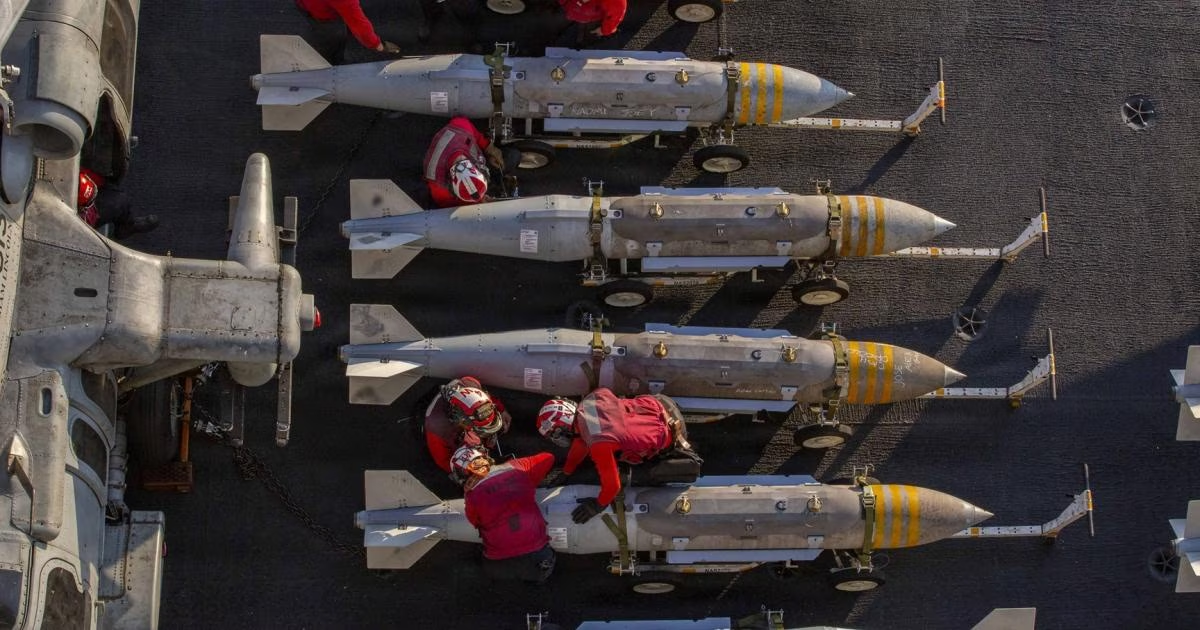







The United States faces an unprecedented strategic challenge in the erosion of its advanced weapons stockpiles, following recent military operations against Iran. Recent military reports and analyses indicate that the rapid rate of ammunition consumption raises deep questions about the US military's ability to engage in large-scale conflicts in the near future, especially with increasing tensions in other parts of the world.
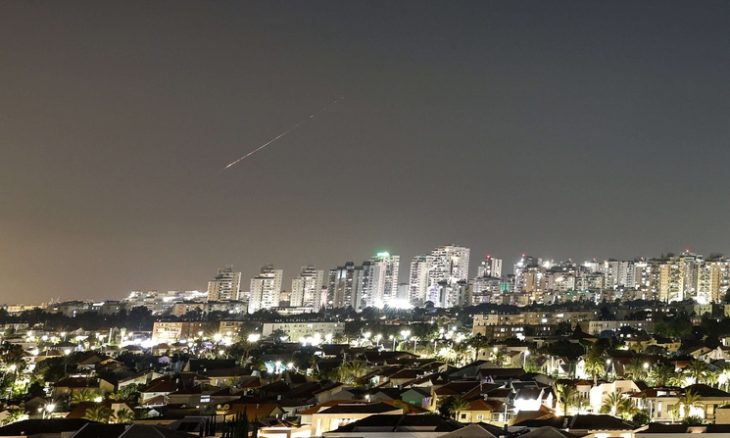
According to data released by the Center for Strategic and International Studies, US forces depleted approximately 45% of their total inventory of precision-guided missiles in just seven weeks. The depletion did not stop there but also affected vital air defense systems, with at least 50% of 'THAAD' ballistic missile interceptor missiles lost, in addition to a similar percentage of the famous 'Patriot' missiles.
Leaked figures, which align with internal Pentagon assessments, indicate that the US arsenal also lost about 30% of its 'Tomahawk' cruise missiles and more than 20% of its long-range air-to-ground guided missiles. Reports also recorded a 20% shortage in SM-3 and SM-6 naval interceptor missiles, reflecting immense pressure on the defensive and offensive capabilities of the US Navy.
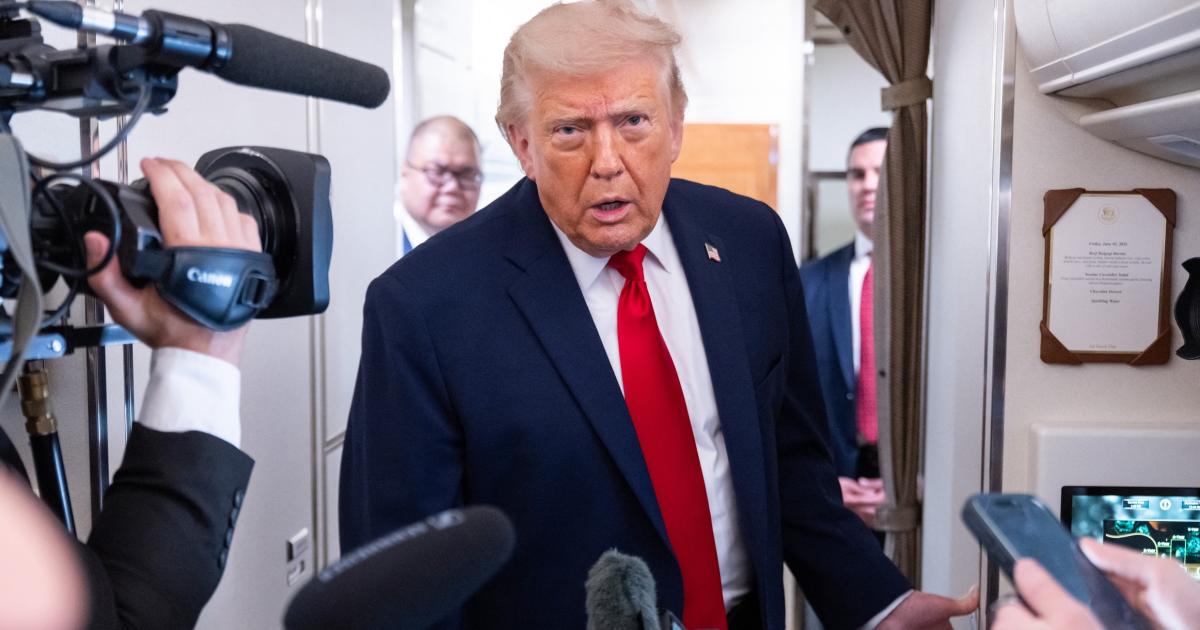
These shocking numerical data clearly contradict the public statements of US President Donald Trump, who recently asserted that his country does not suffer from any shortage of military equipment. Despite this denial, the additional funding requests submitted by the US administration to compensate for the shortages resulting from the Iranian war confirm the existence of a real crisis in military supply chains.
Although the US Department of Defense has signed a series of massive contracts with military manufacturing companies to expand production lines, experts warn about the time factor. According to estimates from the Center for Strategic Studies, the delivery of replacement systems will take between three and five years, a long period that could leave Washington in a state of strategic vulnerability.
While analysts believe that the United States may have enough bombs to continue operations against Iranian targets if the current de-escalation collapses, the greater danger lies in confronting an equivalent adversary. The remaining ammunition in warehouses is no longer sufficient to fight a comprehensive war against a major power like China, which puts US defense plans in the Pacific at stake.
For his part, Mark Cancian, a retired Marine Corps colonel, explained that high military spending in recent weeks has created clear security gaps in the Western Pacific region. Cancian added that replenishing these stockpiles to their normal levels could take one to four years, while reaching the required deterrence levels would require additional years of continuous effort.
In contrast, the US Department of Defense is trying to reassure allies and the domestic audience, with Pentagon spokesman Sean Parnell stating that the military remains fully prepared to carry out its assigned missions. Parnell affirmed in press statements that US forces are capable of acting at the time and place determined by the Commander-in-Chief of the Armed Forces, despite the pressures imposed by the recent war.
Military leaders, including the Chairman of the Joint Chiefs of Staff, had previously warned that engaging in long military campaigns would inevitably affect US commitments to allies in Europe and Asia. Members of Congress, such as Senator Mark Kelly, also expressed concern about the ability of the US industrial base to keep pace with adversaries who possess massive and continuous production capabilities of missiles and drones.
High ammunition expenditures have increased vulnerabilities in the Western Pacific, and it will take years to replenish these stockpiles.

Share your opinion
Missile Depletion Crisis Haunts Washington: Has the US Lost its Military Edge After the Iran War?