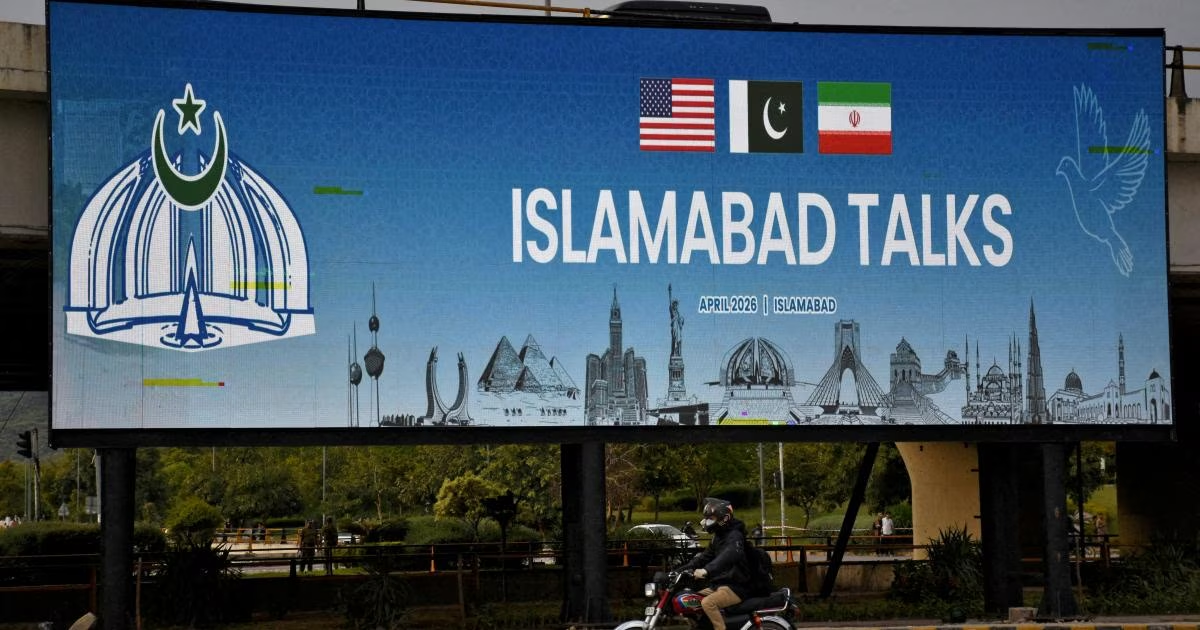







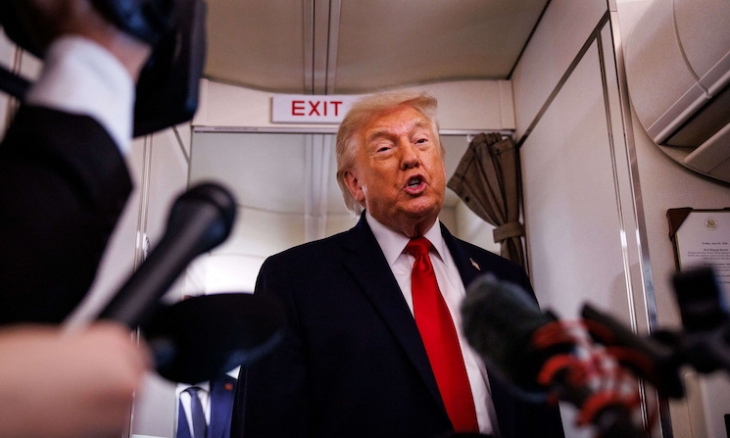
US President Donald Trump revealed new developments in the Iranian file, indicating that a general framework agreement has been reached with Tehran. In a media interview, Trump expressed cautious optimism about the course of the talks, emphasizing that reaching a final agreement is now possible despite the uncertainty surrounding the next phase.
These statements come ahead of the second round of negotiations scheduled to begin in the Pakistani capital, Islamabad, on Monday. These intensive diplomatic moves aim to end the conflict with Iran, especially as the deadline for the current ceasefire approaches.
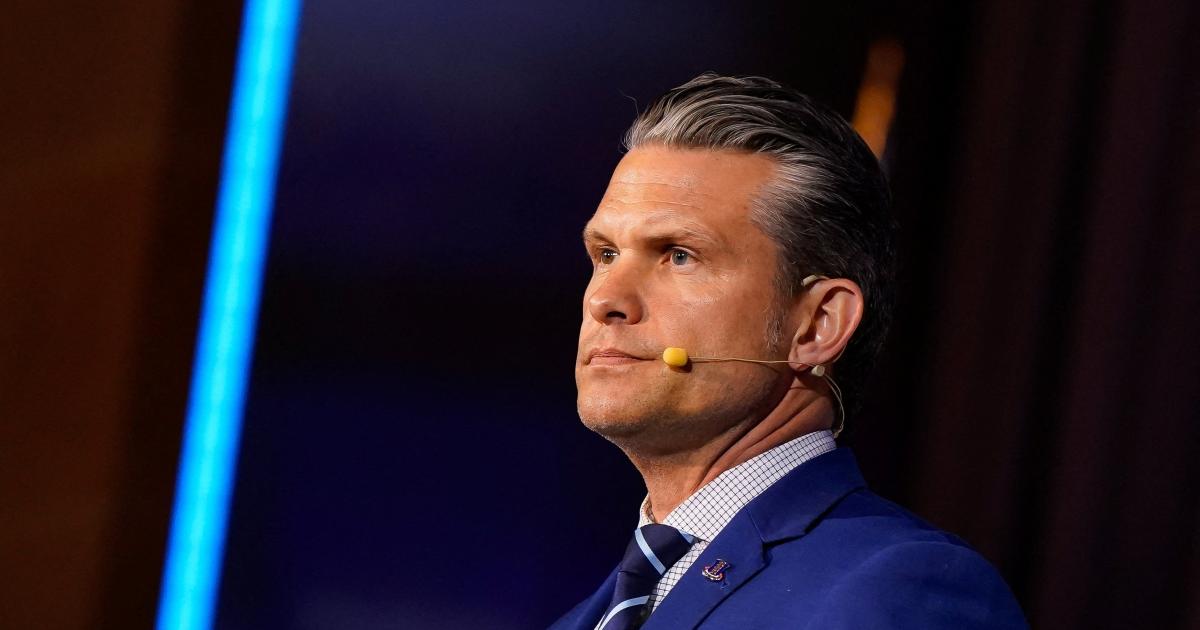
Sources in the White House confirmed that the United States will send a high-level delegation to participate in the Islamabad talks. The delegation includes prominent figures in the US administration, led by Vice President J.D. Vance, in addition to envoys Steve Witkoff and Jared Kushner, reflecting the importance Washington attaches to this round.
J.D. Vance will lead the US delegation in this crucial round of negotiations with the Iranian side. The US team seeks to translate the 'framework agreement' mentioned by Trump into executive provisions that ensure regional stability and permanently end military operations.
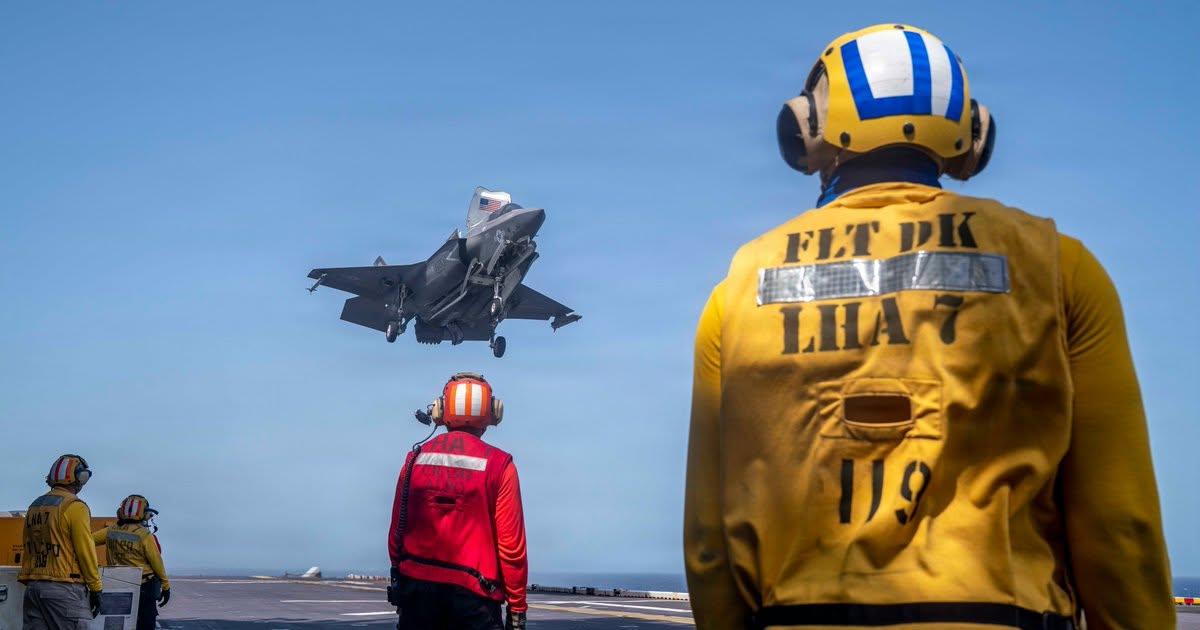
Coinciding with the diplomatic activity, the US aircraft carrier 'Gerald Ford' has returned to the waters of the Middle East, according to official sources. This military move comes amid escalating tensions, with Washington aiming to strengthen its field presence during the negotiation process.
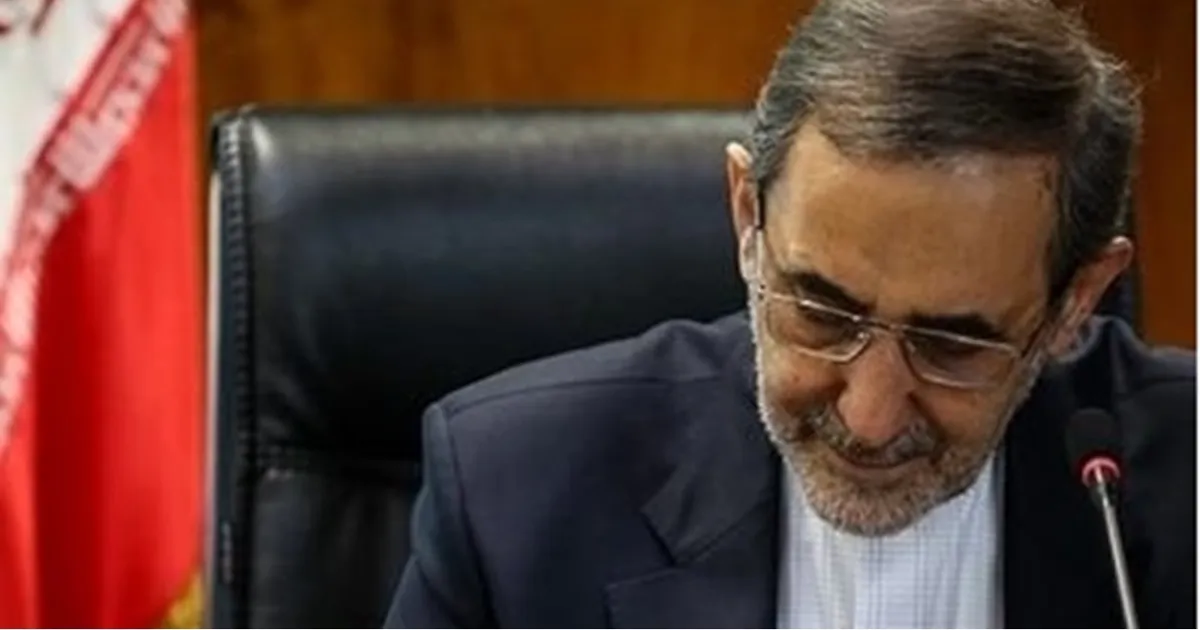
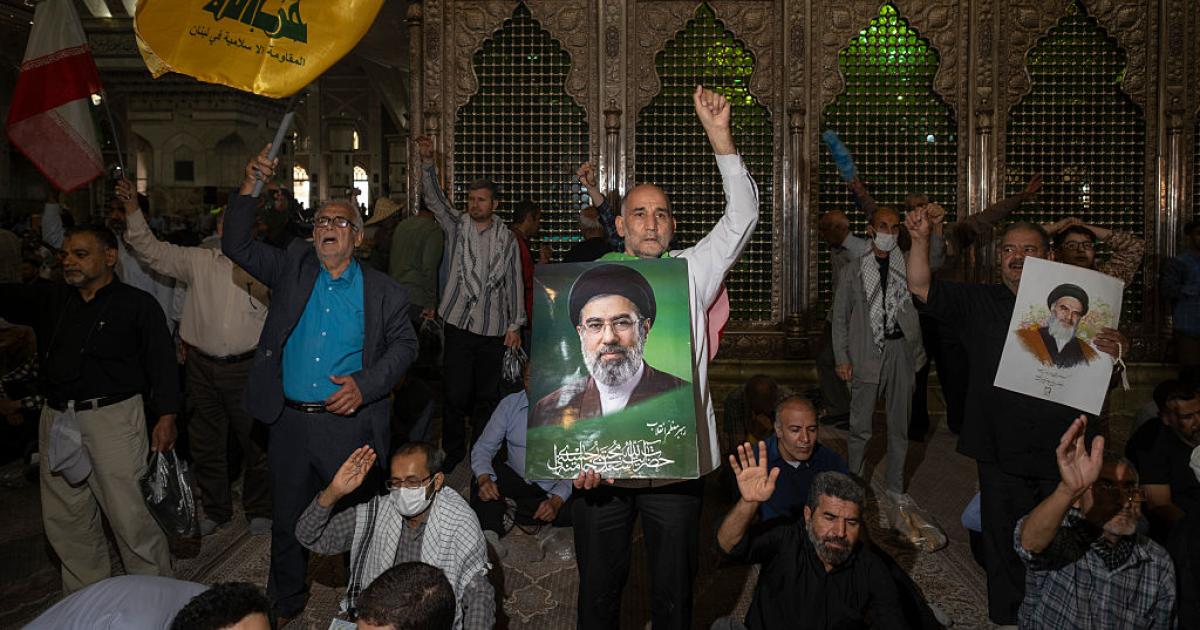
In contrast, a state of hesitation prevails in the Iranian capital, Tehran, where no final decision has been issued regarding participation in the Islamabad round. Informed sources reported that decision-making circles in Iran are still studying the feasibility of engaging in new negotiations under the current circumstances.
Iranian state media quoted its sources as saying that there are no clear prospects for the success of this round of talks or for making them fruitful. Tehran attributes this pessimism to what it describes as unrealistic and exaggerated American demands, which hinder reaching compromises that satisfy both parties.
Iran's Supreme National Security Council is still holding intensive meetings to study the implications of the current negotiation path. Iranian discussions focus on evaluating the US position and the seriousness of its commitment to previous understandings, away from the language of threats sometimes adopted by Washington.
Tehran strongly criticizes what it describes as the 'US naval blockade,' considering it a clear violation of the existing ceasefire understandings. Iranian official bodies believe that US military movements in the region contradict the stated desire to reach a diplomatic solution to the crisis.
Iranian sources described optimistic American statements about an imminent agreement as merely a 'media game' aimed at pressuring the Iranian negotiator. Tehran believes that Washington is trying to suggest positive progress to justify its positions before the international community, while fundamental obstacles remain unresolved.
I feel that we can reach an agreement with Iran, and a general framework agreement has already been reached, but we do not know where things will go.

Share your opinion
Trump Announces 'Framework Agreement' with Iran, Tehran Hesitates to Participate in Islamabad Negotiations