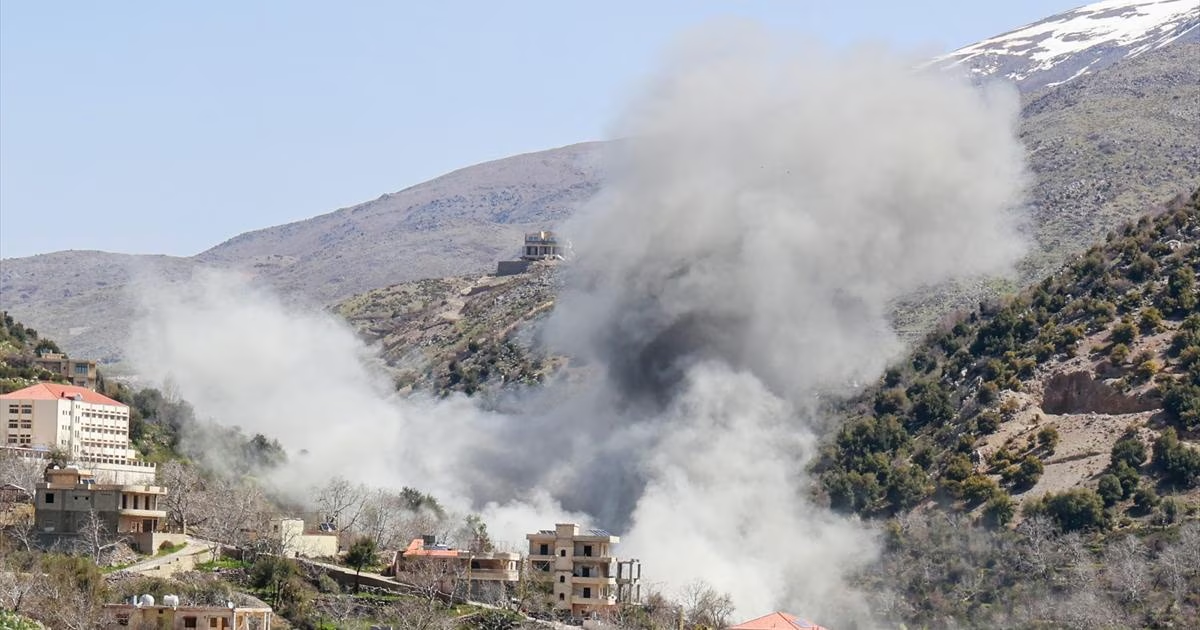







The Lebanese front is witnessing an unprecedented military escalation, as Israeli occupation forces have intensified their aerial raids and artillery shelling on wide areas in the South and Bekaa. According to field sources, the intense shelling targeted about 72 cities, towns, and villages, resulting in the martyrdom of 22 individuals, including three paramedics who died while performing their humanitarian duty, in addition to varying injuries among civilians.
In response, the resistance in Lebanon retaliated with a series of intensive operations since dawn on Wednesday, with Hezbollah announcing 59 attacks targeting occupation movements and vehicles. These attacks included 15 settlements and strategic military sites, reflecting the escalating pace of direct confrontation along the front lines.
The fiercest clashes are concentrated in the town of Bint Jbeil, where Hezbollah fighters are engaged in fierce battles against the encroaching forces attempting to besiege the town for days. The occupation army admitted that five of its soldiers sustained varying injuries after being hit by a precise rocket barrage targeting their gatherings in the vicinity of the town.
Reports from the field indicate that the occupation is actively seeking to impose a buffer zone in the eastern sector, while expanding the scope of its military operations deeper into the territory. Local sources observed intense artillery shelling on the town of Debbine, described as covering fire to facilitate attempts at ground advancement towards the heights of Rihan and Balat.
Politically, the meeting of the Israeli Ministerial Cabinet (the Cabinet) concluded without reaching a final formula regarding a ceasefire agreement. Informed sources stated that the discussions did not translate into practical decisions, despite increasing international pressure and proposals put forward for discussion in recent hours.
Media reports quoted Israeli officials saying that US envoy Steve Witkoff presented a new proposal for de-escalation, aimed at ending the ongoing hostilities. This proposal was the subject of intensive discussions, but the divergence of views within the Israeli government prevented its approval so far.
In a remarkable diplomatic development, sources revealed a direct meeting between Israeli and Lebanese officials last Tuesday, the first of its kind in four decades. The meeting focused on discussing ways to de-escalate, but the field results still indicate the continuation of the military confrontation option.
Observers believe that the occupation's intensification of its operations in the eastern sector aims to achieve field gains before submitting to any potential political agreement. These moves come amidst an atmosphere of anticipation that prevailed in political circles after talks of an imminent breakthrough in understandings under direct American patronage.
Despite the hopes that have recently revived regarding the possibility of stopping the bloodshed, the stubborn Israeli stance remains the main obstacle. This is the third time that high expectations for de-escalation have been raised only to end without tangible results due to the occupation's insistence on continuing the aggression.
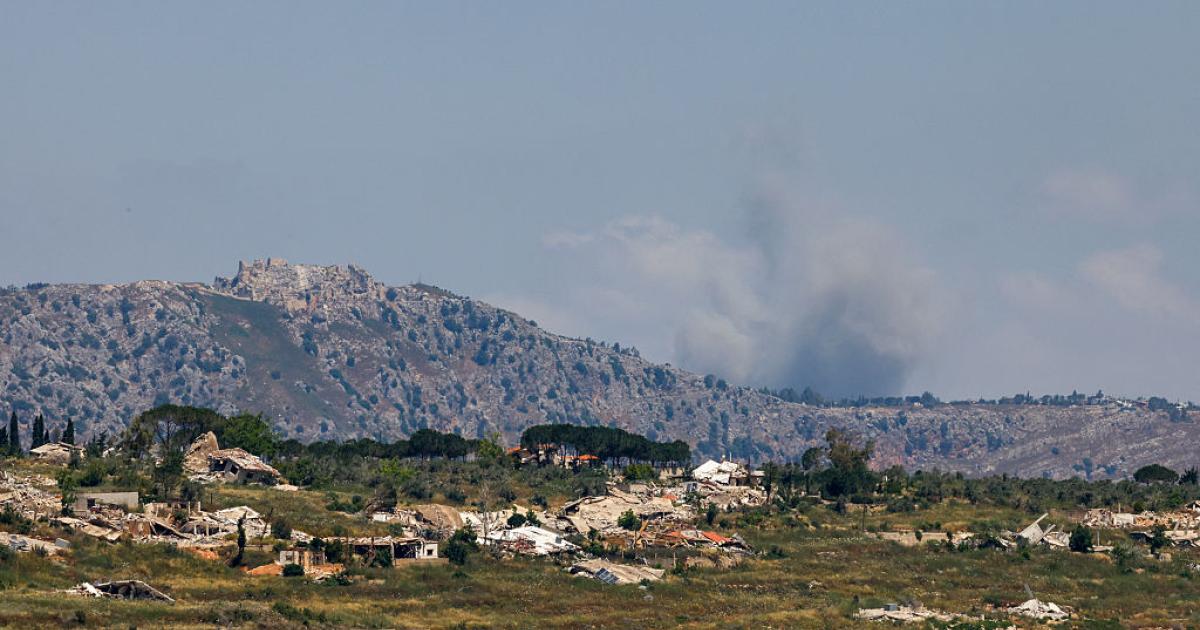
On the ground, the town of Debbine, located north of the city of Khiam, remains a focal point in the current conflict, as the occupation army attempts to control it to open new axes. The resistance is fiercely confronting these attempts, using rockets and artillery to impede the advance of Israeli vehicles in that rugged area.
Amidst this political deadlock, the humanitarian situation in southern Lebanon is likely to further deteriorate with the continued targeting of medical teams and public facilities. Rescue teams continue search operations under the rubble in the targeted towns, amid warnings of the expansion of shelling to include new populated areas in the Bekaa and the South.
The Israeli Cabinet meeting concluded without any actual decision regarding the approval of the ceasefire proposal on the Lebanese front.

Share your opinion
Widespread Field Escalation in Southern Lebanon and Israeli Cabinet Postpones Ceasefire Decision