






Political skepticism is escalating in Lebanon regarding the efficacy of the new negotiation tracks sponsored by the United States to de-escalate the situation in the South. Influential political forces considered that any diplomatic move not based on clear guarantees and explicit Israeli commitments would remain mere attempts to sell illusions, especially in light of previous experiences with international agreements that Tel Aviv did not respect.
In this context, Hassan Qabalan, a member of the Political Bureau of the Amal Movement, affirmed that the movement's official position is firm and clear, and has been communicated to the President of the Republic and the Prime Minister through Speaker Nabih Berri. Qabalan pointed out in media statements that Lebanon possesses an international legal reference represented by Resolution 1701, warning against being drawn into what he described as 'the mirage of negotiations' that do not serve Lebanese national interests.
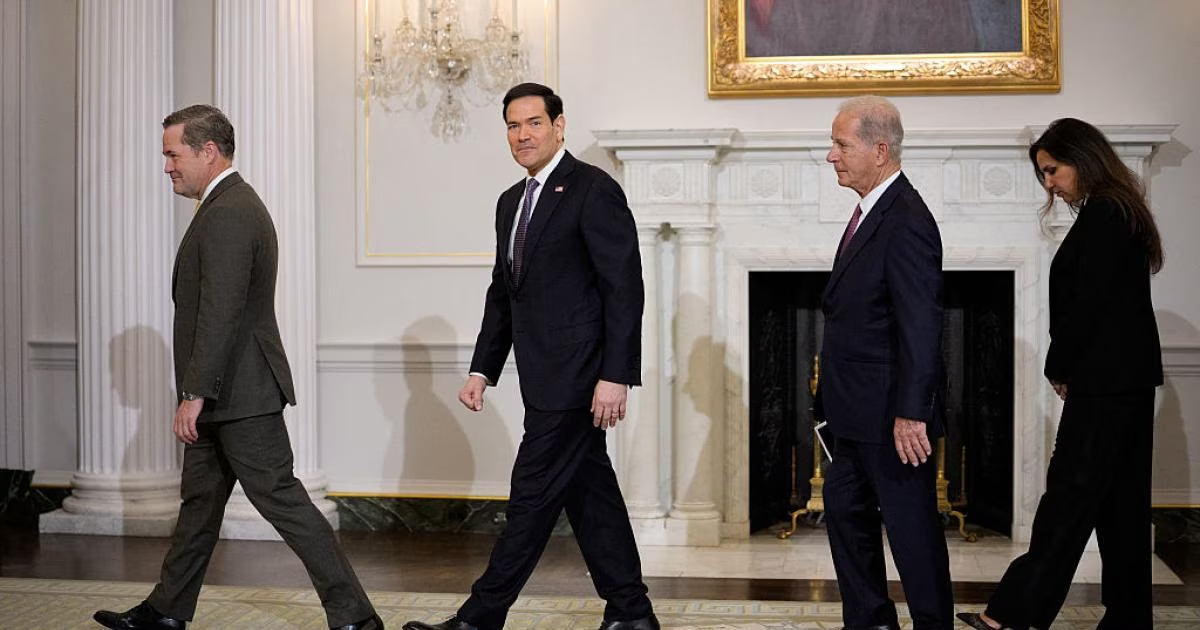
This stance comes after the conclusion of a round of talks in Washington, the capital, between delegations from Lebanon and Israel, the first of its kind in many decades. Despite the hopes expressed by Lebanese President Joseph Aoun that this step would contribute to alleviating the suffering of the Lebanese people, US Secretary of State Marco Rubio quickly lowered expectations, emphasizing that outstanding and complex issues cannot be settled in short sessions lasting no more than six hours.
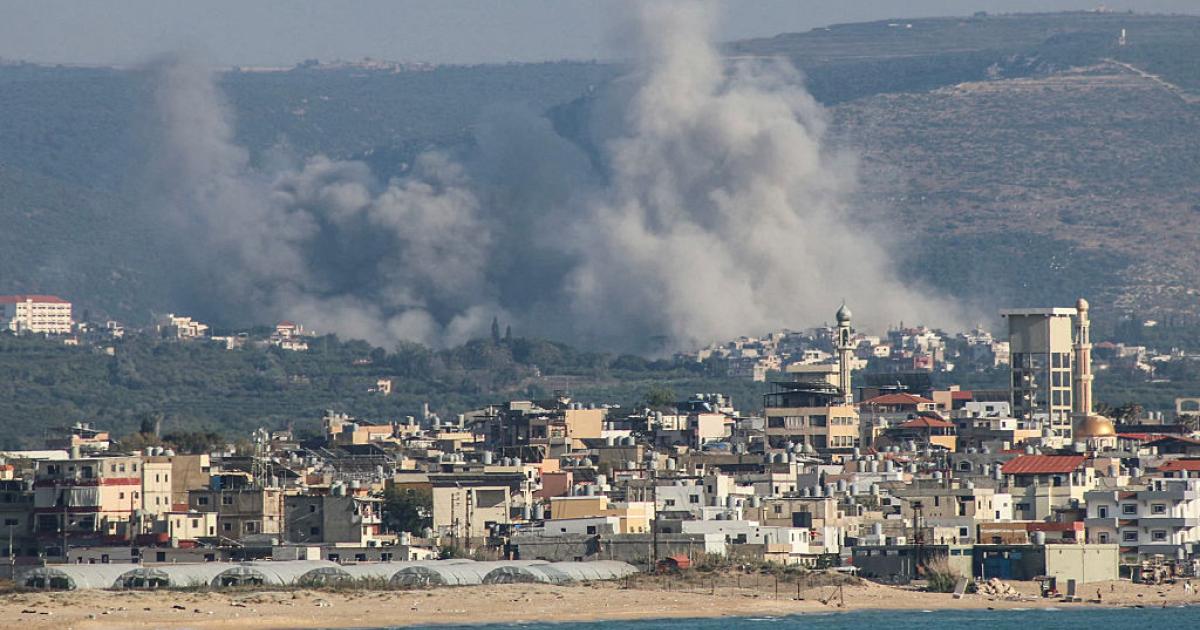
Qabalan stressed that the reality on the ground completely contradicts any serious negotiating intentions, as Israeli forces continue systematic destruction operations and the bombing of homes in border villages extending from Naqoura to Khiam. He explained that this policy clearly aims to create a buffer zone and prevent the return of normal life to the border strip, which undermines the foundations of any potential diplomatic rapprochement at the present time.
The Amal Movement leader reviewed Lebanon's commitment to international agreements, noting that Lebanon has fulfilled what is required of it in the area south of the Litani, as acknowledged by major international powers. Approximately 9,500 Lebanese army soldiers have been deployed and military installations dismantled, steps that have received American and European praise, and even from the Israeli side itself in previous stages, without a similar commitment from the other party.
Qabalan pointed out that Resolution 1701, which was re-emphasized in November 2024, included clear mechanisms through the 'Mechanism' committee, which includes UNIFIL and other international parties. He considered that bypassing these mechanisms and moving towards new tracks is a waste of time, especially since Israeli leaders themselves, including their ambassador in Washington, downplayed the importance of these negotiating moves and mourned them before they even began.
Qabalan concluded that any negotiation process requires creating an atmosphere that reflects genuine positive intentions, which is completely lacking in the current reality. He affirmed that the Amal Movement does not get drawn into daily statements, but rather adheres to a national position that protects Lebanese sovereignty and is based on international resolutions that guarantee Lebanon's rights and put an end to continuous Israeli violations by land, sea, and air.
Lebanon has a previous international resolution and does not need to pursue the mirage of negotiations that many parties, and even Israeli leaders, have already dismissed.

Share your opinion
Amal Movement Questions the Efficacy of Washington Talks and Adheres to Resolution 1701