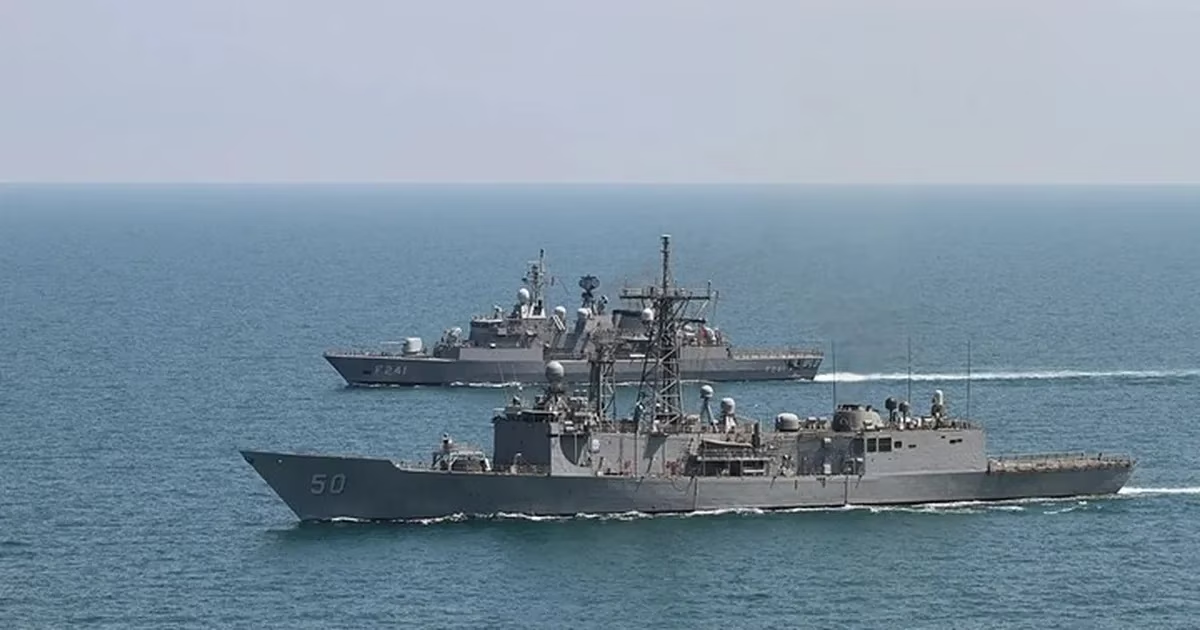







The region entered a new phase of military escalation with the US Army's announcement on Monday that it had officially begun implementing a comprehensive naval blockade on Iran. This step aims to restrict navigation to and from all Iranian ports, following the failure of the Islamabad negotiations, which sought to reach an agreement to end the military operations that began on February 28.
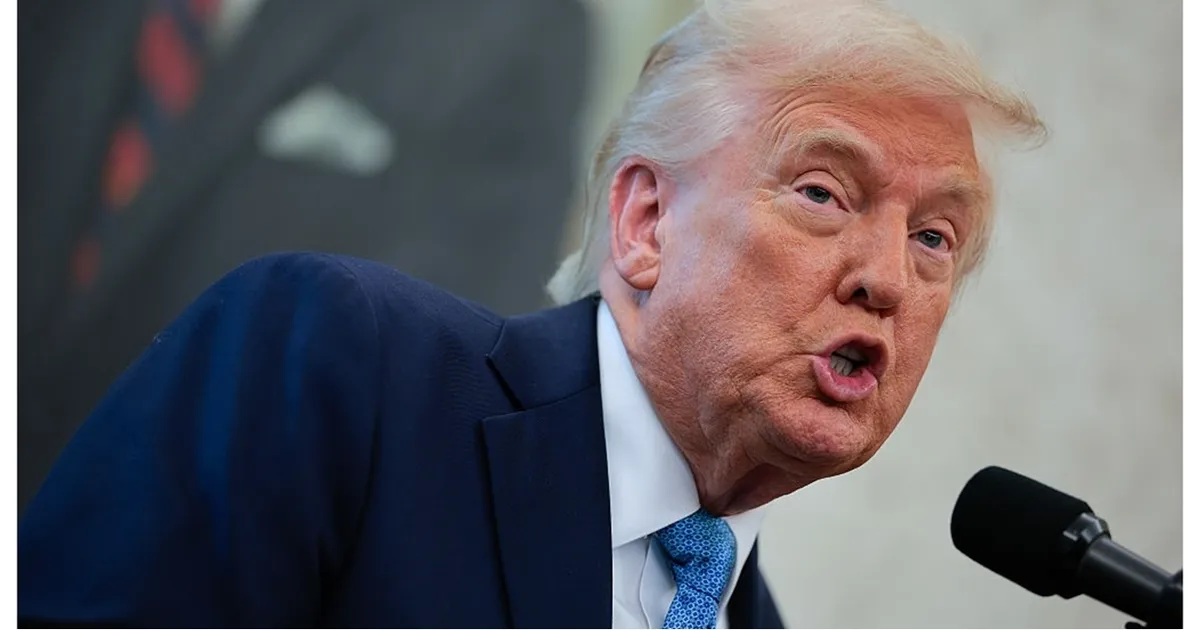
Military sources clarified that the field movement comes in implementation of direct instructions from President Donald Trump, which stipulate imposing full control over ships attempting to cross the Strait of Hormuz towards Iran. The US Central Command affirmed that this blockade exclusively targets Iranian supplies, emphasizing its commitment not to obstruct international navigation for ships heading to ports of other countries in the region.
Historically, naval blockades have not been mere fleeting military measures but have represented a strategic tool to stifle the economies of adversaries, as was evident in the American Civil War (1861-1865). Union forces implemented the famous 'Anaconda Plan,' which imposed a blockade on the Southern states to prevent cotton exports and arms imports, leading to the depletion of the South's military capabilities and its fall.
In World War I, Britain used the naval blockade weapon against Germany between 1914 and 1919, which caused a devastating humanitarian crisis and a severe food shortage. Historical reports indicate that this blockade was a decisive factor in the Allies' victory, despite its heavy human cost, which amounted to hundreds of thousands of deaths due to hunger and disease.
World War II witnessed another chapter of blockade conflicts during the 'Battle of the Atlantic,' where German submarines attempted to isolate Britain from its supplies coming from the United States. Despite Britain reaching the brink of starvation, technological advancements in sonar and radar systems enabled the Allies to break the blockade and neutralize the threat of Nazi submarines.
During the height of the Cold War in 1962, the Cuban Missile Crisis emerged as one of the most dangerous nuclear confrontations when Washington imposed a naval 'quarantine' on Cuba. The goal was to prevent the arrival of Soviet missiles, and the crisis ended with a secret agreement to remove missile bases in exchange for a US pledge not to invade the island and to remove similar missiles from Turkey.
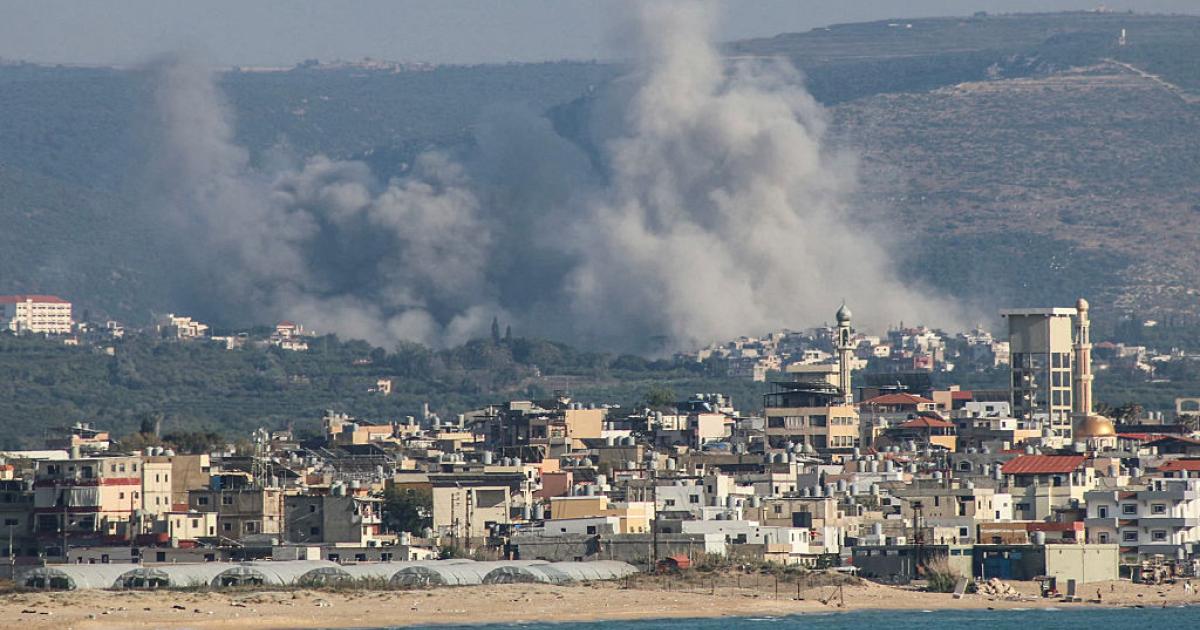
In the modern era, the Israeli blockade imposed on the Gaza Strip since 2007 stands out as the longest continuous naval and land blockade, whose intensity has unprecedentedly increased since October 2023. This blockade has restricted fishing areas and prevented the arrival of commercial ships, and witnessed bloody confrontations in international waters, such as the incident of the Turkish ship 'Mavi Marmara' in 2010.
Observers believe that Washington's recourse to this option against Tehran reflects a desire to exert 'maximum pressure' by drying up Iran's national income sources, which rely on maritime exports. Attention is now turning to the Strait of Hormuz, the most vital waterway in global energy trade, to monitor Iran's reaction to these measures that threaten regional stability.
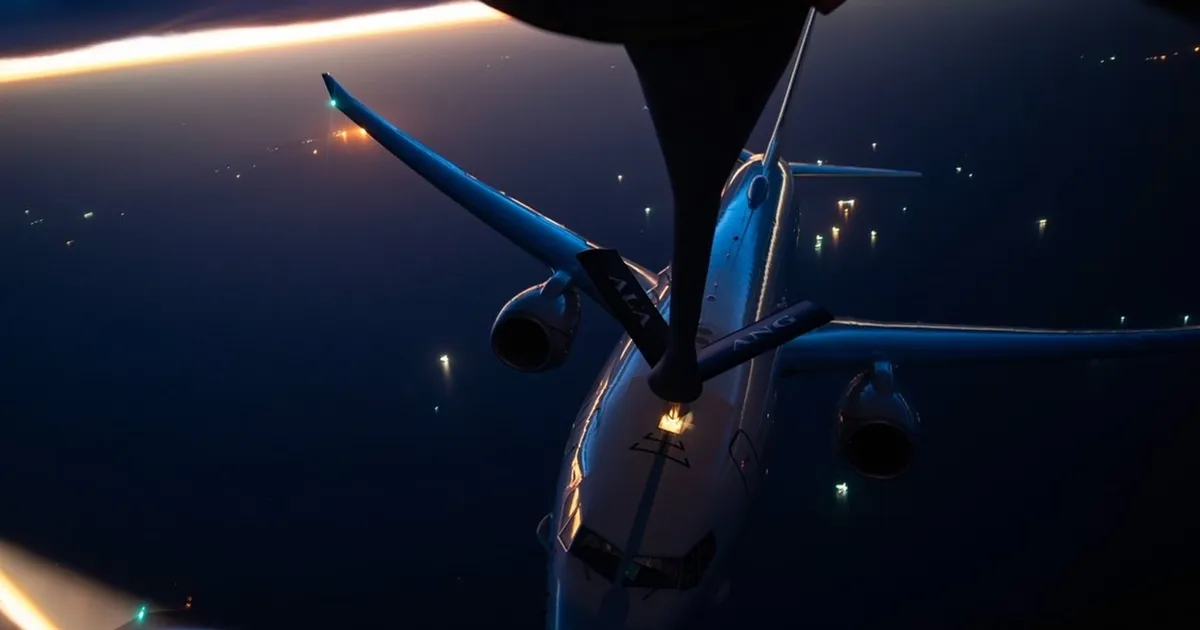
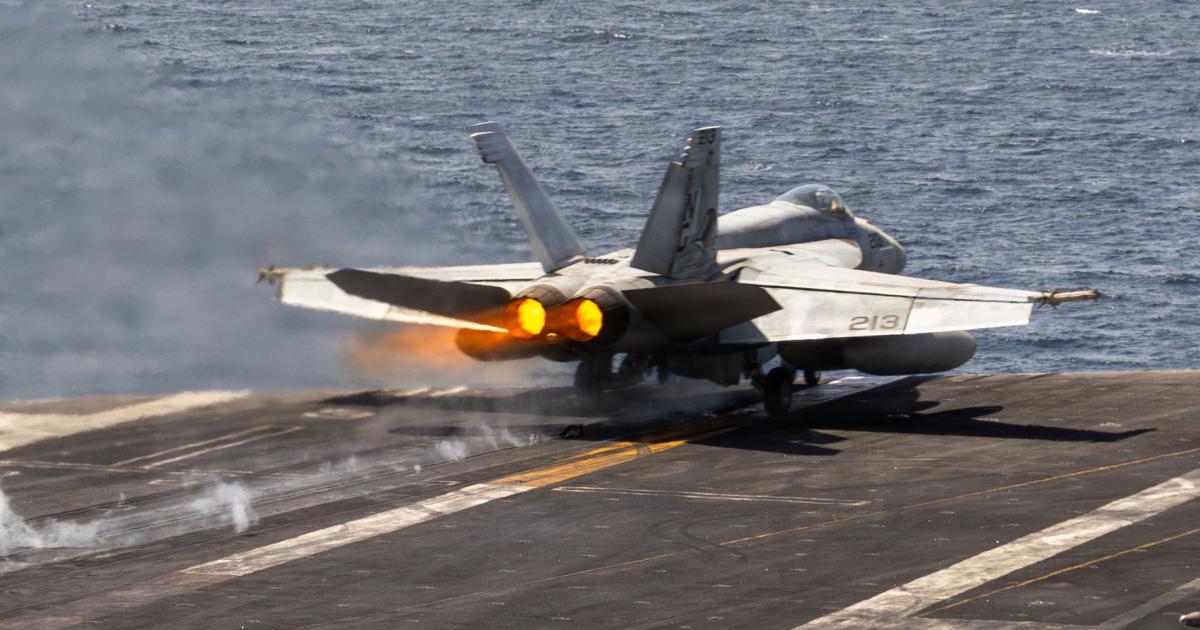
The current blockade is not limited to military aspects but extends to include legal and international dimensions related to freedom of navigation in international waterways. Sources confirm that the US Central Command has deployed additional naval units to ensure the implementation of the decision, with close monitoring of all tankers crossing the Gulf of Oman and the Arabian Gulf to ensure no violation of the ban.
Returning to historical lessons, naval blockades are often a prelude to major political shifts or internal economic collapses for besieged countries. In the Iranian case, it appears that Washington is betting that preventing access to vital ports will force Tehran to make fundamental concessions on its regional and nuclear files.
International concerns are growing that this blockade could lead to a direct clash at sea, especially if Iranian or allied ships attempt to break the American security cordon. Major powers such as China and Russia are cautiously monitoring the situation, given the impact of these developments on global oil prices and supply chains passing through the region.
On the humanitarian front, previous blockade experiences raise questions about the extent to which civilians in Iran will be affected by these measures, especially in light of potential shortages of basic necessities. Despite Washington's assurances that the blockade targets the regime, historical evidence in Germany, Cuba, and Gaza confirms that peoples bear the brunt of these strategies.
The Strait of Hormuz now represents the focal point of this conflict, through which about a fifth of the world's oil supplies pass, and any serious obstruction there could lead to a global economic crisis. The new US blockade puts international navigation to a real test, amid questions about the international community's ability to balance political pressures with maritime laws.
In conclusion, the naval blockade on Iran remains a new chapter in an extended conflict, combining traditional warfare tools and modern economic attrition. With the continued blockade on Gaza as a contemporary model, it seems that the world is moving towards increased use of the 'weapon of ports' as a tool to resolve political and military disputes in the twenty-first century.
The measures will apply only to ships traveling to and from Iran, including all ports on the Gulf and the Gulf of Oman, and will not impede the freedom of navigation for other ships.

Share your opinion
Washington begins a comprehensive naval blockade on Iran, and the history of conflicts recalls 5 similar experiences