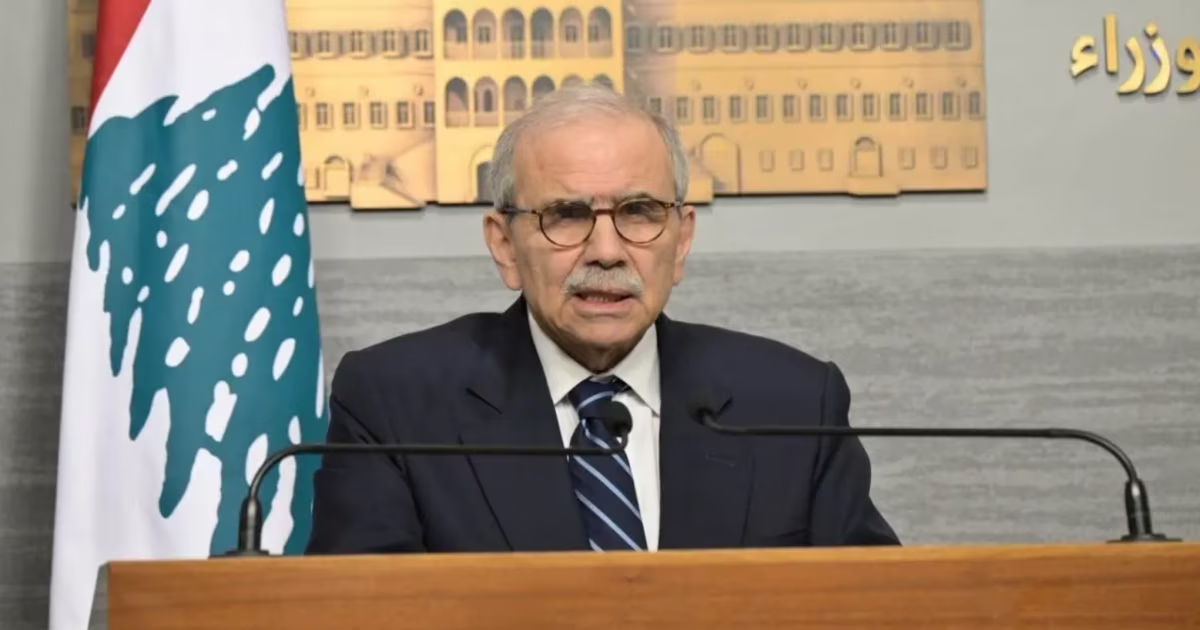







Lebanese Prime Minister Nawaf Salam affirmed that the Lebanese government prioritizes stopping the Israeli aggression and ensuring a complete withdrawal of occupation forces from Lebanese territories. Salam clarified in a speech addressed to the Lebanese people that diplomatic efforts are ongoing to end the war through available negotiation channels.
The Prime Minister indicated that Lebanese efforts are primarily based on the initiative presented by President Joseph Aoun, which aims to reach an agreement guaranteeing national sovereignty. These statements come at a sensitive time, preceding the start of an anticipated round of negotiations in Washington between representatives from Lebanon and Israel next Tuesday.
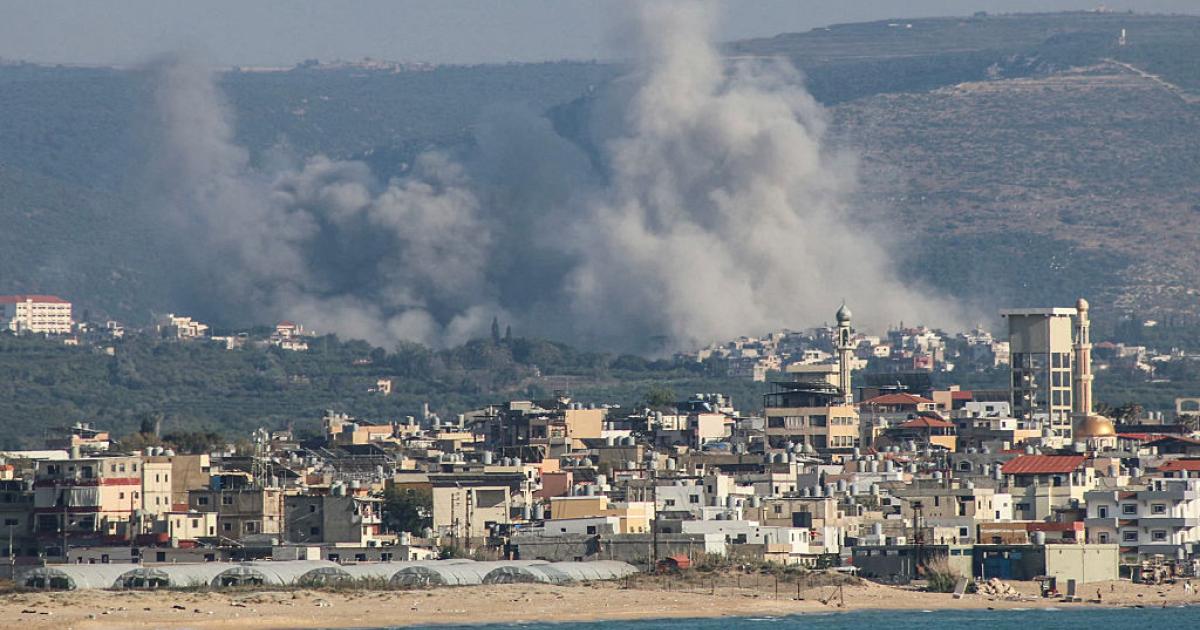
On the ground, sources reported that the past forty-eight hours witnessed a relative calm in the pace of airstrikes on the capital Beirut and its southern suburbs. However, this calm in the center was met with an unprecedented military escalation on the southern Lebanese fronts, where the occupation intensified its aerial and artillery strikes.
Sources recorded dozens of daily raids targeting the western, central, and eastern sectors of southern Lebanon, with intense focus on towns in the rear lines. The attacks targeted the city of Nabatieh and its surrounding villages, leading to widespread destruction of property and infrastructure and more casualties.
The toll of the ongoing Israeli aggression since early March has risen to approximately 2055 martyrs, while the number of injured has exceeded 6400. In recent hours, occupation forces committed bloody massacres in the towns of Maaroub, Qana, and Tuffahta, following successive raids targeting inhabited homes.
In the context of ground confrontations, the city of Bint Jbeil has become an arena for the fiercest battles between Hezbollah fighters and encroaching occupation forces. Israeli units are attempting to control the city due to its geographical importance and historical symbolism linked to resistance against occupation since 2000.
Field reports indicate that occupation forces advanced from rugged axes through the town of Ain Ebel, reaching a distance estimated at about 200 meters from the city's stadium. Despite this field advance, Israeli forces have not yet succeeded in imposing full control over residential neighborhoods or key landmarks.
For its part, Hezbollah continues to carry out intensive military operations against gatherings of occupation soldiers and their vehicles in the vicinity of Bint Jbeil and within some of its neighborhoods. These operations aim to prevent occupation forces from consolidating their positions or turning the city into a launching pad for deeper operations inside Lebanese territory.
Regarding rocket fire, Hezbollah launched successive volleys targeting settlements in the Western Galilee, Kiryat Shmona, Avivim, and Margaliot. The shelling also targeted the Meron air surveillance base and military sites in the occupied Syrian Golan, as a response to the massacres committed against civilians.
Monitoring the pace of sirens inside the occupied territories indicates that resistance operations are occurring at a rate of approximately one operation per hour. This continuous rocket fire reflects Hezbollah's ability to maintain its command and logistical system despite the intensity of Israeli airstrikes.
Observers believe that the current Israeli escalation aims to achieve major field gains before sitting at the negotiating table in the United States. The occupation army seeks to expand its control in the central sector to strengthen its negotiating position and impose a new reality on the border.
The depth of the Israeli incursion at some border points reached between 8 to 9 kilometers, where the occupation is trying to establish military strongholds. The battle of Bint Jbeil is considered the toughest test for both sides, as it represents a significant demographic and military weight in the border operations area.
Coinciding with these developments, Israeli Prime Minister Benjamin Netanyahu paid an inspection visit to the forces encroaching in southern Lebanon. Lebanese sources considered this visit to carry escalatory messages and confirm the occupation's insistence on continuing the ground operation despite international diplomatic movements.
In conclusion, southern Lebanon is experiencing its bloodiest and most violent phase in weeks, amidst the absence of any real signs of immediate de-escalation. The field remains the primary driver of the anticipated negotiations, given Lebanon's insistence on the withdrawal of the occupation from all its occupied territories.
We will continue to work to stop this war and ensure the Israeli withdrawal from all our territories through negotiation and proposed initiatives.


Share your opinion
Salam affirms efforts to stop the war and withdrawal of occupation amidst fierce battles in Bint Jbeil