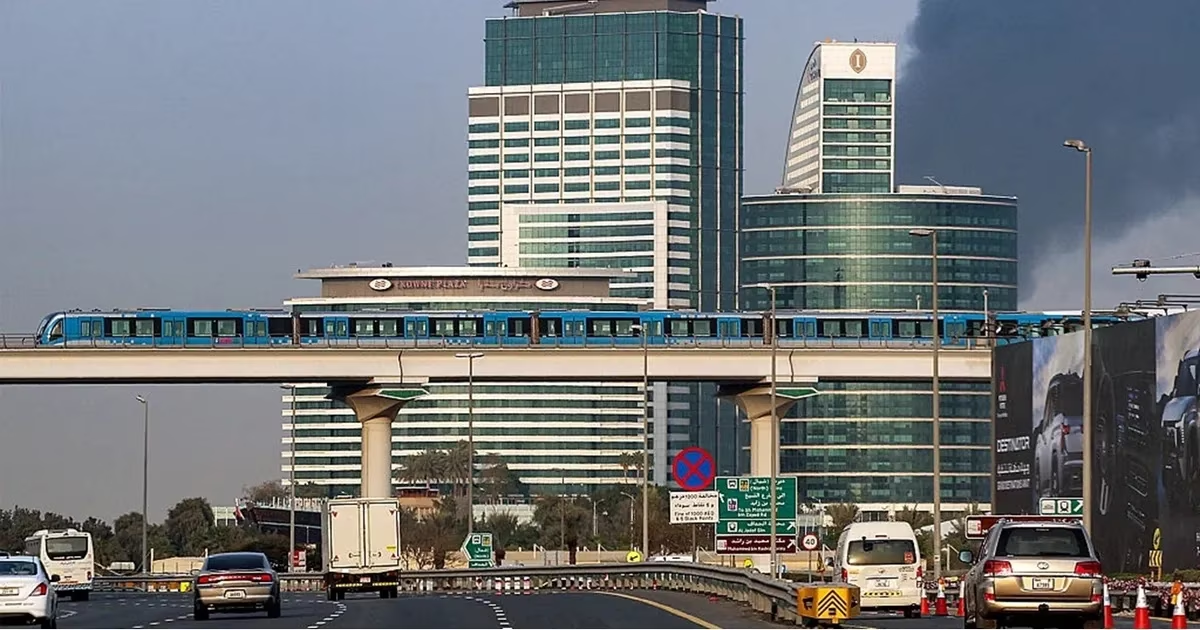







International press reports have highlighted the existential challenges facing the development model in the Arab Gulf states, following the military escalation led by US President Donald Trump against Iran. Analyst Steven Cook, in an article published by 'Foreign Policy' magazine, pointed out that military operations carried out without sufficient consideration of their consequences have placed the region's stability and emerging economies in immediate danger.
Cook considered that Gulf cities, which were once classified as side interests for researchers in genealogy and tribes, have transformed over the past decade into global centers of gravity, rivalling historical capitals such as Cairo and Damascus. He explained that Saudi Arabia, the UAE, and Qatar have made tremendous efforts to rebuild their societies and economies, creating a unique development model based primarily on attracting investments and global talent.
However, this model, which aims to transform Dubai, Abu Dhabi, Doha, and Riyadh into centers for advanced technology and logistics services, is now threatened by direct confrontation with Tehran. Analytical sources believe that the recent war has raised serious questions about these countries' ability to protect their urban and economic achievements in light of the imbalance in regional deterrence.
According to the analytical reading, current diplomatic maneuvers may lead to Iranians gaining unprecedented influence in the Strait of Hormuz, a vital waterway for global energy supplies. This influence will enhance Tehran's ability to threaten its neighbors with missiles and drones, thereby weakening the fundamental pillar of Gulf development: sustainable regional security.
Despite the internal political stability enjoyed by the Gulf states under their current leaderships, reliance on US military bases is no longer sufficient to curb tensions. Events following the Gaza war in October 2023 showed that Gulf states tried to distance themselves from regional conflicts to continue their development paths, but later found themselves in the eye of the storm.
Sources indicate that Gulf states continued to pump billions of dollars into mega-projects and attract major technology companies even at the height of the Israeli conflict in Gaza and Lebanon. The Gulf bet was that these conflicts would not hinder economic transformation plans, which seemed largely successful until the direct confrontation between Washington and Tehran erupted.
In June 2025, with the start of reciprocal attacks, Al Udeid Air Base in Qatar was hit by Iranian strikes, and despite the limited material damage, the political message was clear. Saudi Arabia, the UAE, and Qatar realized that Iran's capabilities and intentions exceeded the US administration's estimates, prompting regional leaders to clarify their rejection of involvement in any offensive plans.
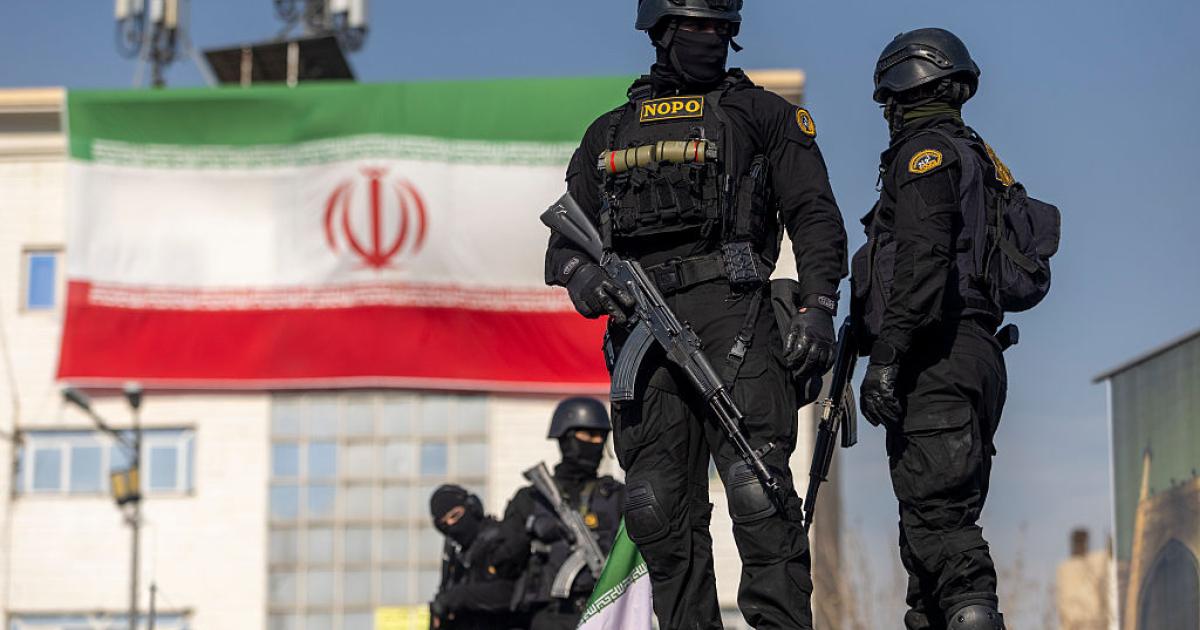
However, this neutral stance did not prevent the war from spreading to the heart of the Gulf in recent weeks, where energy infrastructure and the technology sector in the UAE were subjected to intense attacks. Reports indicated that the Iranian Revolutionary Guard targeted data centers in Bahrain and oil facilities in Kuwait, reaching the vital Ras Laffan facility in Qatar.
Iranians launched thousands of missiles and drones targeting Saudi oil refineries and pipelines, causing a shock among international investors. These systematic attacks were not merely a military response but appeared to be a strategic plan to threaten the economic arteries of the GCC states and force them to make political concessions.
Regarding ceasefire efforts, Cook believes that the Iranian peace plan being negotiated by Washington bodes ill for the region's countries. Iranian demands for control over the Strait of Hormuz and linking safe passage to coordination with its armed forces practically mean imposing a 'khawat' system or financial fees that might even be paid in digital currencies.
Observers believe that Trump's openness to considering these Iranian demands represents a dangerous retreat from commitments to protect international freedom of navigation. If this reality takes hold, Gulf states will find themselves forced to rely on Tehran's 'goodwill' or pay huge sums to a country that was bombing their cities and facilities just weeks earlier.
The damage to the stereotypical image of the Gulf as an oasis of security and business represents the greatest loss in this confrontation, as investors now fear the fragility of stability in the face of suicide drones. This new reality compels the leaders of Riyadh, Abu Dhabi, and Doha to reconsider their national priorities and allocate huge budgets to strengthen air defenses and protect cities.
Gulf leaders may again resort to a 'hedging' policy by strengthening relations with Beijing, seeking a lost balance amid American confusion in the region. The move towards China for advanced weapons or political guarantees has become a strong option to counter the long-term repercussions of American recklessness regarding the Iranian issue.
In conclusion, it seems that recovery from the effects of this round of conflict will take a long time and will not merely be a matter of repairing damaged oil facilities. The real challenge lies in restoring international confidence in the Gulf development model and proving its ability to withstand an regional environment that has become more hostile and complex than ever before.
The Gulf development model, based on political stability and regional security, now faces existential questions after technology and energy cities have become targets for Iranian missiles.

Share your opinion
Foreign Policy: Trump's Military Adventures Put the 'Gulf Model' at Risk Amid Iranian Threats