





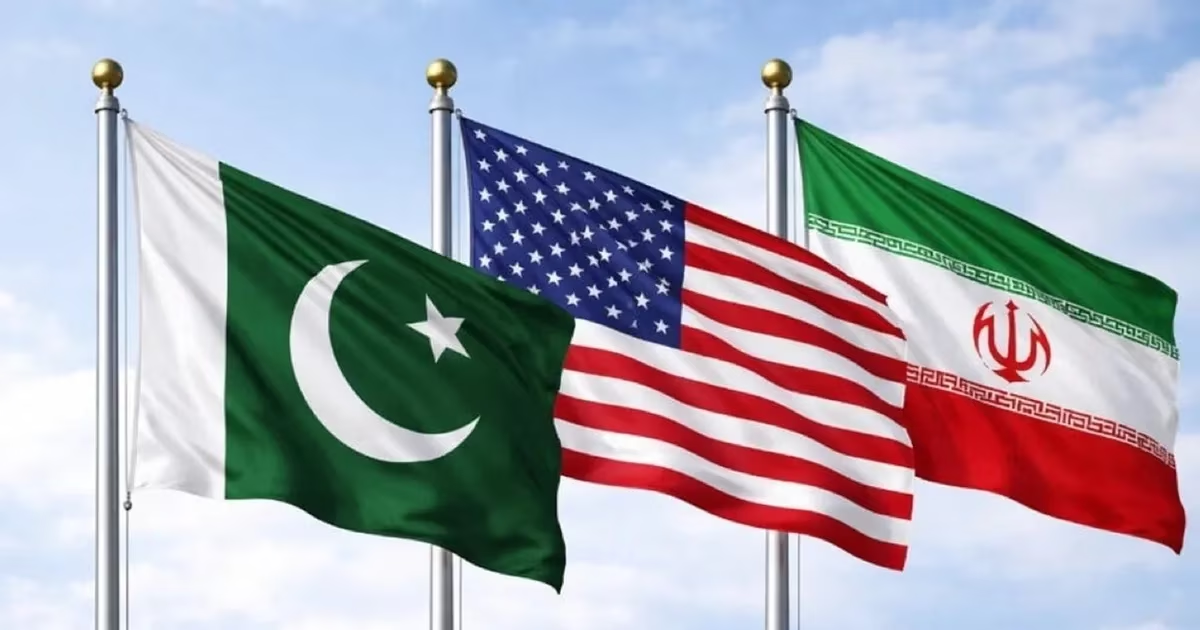
The dawn of April 8, 2026, witnessed a dramatic shift in the regional confrontation, as the Pakistani government announced that it had reached a ceasefire agreement through direct consensus between Tehran and Washington. This announcement came forty days after the outbreak of a widespread war launched by US President Donald Trump, in coordination with Israeli Prime Minister Benjamin Netanyahu, against Iranian targets.\n\n The agreement, sponsored by Islamabad, came as a major political surprise, especially as it was reached just one hour before Trump was to implement his threats of unprecedented escalation against Iran. According to official Pakistani sources, the understandings included a comprehensive de-escalation in Iran, Lebanon, Yemen, and Iraq, reflecting an international desire to contain the conflict and prevent it from sliding into a full-scale global war.\n\n For his part, Benjamin Netanyahu received this agreement as a harsh political shock, finding himself forced to deal with a reality imposed by his American ally, who had previously entrusted him with the decision of war and peace. Despite his official approval of the de-escalation, Netanyahu tried to circumvent the agreement by unilaterally excluding the Lebanese front from his field calculations.\n\n In a reaction described by observers as insane, Israeli forces launched intense bombing campaigns targeting the capital Beirut and areas of southern Lebanon and the Beqaa Valley. These attacks resulted in hundreds of martyrs and more than 1,600 wounded, in a wave of destruction considered the deadliest since the start of military operations in the region.\n\n These field developments revealed the extent of the gap between the American administration and the Israeli government, as Trump tried to deny Lebanon's inclusion in the agreement in line with Netanyahu's wishes. However, the Prime Minister of Pakistan reiterated the comprehensiveness of the de-escalation to all fronts, putting the White House in an embarrassing position before the international community.\n\n Analysts believe that Trump's retreat from the option of a full-scale war was not driven by a desire for peace, but rather by internal and external pressures and a shift in the balance of power on the ground. Political blackmail and pressures exerted by the Zionist lobby (AIPAC) on the American administration to ensure continued absolute support for Israeli actions are also emerging on the horizon.\n\n In contrast, the Israeli interior is experiencing a state of political turmoil, as Netanyahu faced a wave of harsh criticism from the opposition and the Hebrew press, which accused him of failing to manage the crisis. This internal crisis is considered the most severe in Netanyahu's career, as his ability to maneuver is narrowing between field pressures and Washington's international understandings.\n\n On the Iranian side, there was a kind of caution and pessimism regarding the intentions of the American administration, as commentators in Tehran considered Trump's approval to be part of a strategy of treachery and deception. Official Iranian statements stressed the need to keep "the finger on the trigger," affirming that trust in American promises remains non-existent based on previous experiences.\n\n Despite this caution, experts believe that the current reality compels all parties to deal with Pakistani mediation as a mandatory path to avoid total collapse. The increasing pressures on Trump, both from within America and from global powers, force him to submit to the logic of politics instead of the logic of pure military force.\n\n The balance of power that emerged during the "Forty-Day War" proved that escalation options no longer achieve the desired results for Netanyahu and Trump. The axis faced military and political steadfastness that prevented the achievement of the aggression's goals, leading to cracks in the regional and international position supporting Israeli military operations.\n\n Sources confirm that politics, in the end, is subject to field realities and tangible results, not just the personal desires of leaders. The failure to achieve a quick military decisive victory against Iran and its allies pushed the United States to seek a diplomatic way out through Islamabad, which explains the sudden retreat in the escalatory rhetoric.\n\n In this atmosphere, Netanyahu began to hint at the possibility of opening negotiations with the Lebanese state, at Trump's direct request to reduce the intensity of the bombing. This shift reflects an Israeli attempt to absorb international anger and circumvent the internal crisis that threatens the stability of the government in Tel Aviv.\n\n The question remains about the sustainability of this agreement in light of the ongoing field violations in Lebanon and the mutual suspicions between the parties. However, what is certain is that Pakistani mediation has succeeded in putting initial brakes on the war train that was heading towards a comprehensive regional confrontation whose end could not be predicted.\n\n In conclusion, the current scene proves that Trump, despite all displays of power, remains bound by the responsibility of political outcomes and the failure of Netanyahu's dependent policies. The coming days will reveal whether this agreement is merely a warrior's respite or the beginning of a new political path that redraws the map of conflict in the Middle East.\n\n Netanyahu's reaction revealed the severity of the political blow he received from the agreement, and the extent of Trump's submission to the pressures of the Zionist lobby.

ARAB AND WORLD
Sat 11 Apr 2026 5:08 pm - Jerusalem Time
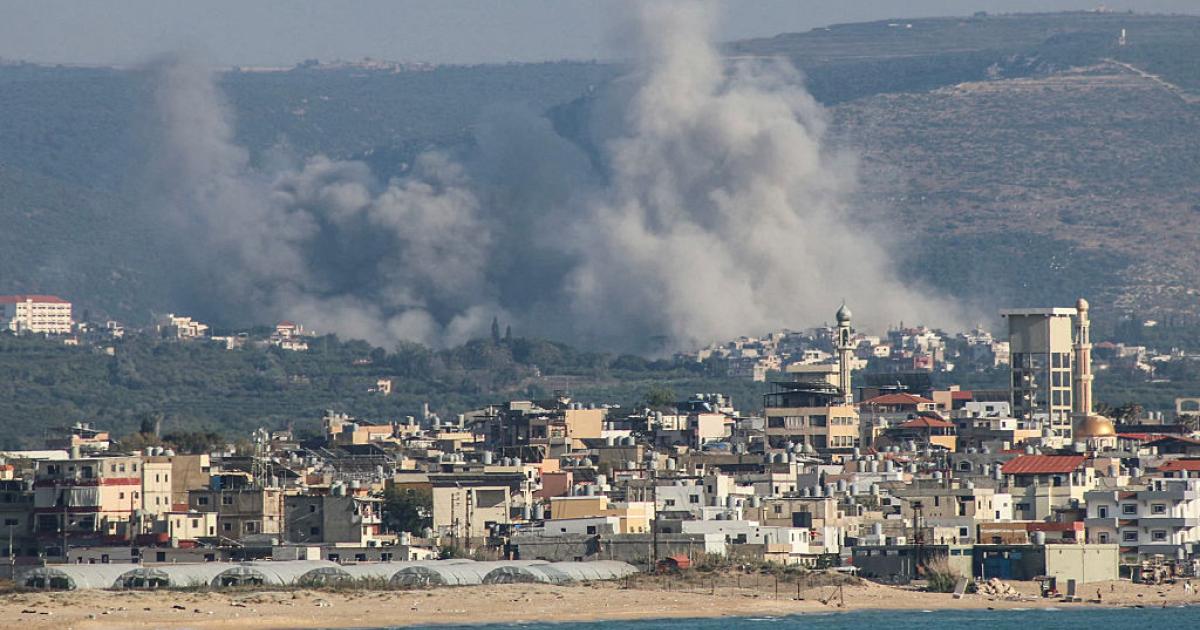
Pakistani Mediation Ends 40 Days of Confrontation: Ceasefire Agreement Disrupts Netanyahu's Calculations
Tags
MORE FROM ARAB AND WORLD
Iran confirms readiness of understanding text with Washington and denies finality of agreement so far
Controversial Medical Report: 22 Specialist Doctors Participated in Trump's Latest Examination
Reports of Financial Mediation: Abu Dhabi Transfers $3 Billion to Iran to De-escalate Tensions with the Occupation
Share your opinion
Pakistani Mediation Ends 40 Days of Confrontation: Ceasefire Agreement Disrupts Netanyahu's Calculations