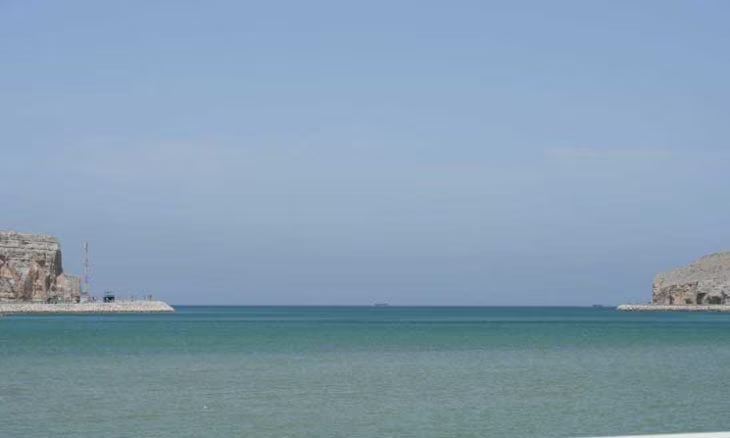







The head of the National Security and Foreign Policy Committee in the Iranian Parliament, Ibrahim Azizi, revealed details of a new bill concerning the regulation of navigation in the Strait of Hormuz. Azizi explained that the proposed legislation explicitly stipulates that passing ships must pay transit fees in Iranian Rial, a step aimed at strengthening national sovereignty and the local currency.
In statements to state television, the Iranian official indicated that the bill, titled 'Safe Passage,' will place the strategic strait under the full and comprehensive control of the Iranian armed forces immediately upon its final approval. These moves come amidst escalating military tensions witnessed in the region over the past weeks.
Azizi touched upon the diplomatic aspect of managing the waterway, stating that there is a possibility of signing a bilateral cooperation agreement with the Sultanate of Oman regarding the regulation of navigation in the strait. He stressed that imposing fees in the national currency is a sovereign decision consistent with the new directions of the Iranian state in managing its geopolitical resources.
In response, US President Donald Trump quickly reacted with a harsh tone, asserting that the United States will not allow Tehran to impose any transit fees in this international passage. Trump wrote on his 'Truth Social' platform, warning that reports of imposing fees on oil tankers must stop immediately, describing the measure as dangerous.
Trump's statements coincided with the arrival of diplomatic delegations in the Pakistani capital, Islamabad, in preparation for the launch of negotiations aimed at reaching a permanent ceasefire. The Iranian delegation in these talks is led by Parliament Speaker Mohammad Bagher Ghalibaf, amidst international anticipation for the results of this crucial round of direct dialogue.
From the American side, the White House announced that Vice President J.D. Vance will attend the first round of talks, reflecting the importance Washington attaches to this issue. International parties are seeking to reach a formula that ensures the stability of global energy flows, which have been severely affected by recent confrontations in the region.
President Trump had previously announced his approval to suspend military strikes against Iranian targets for two weeks as a gesture of goodwill. The US administration conditioned this suspension on the full and immediate opening of the Strait of Hormuz to international navigation without any obstacles or Iranian restrictions.
It is worth noting that navigation in the Strait of Hormuz was regular before the outbreak of military confrontations on February 28, as the strait is the main lifeline for global trade. Approximately 20 million barrels of oil pass through this waterway daily, representing about one-fifth of global consumption.
The outbreak of the war led to widespread disruptions in global energy markets, with oil and gas prices soaring to record levels due to fears of the strait's closure. International powers consider any threat to the safety of navigation in Hormuz a direct threat to global economic security and supply stability.
Iranian authorities officially announced the closure of the strait on March 2, threatening to target any vessel attempting to cross without prior coordination with its forces. This Iranian decision came in response to what it described as American-Israeli aggression, leading to a near-complete paralysis of major tanker traffic.
Observers believe that Tehran's insistence on collecting fees in Iranian Rial represents a direct challenge to the economic dominance of the US dollar in international transactions. This step comes in the context of a broader strategy pursued by some countries to reduce reliance on the Western financial system in light of the economic sanctions imposed on them.
These developments raise concerns about a new round of escalation if Iranian forces attempt to intercept ships that refuse to pay the proposed fees. Global shipping companies and international exchanges are closely monitoring the results of the Islamabad talks, hoping to defuse the crisis and avoid a comprehensive economic catastrophe.
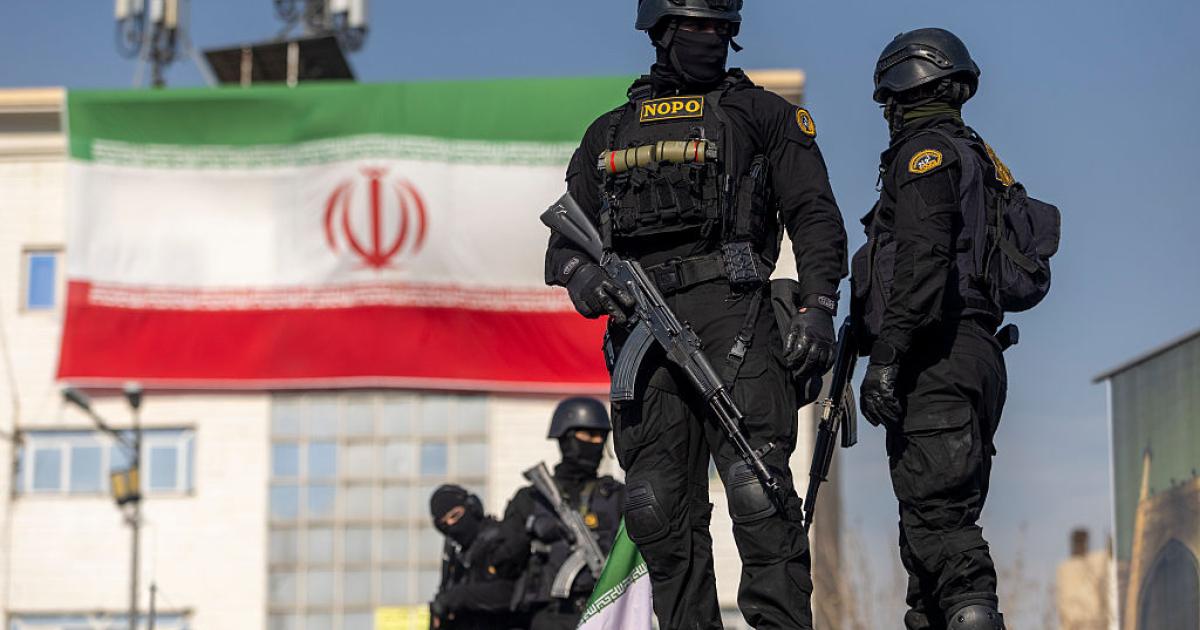
On the ground, sources reported that the naval forces of the Revolutionary Guard have raised their readiness in the areas surrounding the strait and strategic islands. These field movements coincide with the political pressures exerted by the Iranian Parliament to quickly turn the fee bill into a reality on the ground.
The question remains about the international community's ability to find a compromise that guarantees the sovereignty of the littoral states of the strait while preserving the freedom of international navigation. The next few days are crucial in determining the course of the conflict, either towards comprehensive de-escalation or sliding into a wide-ranging naval confrontation.
According to the bill prepared by Parliament, transit fees through the Strait of Hormuz will be paid in Rial, Iran's national currency.


Share your opinion
Tehran Approves Bill to Impose Transit Fees in Strait of Hormuz in Iranian Rial, Trump Vows Confrontation