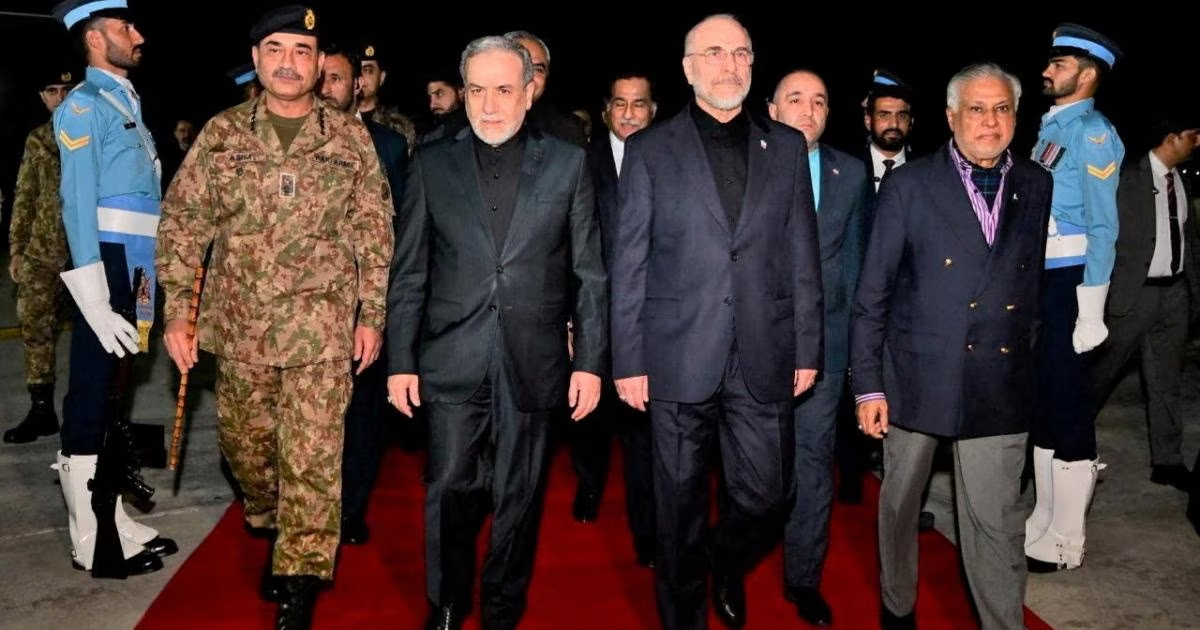







The eyes of the world turn today, Saturday, to the Pakistani capital, Islamabad, where a crucial round of negotiations between Iran and the United States of America is set to begin. These talks come amidst an atmosphere charged with mutual distrust, as both parties seek to reach understandings on complex security and economic issues that arose from the recent military confrontation in the region.
The Iranian delegation, comprising over 70 members led by Parliament Speaker Mohammad Bagher Ghalibaf, arrived in Pakistan amidst tight security measures. Ghalibaf affirmed upon his arrival that his country enters this round with good intentions, but he stressed at the same time that the history of negotiations with Washington has been characterized by broken promises and failure, making Iranian caution paramount.
In contrast, US Vice President J.D. Vance leads his country's delegation, which also includes former White House advisor Jared Kushner and special envoy Steve Witkoff. Vance stated before departing Washington that the United States is ready for positive negotiations, provided that Tehran shows genuine seriousness, warning against any attempts at political maneuvering during the sessions.
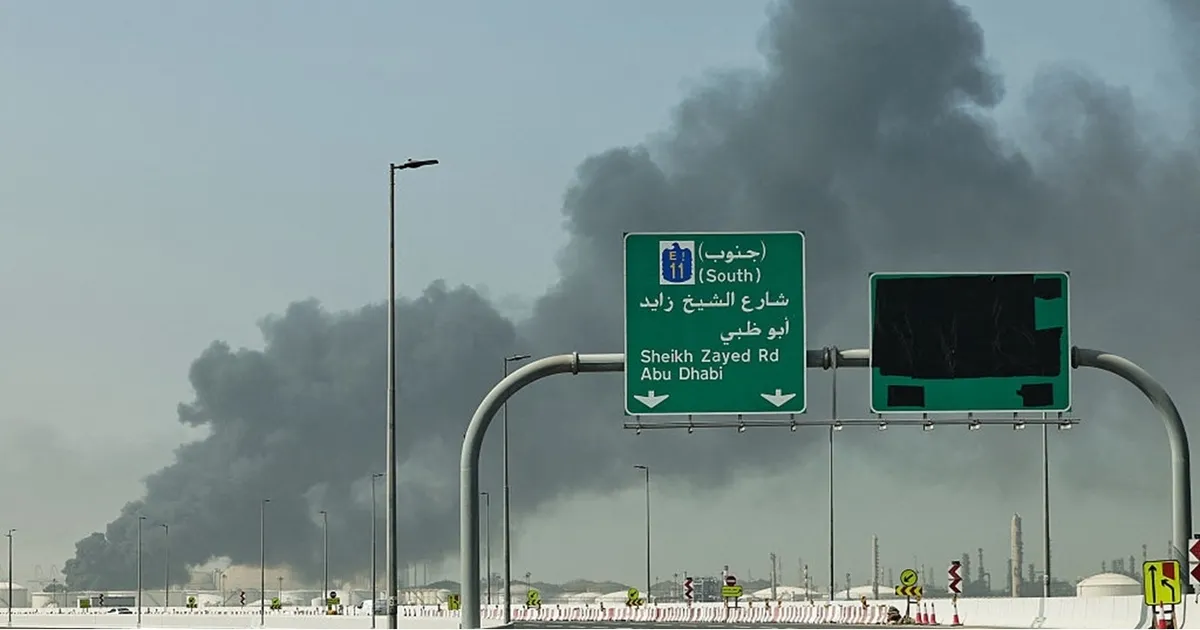
The issue of the Strait of Hormuz tops the agenda, as US President Donald Trump conditions a two-week ceasefire on the immediate reopening of the strait. This waterway is a vital artery for global energy, with about 20% of oil and gas supplies passing through it, and its closure has caused severe disruptions in global energy markets and a record rise in prices.
For its part, Tehran adheres to clear demands to move forward with any understanding, foremost among them being an immediate and comprehensive ceasefire in Lebanon. Iran also demands the release of its frozen financial assets, estimated at about $120 billion, considering these steps as the only guarantee to prove American good faith at this critical stage.
On the nuclear front, a wide gap emerges between the visions of the two parties, as Trump insists, within his 15-point plan, on a complete end to uranium enrichment operations in Iranian facilities. In contrast, Tehran presented a counter-proposal of 10 points focusing on its right to enrichment for peaceful purposes, which represents a stumbling block to reaching a final agreement.
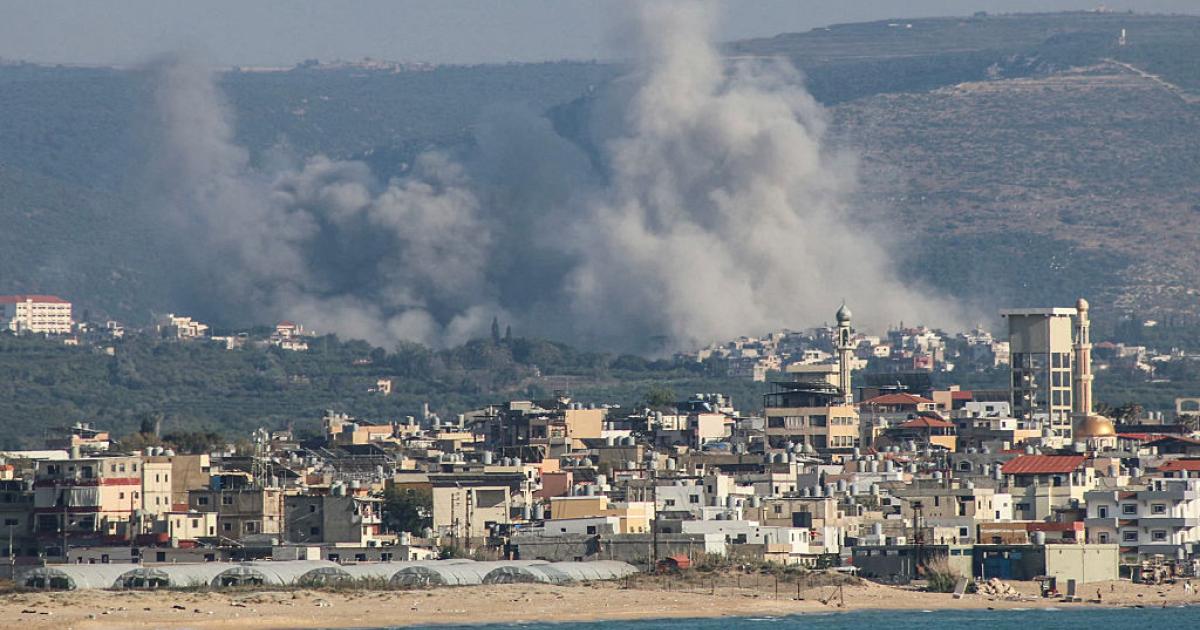
These diplomatic moves come after the outbreak of a direct military confrontation on February 28, during which the United States and Israel launched attacks on Iranian targets, followed by a response from Tehran. The conflict expanded to include a widespread Israeli aggression on Lebanon since early March, resulting in thousands of martyrs and the displacement of over a million civilians.
Sources reported that the US President expressed his dissatisfaction with the slow pace of NATO allies in supporting efforts to secure navigation in the Strait of Hormuz. Trump affirmed that Washington is capable of reopening the strait 'very soon,' either with Iranian cooperation or through other international alliances that have expressed their readiness to participate in this strategic mission.
In a related context, reports indicate that the current truce, which began early Wednesday with Pakistani mediation, remains very fragile due to disagreement over its inclusiveness of the Lebanese arena. While Tehran and Islamabad insist that the truce must include Lebanon, Washington and Tel Aviv deny any commitment to halt military operations there at present.
The role of Israeli Prime Minister Benjamin Netanyahu stands out in this equation, as he conditioned his personal approval of any strikes in Beirut on a direct request from Trump. This coordination reflects Washington's desire to manage military escalation in parallel with the ongoing diplomatic track in Islamabad to exert maximum pressure on the Iranian negotiator.
The chances of a rapid breakthrough in these negotiations remain dependent on the extent of both parties' willingness to make mutual concessions on the most complex issues. With the continued closure of the Strait of Hormuz and ongoing raids in Lebanon, the regional scene remains open to all possibilities, awaiting what the coming hours of talks in Pakistan will reveal.
Tehran's experience with Washington in negotiations has always ended in failure and broken promises.


Share your opinion
Islamabad Negotiations: Washington and Tehran Discuss 'Hormuz Truce' Amidst Distrust