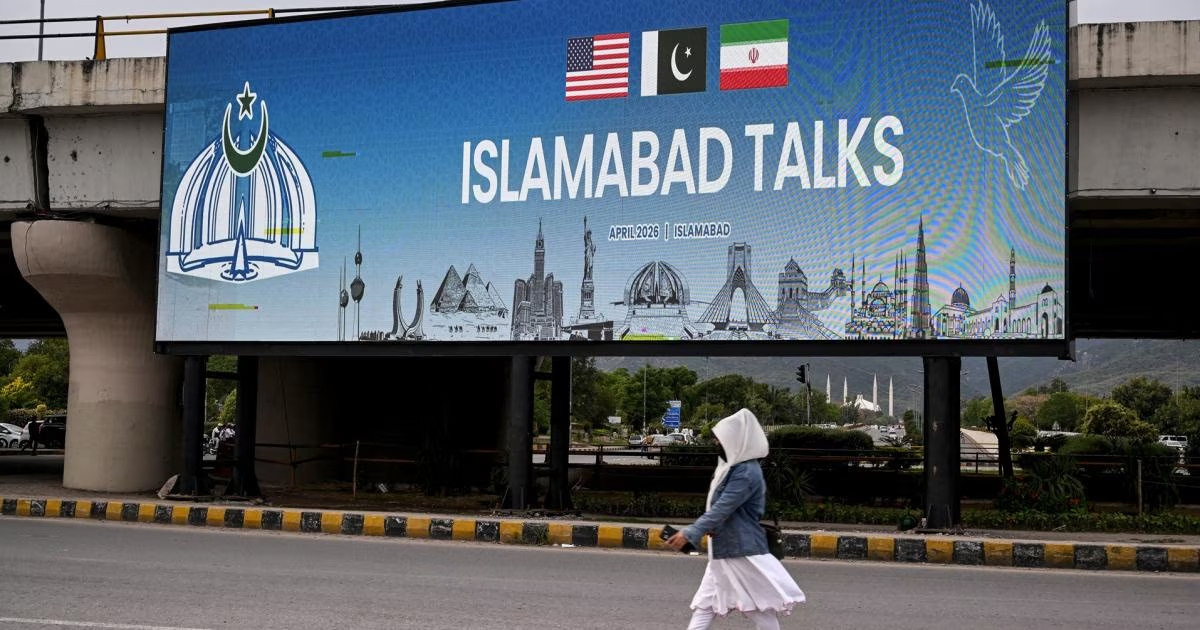







International attention is turning to the Pakistani capital, Islamabad, which is preparing to host a crucial round of negotiations between the United States and the Islamic Republic of Iran on Saturday. These talks come amidst an atmosphere charged with hopes and security and political complexities, as both sides seek to explore opportunities to reach a permanent ceasefire and cool down the burning conflict hotspots in the region.
A high-level Iranian delegation, headed by Parliament Speaker Mohammad Bagher Ghalibaf, and accompanied by Foreign Minister Abbas Araghchi and a group of security and economic advisors, arrived in Pakistan. On the American side, Vice President J.D. Vance, Special Envoy Steve Witkoff, and President Donald Trump's son-in-law Jared Kushner represent the US, reflecting the weight of this diplomatic round.
The Iranian Parliament Speaker, from Islamabad, expressed caution regarding American intentions, noting that past experiences have seen breaches of agreements despite what he described as Tehran's good faith. Ghalibaf stressed that his country had been subjected to American attacks twice in the past year during the negotiations, emphasizing that American seriousness is the only key to concluding a real agreement.
For his part, US Vice President J.D. Vance stated before heading to the meeting that Washington is ready to extend a hand if the Iranians show a sincere desire to negotiate. Vance warned against any attempts at manipulation or procrastination, asserting that the negotiating team chosen by President Donald Trump will not compromise in protecting American interests and regional security.
Lebanon's file stands out as one of the most complex points in these negotiations, as the Israeli occupation continues its aggression since early March. While Iranian President Masoud Pezeshkian warned that continued military escalation could empty the talks of their content, the Israeli side insists on continuing military operations against Hezbollah in Lebanon.
Media sources revealed a change in Israeli attack policy in Lebanon, where strikes targeting the capital Beirut now require personal approval from Benjamin Netanyahu. This change came in response to a direct request from US President Donald Trump, in an attempt to reduce the pace of escalation coinciding with the launch of the diplomatic track in Pakistan.
The Strait of Hormuz represents a major economic and security challenge, as it is the vital artery for global oil transport, over which Tehran threatens to impose its full sovereignty. The US President warned Iran against imposing any additional fees on shipping vessels passing through the strait, considering it a breach of the temporary truce understandings reached through Pakistani mediation.
The nuclear file remains the core of the historical conflict between the two sides, with differing views on Iran's right to enrich uranium. While Trump's plan demands a complete cessation of enrichment operations on Iranian soil, Tehran adheres to its ten-point proposal, which includes international recognition of its nuclear rights for peaceful purposes.
US Secretary of Defense Pete Hegseth previously stated that Washington's ultimate goal is to ensure that Iran does not possess nuclear weapons or the ability to acquire them. This hardline stance brings the crisis back to square one after the collapse of the 2015 nuclear deal, making the achievement of a new framework a daunting task for negotiators.
Iran's network of regional allies constitutes another fundamental point of contention, as Tehran considers it a strategic and defensive depth against external threats. In contrast, the United States and Israel are pushing to dismantle this influence, while voices within Iran are rising, calling for a focus on internal economic issues and a reduction in external spending.
Iran sets the lifting of comprehensive economic sanctions as an indispensable condition for moving forward with any long-term political agreement. Tehran demands the release of frozen financial assets estimated at about $120 billion, a demand that the Trump administration faces with extreme caution, preferring not to make major concessions in the early stages of negotiations.
US President Donald Trump announced on Wednesday morning a bilateral ceasefire with Iran for two weeks, conditional on the full opening of the Strait of Hormuz. Despite this announcement, ambiguity still surrounds the inclusion of the Lebanese arena in this truce, amidst American and Israeli denials and Iranian and Pakistani affirmations of the unity of the tracks.
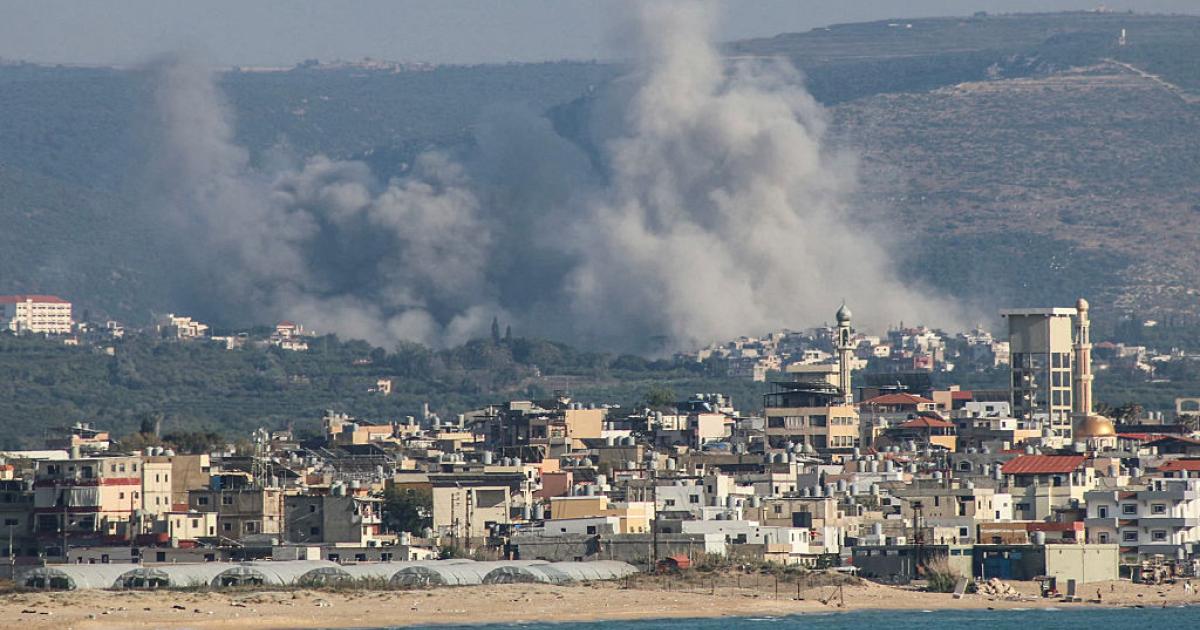
The hours leading up to the negotiations witnessed an Israeli military escalation described as the most severe on Lebanon since the start of the aggression, putting immense pressure on the negotiating table. International parties fear that this field escalation could lead to the collapse of initial understandings before official sessions begin in Islamabad.
The Islamabad round of negotiations remains a true test of diplomacy's ability to contain a widespread regional conflict that threatens global energy stability. Negotiators from both sides will have to bridge the deep chasm of differences in sovereignty, nuclear security, and regional influence files to reach a formula that ensures the sustainability of the truce and its transformation into a comprehensive agreement.
Our experience in negotiating with the Americans has often ended in failure and breach of agreement, and if they are ready for a real agreement, they will realize our readiness for it.


Share your opinion
Islamabad Negotiations: Five Thorny Issues Put US-Iranian Understanding to the Test