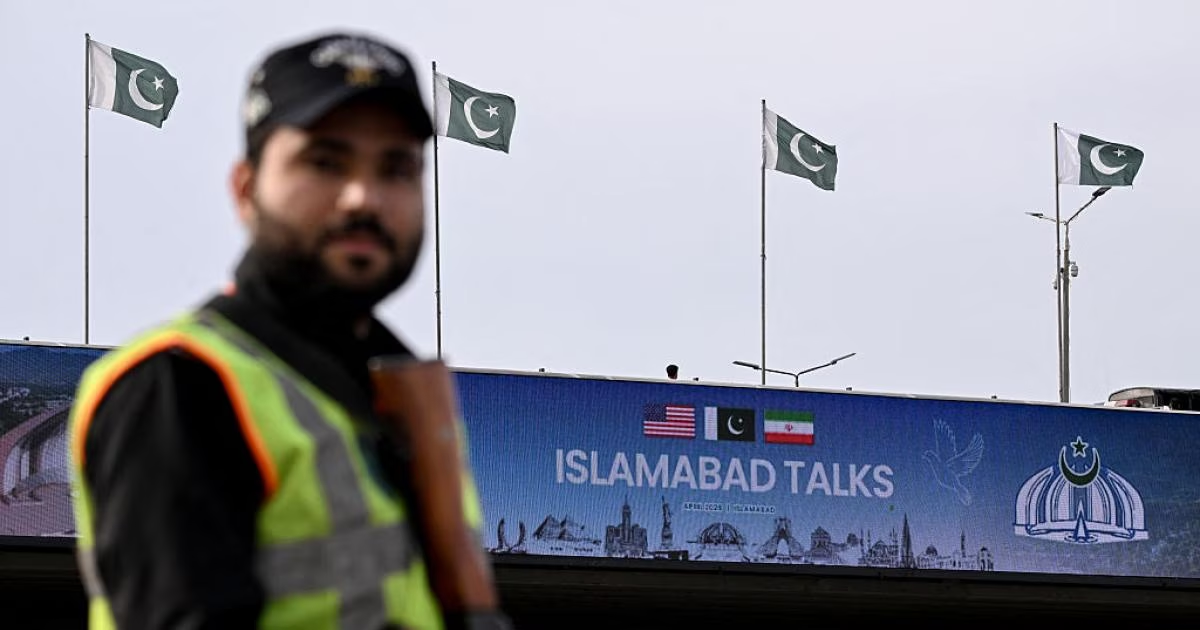







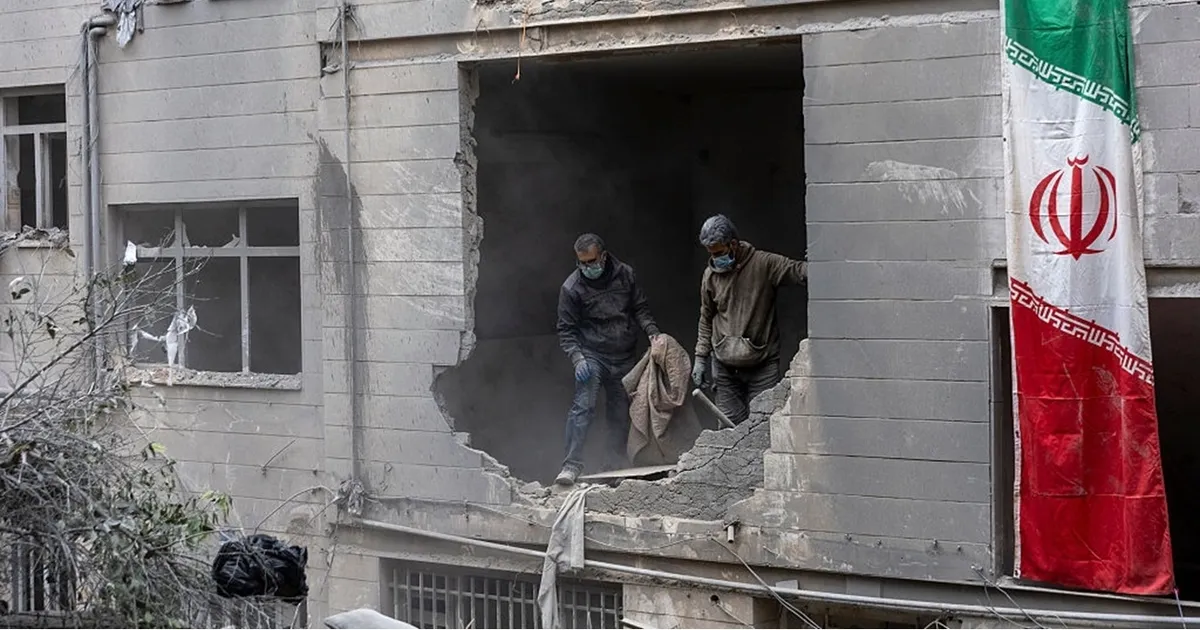
US President Donald Trump issued stern warnings to the Iranian leadership, hinting at the possibility of large-scale military strikes if the anticipated negotiations in the Pakistani capital, Islamabad, falter. These statements come in the context of a temporary ceasefire agreement through which both parties seek to reach broader understandings to end the escalating tension in the region.
Trump affirmed in statements reported by American media sources that the United States has already begun loading its warships with the latest types of advanced ammunition and newly manufactured weapons. He described this arsenal as far superior to what was used in previous confrontations, emphasizing that his country would not hesitate to use it with maximum effectiveness if a satisfactory agreement is not reached.
In his reading of Tehran's negotiating position, the US President considered that Iran does not possess any real leverage in the upcoming talks, with the exception of its ability to threaten maritime navigation in the Strait of Hormuz. He indicated via his 'Truth Social' platform that Tehran relies on a policy of international blackmail through waterways, asserting that Washington's acceptance of negotiations is what keeps the Iranian regime afloat so far.
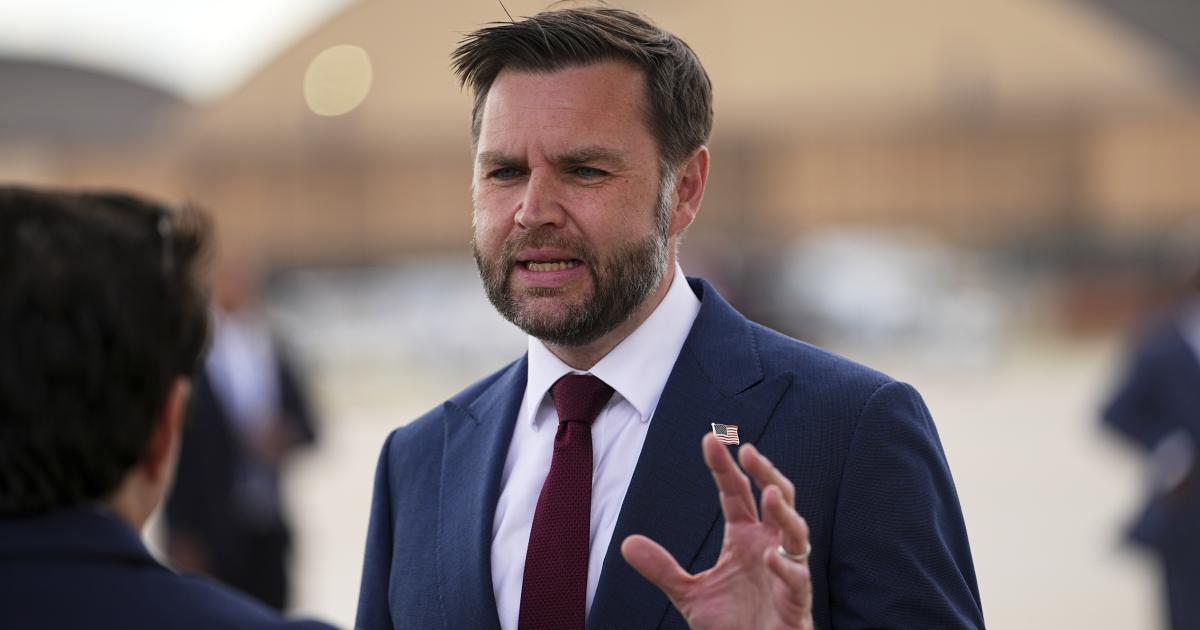
For his part, US Vice President J.D. Vance traveled to Pakistan today, Friday, to represent Washington in the first round of these fateful negotiations. Vance expressed his hope for positive results, but at the same time warned against any Iranian attempts at evasion or deception, emphasizing that the American negotiating team would be firm and would not tolerate any manipulation.
Reports from Washington indicate that the US administration places the issue of releasing its citizens detained in Iranian prisons at the top of its priorities in this round. The administration seeks to extract clear commitments in this regard as an integral part of any comprehensive agreement that may be reached with the Iranian negotiating delegation.
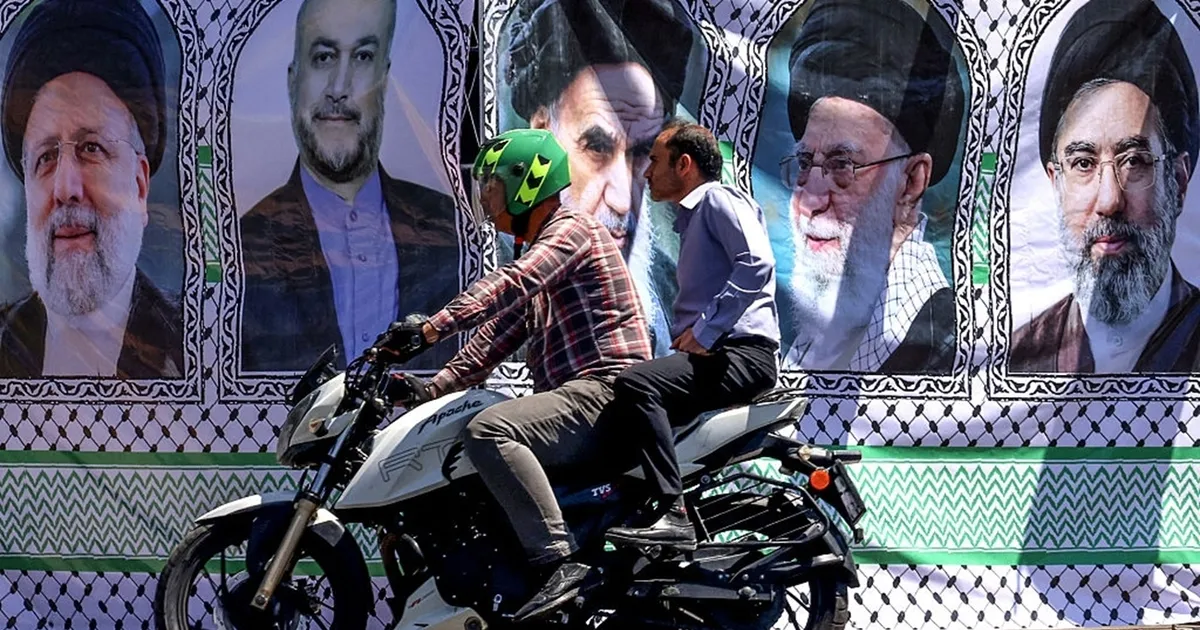
On the other hand, Pakistani sources reported the arrival of the high-level Iranian delegation in Islamabad, headed by Parliament Speaker Mohammad Bagher Ghalibaf and Foreign Minister Abbas Araghchi. The level of Iranian representation reflects the importance Tehran attaches to these talks, despite the threatening tone emanating from the White House.
Tehran has set clear conditions for the start of official sessions, with Ghalibaf emphasizing the necessity of implementing a ceasefire in Lebanon first. Iran also demanded the immediate release of its frozen financial assets abroad, considering that these steps were previously agreed upon with the American side and cannot be bypassed.
Deputy Head of the National Security Committee in the Iranian Parliament explained that the negotiating team is working in direct and full coordination with Supreme Leader Mojtaba Khamenei. He affirmed that the announced Iranian conditions represent the official position of the state, and that Tehran will not enter into the details of the negotiations unless it perceives seriousness in implementing previous commitments related to assets and regional files.
In the Pakistani capital, authorities mobilized their security agencies to secure this prominent diplomatic event, with more than 10,000 security personnel deployed around vital locations. Islamabad declared a state of high alert to ensure the safety of the participating delegations, amidst high-level military and security coordination supervised by the Pakistani army.
The Pakistani Ministry of Foreign Affairs also announced extensive facilities for international and local journalists to cover the events of the negotiations, which will officially begin tomorrow, Saturday. These facilities included a 'visa on arrival' system and instructions to airlines to allow concerned individuals to enter without procedural complications, to ensure transparency in conveying events to the world.
Trump had announced last Wednesday morning his approval of a two-week cessation of military operations against Iran, a move described as a last chance for diplomacy. The US President stipulated for the continuation of this calm the full and immediate opening of the Strait of Hormuz to global trade, and ensuring that ships are not exposed to any threats.
Observers believe that these negotiations represent a real test of the new US administration's ability to impose its conditions through 'power diplomacy'. In contrast, Iran is trying to maneuver with complex regional issues to reduce the economic and military pressures it faces, making the outcomes of the Islamabad meeting crucial for the future of stability in the Middle East.
All eyes are now on tomorrow's opening session, where it will become clear how capable mediators are of bridging the gap between explicit American threats and Iranian preconditions. The question remains whether the language of weapons brandished by Trump will push negotiations towards success or lead to a military escalation.
The American military buildup in the region, coinciding with these diplomatic moves, places the region on a hot plate awaiting what the coming hours will bring. Either the pressures succeed in extracting a comprehensive agreement, or the region finds itself facing a direct confrontation that could radically change the map of regional and international alliances.
It does not seem that the Iranians realize that they have no cards in their hands except blackmailing the world through international waterways, and the only reason they are alive today is negotiation.
Share your opinion
Trump threatens Iran with military strikes ahead of Islamabad negotiations