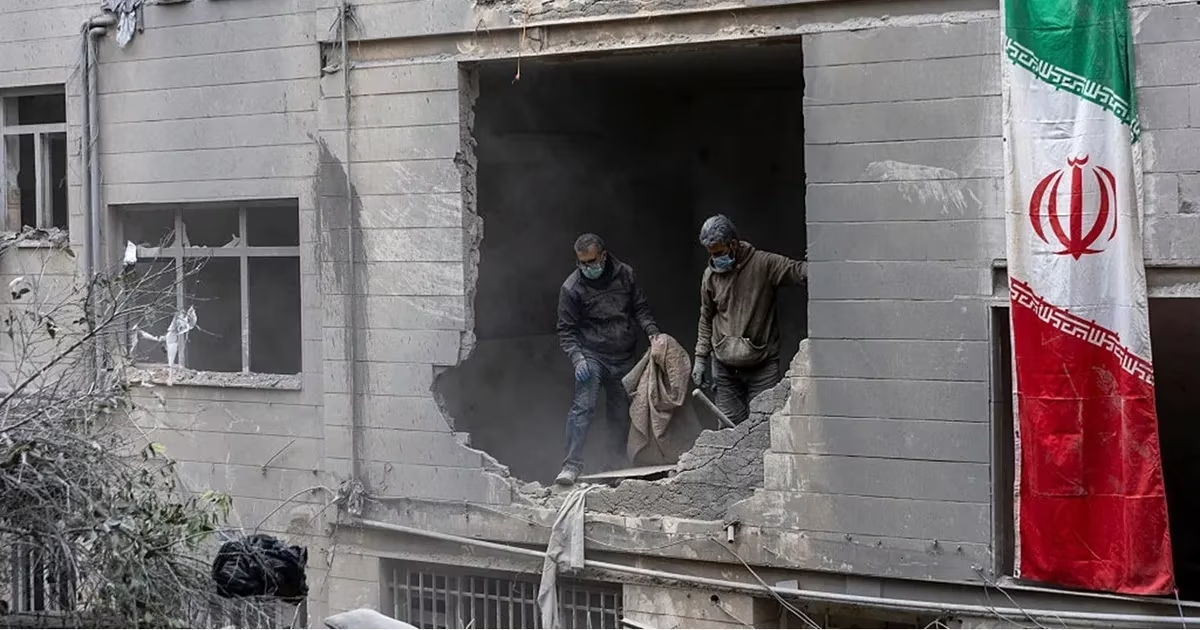







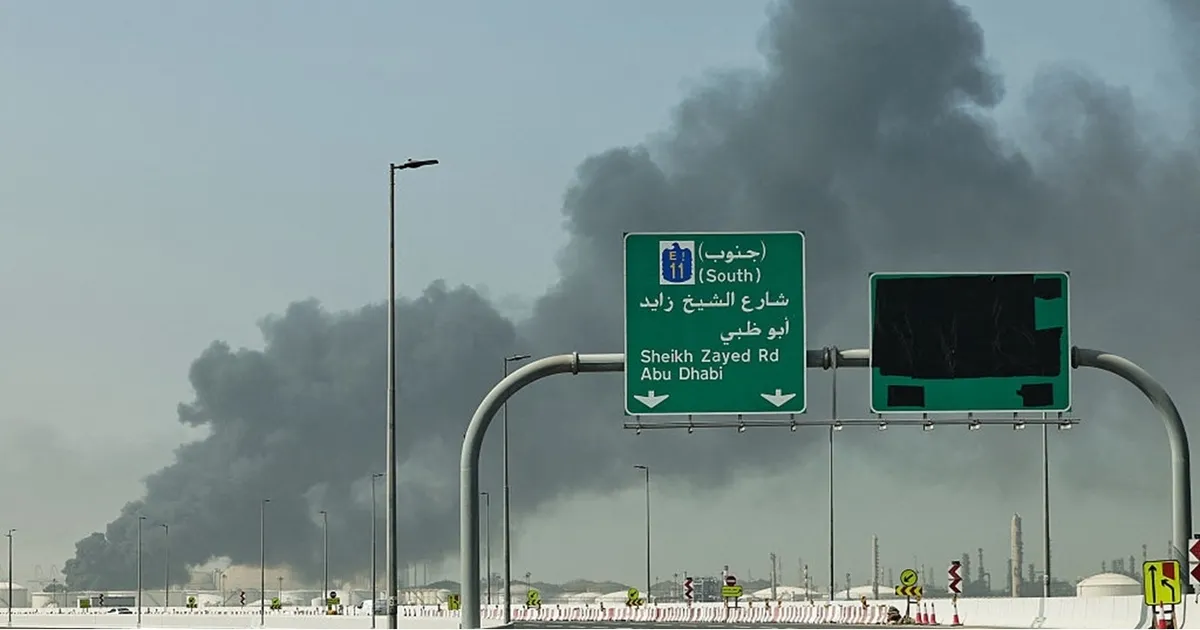
International press reports indicate that the recent military confrontation between the United States and Iran has created a complex strategic reality, transcending the quick victory declarations promoted by President Donald Trump's administration. Sources believe that Tehran has succeeded in asserting its position as an indispensable regional player, especially with its continued de facto control over the Strait of Hormuz, which is the lifeline for global energy supplies.
Despite the White House's announcement of achieving its objectives less than a day after the ceasefire came into effect, field data suggests that the war did not bring about the desired radical change. Informed sources clarified that American forces did indeed achieve tactical gains, neutralizing large parts of the Iranian navy and destroying drone and missile manufacturing facilities, but they failed to undermine the political pillars of the regime.
Analyses indicate that the Iranian regime's continued hold on power and its retention of highly enriched uranium stockpiles represent a significant flaw in the American narrative of victory. The fundamental justifications for the military operations still stand, putting Washington in a predicament of redefining its objectives in the region before entering any new rounds of negotiations.
For his part, US Secretary of Defense Pete Hegseth defended the military operation, describing it as a historic strike that achieved all desired goals. Hegseth affirmed that the US military presence in the region will remain to ensure Tehran's compliance with the terms of the agreement, emphasizing that the deterrent capabilities of the United States are stronger than ever before.
In contrast, a state of skepticism prevails within international diplomatic circles regarding the effectiveness of these attacks in changing Iranian behavior in the long term. Sources quoted Asian diplomats as saying that merely destroying military hardware without bringing about internal political change could lead to counterproductive results, as Iran considers merely 'not losing' as a political victory for itself.
On the negotiation front, controversial Iranian demands have emerged within what is known as the 'Ten-Point Plan,' where Tehran seeks to impose exorbitant transit fees on ships passing through the Strait of Hormuz. Iranian proposals demand amounts up to two million dollars per ship, in a move aimed at compensating for the economic and military losses it incurred during the war.
US Vice President J.D. Vance described these developments as reflecting a 'fragile truce' that does not guarantee sustainable stability in the region. Vance is scheduled to lead a high-level delegation to anticipated talks in the Pakistani capital, Islamabad, in an attempt to solidify the ceasefire terms and establish a practical framework for the next phase.
Domestically in Washington, former military leaders and members of the House Armed Services Committee warned that the current agreement might be no more than 'buying time.' They indicated that the Iranian threat still exists as long as the nuclear and political infrastructure has not been decisively affected, warning of Tehran's ability to quickly restore its military capabilities.
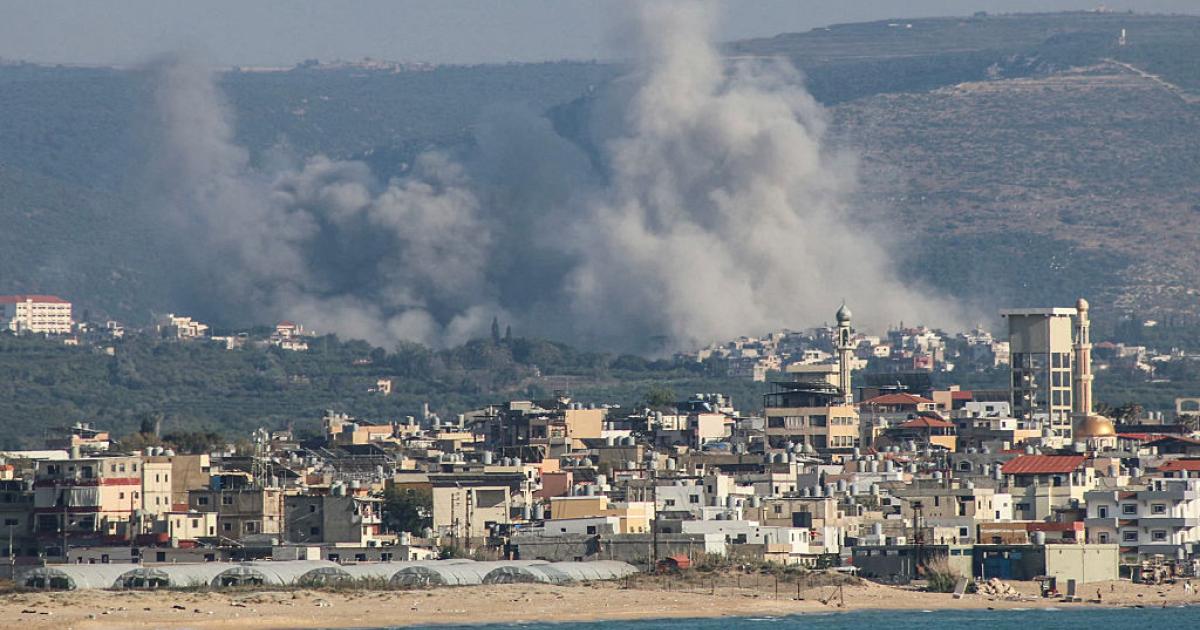
The situation was further complicated by Iran's temporary closure of the Strait of Hormuz following Israeli raids targeting sites in the Lebanese capital, Beirut. Tehran closely links regional issues, insisting that any comprehensive de-escalation must include a cessation of military operations in Lebanon, which Washington and Tel Aviv reject outright.
Sources conclude by emphasizing that the state of combat readiness remains at its peak for both parties, with the option of returning to military confrontation strongly on the table. While Tehran asserts that 'its hands are on the trigger' to protect its interests, US forces emphasize their readiness to respond to any violation of the truce, leaving the future of the region dependent on the outcomes of the stalled diplomatic talks.
I don't know how this situation can be reversed without the United States fundamentally redefining its strategic objectives.


Share your opinion
US Assessments: Iran Emerges with Strategic Gains from Recent Confrontation Despite Military Strikes