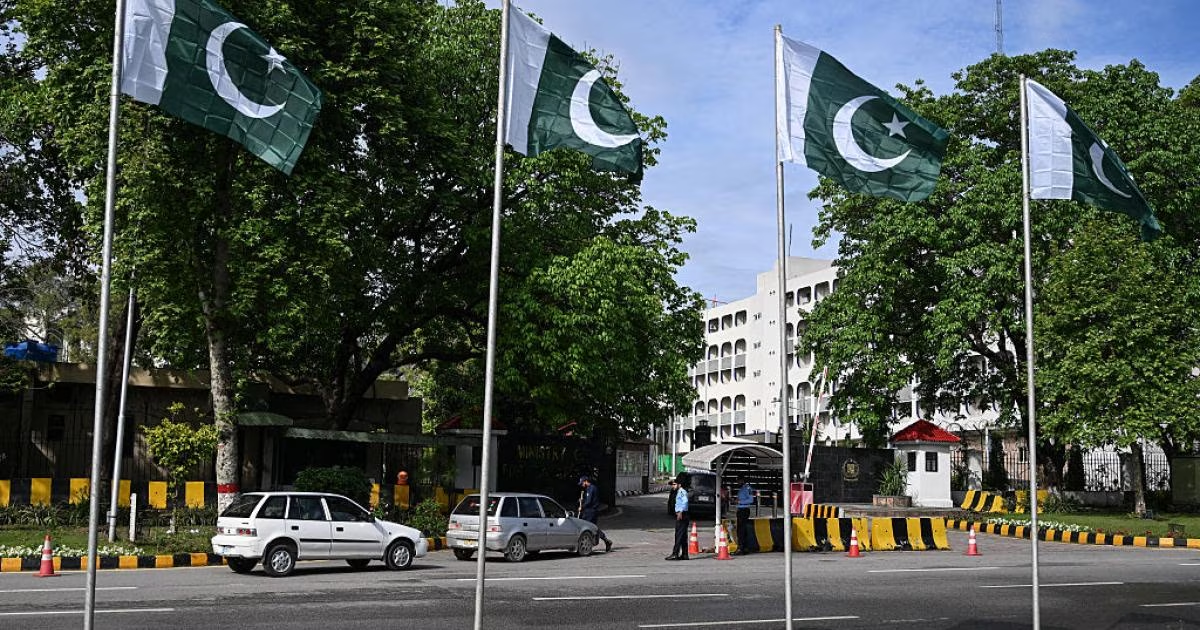







Diplomatic preparations are accelerating in the Pakistani capital, Islamabad, to host high-level delegations from the United States and Iran next Friday. These direct meetings aim to salvage the fragile ceasefire agreement and prevent the region from sliding into a full-scale confrontation, amidst intensive Pakistani mediation efforts to bridge the gap between the two sides.
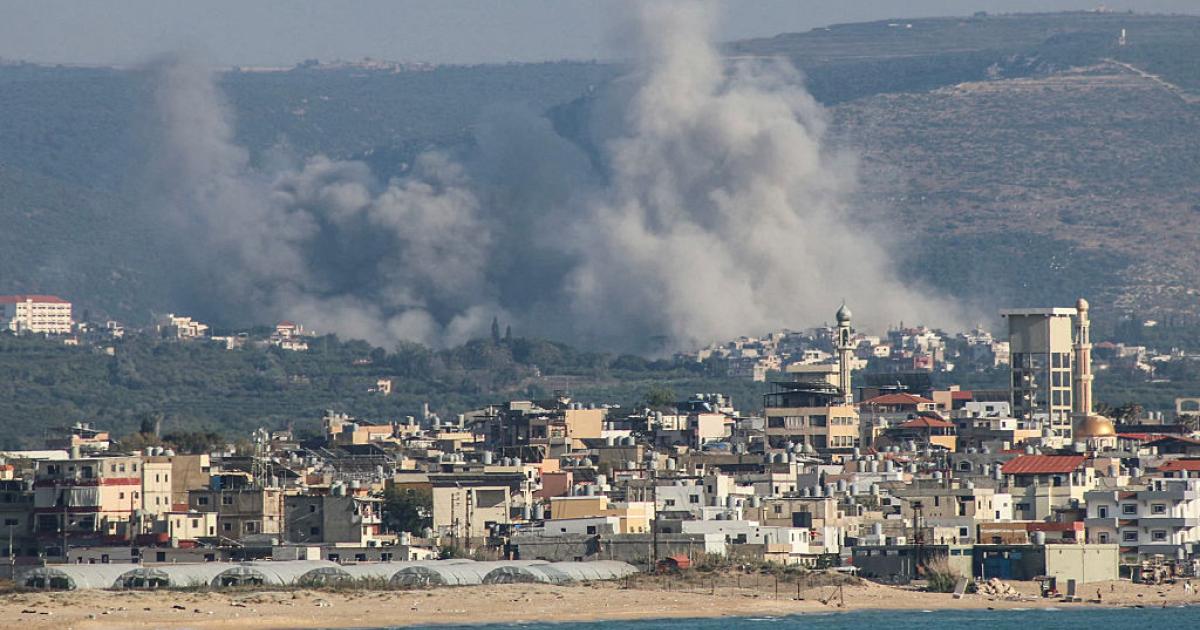
Despite the diplomatic atmosphere, a language of threats and warnings has overshadowed the general scene, threatening to derail initial understandings before they even begin. Sources in the Iranian Foreign Ministry reported that Washington has begun to renege on its previous commitments, especially regarding the inclusion of the Lebanese arena within the terms of the proposed truce agreement, which Tehran considers a fundamental condition for moving forward.
For his part, a high-ranking source in the Pakistani Foreign Ministry confirmed that US President Donald Trump unexpectedly backed down from including Lebanon in the de-escalation agreement. The source clarified that the Pakistani mediator had previously received assurances that a two-week ceasefire would include the Lebanese front, but the recent American stance shocked the mediators.
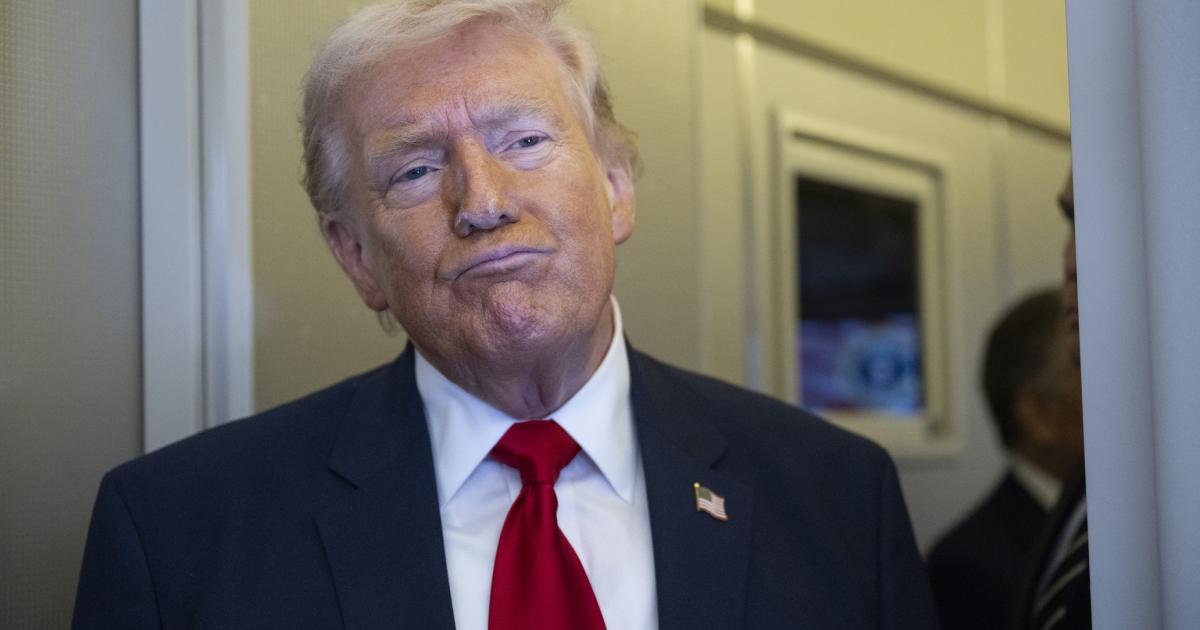
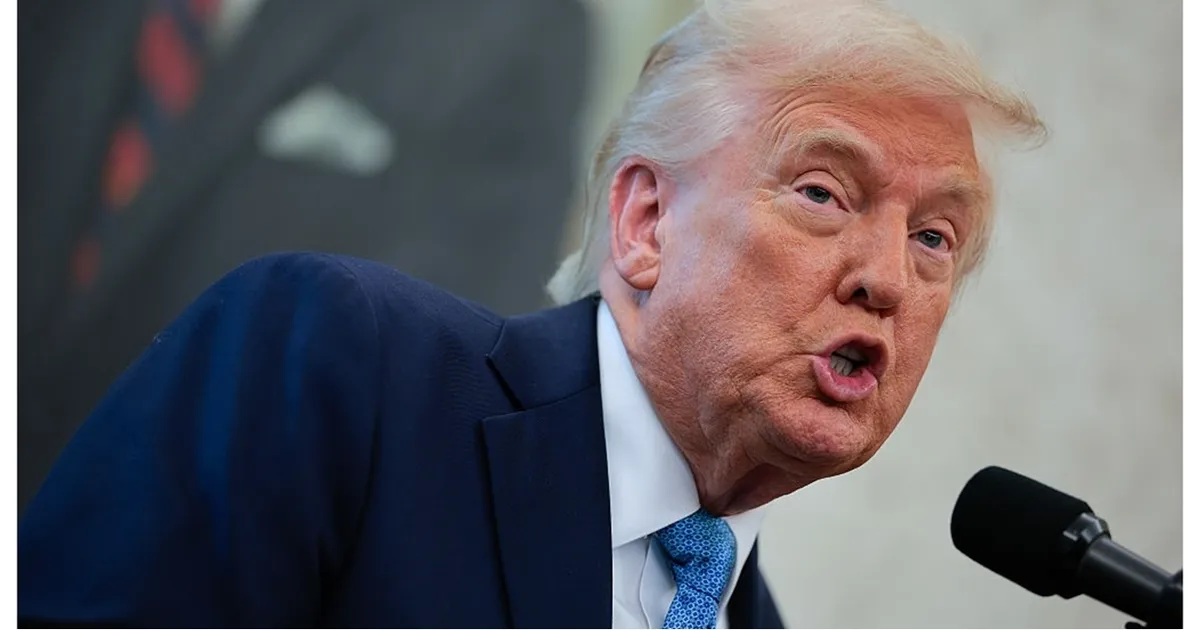
In a firm message via his 'Truth Social' platform, US President Donald Trump stressed that US military forces, including ships and aircraft, would remain in their combat positions around Iran. Trump indicated that this deployment would continue until full and comprehensive compliance with the reached agreement is ensured, reflecting a lack of trust in the Iranian side.
In contrast, Iranian President Masoud Pezeshkian linked the stability of international waterways to the cessation of military operations in the region. Pezeshkian informed Pakistani Prime Minister Shehbaz Sharif that ensuring the security of the Strait of Hormuz and freedom of navigation there is directly contingent on a complete cessation of attacks targeting Lebanon, emphasizing the unity of arenas in the Iranian vision.
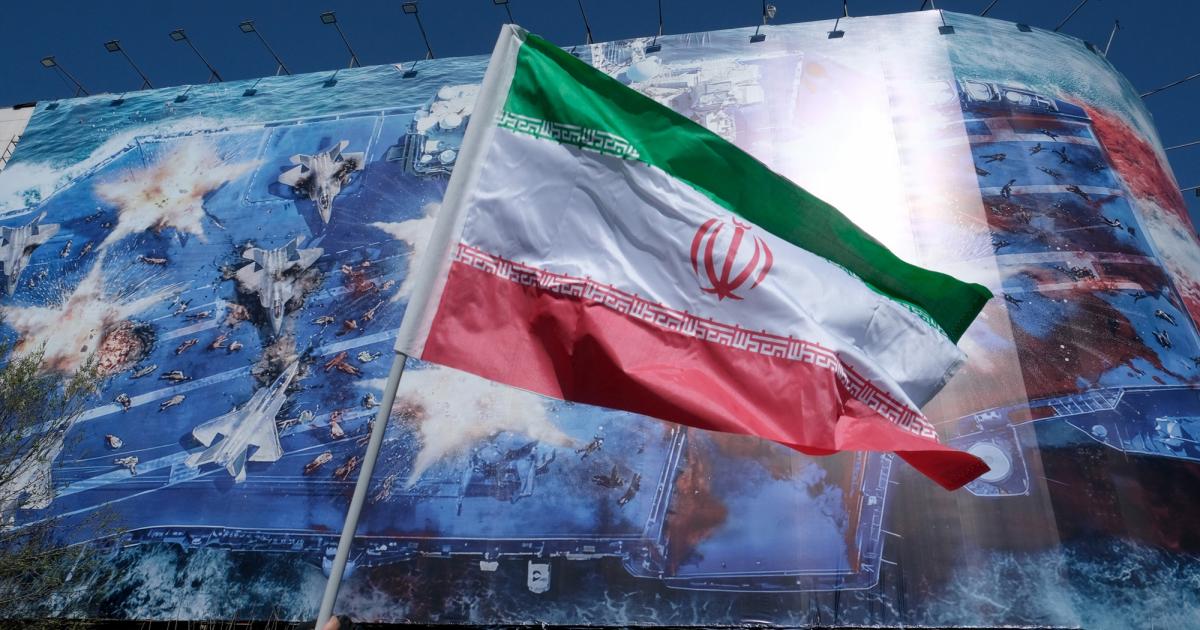
The Iranian military establishment entered the crisis, with the Iranian army announcing its full readiness for all possible scenarios. Army spokesman Mohammad Akrami Nia stated that his country forced the other party to sit at the negotiating table thanks to its firm stance, indicating that Tehran's conditions are the core of any future discussion.
Akrami Nia warned that Iran is dealing with the diplomatic path with extreme caution due to its bitter past experiences with American promises. He affirmed that the Iranian armed forces are prepared for a long-term war if negotiations fail, describing the American side as untrustworthy, citing what happened in the nuclear deal and previous rounds of negotiations.
Islamabad is witnessing a security and diplomatic alert to secure the talks, which Pakistani Prime Minister Shehbaz Sharif described as a 'historic event.' Through this hosting, Sharif seeks to defuse a major regional crisis, calling on all parties to exercise restraint and give a real chance for peace to spare the region the ravages of a devastating war.
The Pakistani Prime Minister expressed his dissatisfaction with the recent military escalation in Lebanon, confirming that the Pakistani narrative aligns with the Iranian demand for Lebanon's inclusion in the truce. Pakistan believes there is an opportunity to transform the temporary ceasefire into a permanent and comprehensive peace agreement that ends the ongoing conflict between Iran on one side and the United States and Israel on the other.
Pakistani diplomacy is working in coordination with influential regional and international powers to ensure the success of this round, with continuous consultations taking place with Turkey, China, Saudi Arabia, and Egypt. These moves aim to mobilize international support for the Pakistani initiative and provide political cover to ensure the commitment of the conflicting parties to what will be agreed upon behind closed doors.
The US delegation will be headed by Vice President J.D. Vance, a move that reflects the White House's seriousness in directly managing this file. The US delegation also includes prominent figures such as Jared Kushner and Steve Witkoff, indicating Washington's desire to link the political track to broader regional arrangements that include economic and security files.
As for the Iranian delegation, it is led by Parliament Speaker Mohammad Bagher Ghalibaf and Foreign Minister Abbas Araghchi, a representation that combines legislative and diplomatic weight. The composition of the Iranian delegation reflects Tehran's desire to show internal unity behind the negotiator, while adhering to the military and political constants recently announced by the Iranian leadership.
Anticipation remains the master of the situation in international circles for what Friday's meetings will yield, as observers believe that the gap between the demands of the two sides is still wide. While Washington insists on specific technical and military compliance, Tehran rejects any agreement that does not guarantee the removal of the threat to its allies in the region, making the Islamabad negotiations a real test of the will for peace.
Our eyes are on the enemy, and our fingers are on the trigger; we are ready for a long war if negotiations fail.
Share your opinion
Islamabad Hosts Direct Iranian-American Negotiations Amidst Mutual Threats to Derail Truce