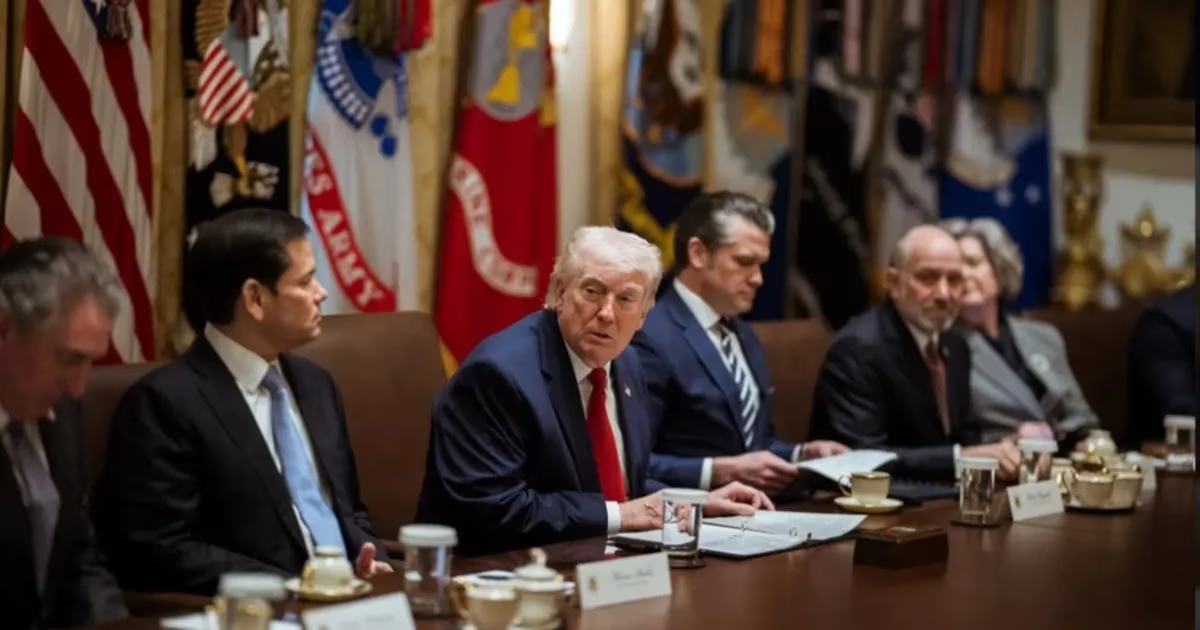







Press reports indicate that US President Donald Trump is facing complex strategic challenges in his conflict with Iran, as promises to end military operations within a few weeks appear difficult to achieve. Sources explained that the President has put himself in a dilemma with no easy way out, especially with continued tensions in the Strait of Hormuz and no tangible results from negotiations.
Sources stated that Trump's goals, which are to prevent Tehran from acquiring nuclear fuel and to change the ruling regime, remain elusive given the current data. Despite intense military pressure, Iran has shown a high capacity to withstand economic and military pressures, while maintaining missile capabilities that enable it to target occupation sites.
Global markets experienced a state of skepticism following Trump's recent speech, as oil prices jumped by 8% due to the absence of a clear plan to end the oil tanker crisis. Observers believe that the US President's insistence that the Strait of Hormuz will automatically open at the end of the war did not convince investors who fear a prolonged disruption of global energy supplies.
Analyses indicate that Trump is adopting contradictory paths; while he speaks of an imminent end to hostilities, he simultaneously threatens to return Iran to the Stone Age. This contradiction raises fears of an expansion of the conflict instead of its containment, especially since the American conditions for a solution remain vaguely defined behind closed doors.
Regarding the Iranian domestic front, Trump backed down from his explicit calls for regime change, claiming that change had already occurred with the death of some leaders. Press sources considered this proposition to lack political realism, as changing individuals does not necessarily mean the collapse of the governing structure that has been in place for decades in Tehran.
Trump relies on methods drawn from the real estate world in managing the crisis, attempting to impose a new reality through strong statements and continuous pressure. However, military reality proves that the other party possesses tools to shape the security environment, making Iran's waiting strategy a gamble on the decline of American markets and Washington's withdrawal.
The US administration faces an additional dilemma: securing the Strait of Hormuz and ensuring it remains open to international navigation after the end of military operations. Trump has called on international allies to be courageous and participate in controlling the strait, which was met with clear coolness from European powers who feel marginalized in the decision-making process.
There is widespread anger in European capitals due to Washington's failure to consult its allies before starting the conflict that ignited a global energy crisis. British Prime Minister Keir Starmer clearly expressed this position, emphasizing that his country will not be drawn into a war it does not consider its own, which deepens American isolation on this issue.
Tension between Washington and its allies reached the point where Trump threatened to withdraw from NATO, in response to what he described as the weak contribution of allies. However, leaked videos show the US President's realization in closed rooms of his country's need for international assistance to secure vital waterways in the post-war phase.
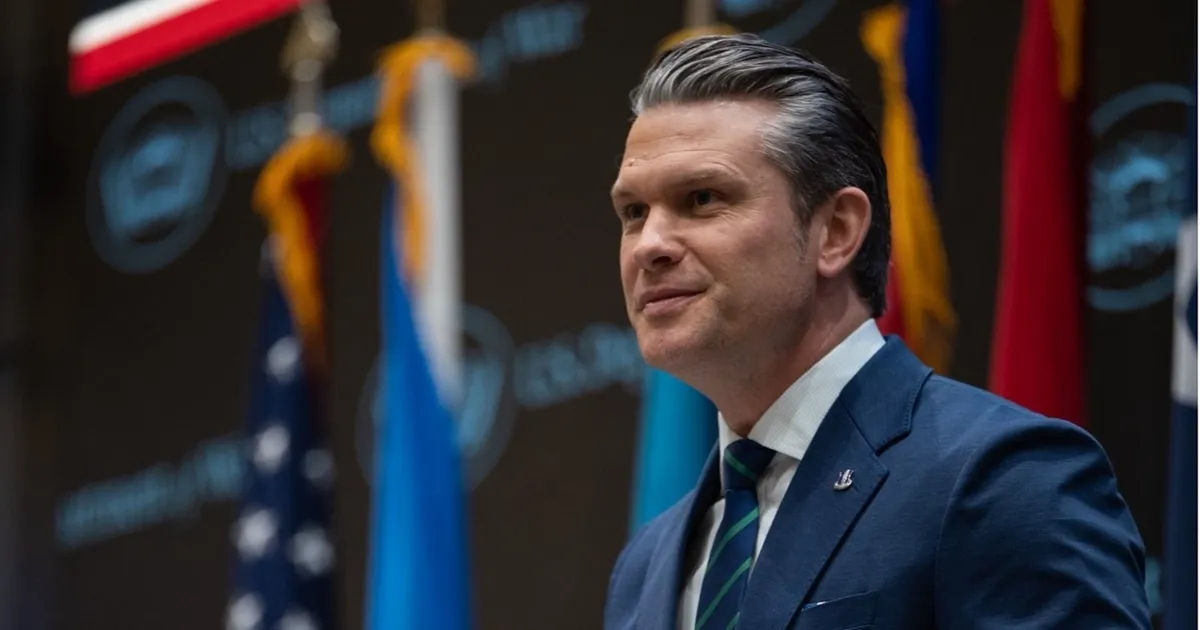
In the context of verbal escalation, the term 'return to the Stone Age' emerged as a slogan adopted by the hardline wing of the US administration, led by Defense Secretary Pete Hegseth. This approach reflects a desire to use the utmost lethal force to destroy Iranian infrastructure, which raises widespread international criticism regarding the legality of these attacks.
Experts believe that the current American rhetoric lacks a comprehensive political vision for Iran's future or how to deal with its people away from destructive military options. Instead of presenting an attractive democratic model, the current strategy focuses on hard power, which could lead to counterproductive results that strengthen the internal cohesion of the regime in the face of external threats.
On the international front, China, the largest oil importer, maintained a cautious distance from the conflict, depriving Washington of important international cover for its operations. Leaders in Tehran appear to be betting that internal economic pressures in the United States will eventually force Trump to reconsider his calculations and withdraw from the confrontation.
The challenges facing US forces in the region appear to be unsolvable quickly, as the White House promotes in its public speeches. Whether Trump decides to withdraw in the coming weeks or proceed with escalation, the economic and security consequences will continue to cast a shadow over global stability for a long time.
In conclusion, the situation on the ground remains the final arbiter in this conflict, as Iranian missile barrages continue to target vital sites despite intensive aerial bombardment. This reality puts the credibility of Trump's election promises to end foreign wars at stake and opens the door to complex scenarios that may reshape the map of alliances in the Middle East.
This is not our war, and we will not be drawn into it.
Share your opinion
New York Times: Trump Faces Strategic Dilemma in Iran, Solutions Elusive