







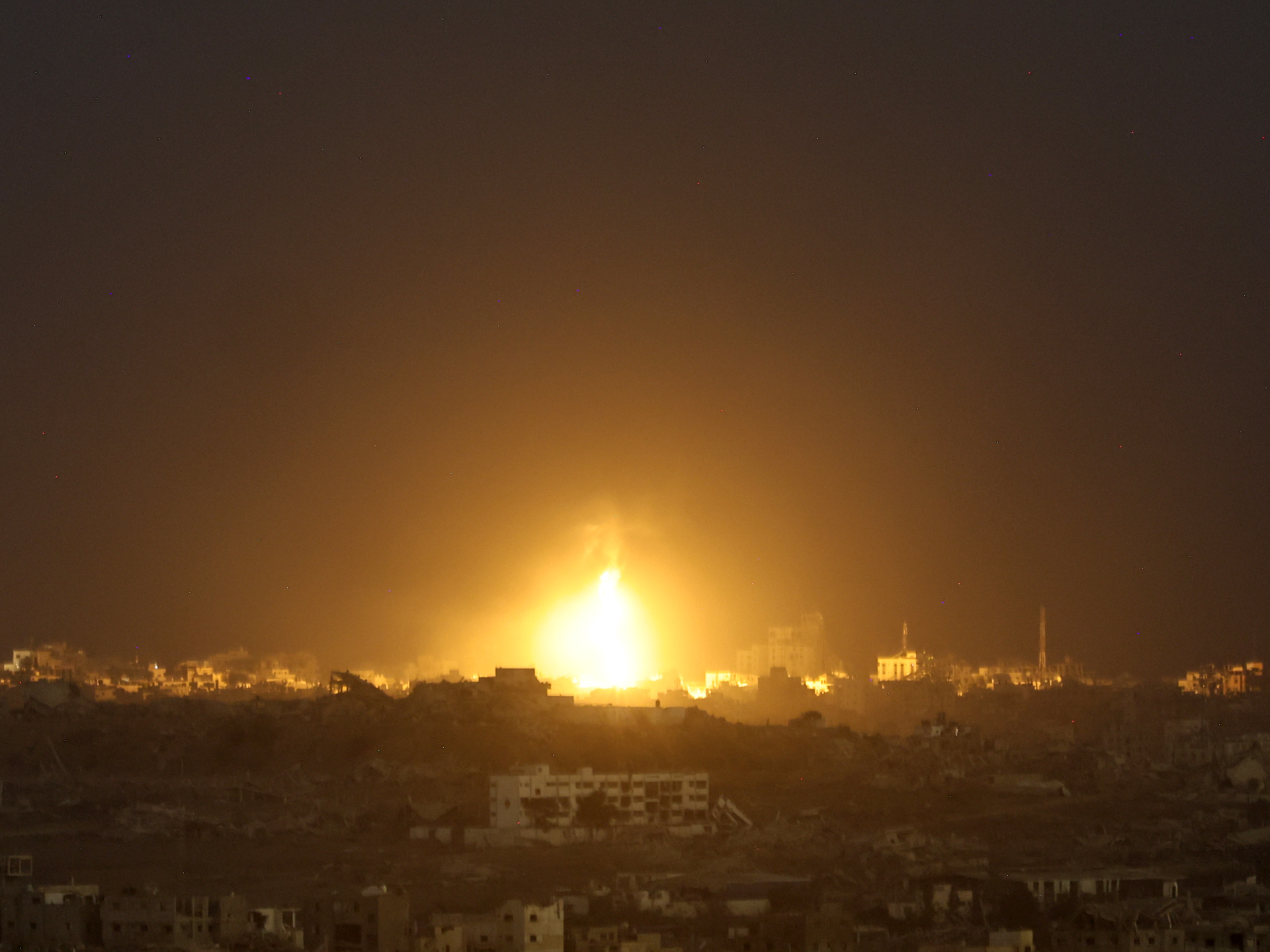
International concerns are escalating regarding the current aggression turning into an unprecedented global energy crisis, especially with the possibilities of regional conflict remaining open to all scenarios. Observers believe that targeting Iranian energy facilities could be met with reactions affecting vital interests in Gulf countries, thereby achieving strategic goals for some parties seeking to change the map of the Middle East.
Attention is drawn to the necessity of confining the confrontation to external powers and avoiding targeting facilities that directly or indirectly affect the lives of Gulf peoples. Foiling plans aimed at tearing the region apart requires awareness of the need to preserve the social ties of the nation, away from the volatile political tensions between regimes.
A real danger emerges in the attempt to isolate Iran from its geographical surroundings and portray it as a permanent enemy of the Arab peoples, a path that has begun to resonate in some circles. Analysts warn against being drawn into claims of targeting civilian objectives, pointing to previous incidents where regional parties were blamed for deepening popular division.
Maintaining positive popular trends among the components of the region is a top priority, as changing people's convictions requires many years of hard work. Hence, the importance of not sliding into historical animosity between neighbors emerges, especially since the sole beneficiary is the colonial powers that feed on ethnic and sectarian conflicts.
Historically, most former colonial areas have turned into continuous hotbeds of tension, as is the case in the Indian subcontinent, Southeast Asia, and Africa. In our region, the presence of occupation is the main driver of unrest, as it always seeks to stir up sectarian and doctrinal strife to dismantle the cultural fabric that connects the peoples of the region.
The Middle East possesses enormous wealth and strategic trade routes capable of decisively influencing the global economy and international communication networks. This geopolitical weight has made the region a target for continuous dismantling operations under national or sectarian pretexts, which facilitates control over its resources and independent political decision.
Amidst the ongoing aggression, there is an urgent need to review the economic cost of war and avoid targeting the strategic facilities of neighboring countries. Although some reports indicate limited human losses in regional operations, the loss of any human life leaves a deep impact on the popular psyche and turns into general discontent.
On the diplomatic front, official Gulf statements reflect a state of increasing tension, as Saudi sources confirmed that restoring trust with Tehran is linked to stopping aggressions. Officials in the Kingdom believe that building a strategic partnership requires abandoning ideas of regional hegemony and the use of force in resolving disputes.
For its part, the language of official statements in some Gulf countries has begun to take a sharper turn through the use of political descriptions that reflect alignment with the international vision of some powers. The absence of these descriptions when talking about crimes committed in the Gaza Strip is noted, indicating political connotations that go beyond the nature of field attacks.
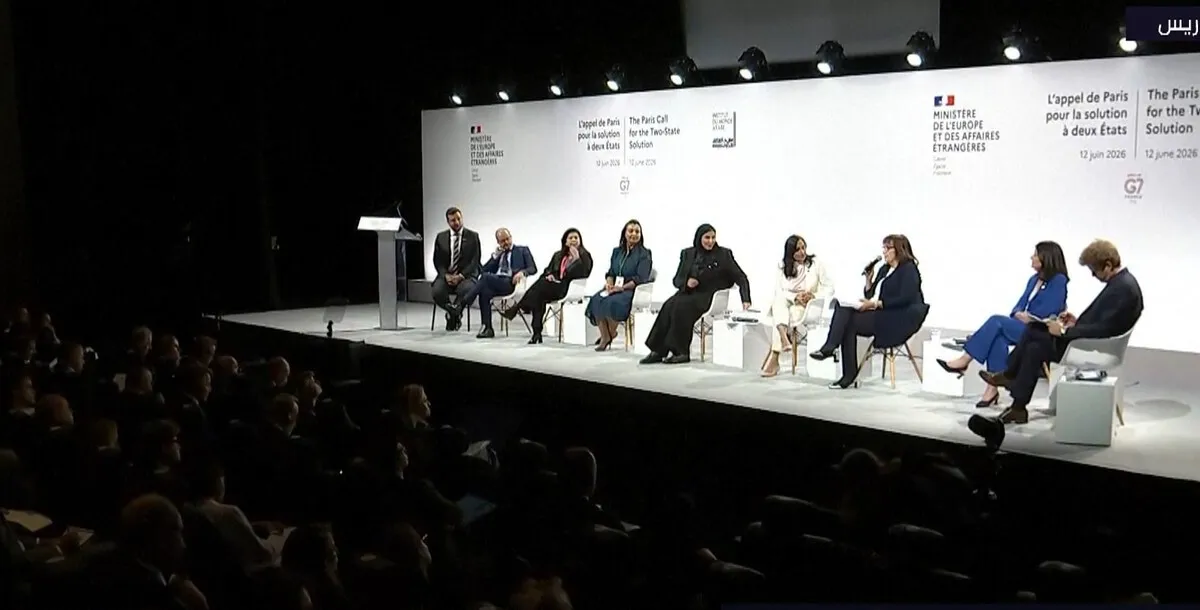
The diplomatic arena witnessed escalatory steps including the expulsion of ambassadors and the withdrawal of missions, which could deepen internal division in countries like Lebanon. Expectations are increasing that other Arab countries will join these measures, which could turn political disagreement into full official and popular animosity that will be difficult to remedy in the near future.
Analysts recall lessons from history, specifically the period before the invasion of Kuwait in 1990, when international powers gave misleading signals that led to changing the face of the region. The spread of foreign military bases was a direct result of those mistakes, which calls for caution against repeating scenarios that place Arab decision-making in foreign hands.
Today, the countries of the region face two choices; either relying on external protection, which experience has proven aims to protect the interests and expansion of the occupation, or building a common security system. The occupation does not hide its expansionist ambitions targeting vast Arab territories, which represents the real existential threat that must be addressed.
Prominent political figures, including high-ranking Qatari sources, have called for a reassessment of the feasibility of American protection and the resulting depletion of sovereign wealth. Investing in self-strength and enhancing internal military and political capabilities is the only guarantee for achieving independent national decision-making away from international blackmail.
The current stage represents a historic opportunity to establish strong Gulf and Arab alliances based on common economic and security integration. Directing funds spent as the price of external protection towards internal development and enhancing popular welfare will strengthen governance stability and increase people's satisfaction with their leaders' directions.
The basis of the external axis's victory lies in deepening Iran's isolation from its surroundings and describing it as an entity hostile to the Arab peoples.
Share your opinion
The Future of Gulf Alliances Amidst Regional Escalation: A Reading of Confrontation Outcomes