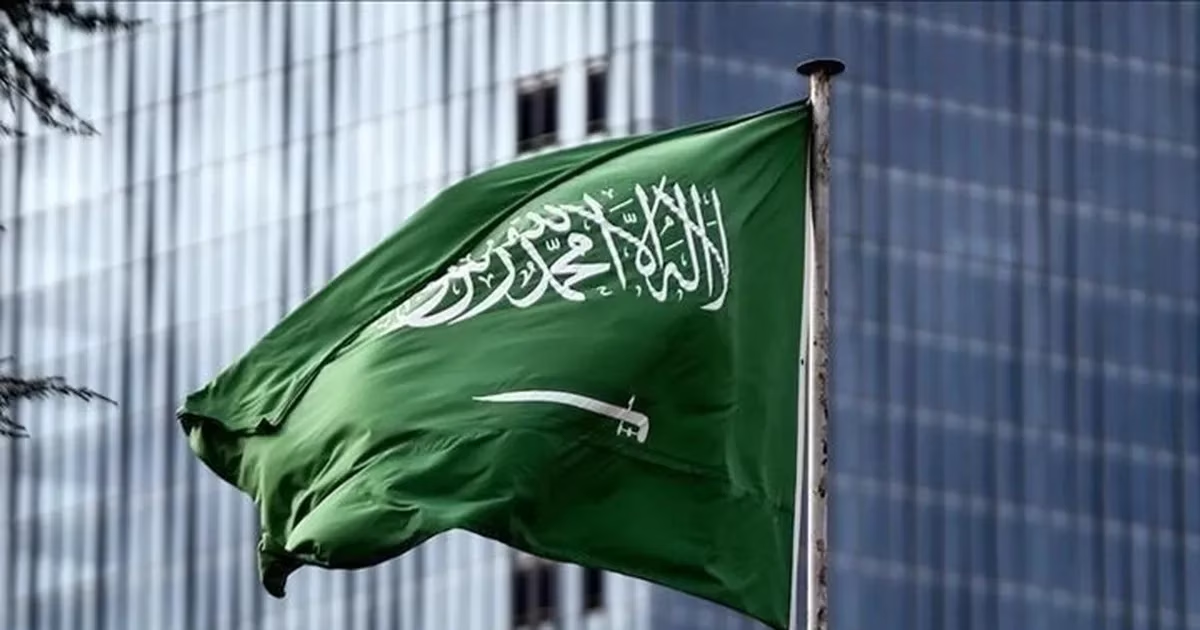







International press reports revealed intensive diplomatic activity led by Arab and regional capitals, where the foreign ministers of Egypt, Saudi Arabia, Turkey, and Pakistan met in Riyadh to find a way out of the escalating military crisis in Iran. Sources indicated that these moves came at a critical time, aiming to prevent the region from sliding into a comprehensive confrontation, despite the challenges posed by the absence of direct communication channels with the Iranian side.
The mediation efforts faced a major obstacle with the assassination of Ali Larijani, head of Iran's Supreme National Security Council, by the occupation state, who was seen as a party capable of dialogue with Western powers. This field development briefly disrupted diplomatic calculations, before Egyptian intelligence succeeded in breaking the deadlock and opening a direct communication channel with leaders in the Iranian Revolutionary Guard Corps.
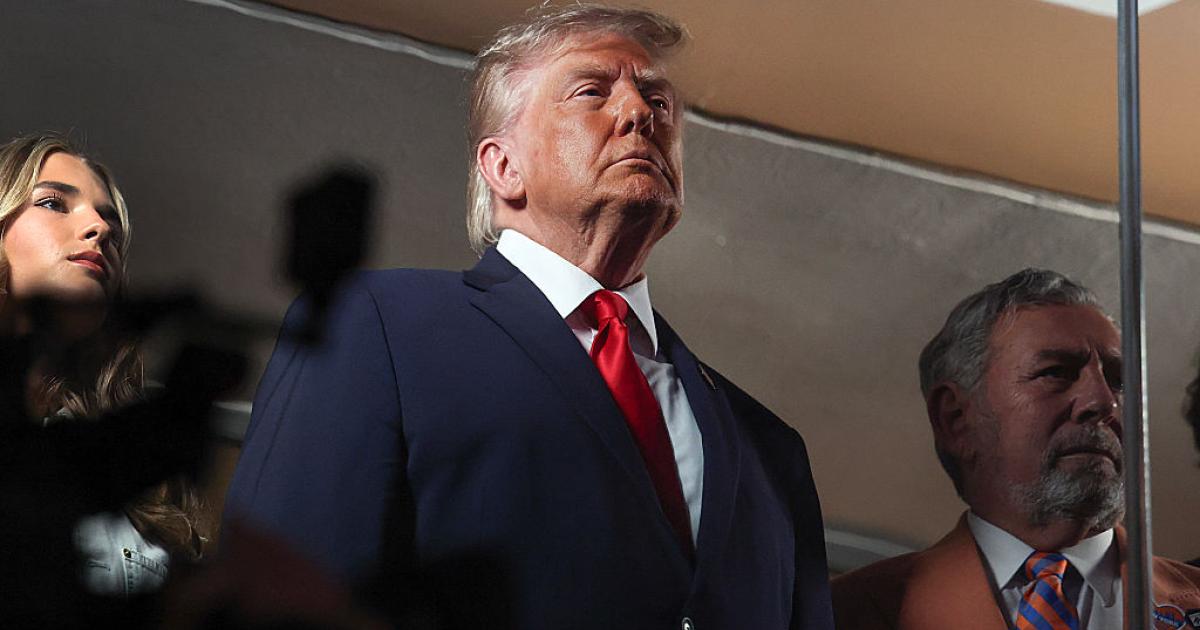
Egyptian mediators proposed a five-day cessation of hostilities as a confidence-building measure, which paved the way for a surprising shift in the White House's stance. According to sources, US President Donald Trump decided to suspend military strikes targeting Iranian power stations after being briefed on the results of the Riyadh deliberations, preferring to give diplomacy a last chance.
Trump had issued a stern warning to Tehran to open the Strait of Hormuz within 48 hours, threatening to destroy the country's energy infrastructure. However, the messages conveyed by Arab mediators about the possibility of reaching an agreement changed the course of the decision in Washington, reflecting a desire by the US administration to avoid the economic and political repercussions of a long-term war.
For her part, White House spokeswoman Caroline Leavitt affirmed that the United States is engaged in extremely sensitive diplomatic discussions, emphasizing that the administration will not negotiate through the media. She clarified that the field and political situation remains unstable, calling for not adopting press speculations as final facts before official announcements from the competent authorities.
This news immediately reflected on global markets, with US stock indices on 'Wall Street' recording record gains, the highest since last February. Oil prices also saw a sharp decline, with Brent crude falling by 11% to below $100 per barrel, driven by hopes of de-escalation and avoiding the closure of vital energy passages.
Despite this optimism, Arab mediators expressed caution regarding the possibility of reaching a quick agreement, given the deep gap in the demands of both parties. While Tehran stipulates financial compensation and American and Israeli pledges to stop future attacks, Washington insists on dismantling the nuclear program, halting ballistic missile development, and ending the influence of pro-Iranian militias.
Inside Iran, a kind of caution and skepticism prevailed, as Parliament Speaker Mohammad Bagher Ghalibaf denied the existence of any direct negotiations with Washington at present. Ghalibaf considered that American statements about the progress of the diplomatic path are primarily aimed at manipulating global financial markets and alleviating economic pressures, stressing that his country is not prepared to concede under threat.
The technical discussions led by Arab leaders focused on the issue of the Strait of Hormuz, through which five global oil supplies pass, where the formation of a neutral international committee to ensure navigation was proposed. In contrast, the Revolutionary Guard Corps put forward the idea of imposing transit fees on ships passing through the strait, similar to the Suez Canal, a proposal that was met with outright Gulf rejection as it would give Tehran excessive control.
Information indicates that back channels are still active with the participation of Qatar, Oman, France, and Britain, with a proposal emerging for a high-level meeting in Pakistan or Turkey. The US side in these discussions is likely to be represented by Steve Witkoff and Jared Kushner, with the possibility of Vice President J.D. Vance joining if a draft agreement matures.
These developments come amid a sensitive transitional phase within Iran, where Washington is dealing with a regime led by the new Supreme Leader Mojtaba Khamenei, who is described as hardline. Despite this, Trump showed unexpected flexibility, hinting at the existence of Iranian leaders he respects and with whom a new era of relations can be reached, away from the language of military threat.
Finally, military analysts believe that the United States continues to strengthen its field presence by sending Marine units, to ensure pressure on Tehran during negotiations. The question remains about the extent of the Iranian regime's ability to make fundamental concessions regarding its nuclear program in exchange for political survival and the lifting of sanctions, in light of the widespread destruction of its military capabilities during recent confrontations.
The situation is unstable, and speculations should not be considered final before the official announcement of the results of the sensitive diplomatic discussions.
Share your opinion
Arab Mediation Leads Trump to Back Down from Striking Iran, 5-Day Truce Looms