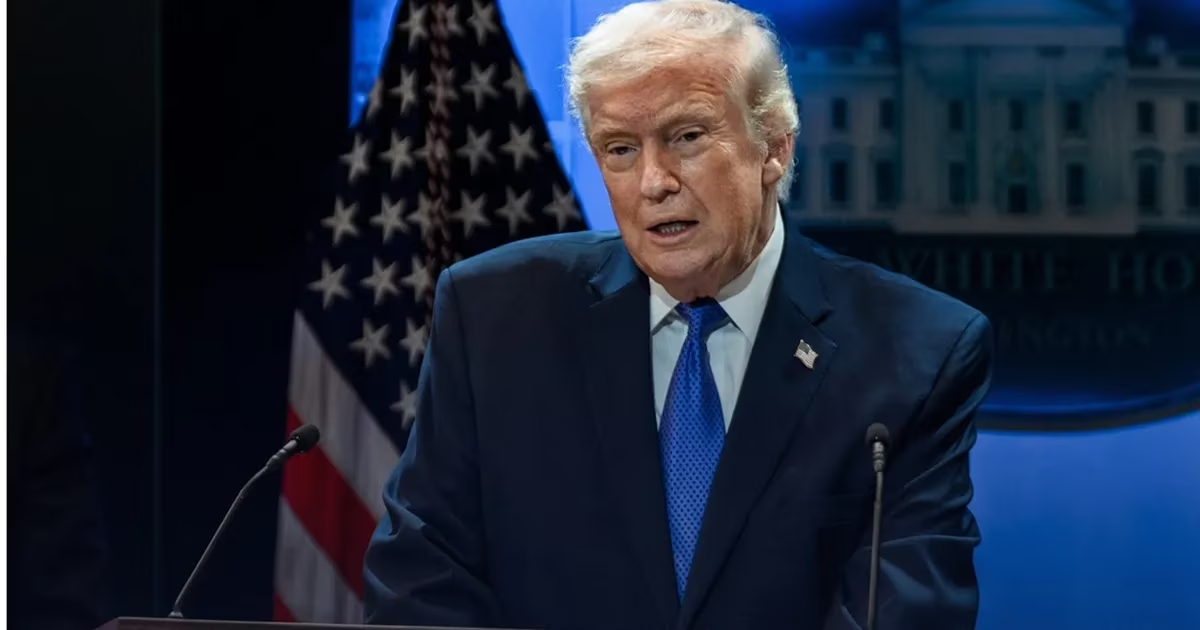







International press reports revealed that US President Donald Trump is reviewing the pace of military operations against Iran, in what was described as an attempt to 'de-escalate' after the objectives of the 'quick invasion' faltered. Sources indicated that Trump, who seemed determined to gradually withdraw during his trip to Florida, is still indecisive about ending the military operation, which has not yet achieved its major strategic goals.
Internal pressures are mounting on the US administration as the average price of gasoline at local stations reaches about $4 per gallon, raising concerns among the Republican electoral base. Infrastructure in the Gulf region has also been significantly affected by the reciprocal raids, while the Iranian regime has shown no signs of disintegration or retreat from power despite the severe blows it has received.
The White House's messages are characterized by clear contradictions, with critics arguing that Trump entered the conflict without a clear exit strategy, while his supporters describe this fluctuation as 'strategic ambiguity'. While sending Marine reinforcements to the region, he issues statements confirming the destruction of Iranian missile and naval capabilities, followed by posts suggesting that objectives are close to being achieved and military efforts are nearing an end.
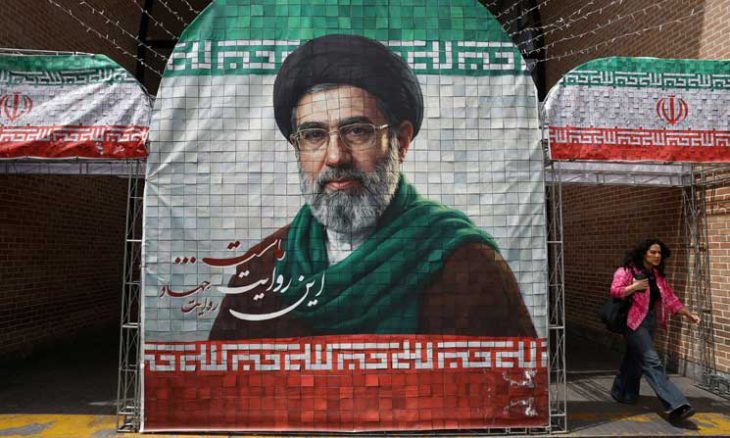
Trump's recent speech showed a retreat from some previously declared goals, as he omitted any mention of defeating the Iranian Revolutionary Guard, which still holds the reins of power. Messages directed at the Iranian people, urging them to take power, were also absent, indicating a reassessment of the field reality that has proven the resilience of the Iranian security structure despite the absence of public appearances by the new Supreme Leader Mojtaba Khamenei.
Regarding the nuclear file, Trump proposed a new objective focusing on preventing Iran from approaching nuclear capability instead of the previous demand to ship all enriched materials out of the country. This approach reflects an acceptance of the status quo resulting from the destruction of major nuclear sites last June, which are still under close surveillance by US satellites to ensure activity is not resumed.
Trump demanded that US allies bear the responsibility for protecting and monitoring the Strait of Hormuz, indicating that Washington no longer relies on it directly for its supplies. Richard Haass, former National Security Council official, described this approach as 'Trump's new doctrine' based on destroying adversaries and then shifting the responsibility for managing the consequences to regional and international allies.
The weekend saw an escalation in threats, with Trump threatening to target Iranian power plants, most notably the Bushehr nuclear plant, if the Strait of Hormuz was not fully opened. This threat is a violation of international norms that consider nuclear facilities no-go areas in armed conflicts to avoid environmental disasters, reflecting the extent of frustration over the continued closure of waterways.
Diplomatic sources indicate that Trump expected an unconditional Iranian surrender within the first week of the war, which did not happen despite immense military pressure. European officials described these expectations as lacking an understanding of the nature of power centers in Iran and its national history, confirming that Tehran's refusal to surrender shocked decision-makers in Washington.
The biggest surprise for the US administration was the global energy market crisis, which the International Energy Agency described as the largest in history in terms of supply disruption. This turmoil led to the withdrawal of quantities from the US strategic reserve, which was already suffering from depleted stocks, prompting the Treasury Department to issue exceptional licenses for the delivery of oil shipments stuck at sea.
On the financial front, international institutions such as Goldman Sachs warned that oil prices would remain high until 2027 if tensions in the Strait of Hormuz continued. Tehran understands that market chaos is its most effective weapon, having threatened to ignite other energy facilities in the region, relying on an arsenal of naval mines and fast boats that still pose a threat to navigation.
Trump found himself in dire need of international allies to conduct long-term patrols in the region, something he had not planned for at the beginning of the conflict, believing the war would be swift. It became clear that securing checkpoints and waterways could take years, requiring a collective effort that Washington currently lacks due to its unilateral policies in initiating the conflict.
American expectations of widespread defections within the Revolutionary Guard or a major popular uprising to overthrow the regime from within also proved false. Despite assurances from some White House officials about existing cracks, US and European intelligence reports found no concrete evidence of an imminent collapse in the Iranian power structure, despite the liquidation of senior leaders.
Analysts believe that Trump's previous successes in swift operations against nuclear sites or in Venezuela gave him a false impression of the possibility of repeating the scenario with a country the size of Iran. It seems that the reliance on the absolute military power of the US army did not take into account the complexities of Iranian geography and demographics, turning the 'short trip' into a long-term attrition.
In conclusion, Trump faces a real dilemma between his desire to end the war before the elections and a field reality that forces him to stay or admit failure to achieve major goals. With continued ambiguity surrounding the fate of the new Iranian leadership, the region remains open to all possibilities in the absence of any real prospect for a ceasefire or a comprehensive political settlement.
Consider this Trump's new doctrine for the Middle East: We destroyed it, but you bear the responsibility.
Share your opinion
Washington's Strategic Confusion: Why Did Trump's Quick 'Invasion' Against Iran Falter?