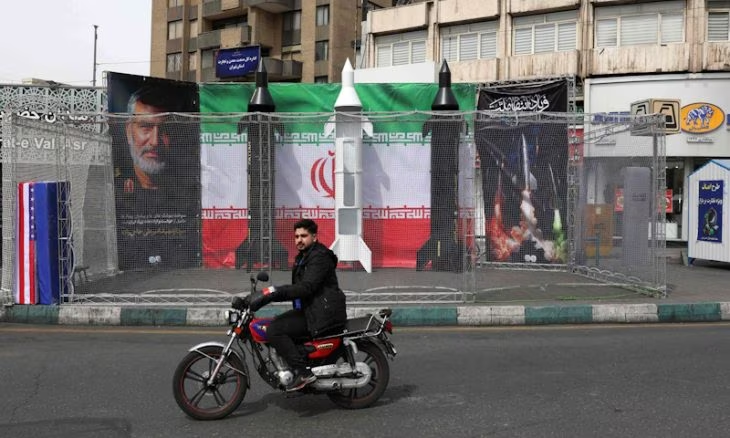







US President Donald Trump's administration faces increasing warnings of sliding into a new 'quagmire' in the Middle East, as international reports indicate that the war launched three weeks ago against Iran is still far from being decided. Despite optimistic statements from the White House about destroying Iranian military capabilities, the reality on the ground suggests that Tehran continues to threaten shipping lanes and global energy security.
Press sources reported that Trump attempted to market the military campaign as having achieved its objectives in its early days, considering the mission 'largely accomplished.' However, the Strait of Hormuz, which is the lifeline for global energy trade, remains closed, pushing oil prices to record levels that have alarmed traders and consumers alike.
In a notable testimony before Congress, US Director of National Intelligence, Tulsi Gabbard, affirmed that the structure of the Iranian regime remains 'intact' and ready to rearm once military operations cease. This assessment sharply contradicts the administration's rhetoric promoting an imminent collapse in Tehran's defensive and offensive capabilities.
For his part, John Bolton, former National Security Advisor, expressed concern about the current course of the war, noting that failure to fully accomplish the mission would leave a weakened regime still capable of quickly returning to its previous practices. Observers believe that this confusion brings to mind the strategic errors Washington made in previous wars in the region.
On the ground, US forces have suffered 13 casualties, at a time when the Pentagon is considering sending ground reinforcements of 2,500 soldiers. These developments put the Republican Party in a critical position before voters, especially with fuel prices rising by 33% coinciding with the approaching midterm elections.
Financial pressures began to emerge clearly after the Pentagon requested an additional budget of $200 billion to fund war operations, a huge sum equivalent to the budgets of essential service ministries. This massive spending raises questions about Trump's previous electoral promises to end 'endless wars' and avoid draining America's wealth abroad.
Experts believe that Trump, who previously described the invasion of Iraq as the 'worst mistake,' is now repeating the same scenario by setting vague war objectives whose success is difficult to measure. Preventing Tehran from acquiring nuclear weapons and ending its support for armed factions are conditions analysts consider 'impossible' given the current complex reality.
In a related context, former US Ambassador Ryan Crocker indicated that Iran achieves a symbolic victory simply by enduring and surviving under bombardment. He added that Iran's ability to survive has proven effective, making it difficult for Washington to declare a decisive and final military victory in the foreseeable future.
Contradictions in Trump's statements also emerged regarding the state of the Iranian military. While he claims that the Iranian fleet is 'at the bottom of the sea,' he admits that the mere thought of mines prevents ships from crossing the strait. Furthermore, claims of a 90% reduction in ballistic missile launches clash with the continued penetration of these missiles through advanced US defenses.
Defense Secretary Pete Hegseth tried to alleviate these concerns, emphasizing that the current conflict is fundamentally different from the wars of the last decade and does not represent an 'endless abyss.' However, this official discourse faces widespread skepticism from members of Congress and former intelligence analysts who believe that withdrawal options have become limited.
Senator Elissa Slotkin, a former CIA analyst, clearly stated that current indicators do not point to a decisive American victory. She warned that any sudden withdrawal now could leave behind a more hardline and militarized Iranian regime, putting future US administrations under constant pressure.
At the ground forces level, Trump's true intentions remain shrouded in mystery. He told reporters that he would not send ground troops, but then informed other media outlets that he might do so 'if necessary.' This fluctuation increases military leaders' fears of the operation escalating into a comprehensive and direct ground confrontation.
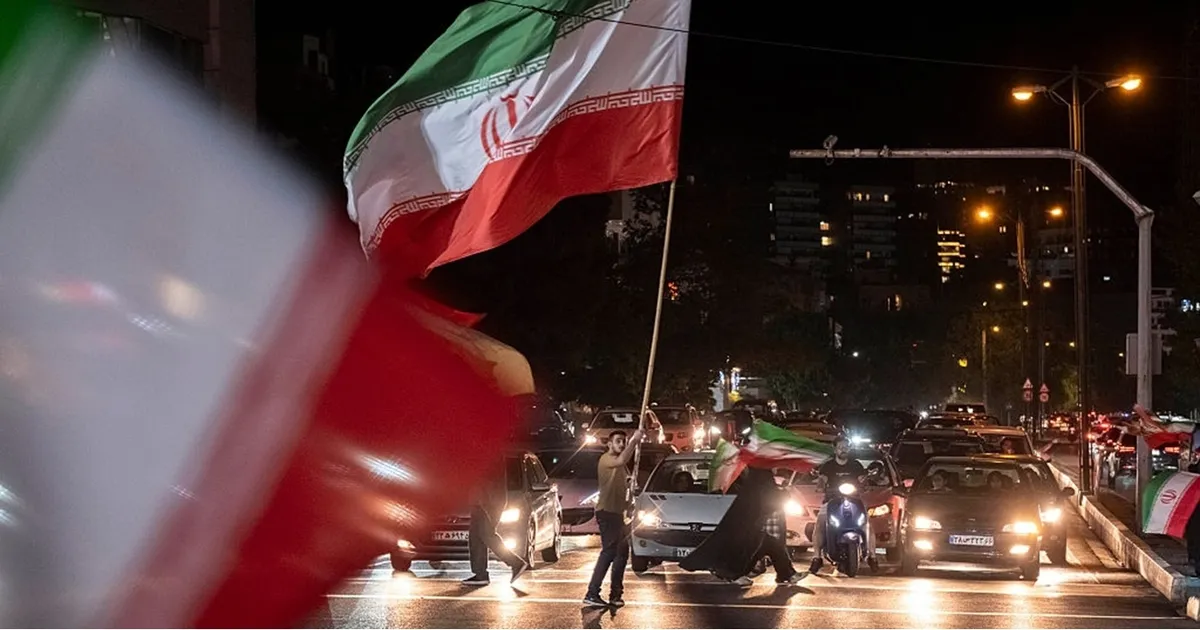
Iran, for its part, shows no desire to make concessions and considers the war an existential battle that does not accept compromises, especially with the widening gap between American and Israeli objectives. This Iranian insistence complicates the task of mediators and makes a ceasefire a distant prospect for now.
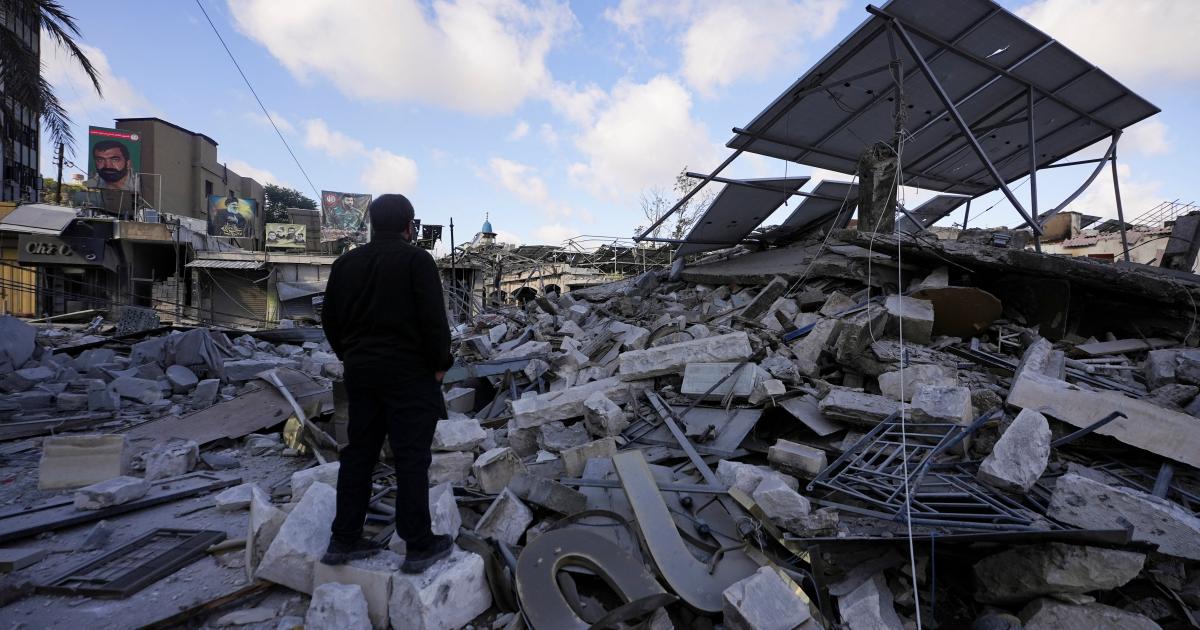
Ultimately, analysts expect Trump to declare 'victory' at a certain point for political and economic considerations, even if the reality on the ground does not fundamentally change. But this announcement will leave the region facing explosive crises, including destroyed infrastructure, unsafe shipping lanes, and a regime with strong motives for revenge.
Iran triumphs simply by surviving, and it has clearly demonstrated its ability to endure despite the strikes.
Share your opinion
Financial Times: Trump's Iran adventure threatens a long-term 'quagmire' and global energy crisis