







The official narrative of the US Department of Defense faces significant challenges amid the emergence of field data that contradicts the statements of Secretary of War, Pete Hegseth, regarding the scale and pace of ongoing military operations against Iran. The Secretary has asserted on several occasions that the United States is continuously increasing the pace of its strikes, vowing that the coming days will witness the most violent attacks since the start of the military campaign.
Despite the confident tone with which Hegseth speaks, figures released by the US Central Command indicate a different trajectory characterized by fluctuation and instability in the number of aerial sorties. Records show that military operations are not proceeding in an escalating manner as promoted in the media, but rather are subject to complex logistical and technical variables that affect the daily performance of forces.
In a media briefing in early March, Hegseth described the upcoming strikes as the "largest and biggest" in the history of the confrontation, emphasizing that the Pentagon is working to accelerate operations. The Secretary claimed that Iran's military capabilities are rapidly eroding, describing the situation as Tehran losing its power hour by hour under the weight of continuous bombardment.
On March 10, the Secretary of War went further by declaring that day represented the peak of offensive intensity within Iranian territory, which he reiterated in the following days. However, informed sources reported that these statements lack numerical support in the daily operational records documented by US Army field units.
Technical reports indicate that the number of daily strikes is directly affected by the maintenance schedule of aircraft and warships participating in the campaign, as well as the availability of confirmed intelligence targets. It appears that the US military has begun to exhaust its pre-prepared target list, forcing it to slow down operations until new locations are identified and verified to ensure accuracy of engagement.
Media sources quoted a Defense Department official as saying that operations against Iranian military targets are ongoing and have not stopped, but he acknowledged challenges related to maintaining accuracy. This statement reflects an attempt to balance the image between the Secretary's political ambitions and the operational constraints faced by military commanders on the ground.
Observers believe that the contradiction between Hegseth's language and official figures reveals the use of media messages as a tool in psychological and political warfare rather than as realistic reports. While the Secretary speaks of a "decisive victory" and comprehensive destruction of Iran's industrial and defensive base, field realities show Tehran's continued resistance and response to US movements.
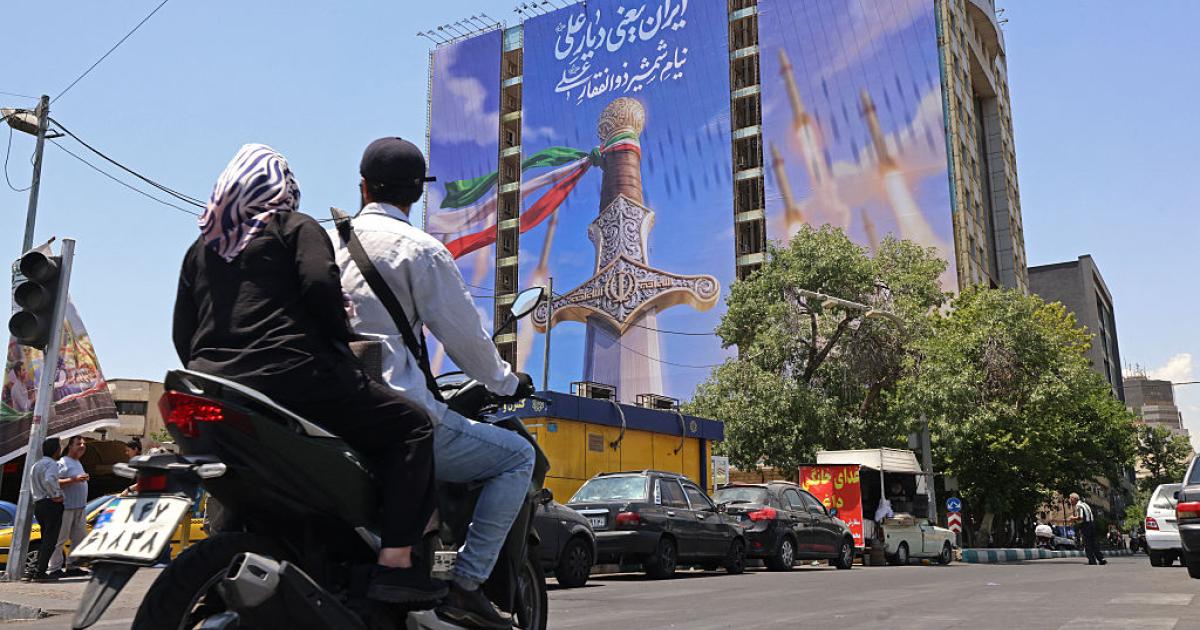
Ministerial statements claim that Iran is now without air defenses or an effective naval force, yet reality indicates the continuation of Iranian threats in international waterways. This situation has led to a partial closure of the Strait of Hormuz, raising questions about the accuracy of reports that speak of a complete paralysis of Iranian military capabilities.
Despite the blows received by the Iranian leadership and the assassination of pivotal figures in the regime's structure, the United States still finds it difficult to fully secure commercial navigation. These difficulties increase pressure on the US administration to explain the gap between promises of absolute control and ongoing security challenges in the region.
In a notable incident, an emergency landing of an F-35 aircraft during a combat mission was announced, which analysts considered an indicator of the stress on US equipment. Such incidents raise serious questions about claims of complete control over Iranian airspace, which the Pentagon promoted as an achievable goal by mid-March.
Retired Colonel Mark Cancian explains that the fluctuation in the rate of attacks is normal in long air campaigns, as aircraft require intensive periodic maintenance. He added that the military faces the challenge of finding high-value targets after striking most of the strategic locations identified in the initial target bank, which included thousands of sites.
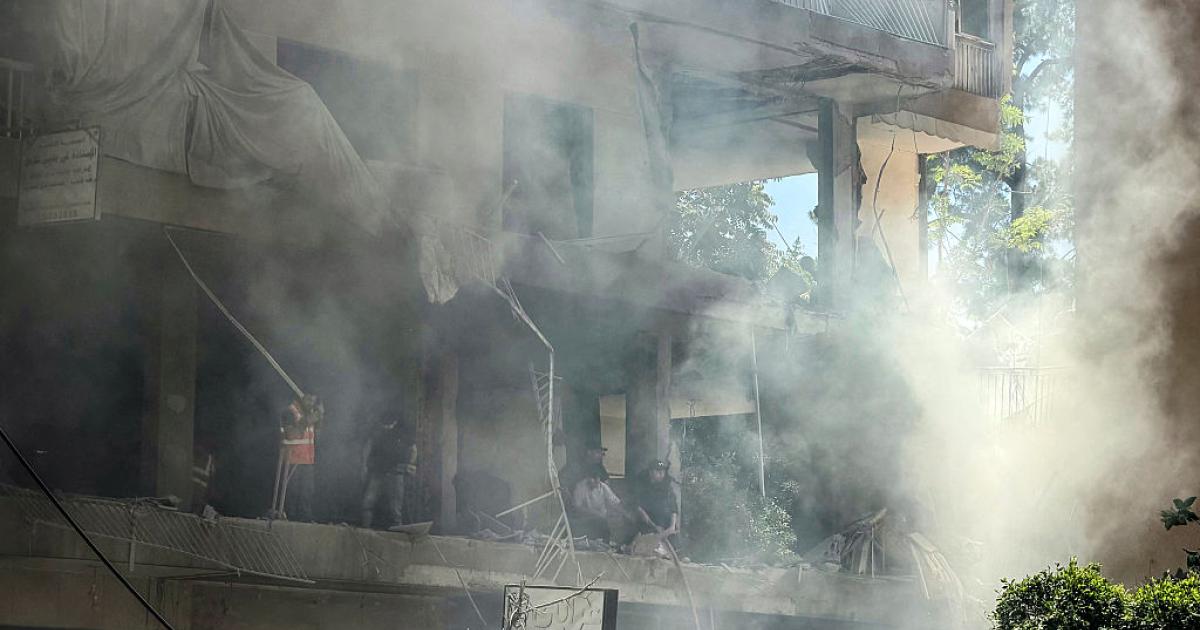
Looking at the statistics, the average daily strikes in mid-March reached about 250 strikes, a figure much lower than the numbers recorded on the first day of the campaign. The peak of operations had targeted more than 1,000 sites in one day, making the claim that the pace is continuously escalating numerically inaccurate.
Data shows that the total number of targeted objectives increased from 6,000 to 7,000 objectives over four days, an increase that reflects the continuity of work but not with the momentum portrayed by political discourse. This difference confirms that military operations are subject to the logic of the field and intelligence calculations, far from media displays aimed at boosting morale.
In conclusion, the military scene in Iran remains complex and intertwined, with official narratives clashing with numerical facts released by command centers. While the Secretary of War continues to emphasize the acceleration of strikes, maintenance and the accuracy of intelligence information remain the actual drivers of the scale of operations on the ground.
Media messages about war are sometimes used for morale and political purposes, not just to convey field reality.




Share your opinion
Gap Between Statements and Reality: Does Washington Really Control Iranian Airspace?