






The Iranian negotiating mind is characterized by a logic entirely different from the American approach based on pressure and escalating demands; Tehran views negotiation as a process of managing patience and accumulating leverage, not a quick surrender. This behavior is not merely a fleeting diplomatic tactic, but rather the product of a bitter historical experience with sanctions and the previous American withdrawal from the nuclear deal.
The structural distrust of American intentions is the primary driver of Iranian policy, as leaders in Tehran believe that international promises are not sufficient guarantees. This was evident in the statements of the Iranian Supreme Leader, who affirmed that negotiation does not resolve crises as long as the other party remains uncommitted to its documented pledges.
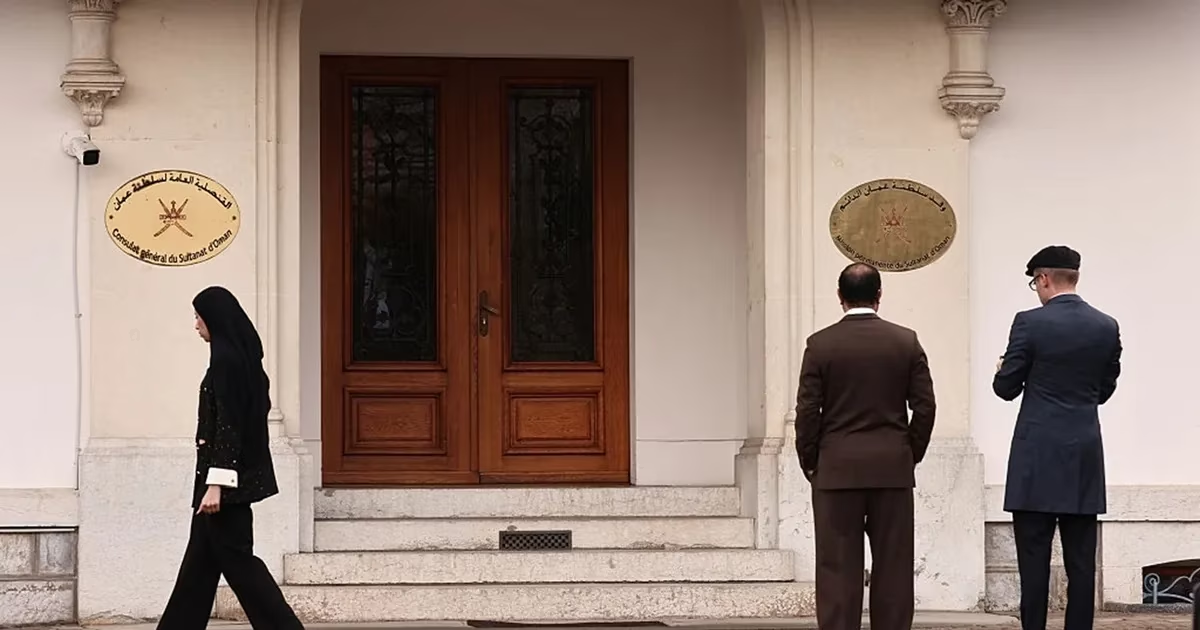
Iranian diplomacy prefers indirect channels for dialogue, as recently occurred in Geneva through Omani mediation, to reduce the symbolic and political cost before the domestic public. This approach allows the regime to maintain a narrative of steadfastness and sovereignty while seeking practical gains away from the spectacle of direct submission.
In contrast to the American desire for a 'grand' and comprehensive deal, Iran tends towards incremental, cumulative agreements built on a 'step-for-step' basis. This gradualism gives Tehran an opportunity to test Washington's seriousness before making substantial concessions on sensitive issues such as uranium enrichment.
Tehran recently proposed a three-phase vision starting with reducing enrichment levels in exchange for tangible economic measures, including the unfreezing of assets. This plan aims to ensure actual returns before moving on to inspection issues and broader commitments requested by the International Atomic Energy Agency.
For Iran, the nuclear card is a strategic negotiating asset, not merely a technical project isolated from the state's general policy. Tehran uses enrichment levels as leverage to prevent negotiations from turning into a state of subservience, and to send psychological deterrence messages to the other party when pressures escalate.
Reports indicate that Iran categorically refuses to abandon its stockpile of highly enriched uranium before seeing a real and comprehensive lifting of economic sanctions. This stance stems from the conviction that early concession deprives the state of its maneuverability and makes it vulnerable to potential political treachery.
Contrary to Western expectations, increased sanctions may sometimes lead to a hardening of the Iranian position rather than flexibility, as economic resilience is linked to national independence. The Iranian leadership fears that any concession under duress would be interpreted as a sign of weakness, which could threaten the internal balance of the regime.
The ultimate goal of the Iranian state in any negotiation process is to protect the survival of the regime and its political legitimacy before any other economic considerations. Therefore, any agreement formula must guarantee the 'right to enrichment' and avoid appearing as external dictates that harm the state's dignity.
Iran always seeks an 'honorable exit' that allows it to market the results as an assertion of rights against major powers, rather than a surrender to international pressures. This approach explains the constant insistence that the lifting of sanctions is the sole and primary criterion for judging the seriousness of any dialogue with Washington.
The real clash in Iranian-American negotiations is not merely technical, but a collision between two schools of political psychology. While Washington believes in pressure to generate trust, Tehran insists on obtaining guarantees before embarking on any path of substantial concessions.
Monitoring sources confirm that Tehran rejects the principle of 'zero enrichment' outright, considering it a red line that cannot be crossed in any future settlement. This position reflects the regime's desire to maintain technological capabilities that ensure its regional standing and sustainable negotiating power.
Back channels and indirect messages remain Iran's preferred means for managing major crises with the United States, away from media clamor. This space gives the Iranian negotiator sufficient flexibility to retreat or advance without having to justify it to rigid domestic institutions.
Ultimately, the Iranian negotiating mind appears as a highly suspicious and long-suffering entity, refusing to dismantle its cards before receiving its price. It is a battle to control the mental image, where the regime seeks to gain advantages while maintaining slogans of resistance and sovereignty intact.
Iran does not just ask what it will get in negotiations, but first asks: How do we ensure that the agreement will not be broken later?

Share your opinion
The Psychology of Iranian Negotiation: How Tehran Manages the Battle of Wills with Washington?